CE 220V 110V Welding Positioner Suppliers and Manufacturers
Source 21 verified suppliers for CE 220V 110V Welding Positioner units. Compare key dimensions including lead times, response speeds, and pricing tiers. Review product specifications and request quotes directly from manufacturers in China; review the available evidence before requesting comparable quotations from suitable candidates.
Updated
Suppliers List

Wuxi Weldsuccess Automation Equipment Co., Ltd.
- Verified by SGS
- Combined
- China Jiangsu
- Lead time30 days
- Avg. response≤ 2h
Main productsWelding Rotator, Welding Positioner, Welding Column and Boom, Tank Turning Rolls
Main marketsSoutheast Asia/ Mideast,Europe,Australia,North America

Jinan North Equipment Co., Ltd.
- Combined
- China Shandong
- Lead time15 days
- Avg. response≤ 5h
Main productsWelding Positioner, Welding Roller, Cutter, Cutting Machine, Positioners, Roller Rotator, Portable Welding Positioner, 10kg Welding Positioner, 50kg Welding Positioner, Light Positioner
Main marketsSouth America,East Asia(Japan/ South Korea),Europe

Wuxi Datang Welding & Cutting Mechanical Equipment Co., Ltd.
- Verified by TUVRHEINLAND
- Combined
- China Jiangsu
- Lead time30 days
- Avg. response≤ 14h
Main productsWelding Rotator, Welding Positioner, Turning Rolls, Cutting Machine, H-Beam Producing Line, H Beam Gantry Welding Machine, Welding Manipulator, Beveling Machine, H Beam Straightening Machine, H Beam Assembling Machine
Main marketsSouth America,Africa,Southeast Asia/ Mideast,East Asia(Japan/ South Korea),Domestic,Europe,Australia,North America
Jinan Apes Technology Co., Ltd.
- Manufacturer, Trading Company
- Shandong, China
- Lead time30 days
- Avg. response≤ 3h
Main productsWelding Torches,welding machines,welding accessories,tungsten electrode,tig torches
Main marketsNorth America(40.00%), Eastern Europe(15.00%), Southeast Asia(10.00%), Oceania(10.00%), Mid East(5.00%), South America(5.00%), Eastern Asia(5.00%), Central America(2.00%), Western Europe(2.00%), Domestic Market(2.00%), Africa(1.00%), South Asia(1.00%), Southern Europe(1.00%), Northern Europe(1.00%)
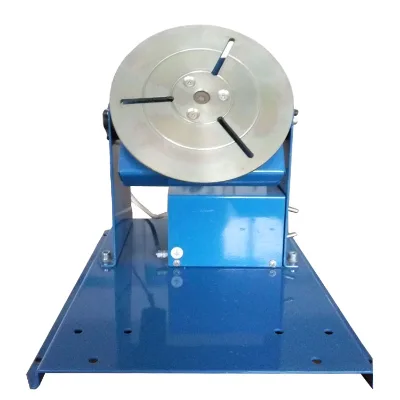
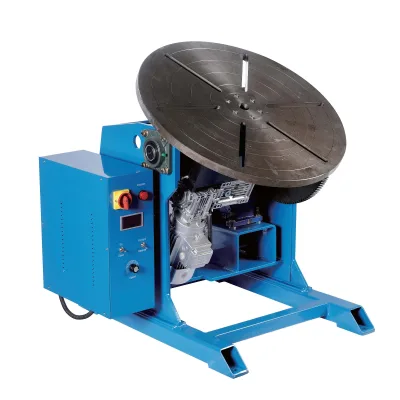
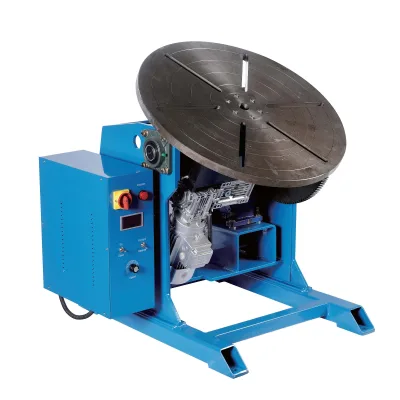
$1599.00 - $1759.00
MOQ: 10 pieces
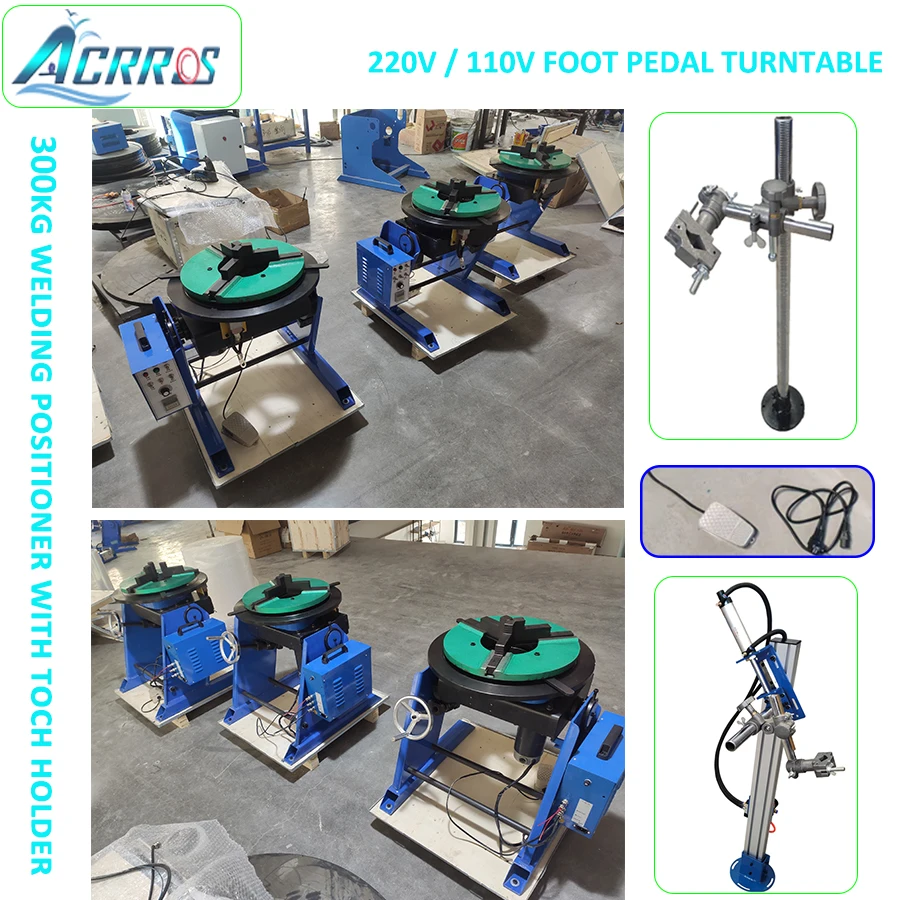
Dalian Acrros Machine Co., Ltd.
- Trading Company
- Liaoning, China
- Lead time15 days
- Avg. response≤ 1h
Main productsWelding turntable Positioner,column and boomWelding Manipulator,Welding turning rolls,longitudinal seam welding machine,welding carriage
Main marketsSoutheast Asia(15.00%), Western Europe(15.00%), South America(15.00%), North America(15.00%), Oceania(10.00%), Southern Europe(10.00%), Eastern Europe(7.00%), Northern Europe(5.00%), Central America(3.00%), Domestic Market(1.00%), South Asia(1.00%), Africa(1.00%), Eastern Asia(1.00%), Mid East(1.00%)
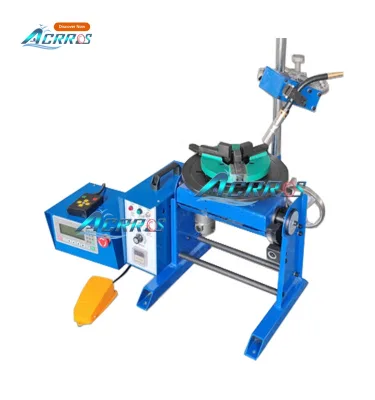
$987.6353 - $1299.5198
MOQ: 1 Minimum
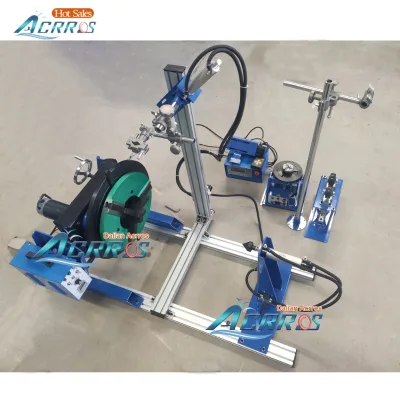
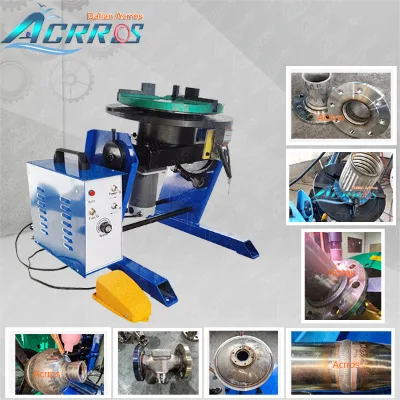
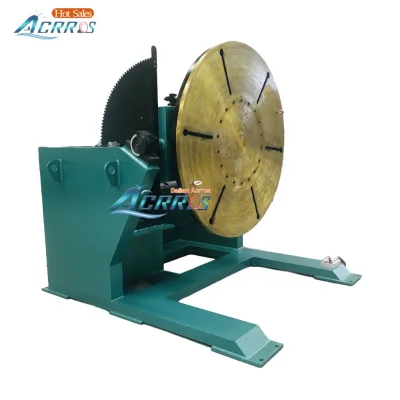
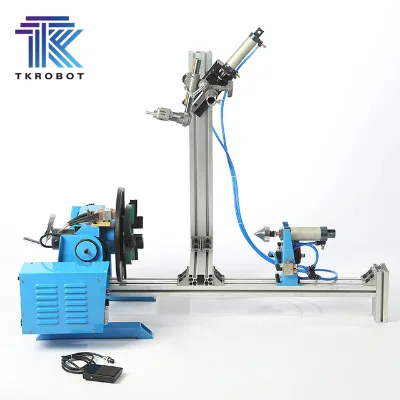
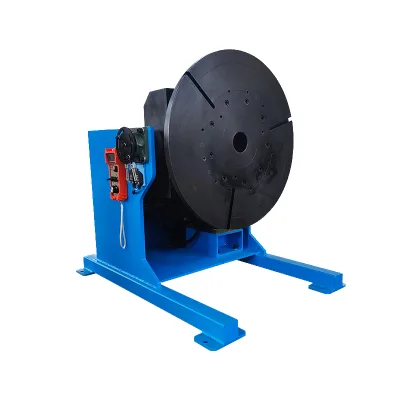
380v Voltage 1T AWP Welding Positioner with 1000kgs Rotating Table Soldering Remote
$3500.00
MOQ: 1 Minimum
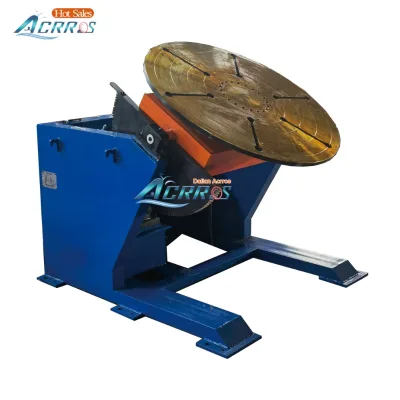
1Ton Loading Capacity 1000mm Table Diameter Welding Positioner 380V 60Hz Voltage for Sale
$3753.0122
MOQ: 1 Minimum
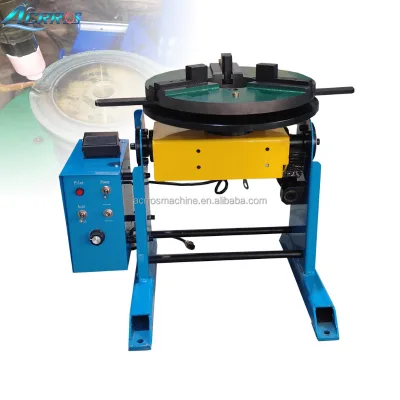
Henan Zonelion Heavy Industry Co., Ltd.
- Verified by TüVRheinland
- Trading Company
- Lead time7 days
- Avg. response≤ 4h
Main productsCutting Machine, Polishing Machine, Grinding Wheel Manufacturing Machine, Pressure Machine, Fixed Machine
Main marketsNorth America(8%), South America(8%), Eastern Europe(8%)
$199.00 - $219.00
MOQ: 1 sets
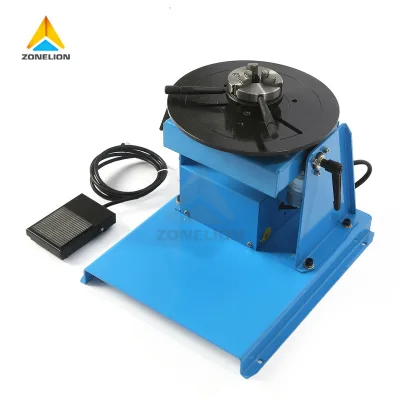
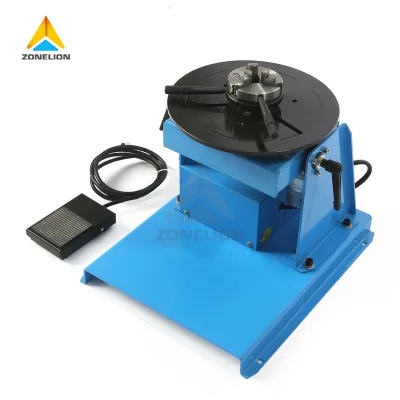
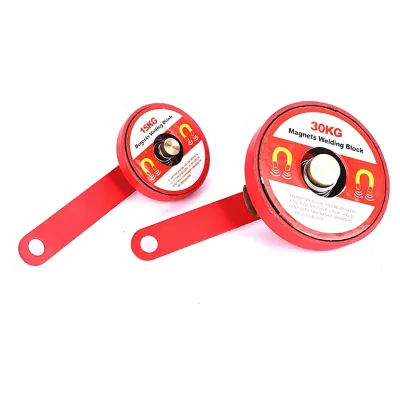
Portable Rotary Welding Locator Positioner 10KG 15KG 30KG 50KG with Core Motor Component
$199.00 - $219.00
MOQ: 1 sets
Jinan Handa Machinery Co., Ltd.
- Manufacturer, Trading Company
- Shandong, China
- Lead time15 days
- Avg. response≤ 3h
Main productswelding positioner,Welding rotator,Welding turntable,welding manipulator,welding chuck
Main marketsDomestic Market(40.00%), Northern Europe(10.00%), North America(10.00%), Eastern Europe(5.00%), Western Europe(5.00%), Eastern Asia(5.00%), Southern Europe(5.00%), Oceania(5.00%), Southeast Asia(5.00%), South America(3.00%), Central America(2.00%), Mid East(2.00%), Africa(2.00%), South Asia(1.00%)
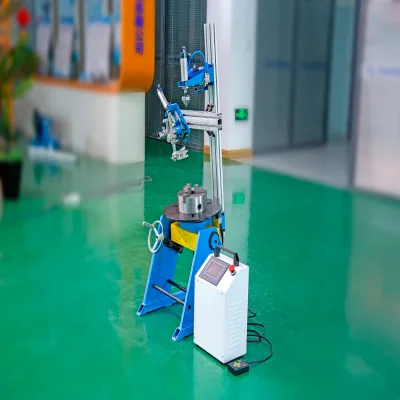
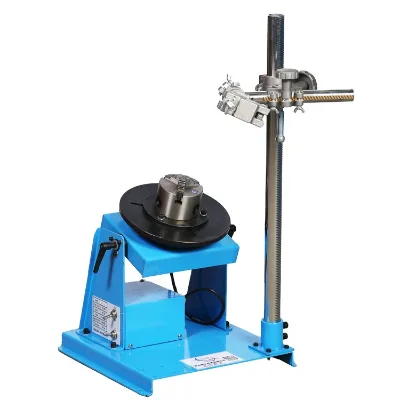
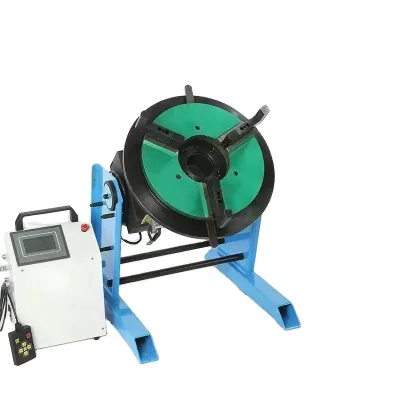
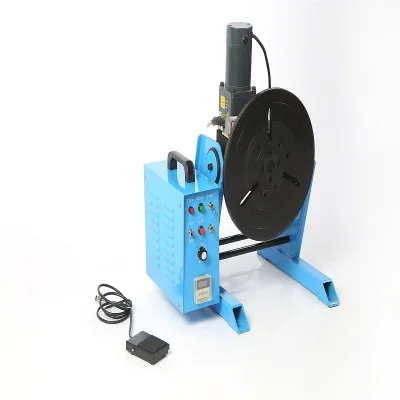
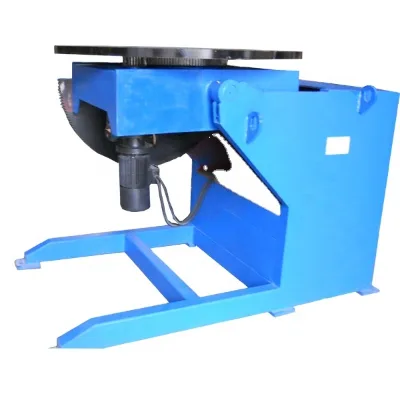
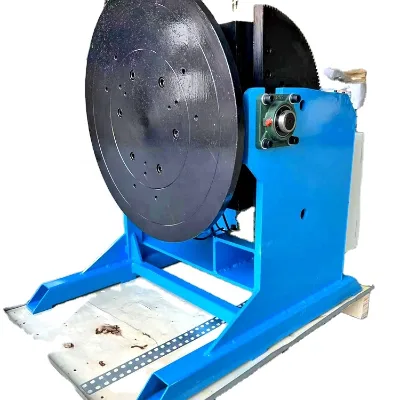
Pneumatic Welding Positioner 300 kg for Cnc
$400.00 - $600.00

JIUYING HEAVY MACHINE CO,LIMITED
- Trading Company
- Liaoning, China
- Lead time7 days
- Avg. response≤ 2h
Main productsSheet Metal Processing Machinery,Industrial Furnaces,Laser Welders,Metal Cutting Machinery,Other Metal & Metallurgy Machinery
Main marketsSoutheast Asia(20.00%), Mid East(20.00%), Eastern Europe(20.00%), South America(20.00%), North America(18.00%), Africa(2.00%)
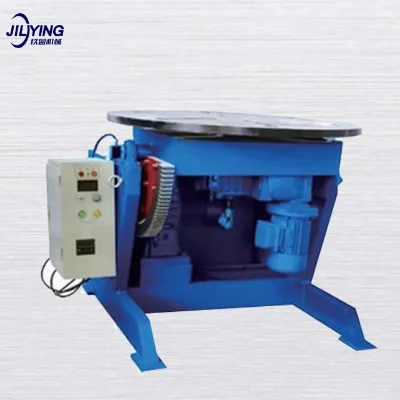
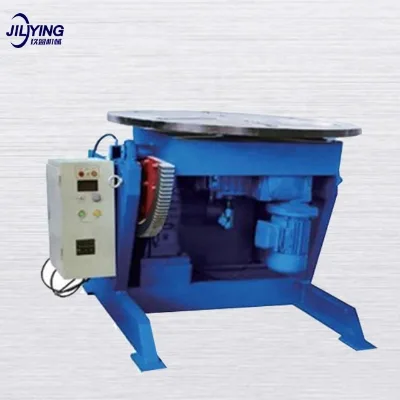
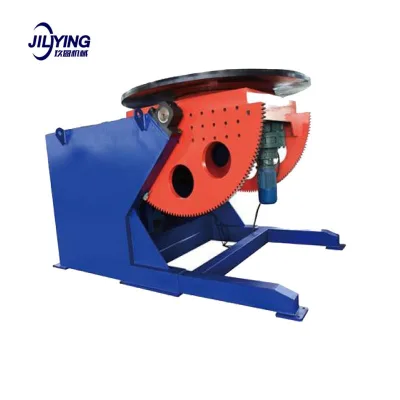
Adjustable Speed Tilted Welding Positioner Machine Small Welding Positioner
$1384.25 - $1563.25
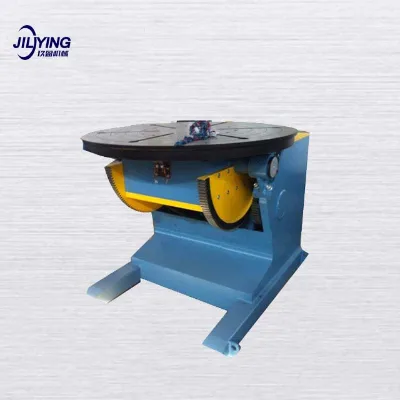
$1384.25 - $1563.25
MOQ: 1 sets
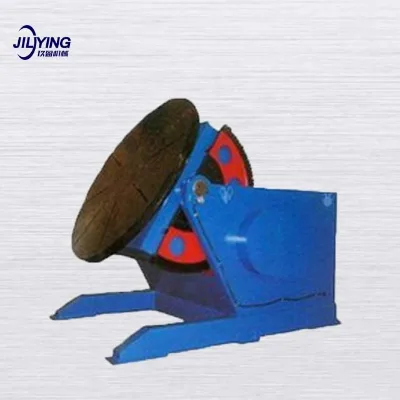
$4816.2807 - $5000.3261
MOQ: 1 sets
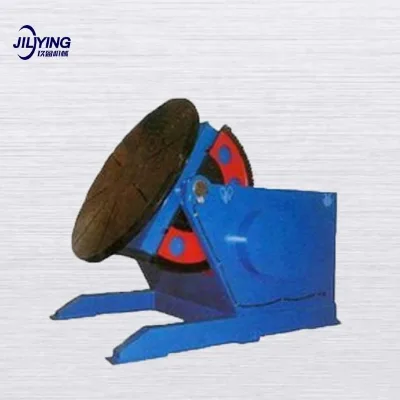
Salable Weld Positioner 600Kg Welding Positioner Small Rotary Welding Positioner Pipe
$4809.6235 - $4993.4146
MOQ: 1 sets

Ganar Technology Hebei Co., Ltd.
- Verified by TUVRHEINLAND
- Trading Company
- China Hebei
- Lead time30 days
- Avg. response≤ 1h
Main productsPackaging Machine, Cartoning Machine, Case Packer, Labelling Machine, Conveyor System, Cosmetic/Food/Pharmaceuticals Equipment, Vertical Lift, Processing Machine, Filling and Sealing Machine, Robot Palletizer
Main marketsSoutheast Asia/ Mideast,Europe

Rotating Table Welding Positioner Weld Rotating Welding Table Single Shaft Welding Positioner
$2000.00 - $3000.00
MOQ: 1 Pieces

Dual Shaft Horizontal Rotary Type Welding Positioner for Precision Welding Positioning
$2000.00 - $3000.00
MOQ: 1 Pieces
Xiamen Golden Silk Road Trading Co., Ltd.
- Manufacturer, Trading Company
- Fujian, China
- Lead time15 days
- Avg. response≤ 2h
Main productswelding machines,welding torches holder,welding accessories,welding positioner turntable,welding wire feeder
Main marketsWestern Europe(30.00%), North America(10.00%), Eastern Asia(10.00%), Eastern Europe(10.00%), South America(10.00%), Northern Europe(5.00%), Southeast Asia(5.00%), Central America(5.00%), Southern Europe(5.00%), Africa(3.00%), Mid East(3.00%), South Asia(2.00%), Oceania(2.00%)
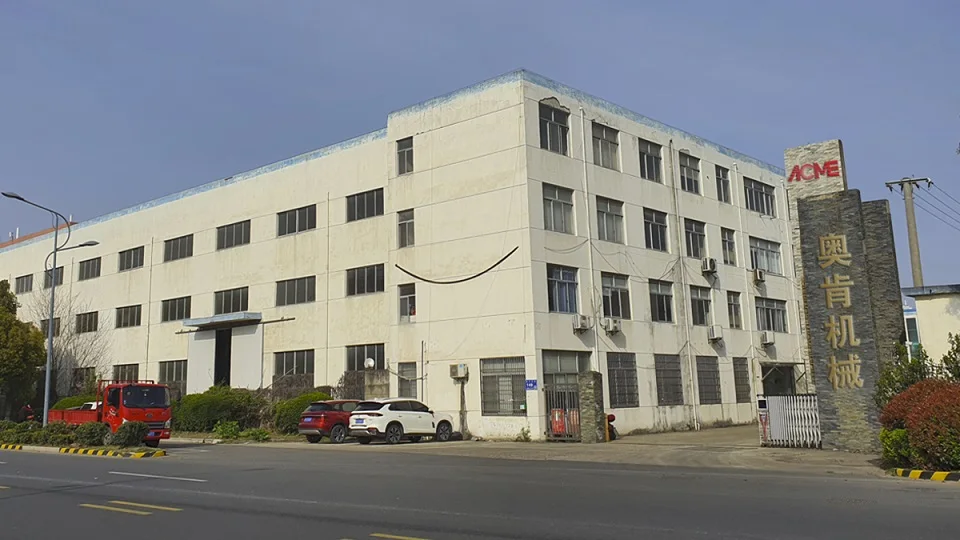
- Trading Company
- Jiangsu, China
- Lead time30 days
- Avg. response≤ 7h
Main productswelding rotator,welding positioner,welding manipulator,CNC cutting machine,H beam production line
Main marketsOceania(15.00%), Mid East(15.00%), North America(13.00%), South America(11.00%), Southeast Asia(10.00%), Eastern Asia(10.00%), South Asia(5.00%), Western Europe(5.00%), Southern Europe(5.00%), Eastern Europe(5.00%), Central America(2.00%), Africa(2.00%), Northern Europe(2.00%)
Luoyang Bota Heavy Duty Machinery Equipment Co., Ltd.
- Manufacturer, Trading Company
- Henan, China
- Lead time15 days
- Avg. response≤ 6h
Main productsWelding Rotator, Welding Column and Boom, Welding Positioner, Wind Power Tower Production Line, Welding Robot Station
Main marketsDomestic Market(17.00%), North America(15.00%), Southeast Asia(12.00%), Mid East(10.00%), Eastern Europe(8.00%), Western Europe(7.00%), Africa(6.00%), South Asia(5.00%), South America(5.00%), Eastern Asia(4.00%), Oceania(3.00%), Southern Europe(3.00%), Northern Europe(3.00%), Central America(2.00%)

TTMC IMPORT & EXPORT CO., LTD.
- Verified by BV
- Combined
- China Shandong
- Lead time30 days
- Avg. response≤ 3h
Main productsBand Saw, Bandsaw, Vertical Saw, Circular Saw, Belt Grinder, Welding Positioner, Bending Machine, Hydraulic Press, Drilling & Milling Machine, Jointer & Planer
Main marketsSouth America,Southeast Asia/ Mideast,North America


Adjustable Speed Horizontal Welding Positioner for Efficient Manipulation
$1400.00 - $4500.00
MOQ: 1 Pieces

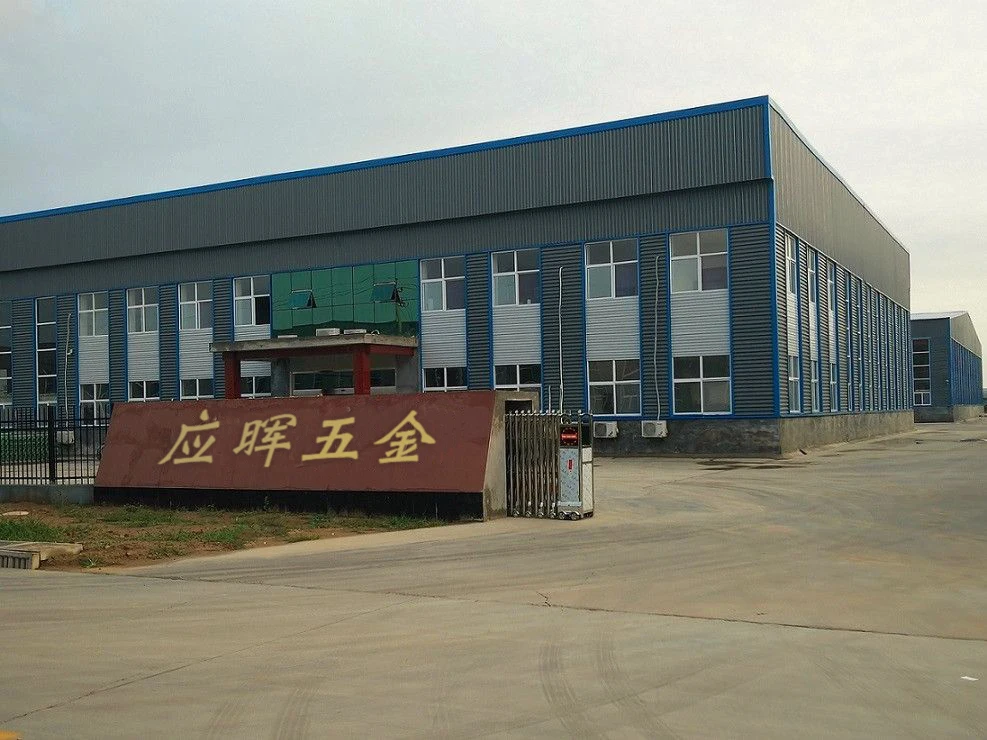
Linyi City Yinghui Hardware Tools Co., Ltd.
- Trading Company
- Shandong, China
- Lead time31 days
- Avg. response≤ 4h
Main productsHardware tools,Agricultural use Tools,Cleaning Tools
Main marketsSouth Asia(30.00%), Central America(30.00%), Mid East(30.00%), Southeast Asia(30.00%), North America(30.00%)
Shanghai Fengling Welds Co., Ltd.
- Verified by TüVRheinland
- Trading Company
- Lead time30 days
- Avg. response≤ 2h
Main productsWelding Wire, Welding Rod, Welding Table, Welding Robot, Welding Positioner
Main marketsSouth America(12%), Southeast Asia(12%), Mid East(12%)

Jinan Guansen Automation Equipment Co., Ltd.
- Verified by TUVRHEINLAND
- Combined
- China Shandong
- Lead time15 days
- Avg. response≤ 2h
Main productsWelding Robot, Welding Positioner, Linear Rail
Main marketsDomestic

Good Robot (Shandong) Automation Equipment Co., Ltd.
- Trading Company
- China Shandong
- Lead time0 days
- Avg. response≤ 2h
Main productsIndustrial Robots, Welding Robots, Handling Robots, Robot Rails, Positioners

MISA WELDING & CUTTING AUTOMATION CO., LIMITED
- Combined
- China Jiangsu
- Lead time23 days
- Avg. response≤ 10h
Main productsWelding Rotators, Welding Positioners, Welding Manipulators, Fit-up Pipe Growing Line, CNC Plasma&Flame Cutting Machine
Main marketsDomestic,Europe,Australia,North America

Guangxi Kony Technology Co., LTD.
- Manufacturer, Trading Company
- Guangxi, China
- Lead time15 days
- Avg. response≤ 2h
Main productsIndustrial Robot, Collaborative Robot, Laser-beam Welding Machine, Welding Power Source, Welding Auxiliary Equipment
Main marketsWestern Europe(30.00%), North America(30.00%), Southeast Asia(16.00%), Mid East(10.00%), Eastern Europe(10.00%), South America(4.00%)
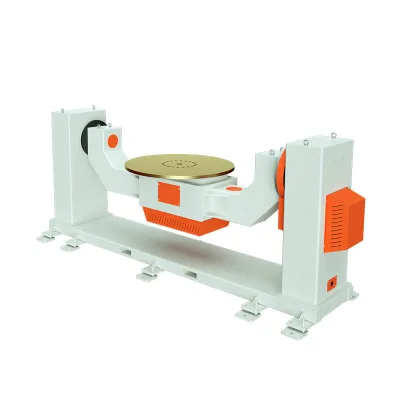
$6980.00 - $7280.00
MOQ: 1 pieces
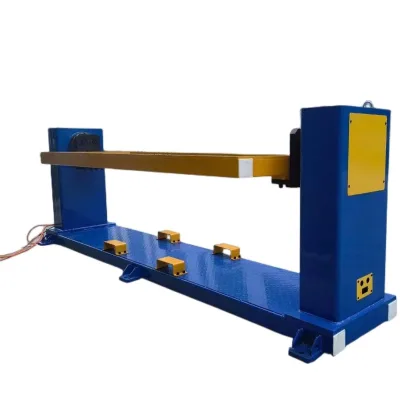
$2880.00 - $3150.00
MOQ: 1 dozens
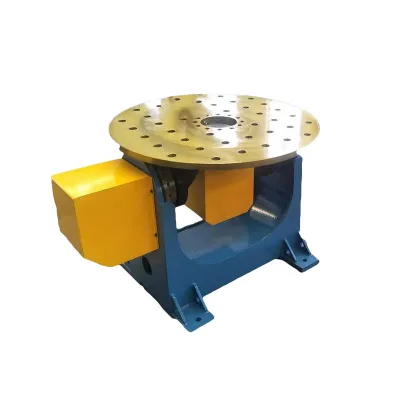
$5141.5246 - $5368.6593
MOQ: 1 dozens
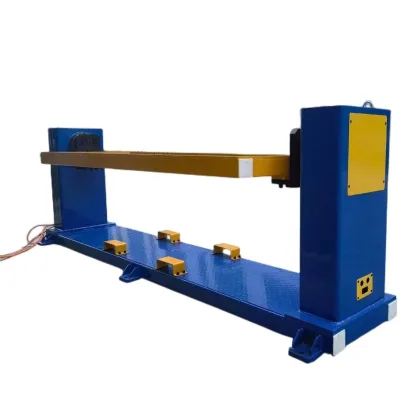
$2880.00 - $3150.00
MOQ: 1 dozens
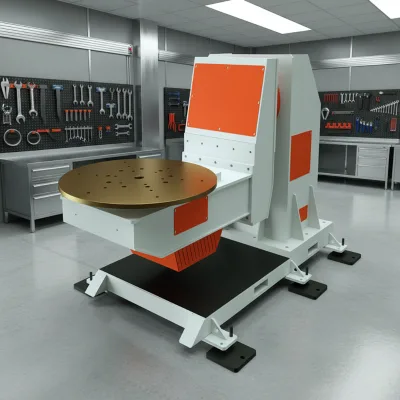
$3613.5207 - $5988.12
MOQ: 1 dozens

TANG CHENG INTERNATIONAL TRADE CO., LTD.
- Trading Company,Manufacturer/Factory
- China Jiangsu
- Lead time15 days
- Avg. response≤ 6h
Main productsWelding Robot, CNC Cutting Machine, Welding Machine, Laser Machine, Industrial Robot, Flux Recovery Machine, Welding Tractor, H-Beam Production Line, Laser Cutting Machine Parts, Plasma Cutting Machine Parts
Main marketsSouth America,Eastern Europe,Mid East,North America,Southeast Asia,Eastern Asia,Oceania,Western Europe,Africa

Wuxi Zhouxiang Complete Set of Welding Equipment Co., Ltd.
- Combined
- China Jiangsu
- Lead time30 days
- Avg. response≤ 4h
Main productsH Beam Production Line, H Beam Welding Machine, H Beam Assembly Machine, H Beam Straightening Machine, Welding Manipulator, Welding Rotator, H Beam Welding Assembly Straightening Machine, Welding Positioner, H Beam Welding Line, Welding Robot
Main marketsSouth America,Africa,Others(foreignTradeCapacity.exportBusinessCapacityMarketOther),Domestic,Europe,Australia,North America




Comprehensive Sourcing Guide
CE 220V 110V Welding Positioner Supplier Concentration and Factory Types
Suppliers of CE 220V 110V welding positioners in current results cluster in two Chinese provinces: Jiangsu, where a combined manufacturer-and-trader type company lists welding rotators, welding positioners, welding column and boom units, and tank turning rolls as its main products, and Shandong, where a supplier focuses specifically on welding positioners, welding rollers, cutters, cutting machines, portable positioners, and light-duty models down to 10kg and 50kg capacities. This split matters to buyers because Jiangsu-based sources tend to cover heavier fabrications and complete welding automation lines, while Shandong-based sources emphasize compact turntable-style positioners suited to lighter workpieces.
Beyond these two documented clusters, buyers should map concentration themselves by filtering supplier location fields on B2B platforms, noting which provinces appear repeatedly for positioner listings, and cross-checking that a supplier's main products actually include welding positioners rather than adjacent welding equipment only. Company type is a second axis: some entries are flagged as combined manufacturers and trading companies, which can affect whether you negotiate directly with the factory floor or through an intermediary. Third, look at product-line breadth. A supplier listing the full HBJ series from 600kg through 2t and 5t two-axis positioners signals a dedicated positioner manufacturer, whereas a catalog spanning cutters, rollers, and positioners may be a broader welding-equipment house. Both can be legitimate sources, but factory-type expectations should shape your audit questions and your assumptions about customization depth.
How to Verify CE 220V 110V Welding Positioner Suppliers
Verification should start with third-party verification status. In the current results, at least one Jiangsu supplier is marked as SGS-verified, which indicates an on-site or document-level audit by an independent inspection body has been performed. Where no such badge appears, do not assume the supplier is unaudited or audited; instead, request the underlying report, scope, and audit date directly, and treat system certifications listed as NIL as a prompt to ask what factory-management standards the company actually holds. Next, confirm the claimed CE marking on specific positioner models. Some Shandong listings cite CE as a product standard, but a CE claim should be backed by a Declaration of Conformity naming the exact model, the applicable directives, and the notified body if one is involved.
Then verify electrical compatibility and stated specifications. Listings in this category specify voltages of 110V, 220V, and ranges extending to 380V, 400V, and 440V, with power inputs quoted as single-phase AC 115/230V at 50/60Hz; ask which configuration your destination market requires and confirm it in writing before ordering. Cross-check model-level data such as table diameter, rotation and tilting motor power, tilting angle, and maximum eccentricity distance against the specification sheet the supplier issues. Finally, verify production capability claims. One supplier advertises ODM and OEM capacity; another adds its own brand to ODM and OEM. Ask for evidence of custom projects, sample units, and which operations are in-house versus subcontracted, since combined-type companies may outsource machining that a pure factory performs internally.
What to Compare Across CE 220V 110V Welding Positioner Suppliers
Build a comparison sheet from the attributes actually displayed in supplier results, since not every supplier publishes every field. Lead time is one of the widest gaps in this category: the Shandong positioner specialist quotes 15 days while the Jiangsu heavy-equipment supplier quotes 30 days, a difference that can decide which source fits your project schedule. Response speed is a second measurable dimension; recorded response times here range from roughly one hour to over four hours, which signals how quickly technical questions and quotation requests will be answered during negotiation. MOQ is comparably low across listed products — several positioner listings show a minimum order of one unit — so MOQ is rarely the deciding factor, but confirm it per model because heavier units may differ.
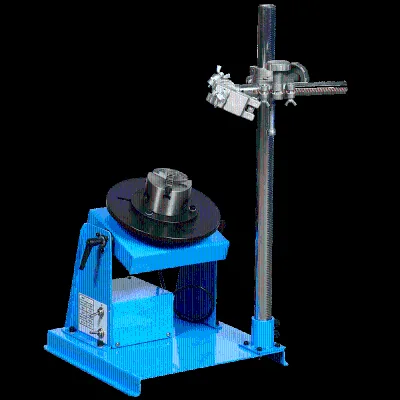
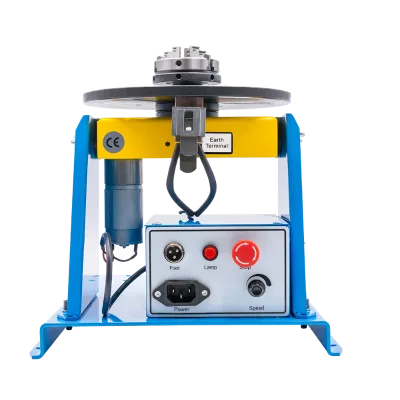
Compare technical envelopes model by model rather than by brand. Current listings include a 600kg positioner with a 1000mm table, 0.55kW rotation and 0.75kW tilting motors, 0–90° tilt, and 100mm eccentricity; a 300kg BY-300 unit; a BY-100 turntable with 345mm table, 1–7/15rpm rotation, and 0/90° tilt; and 2t and 5t two-axis machines with 0–135° tilt and 200mm eccentricity. Also compare customization availability, packing (wooden case versus wooden box or container), price bands, and location, since province affects freight. Weigh main-product focus too: a specialist positioner maker versus a multi-product welding-equipment house will differ in engineering support.
Common CE 220V 110V Welding Positioner Sourcing Risks
The most common risk is voltage and frequency mismatch. Listings here quote 220V, 110V, 380V–440V ranges, and single-phase AC 115/230V at 50/60Hz inputs interchangeably, and a positioner wired for the wrong supply will underperform or require rewiring on arrival. Confirm the exact plug, phase, and frequency for your market in the purchase contract, not just in a chat message. A second risk is certification ambiguity: CE appears as a standard on some turntable listings, while one supplier's system certification is recorded as NIL. Treating a keyword-level CE mention as a fully documented conformity claim is a mistake; request the Declaration of Conformity and test evidence for the specific model you are buying.
Specification drift is a third risk. Similar-looking two-axis positioners differ materially — tilting ranges of 0–90° versus 0–135°, eccentricity limits of 100mm versus 200mm, rotation speeds of 0.15–1.5rpm versus 1–7/15rpm — and small differences in these figures determine whether an off-center, heavy workpiece can be rotated safely. Verify rated duty cycle as well; one listing states 95%, but others omit duty cycle entirely, which matters for continuous welding. Fourth, beware of load-rating confusion between horizontal and vertical capacity, since one listing separately states capacity horizontal figures. Finally, packing varies (ply-wood box, wooden case, container) and long-lead heavier units carry longer quoted lead times; failing to align inspection timing with a 30-day build can compress your pre-shipment check unnecessarily. Put inspection rights and tolerance tables in the contract.
CE 220V 110V Welding Positioner Regional Sourcing and Logistics
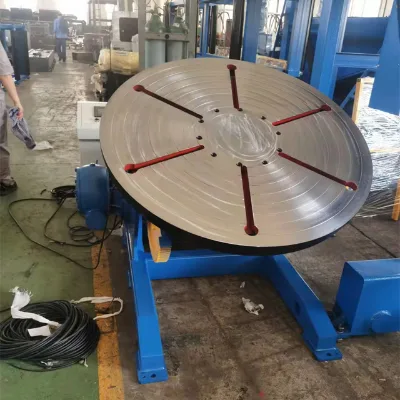
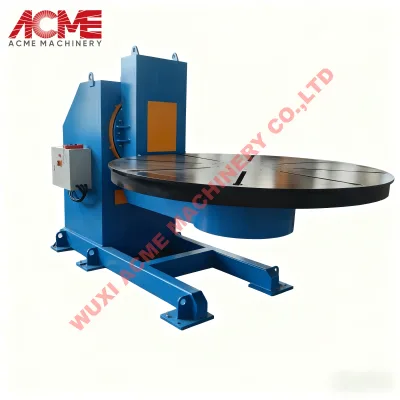
Regional choice directly shapes lead time, freight cost, and product fit. The Jiangsu cluster, with origins recorded around Wuxi, supplies heavier two-axis positioners in the 600kg to 5t class along with tank turning rolls and column-and-boom systems; the Shandong cluster, with a recorded origin in Jinan, specializes in lighter turntables and benchtop units from 10kg to 300kg capacity. If your workpieces are large pressure vessels or structural fabrications, the Jiangsu supply base is the natural first screen; if you need compact 50–300kg turntables for shop-floor welding cells, Shandong sources quote shorter 15-day lead times and entry prices in the several-hundred to low-thousand-dollar band. Match region to product class before comparing individual suppliers.
Logistically, plan around packing and shipment mode. Recorded packing formats include wooden cases, wooden boxes, ply-wood boxes, and container shipping; heavier HBJ-class units list crate dimensions around 1900×1000×900mm, which affects container loading calculations. Confirm whether export wooden packaging is treated for international transit and who arranges inland haulage to port. Ask each supplier to quote FOB terms with crate weights and dimensions so freight forwarders can compare accurately, and check whether the supplier routinely exports to your region, since documentation quality for customs varies. Where lead times differ (15 versus 30 days), build buffer into your production schedule and confirm the lead-time clock starts at deposit, artwork approval, or voltage confirmation, because positioner customization is offered on most listings and can extend the build window.
CE 220V 110V Welding Positioner Commercial Terms and Order Planning
Commercial terms in this category are comparatively accessible: several listings show MOQ of one unit, price bands running roughly from the high hundreds of dollars for compact turntables to a $3,000 single price point on a 2t two-axis model, and one supplier spanning $1,000 to $100,000 across a broader equipment range — figures you should treat as listing-level anchors and reconfirm by formal quotation for your exact configuration. Because customization is marked available on most listings, price will move with voltage, table options, tilt range, and controls, so request an itemized quote separating unit price, packaging, and any customization or tooling charges before comparing suppliers.
Order planning should sequence deposit, specification freeze, and inspection. Freeze the model code (such as HBJ or BY-series designations), voltage, tilt angle, load rating, and packing format in writing, since a 30-day Jiangsu lead time or a 15-day Shandong lead time restarts if specifications change mid-build. Negotiate payment milestones tied to verifiable events — for example, inspection approval before the balance — and use escrow or platform-protected payment where offered, checking whether a supplier's escrow status is displayed and asking directly where it is not. For repeat purchasing, discuss framework pricing after the first order confirms quality, and document warranty terms; one listing states a one-year warranty period, so align warranty length, spare parts availability for rotation and tilting motors, and after-sales response commitments before committing volume.
Word count check: Section 1 ≈229, S2 ≈231, S3 ≈232, S4 ≈230, S5 ≈230, S6 ≈230; total ≈1382 words.
FAQs
What voltage options are available for CE-certified welding positioners?
Suppliers offer 110V and 220V configurations to match local power standards. Some models support a broader range including 380V and 440V for industrial use. Verify the specific input requirements for your facility to ensure compatibility with your existing electrical infrastructure and safety protocols.
What is the typical lead time for manufacturing these machines?
Manufacturing lead times generally range from 15 to 30 days depending on the supplier location and order volume. Suppliers in Shandong often quote 15 days, while those in Jiangsu may require up to 30 days. Confirm the exact schedule with the manufacturer before placing your order.
Is customization available for these welding positioners?
Yes, customization is widely available across the supplier base. Many manufacturers support OEM and ODM services to tailor equipment to specific needs. You can request adjustments to voltage, table dimensions, or load capacity. Ensure your custom requirements are clearly specified during the quotation process.
What is the minimum order quantity for these products?
The minimum order quantity is typically one unit, allowing for single-unit purchases. This low MOQ facilitates testing and small-scale production needs. Buyers can order individual machines without committing to large bulk volumes, making it easier to evaluate performance before scaling up procurement.
What is the price range for 220V welding positioners?
Prices vary significantly based on load capacity and features, ranging from approximately $700 to $100,000. Smaller units like 100kg models start around $700, while heavy-duty 600kg or larger industrial positioners cost more. The final price depends on the specific model and customization options selected.
Are these welding positioners verified by third-party agencies?
Some suppliers have undergone SGS verification, indicating a level of trust and quality assurance. While system certifications may not always be listed, third-party verification provides confidence in the supplier's operational standards. Buyers should check for these verification badges when evaluating potential manufacturing partners for reliability.