Automatic 35kHz Ultrasonic Sewing Machine Suppliers and Manufacturers
Explore 22 verified options for the Automatic 35kHz Ultrasonic Sewing Machine with details on location, lead times, and certifications. Compare response times and product specifications to select the right factory for your needs; review the available evidence before requesting comparable quotations from suitable candidates.
Updated
Suppliers List

Hangzhou Lanben Trade Co., Ltd.
- Verified by TUVRHEINLAND
- Combined
- China Zhejiang
- Lead time15 days
- Avg. response≤ 4h
Main productsUltrasonic Transducer, Ultrasonic Homogenizer, Ultrasonic Mixer, Ultrasonic Welding Machine, Sonicator, Ultrasonic Food Cutter, Ultrasonic Cutting Machine, Ultrasonic Extraction, Ultrasonic Coating, Ultrasonic Sewing Machine
Main marketsEurope,Australia,North America


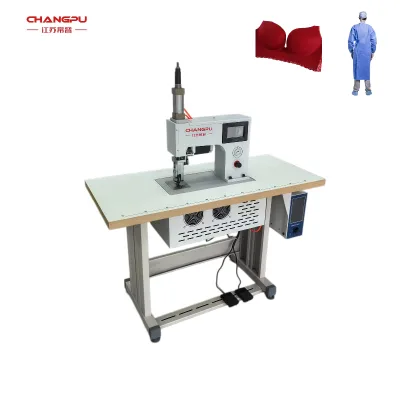
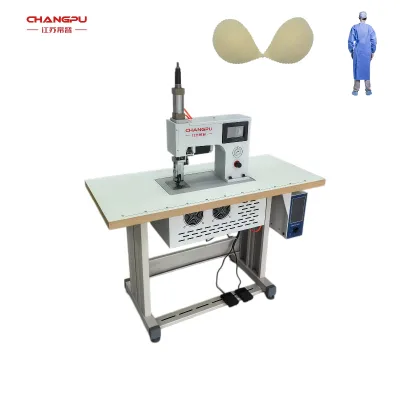
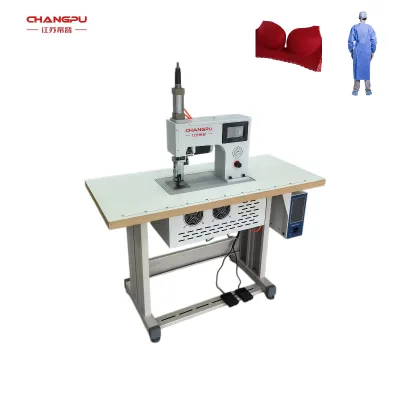
35kHz Ultrasonic Sewing Machine Automatic Industrial Ultrasonic Non Woven Fabric Sewing Machine
$2500.00 - $6500.00
MOQ: 1 Pieces


Changzhou Jiapu Mechanical Equipment Co., Ltd.
- Manufacturer
- Jiangsu, China
- Lead time15 days
- Avg. response≤ 2h
Main productsMask Machine,Cap Machine,Lace Sewing Machine,Quilting Machine,Shoe Cover Machine
Main marketsSoutheast Asia(30.00%), Domestic Market(20.00%), South America(15.00%), Mid East(15.00%), South Asia(2.00%), North America(2.00%), Southern Europe(2.00%), Northern Europe(2.00%), Central America(2.00%), Western Europe(2.00%), Eastern Asia(2.00%), Eastern Europe(2.00%), Oceania(2.00%), Africa(2.00%)

Hangzhou Hanspire Automation Co., Ltd.
- Manufacturer/Factory
- China Zhejiang
- Lead time23 days
- Avg. response≤ 1h
Main productsUltrasonic Cutting Machine, Laminating Machine, Casting, Forging, Ultrasonic Homogenizer, Auto Parts, Ultrasonic Welding Machine, Ultrasonic Transducer
Main marketsSouth America,Eastern Europe,Mid East,North America,Southeast Asia,Eastern Asia,Oceania,Western Europe,Africa

Advanced Design 35kHz Ultrasonic Sewing Machine for Faster Ultrasonic Plastic Welding Speed
$1500.00 - $7500.00
MOQ: 1 Pieces


New Design 35kHz Ultrasonic Sewing Machine for Most Garments Material
$1500.00 - $7500.00
MOQ: 1 Pieces

20kHz 30kHz Ultrasonic Sewing Machine for Different Clothing with Efficiency
$980.00 - $5500.00
MOQ: 1 Pieces

Latest Design High Precision 30kHz Frequency Ultrasonic Sewing Machine with Different Pattern
$1500.00 - $7500.00
MOQ: 1 Pieces

30kHz High Precision Rotary Ultrasonic Sewing Machine with Patent Certificate for Special Material
$1980.00 - $5900.00
MOQ: 1 Pieces
Shanghai Blue Machinery Tech Co., Ltd.
- Verified by TüVRheinland
- Manufacturer, Trading Company
- Lead time30 days
- Avg. response≤ 1h
Main productsPlastic Welding Machine, Automatic Production Line, Thermforming Machine, Automatic Packing Machine, Automatic Assembly Machine
Main marketsSouth Asia(20%), Mid East(15%), South America(10%)
Changzhou Futan Machinery Co., Ltd.
- Verified by TüVRheinland
- Manufacturer, Trading Company
- Lead time10 days
- Avg. response≤ 7h
Main productsUltrasonic Sewing Machine, Ultrasonic Quilting Machine, Ultrasonic Fabric Cutting Machine, Fabric Pleating Machine, Nonwoven Bag/Mask/Cap/Disposable Products Making Machine
Main marketsMid East(15%), South America(12%), Eastern Europe(10%)
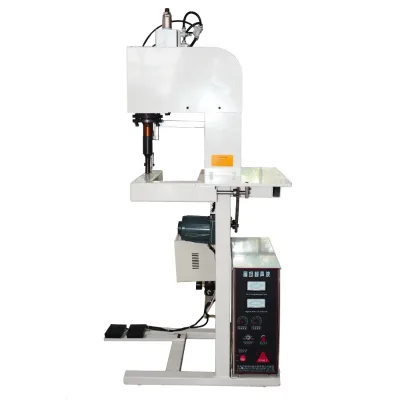
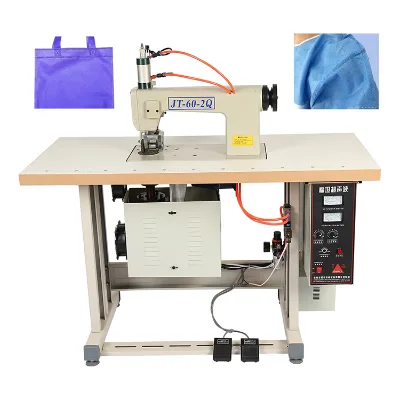
We Offer supersonic Sewing s Cutting Nonwoven Fabric Ultrasonic Sewing Machine
$640.00 - $650.00
MOQ: 1
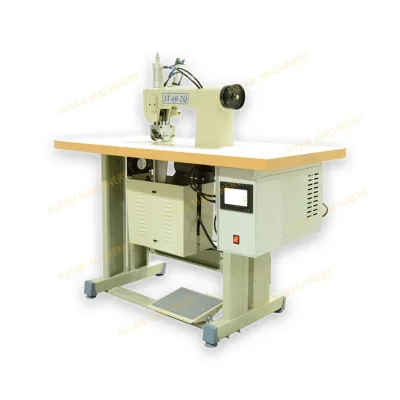
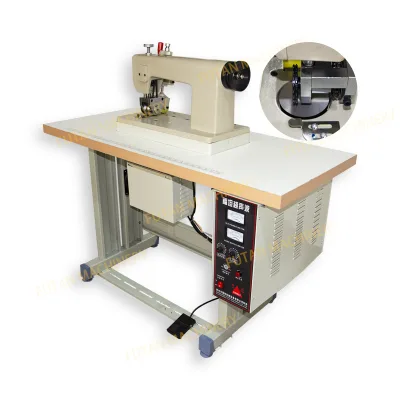
High Speed Ultrasonic Sewing Machine Woven Bag Sewing Machine
$542.00 - $580.00
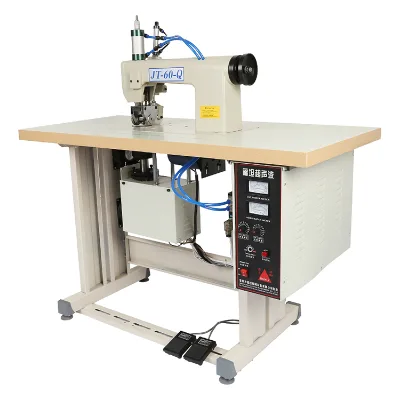
Hot Selling Ultrasonic Lace Sewing Machine with Bottom Horn Ultrasonic Sewing Generator
$640.00 - $650.00
MOQ: 1
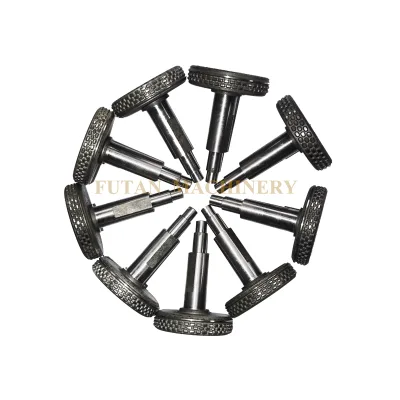
Changzhou Chuangchao Technology Co., Ltd.
- Manufacturer
- Jiangsu, China
- Lead time0 days
- Avg. response≤ 4h
Main productsUltrasonic welding equipment,Ultrasonic generators,Ultrasonic oscillator,Ultrasonic molds,Ultrasonic Drop Machine
Main marketsSoutheast Asia(50.00%), North America(25.00%), South Asia(10.00%), Central America(10.00%), Mid East(5.00%)
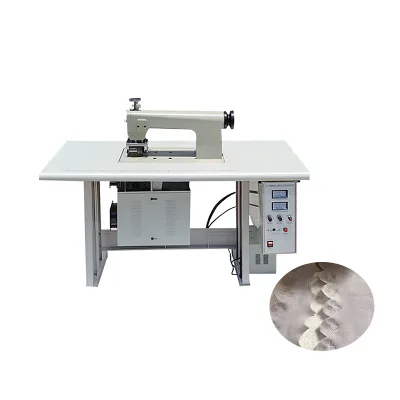
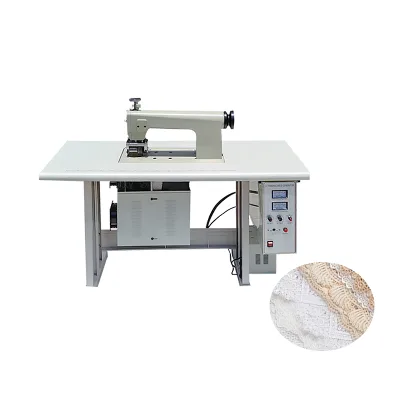
$599.00 - $749.00
MOQ: 1 Minimum
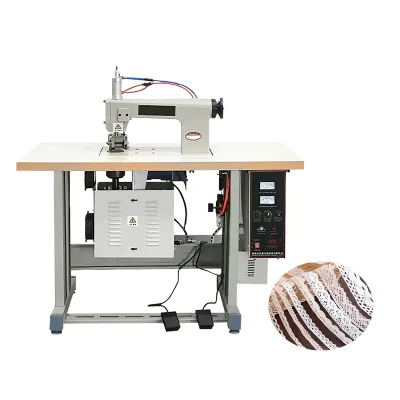
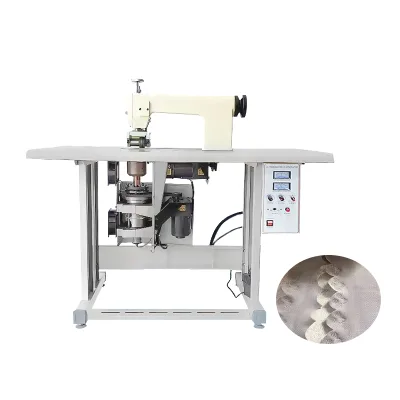
$615.0325 - $769.0472
MOQ: 2 Minimum
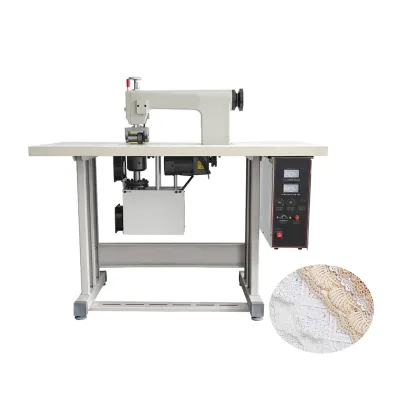
Hangzhou Success Ultrasonic Equipment Co., Ltd
- Manufacturer, Trading Company
- Zhejiang, China
- Lead time15 days
- Avg. response≤ 8h
Main productsUltrasonic Transducer/ Ultrasonic Spot Welder/ Ultrasonic Generator/ Ultrasonic Sonochemistry Machine/ Ultrasonic Cutting Edge Sealing Machine
Main marketsDomestic Market(88.00%), Southeast Asia(3.00%), South Asia(2.00%), North America(2.00%), Eastern Europe(2.00%), Mid East(1.00%), Oceania(1.00%), Western Europe(1.00%)

Changzhou Mosun Ultrasonic Equipment Co., Ltd.
- Combined
- China Jiangsu
- Lead time30 days
- Avg. response≤ 4h
Main productsUltrasonic Lace Sewing Machine, Ultrasonic Quilting Machine, Ultrasonic Sewing Machine, Ultrasonic Slitting Machine, Ultrasonic Welding Machine, Non-Woven Calender, PSF Plant for Producing Fiber, PP Spunbonded Non-Woven Production Line, Polyester Staple Fiber Production Line for, Ultrasonic Cutting Machine
Main marketsSouth America,Africa,Southeast Asia/ Mideast,Domestic,Europe,North America
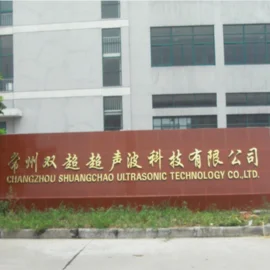
Changzhou Shuangchao Ultrasonic Technology Co., Ltd.
- Manufacturer
- Jiangsu, China
- Lead time3 days
- Avg. response≤ 6h
Main productsultrasonic quilting machine,fabric cutting machine,ultrasonic lace machine,ultrasonic embossing machine,non-woven bag making machine
Main marketsMid East(20.00%), Africa(19.00%), Domestic Market(10.00%), South Asia(10.00%), Southern Europe(10.00%), Northern Europe(10.00%), North America(10.00%), South America(10.00%)
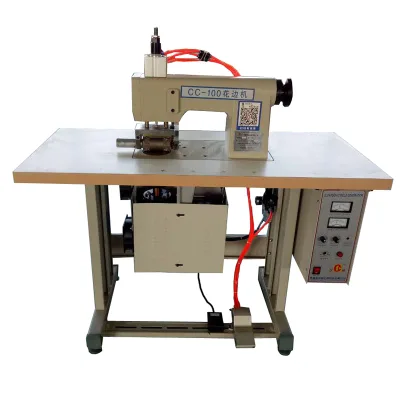
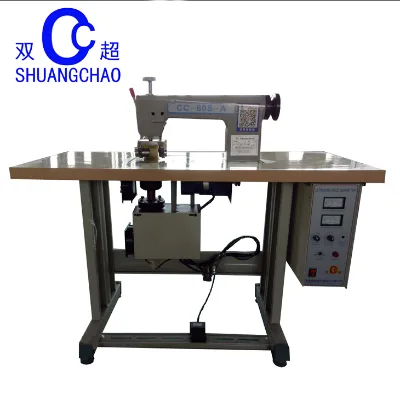
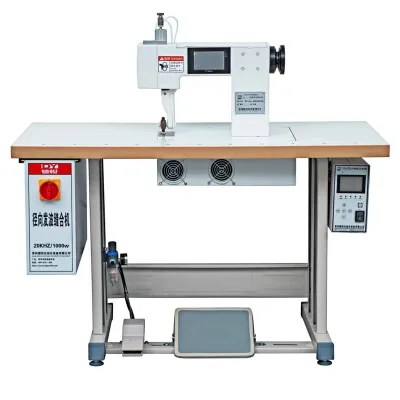
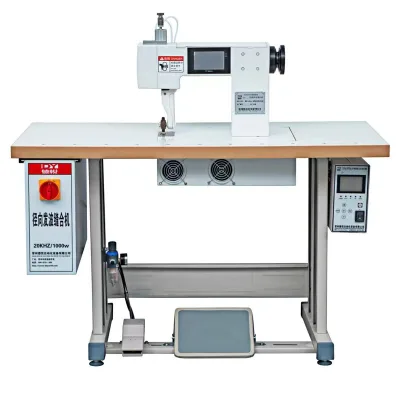
CC- 100 Ultrasonic Leather Lace Machine Ultrasonic Lace Sewing Machine
$640.4032 - $727.7307
MOQ: 1 sets
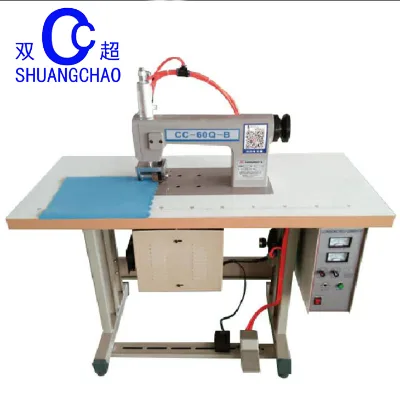
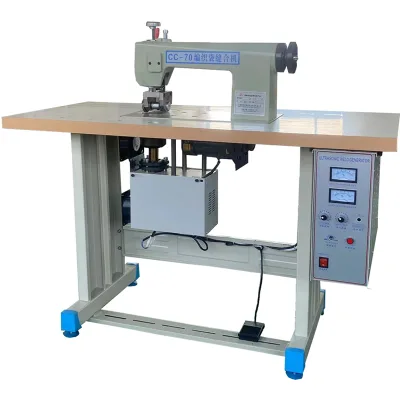
Shenzhen Jiayuanda Technology Co., Ltd.
- Manufacturer, Trading Company
- Lead time旺季: "1 - 20":35,"> 20":"To be negotiated", 淡季: "1 - 20":35,"> 20":"To be negotiated"
- Avg. response≤ 3h
Main productsUltrasonic Lace Sewing Machine, Ultrasonic Food Cutting Machine, Ultrasonic Generator, Industrial Ultrasonic Cleaners, Ultrasonic Plastic Welding Machine
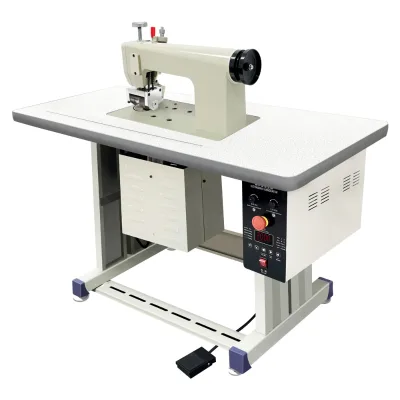
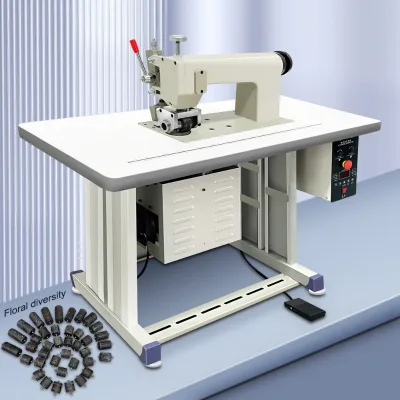
Best Supplier Pneumatic Down Pressure Control Ultrasonic Sewing Machine for Fabric
$726.2123 - $1037.4461
MOQ: 1 sets
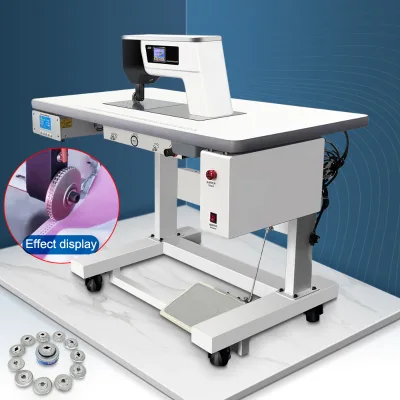
Hot Selling Ultrasonic Lace Sewing Machine for Cutting Nonwoven and Chemical Fiber Fabric
$5500.00 - $5999.00
MOQ: 1
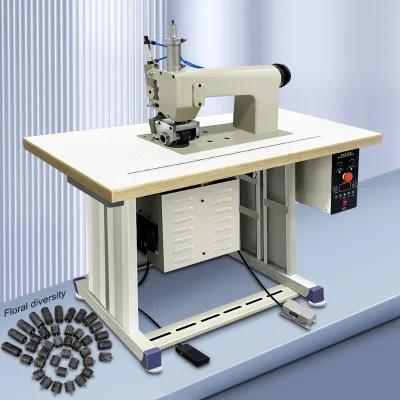
Wholesale Price High Speed Ultrasonic Fabric Sewing Machine for Nonwoven Mask
$1000.00 - $1500.00
MOQ: 1
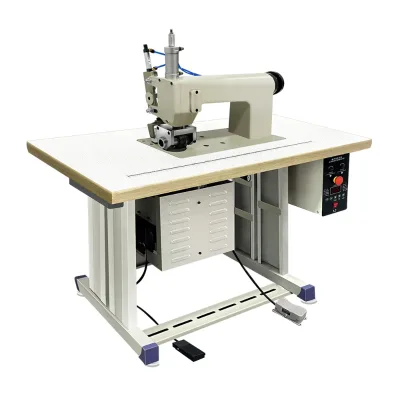
$1024.6553 - $1536.9829
MOQ: 1 pieces

Zhengzhou Honest Machinery Co., Ltd.
- Trading Company,Manufacturer/Factory
- China Henan
- Lead time15 days
- Avg. response≤ 5h
Main productsFood Machinery, Packing Machines, Microwave Equipment, Drying Machines, Grain Product Making Machines, Commodity Making Machines, Texitle Machines, Construction Machinery
Main marketsSouth America,Eastern Europe,Mid East,North America,Southeast Asia,Eastern Asia,Oceania,Western Europe,Africa

Fully Automatic Ultrasonic Sewing Machine / Ultrasonic Lace Sewing Machine
$496.00 - $1039.00
MOQ: 1 set


Hangzhou Shengpai Technology Co., Ltd.
- Verified by TUVRHEINLAND
- Trading Company,Manufacturer/Factory
- China Zhejiang
- Lead time23 days
- Avg. response≤ 1h
Main productsUltrasonic Homogenizer, Ultrasonic Plastic Welding Machine, Ultrasonic Spot Welding Machine, Ultrasonic Cutting Machine, Ultrasonic Welding Transducer, Ultrasonic Welding Horn, Ultrasonic Booster, Ultrasonic Sealing Machine, Ultrasonic Measuring Instrument, Ultrasonic Assisted Machine
Main marketsSouth America,Eastern Europe,Mid East,North America,Southeast Asia,Eastern Asia,Oceania,Western Europe,Africa

20KHz High Efficiency Ultrasonic Sewing Machine for Medical Garments
$1580.00 - $5580.00
MOQ: 1 Pieces


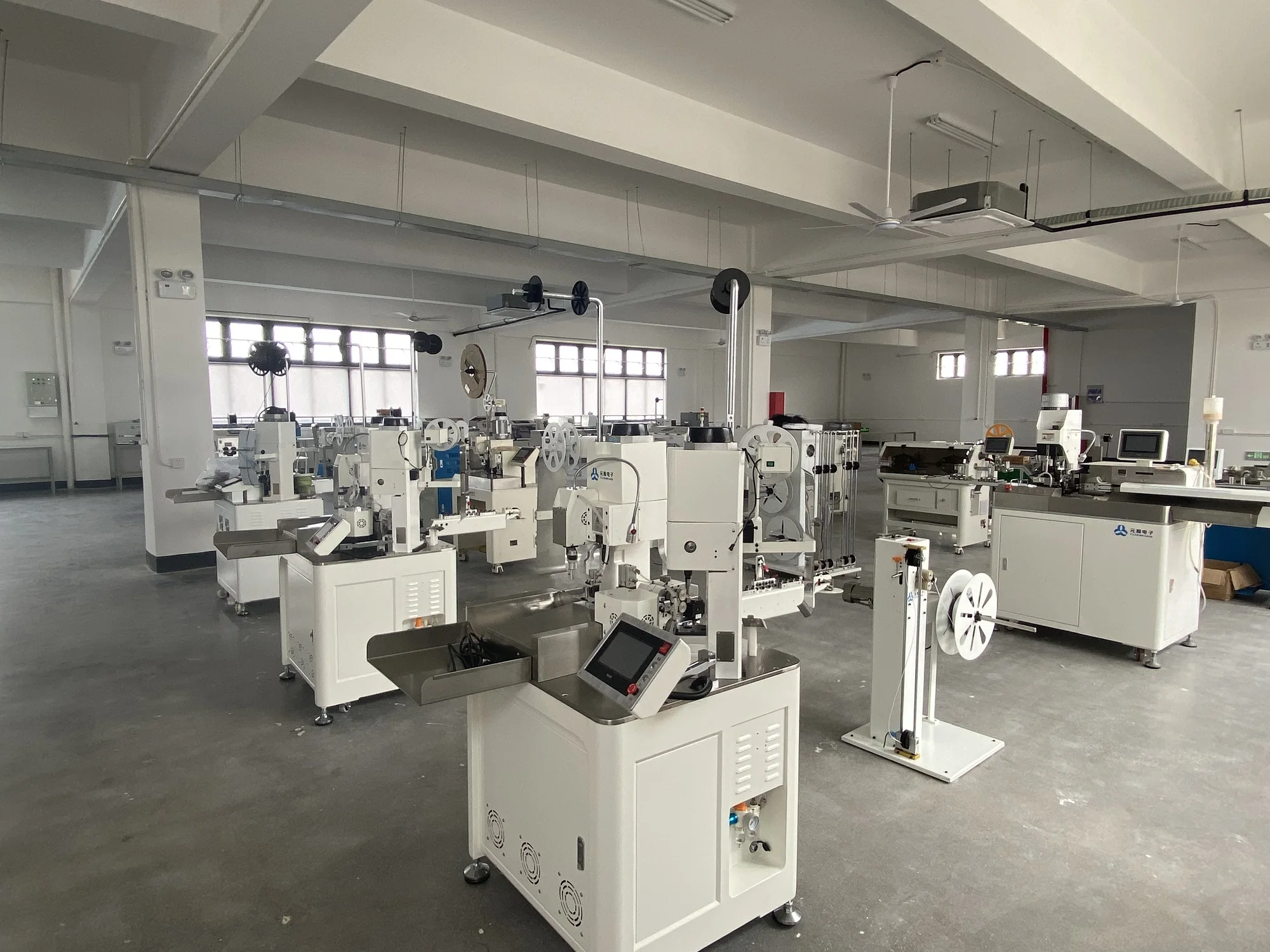
Kunshan Yuanhan Electronic Equipment Co., Ltd.
- Manufacturer
- Jiangsu, China
- Lead time3 days
- Avg. response≤ 6h
Main productsWire Harness Machine/Automatic Tape Cutting Machine/Terminal Crimping Machine/Automatic Tube Cutting Machine,Terminal crimping machine,Tube cutting machine,Harness tester,Welding soldering machine
Main marketsDomestic Market(30.00%), Southeast Asia(15.00%), Oceania(10.00%), South America(10.00%), Western Europe(10.00%), North America(10.00%), Africa(5.00%), Mid East(5.00%), Eastern Europe(5.00%)

Taizhou City Sunsure Import & Export Co., Ltd.
- Trading Company
- China Zhejiang
- Lead time23 days
- Avg. response≤ 6h
Main productsSewing Machine, Embroidery Machine, Laser Cutting Machine, Tape Edge Machine, Quilting Machine, House Use Machine, Cutting Machine, Fushing Machine, Ironing Table, Spare Parts
Main marketsSouth America,Africa,Southeast Asia/ Mideast

Zhengzhou Allraise Company Ltd.
- Verified by TUVRHEINLAND
- Manufacturer/Factory
- China Henan
- Lead time0 days
- Avg. response≤ 4h
Main productsPrinting Machine, Packaging Machine, Paper Making Machine, Label Printing Machine, Rotogravure Printing Machine, Gluing Machine, Paper Cup Machine, Paper Production Machinery, Roto Gravure Printing Machine, Hologram Printer Machine
Main marketsSouth America,Eastern Europe,Mid East,North America,Southeast Asia,Eastern Asia,Oceania,Western Europe,Africa


Manual Non Woven Ultrasonic Lace Sewing Machine Ultrasonic Lace Machine
$500.00 - $899.00
MOQ: 1 Pieces

Ultrasonic Lace Making Sewing Machine Ultrasonic Sewing Machine Roller Lace Sewing Lace Machine
$600.00 - $930.00
MOQ: 1 Pieces


$500.00 - $900.00
MOQ: 1 Pieces
Changzhou Jinshuo Ultrasonic Technology Co., Ltd.
- Manufacturer, Trading Company
- Jiangsu Province, China
- Lead time7 days
- Avg. response≤ 2h
Main productsultrasonic transducer,Ultrasonic plastic welding machine,UltUltrasonic Mould,Ultrasonic Cutting Knife,Ultrasonic handheld gun
Main marketsAfrica(40.00%), Mid East(20.00%), Eastern Asia(10.00%), Eastern Europe(10.00%), South America(10.00%), Southeast Asia(10.00%)
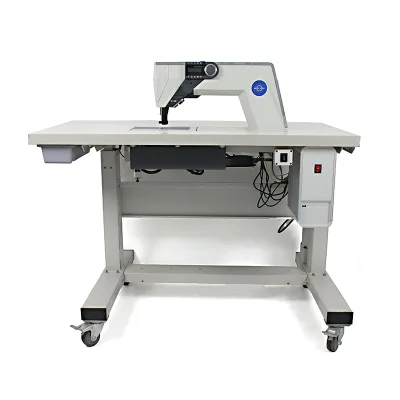
Ultrasound Side Cutting Edge Sewing Machine Ultrasonic Embossing Sewing Machine
$8571.42 - $8571.44
MOQ: 1 pieces
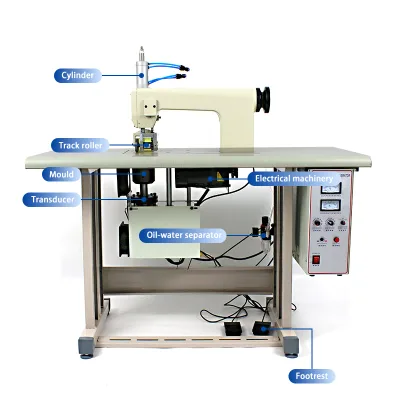
Ultrasonic Welding Sewing Machine Ultrasound Sewing Machine Ultrasonic Lace Machine with good price
$732.00 - $734.00
MOQ: 1 pieces
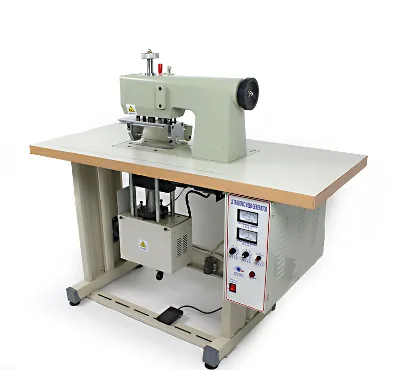
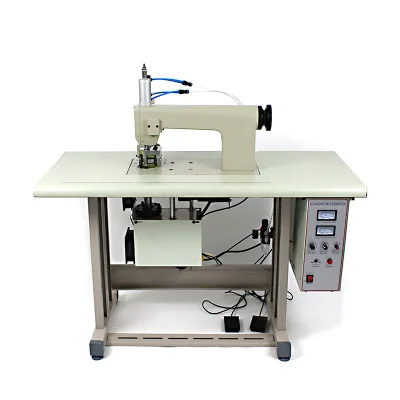
Industrial Sealing Machine Ultrasonic Lace Sewing Machine Sewing Machine Best Selling Quality
$755.2287 - $757.2917
MOQ: 1 pieces
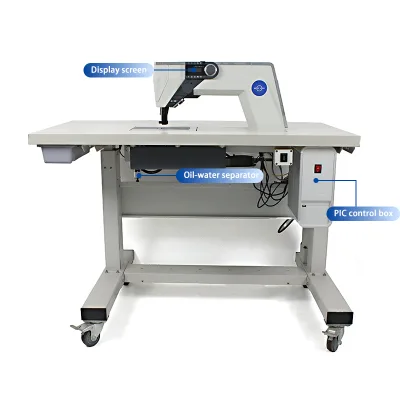
$8571.42 - $8571.44
MOQ: 1 pieces
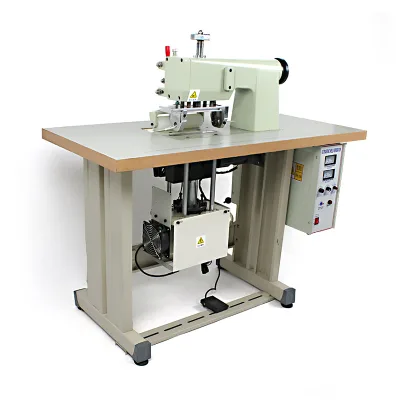
Ultrasonic Nonwoven Bag Sewing Gown Making Equipment Industrial Sewing Machine with Low Price
$732.00 - $734.00
MOQ: 1 pieces
Changzhou Jinpu Automation Equipment Co., Ltd.
- Manufacturer, Trading Company
- Jiangsu, China
- Lead time7 days
- Avg. response≤ 2h
Main productsUltrasonic Lace Sewing Machine, Ultrasonic Quilting Machine, Ultrasonic Welding Machine, Ultrasonic Sealing Machine, Ultrasonic Cutting Machine
Main marketsDomestic Market(50.00%), South Asia(10.00%), Eastern Europe(8.00%), Africa(7.00%), North America(5.00%), Mid East(5.00%), Eastern Asia(3.00%), Western Europe(3.00%), Southeast Asia(3.00%), South America(2.00%), Oceania(1.00%), Southern Europe(1.00%), Central America(1.00%), Northern Europe(1.00%)
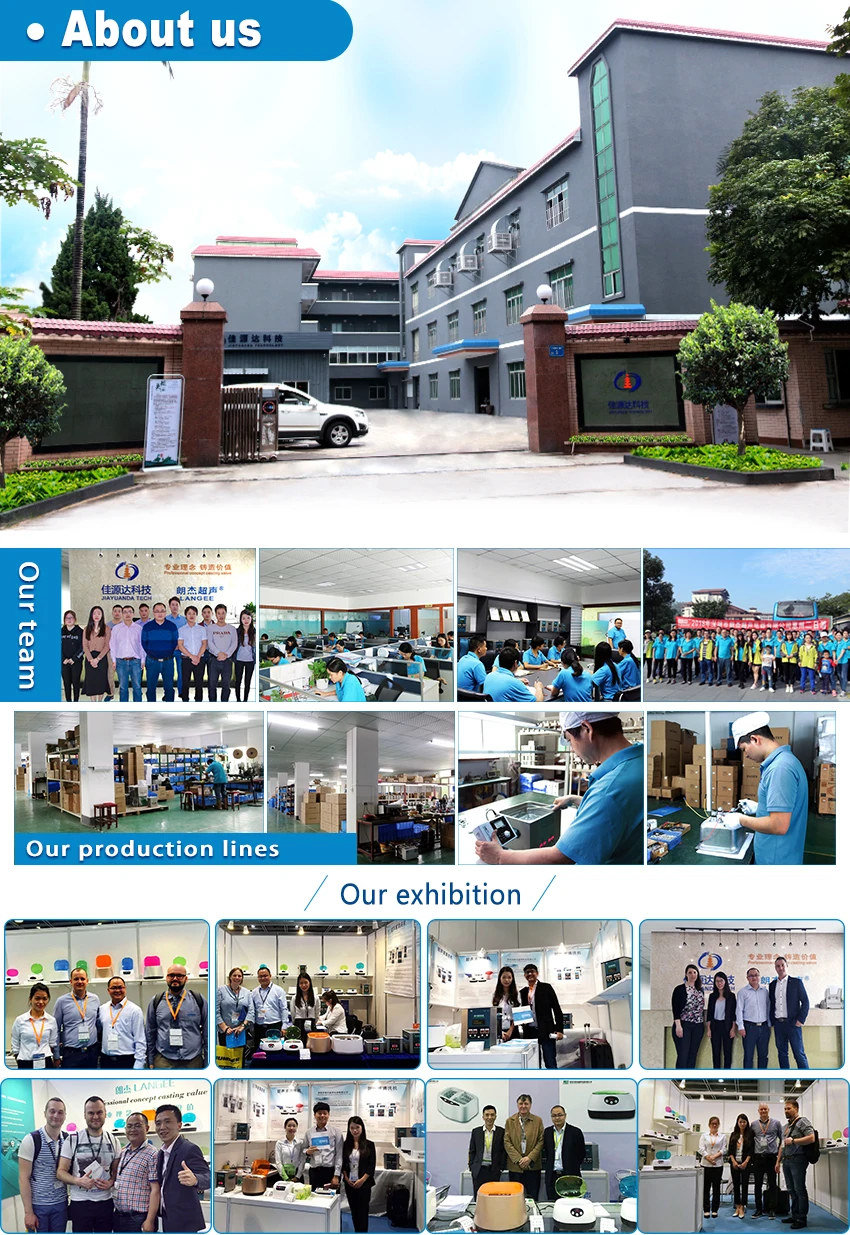
Shenzhen Jiayuanda Technology Co., Ltd.
- Manufacturer, Trading Company
- Guangdong, China
- Lead time7 days
- Avg. response≤ 3h
Main productsUltrasonic Lace Sewing Machine, Ultrasonic Food Cutting Machine, Ultrasonic Generator, Industrial Ultrasonic Cleaners, Ultrasonic Plastic Welding Machine
Main marketsSoutheast Asia(30.00%), Western Europe(25.00%), North America(20.00%), Mid East(10.00%), Southern Europe(3.00%), South America(2.00%), Oceania(2.00%), Eastern Asia(2.00%), Central America(2.00%), Northern Europe(2.00%), Eastern Europe(2.00%)
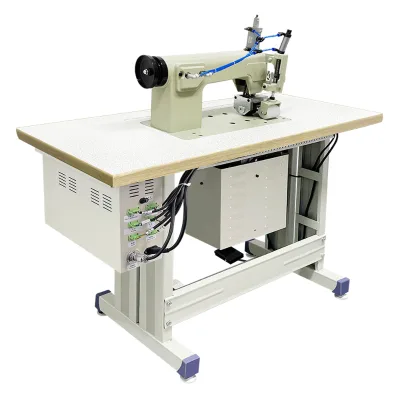
Top Quality Ultrasonic Sewing Machine Ultrasonic Surgical Gown Making Machine
$1300.00 - $1500.00
MOQ: 1
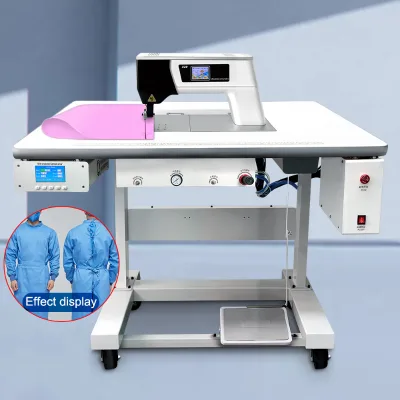
Good Quality Ultrasonic Fabric Machine Nonwoven Ultrasonic Lace Sewing Machine
$5612.5656 - $6121.7786
MOQ: 1 pieces
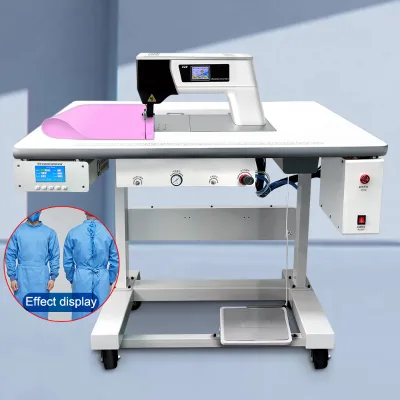
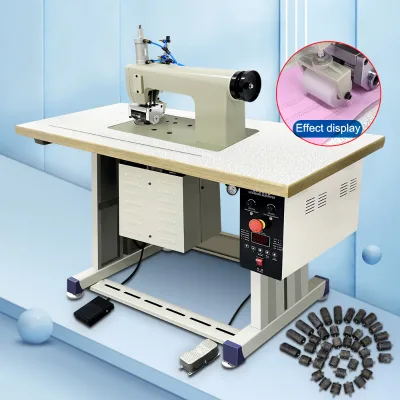
Wholesale Price 20khz 2600W Digital Ultrasonic Table Cloth Sewing Machine Ultrasonic Lace Machine
$1000.00 - $1500.00
MOQ: 1
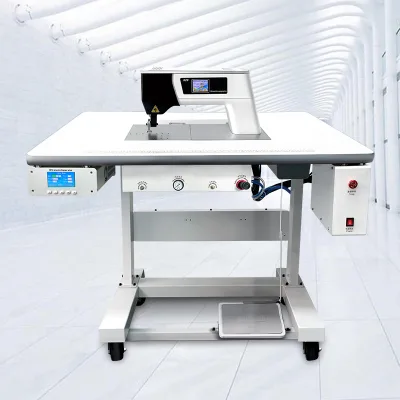
Ultra Sonic Sewing Machine Non Woven Fabric Sealing Machine
$5500.00 - $5999.00
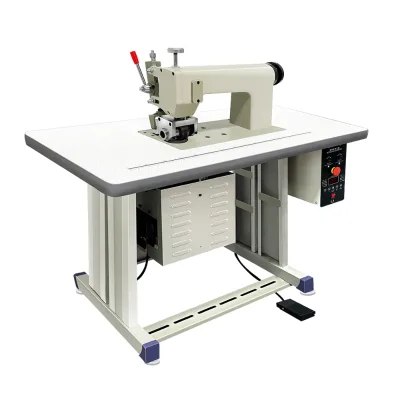

Changzhou Wujin Dongnan Machinery & Electrical Appliance Co., Ltd.
- Manufacturer, Trading Company
- Jiangsu, China
- Lead time7 days
- Avg. response≤ 2h
Main productsUltrasonic Lace Sewing Machine,Ultrasonic Quilting Machine,Ultrasonic Sealing Machine,Hot Air Seam Sealing Machine,Hot Air Plastic Welding Machine
Main marketsMid East(15.00%), Domestic Market(15.00%), South America(12.00%), Central America(10.00%), South Asia(10.00%), Eastern Europe(8.00%), Southeast Asia(8.00%), Africa(5.00%), North America(5.00%), Oceania(5.00%), Southern Europe(2.00%), Eastern Asia(2.00%), Northern Europe(2.00%), Western Europe(1.00%)
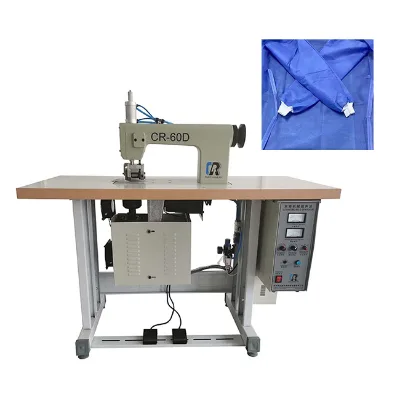
China Manufacturer Customized Ultrasonic Sewing Machine for Pvc
$1179.00 - $1281.00
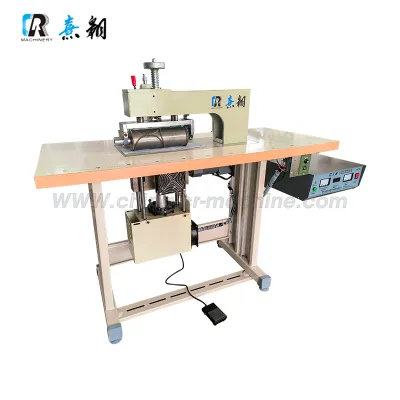
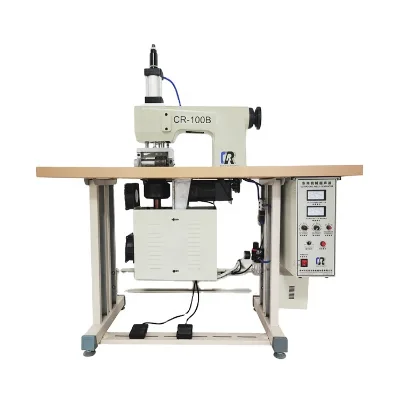
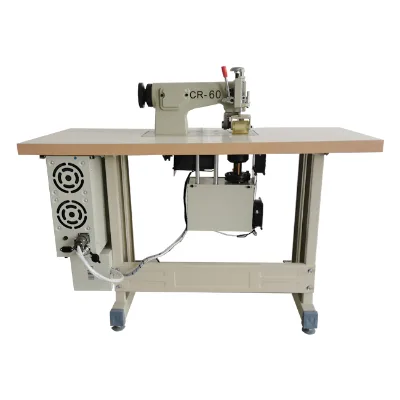
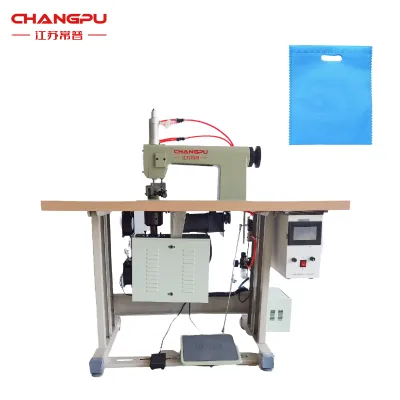
Factory 220V 50-60HZ Ultrasonic Sewing Machine (ce) Sealing for Non-woven Shopping Bag Filter
$1210.5557 - $1315.2862
MOQ: 1 sets
Changzhou Shiding Machinery Co., Ltd.
- Verified by TüVRheinland
- Manufacturer, Trading Company
- Lead time45 days
- Avg. response≤ 16h
Main productsPleating Machine, Ultrasonic Quilting Machine, Ultrasonic Cutting Machine, Ultrasonic Sewing Machine, Nonwoven Products Making Machine
Main marketsDomestic Market(30%), South America(10%), Mid East(10%)
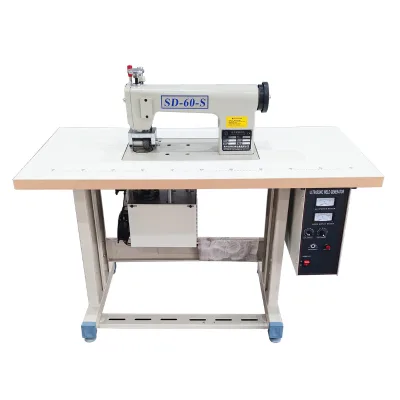
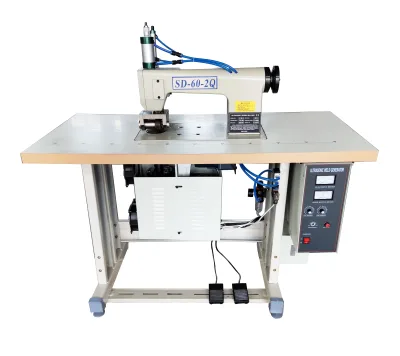
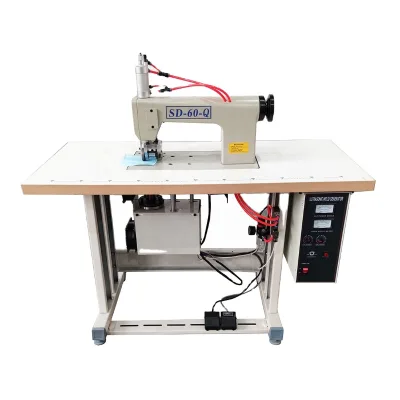
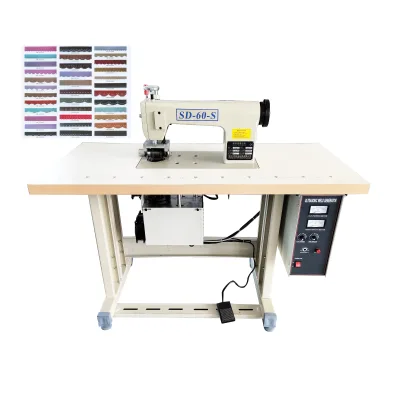
Ultrasonic Sewing Machine for Nonwoven Surgical Gown Medical Cloth SD-60-Q/2Q
$664.2075 - $817.4862
MOQ: 1 Minimum

Wuxi Zhongyin Textile Tech. Co., Ltd.
- Trading Company
- China Jiangsu
- Lead time45 days
- Avg. response≤ 10h
Main productsWarping Machine, Warp Knitting Machine, Warping Machinery Spare Parts, Spare Parts of Warp Knitting Machine, Other Textile Machinery Spare Parts, Second-Hand Textile Machinery
Main marketsSouth America,Africa,Others(foreignTradeCapacity.exportBusinessCapacityMarketOther),Europe,North America

Shanghai Hongjin Ultrasonic Electronic Equipment Factory
- Manufacturer
- Shanghai, China
- Lead time7 days
- Avg. response≤ 3h
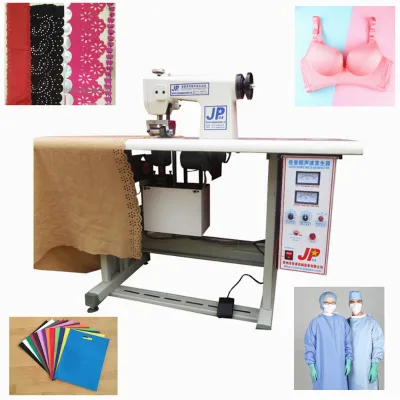
Main productsPlastic Welding Machine,Geocell Production Line,Ultrasonic Sewing Machine,Ultrasonic Metal Welder,Geogrid Welding Machine
Main marketsSouth Asia(15.00%), South America(15.00%), North America(15.00%), Southeast Asia(12.00%), Western Europe(10.00%), Eastern Europe(8.00%), Southern Europe(8.00%), Mid East(8.00%), Oceania(3.00%), Eastern Asia(3.00%), Northern Europe(3.00%)






Comprehensive Sourcing Guide
Automatic 35kHz Ultrasonic Sewing Machine Supplier Concentration and Factory Types
The current supplier landscape for automatic 35khz ultrasonic sewing machines reveals a distinct geographic concentration in China, with specific manufacturing hubs identified in Zhejiang and Jiangsu provinces. These regions serve as primary centers for the production of ultrasonic equipment, including transducers, homogenizers, and specialized sewing machinery. Suppliers located in Zhejiang often operate as combined entities, blending manufacturing capabilities with trading functions, which allows them to offer a diverse range of products such as ultrasonic food cutters, coating machines, and nonwoven sewing equipment. This dual nature can provide buyers with broader product access, though it requires careful distinction between pure manufacturing capacity and trading intermediary services. The presence of these combined companies suggests a mature industrial ecosystem where supply chain integration is common, facilitating the production of complex ultrasonic systems that require precise component alignment and specialized engineering knowledge.
In contrast, suppliers based in Jiangsu province are frequently identified as dedicated manufacturers, focusing intensely on specific machinery lines such as mask machines, cap machines, and lace sewing machines. These entities often emphasize their role as original equipment manufacturers, providing direct access to production facilities and potentially offering more streamlined communication regarding technical specifications and customization. The distinction between combined companies and pure manufacturers is critical for buyers assessing their sourcing strategy. Pure manufacturers may offer greater transparency into production processes and quality control measures, while combined companies might provide more flexible ordering options and a wider variety of related industrial equipment. Understanding this structural difference helps buyers align their procurement goals with the appropriate supplier type, whether they prioritize direct factory engagement or broader product availability and logistical flexibility.
How to Verify Automatic 35kHz Ultrasonic Sewing Machine Suppliers
Verification of suppliers requires a multi-layered approach that examines both corporate credentials and product-specific evidence. Buyers should prioritize suppliers who have undergone third-party verification processes, such as those conducted by TÜV Rheinland, which adds a layer of credibility to the supplier’s operational claims. Additionally, checking for system certifications like CE is essential, as it indicates compliance with European safety and quality standards, which is often a baseline requirement for industrial machinery exported globally. The presence of CE certification on product listings serves as a tangible indicator of regulatory adherence, though buyers should verify that the certification applies to the specific model being purchased. This verification step is crucial for ensuring that the machinery meets international safety norms, reducing the risk of non-compliance issues during customs clearance or installation.
Beyond certifications, buyers must scrutinize the technical details provided in product listings to assess the supplier’s engineering competence. Key attributes such as frequency, power, and drive type offer insights into the machine’s capabilities and suitability for specific applications. For instance, a 35kHz frequency is standard for many ultrasonic sewing applications, but the power output, ranging from 800W to 1000W in observed listings, dictates the machine’s performance on different material thicknesses. Buyers should also look for evidence of machinery test reports and warranty terms, which signal a supplier’s confidence in their product’s reliability. The availability of after-sales service provisions, such as overseas engineer support, is another critical verification point that distinguishes serious manufacturers from mere traders. By cross-referencing these technical and service-related details, buyers can build a comprehensive profile of each supplier’s reliability and technical expertise.
What to Compare Across Automatic 35kHz Ultrasonic Sewing Machine Suppliers
When evaluating multiple suppliers, buyers should compare key operational metrics such as lead times, minimum order quantities, and response speeds to determine which partner best fits their production schedule and budget. Lead times can vary significantly, with some suppliers offering a standard 15-day turnaround, which is a useful benchmark for planning production cycles. Minimum order quantities also differ, with some suppliers accepting orders as low as one unit, providing flexibility for small-scale testing or niche production runs. Response times, measured in hours, indicate the supplier’s responsiveness and customer service efficiency; a response time of under four hours suggests a highly responsive support team, which is valuable for resolving technical queries or order issues quickly. These metrics collectively influence the total cost of ownership and the agility of the supply chain.
Price ranges and product specifications are equally important factors in the comparison process. Prices for automatic 35khz ultrasonic sewing machines can range from approximately $1,500 to $6,500, depending on the model’s complexity, features, and included accessories. Buyers should analyze the price-to-feature ratio, considering aspects like drive type, automation level, and included components such as digital generators or specific horn materials. Additionally, comparing the main products offered by each supplier can reveal their specialization and depth of expertise. Suppliers focusing on a narrow range of ultrasonic sewing machines may offer more advanced features and better support for those specific models compared to those offering a broader, less specialized product line. This detailed comparison ensures that buyers select a supplier that offers the best value and technical fit for their specific manufacturing needs.
Common Automatic 35kHz Ultrasonic Sewing Machine Sourcing Risks
One significant risk in sourcing automatic 35khz ultrasonic sewing machines is the potential mismatch between advertised specifications and actual machine performance. Buyers must be cautious of discrepancies in key attributes such as frequency, power, and applicable material thickness. For example, a machine advertised for middle thickness materials may struggle with thin materials if the frequency and power settings are not optimized. This risk is compounded by the lack of standardized testing protocols across different suppliers, making it difficult to compare performance directly. Buyers should request detailed technical documentation and, if possible, video demonstrations or sample testing results to verify that the machine meets their specific production requirements. Failing to do so can lead to costly downtime and inefficiencies in the manufacturing process.
Another risk involves the reliability of after-sales support and spare parts availability. Ultrasonic sewing machines require regular maintenance and occasional replacement of components such as horns, converters, and generators. Suppliers who do not explicitly state their after-sales service provisions or spare parts inventory pose a risk of prolonged machine downtime in case of failure. Buyers should verify the availability of replacement parts and the supplier’s commitment to providing technical support, including overseas service options. Additionally, the risk of intellectual property infringement or quality control issues is present, particularly when dealing with combined companies that may source components from various suppliers. Ensuring that the supplier has robust quality control measures and clear intellectual property policies is essential to mitigate these risks and protect the buyer’s investment.
Automatic 35kHz Ultrasonic Sewing Machine Regional Sourcing and Logistics
Sourcing from China, particularly from Zhejiang and Jiangsu provinces, offers logistical advantages due to the region’s well-developed manufacturing infrastructure and export capabilities. Suppliers in these areas are accustomed to international shipping requirements and can often provide comprehensive packaging solutions, such as wooden cases or containers, to protect machinery during transit. The proximity to major ports facilitates efficient export logistics, reducing shipping times and costs for buyers worldwide. However, buyers must also consider the complexities of international shipping, including customs clearance, import duties, and local regulations. Understanding the specific shipping terms offered by suppliers, such as FOB or CIF, is crucial for accurately calculating the total landed cost of the machinery.
Logistical planning should also account for the installation and commissioning of the Automatic 35kHz Ultrasonic Sewing Machine. Suppliers that offer overseas engineer support can significantly simplify this process, ensuring that the machine is installed correctly and operates efficiently from the start. Buyers should verify the availability and cost of such services, as well as the supplier’s ability to provide remote troubleshooting support. Additionally, the packaging details provided by suppliers, such as dimensions and weight, are essential for planning warehouse storage and handling equipment. By carefully evaluating these logistical factors, buyers can ensure a smooth transition from order placement to operational deployment, minimizing disruptions to their manufacturing operations.
Automatic 35kHz Ultrasonic Sewing Machine Commercial Terms and Order Planning
Commercial terms and order planning are critical components of a successful sourcing strategy for automatic 35khz ultrasonic sewing machines. Buyers should negotiate clear payment terms, such as escrow services or letters of credit, to protect their financial interests until the machinery is delivered and verified. Understanding the supplier’s warranty policies is also essential, as warranties typically cover defects in materials and workmanship for a specified period, such as one year. Buyers should clarify the scope of the warranty, including what components are covered and the process for claiming repairs or replacements. Additionally, negotiating delivery terms and penalties for delays can help mitigate the risk of production disruptions caused by late shipments.
Order planning should also consider the supplier’s production capacity and lead times to ensure timely delivery. Suppliers with a stated supply ability, such as 100 sets per month, can provide insight into their capacity to handle large orders. Buyers should align their order quantities with the supplier’s production schedule to avoid delays, especially during peak seasons. Furthermore, buyers should plan for the integration of the new machinery into their existing production lines, considering factors such as power requirements, space constraints, and operator training. By carefully managing these commercial and logistical aspects, buyers can optimize their procurement process and ensure a seamless integration of the Automatic 35kHz Ultrasonic Sewing Machine into their manufacturing operations.
FAQs
What is the price range for 35kHz ultrasonic sewing machines?
Prices for 35kHz ultrasonic sewing machines typically range from $2,500 to $6,500. Some entry-level models are available starting at $1,500. The final cost depends on specific features, power output, and automation level. Buyers should verify exact pricing with suppliers based on their required specifications and order volume.
What is the minimum order quantity for these machines?
The minimum order quantity is generally one unit. This allows buyers to test the equipment before committing to larger orders. Most suppliers accept single-unit purchases for both standard and customized configurations. This low MOQ reduces initial risk for new buyers evaluating ultrasonic sewing technology for their production lines.
How long does delivery usually take?
Standard lead times are approximately 15 days. This timeframe covers manufacturing, quality testing, and packaging preparation. Expedited shipping options may be available for urgent orders. Buyers should confirm specific delivery schedules with suppliers, as lead times can vary based on current production capacity and customization requirements.
What certifications do these machines have?
Most 35kHz ultrasonic sewing machines carry CE certification. This indicates compliance with European safety and quality standards. Some suppliers also provide machinery test reports. Buyers should request valid certification documents to ensure the equipment meets local regulatory requirements and safety protocols for industrial use.
Where are these machines manufactured?
These machines are primarily manufactured in China, specifically in Zhejiang and Jiangsu provinces. These regions are known for their advanced machinery production capabilities. Buyers can verify specific factory locations to assess logistics costs and supply chain reliability. Proximity to manufacturing hubs often supports faster response times and easier communication.
What power frequencies are available?
Available frequencies include 20kHz and 35kHz. The 35kHz frequency is ideal for finer stitching and delicate materials. The 20kHz option is suitable for thicker fabrics and higher power applications. Buyers should select the frequency based on their specific material thickness and desired seam quality for optimal performance.