CE RoHS Air Plasma Cutter Suppliers and Manufacturers
Compare 24 verified suppliers offering CE RoHS Air Plasma Cutter units with CE certification and SGS verification. Review response times, lead times, and customization options to select a factory that meets your production needs; review the available evidence before requesting comparable quotations from suitable candidates.
Updated
Suppliers List
Shandong Jiaxin Machinery Equipment Co., Ltd.
- Verified by SGS Group
- Manufacturer, Trading Company
- Lead time0 days
- Avg. response≤ 2h
Main productsLaser Cutting Machine, Laser Cleaning Machine, Industrial Robot, Bending Machine, Plasma Cutting Machine
Main marketsSouth America(24%), Oceania(23%), Southeast Asia(19%)

SHANGHAI CHD WELDING & CUTTING EQUIPMENT CO., LTD.
- Verified by SGS
- Combined
- China Shanghai
- Lead time30 days
- Avg. response≤ 9h
Main productsCNC Cutting Machine, Plasma Cutting Machine, Gas Cutting Machine, Pipe Cutting Machine, H-Beam Cutting Machine, Welding Machine, Flame Cutting Machine, MIG Welding Machine, TIG Welding Machine, MMA Welder
Main marketsSouth America,Africa,Southeast Asia/ Mideast,East Asia(Japan/ South Korea),Europe,Australia,North America

Jiangsu Aolong Electric Technology Co., Ltd.
- Verified by BV
- Manufacturer/Factory
- China Jiangsu
- Lead time30 days
- Avg. response≤ 1h
Main productsWelding Machine, Plasma Cutting Machine, MIG/Mag Gas Shielded Welder, TIG Argon Arc Welder, MMA Manual Metal-Arc Welder, Stud Welding Machine, Saw Submerged Arc Welder, Welding Robot, Portable Welder, Industrial Welder
Main marketsSouth America,Eastern Europe,North America,Southeast Asia,Western Europe

SHANDONG IGOLDEN CNC TECHNOLOGY CO., LTD.
- Verified by SGS
- Combined
- China Shandong
- Lead time30 days
- Avg. response≤ 2h
Main productsCNC Router, Woodworking Machinery, Plasma Cutting Machine, Laser Cutting Machine, Laser Engraving Machine, Laser Marking Machine, Stone Carving Machine, 4 Axis CNC Router, 5 Axis CNC Router
Main marketsSouth America,Europe
Taizhou Retop Mechanical & Electrical Co., Ltd.
- Verified by TüVRheinland
- Manufacturer, Trading Company
- Lead time30 days
- Avg. response≤ 2h
Main productsWelding Machine, Cutting Machine, Battery Charger, Air Compressor, Water Pump
Main marketsSouth America(21%), Eastern Europe(16%), South Asia(16%)
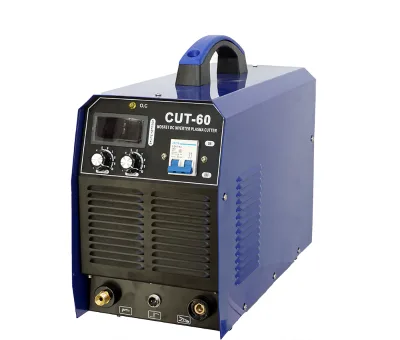
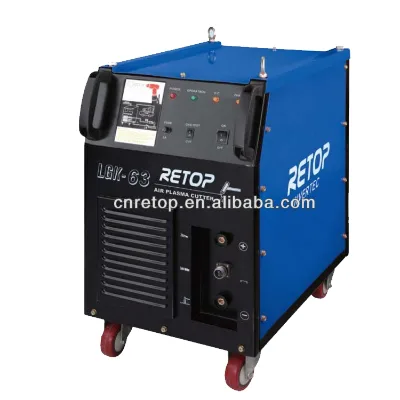
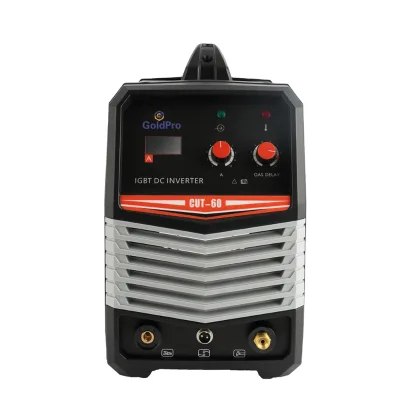
Metal Cutting Machine Air Plasma Cutter Cut 60 Plasma
$168.00 - $199.00
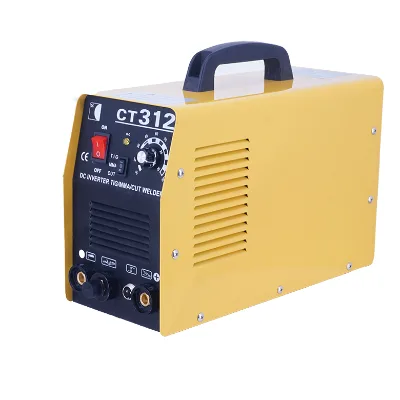
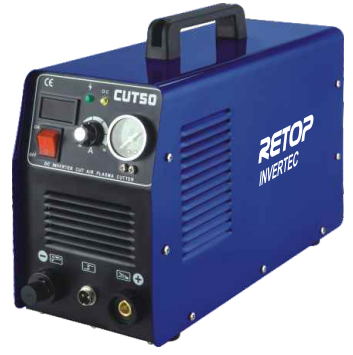
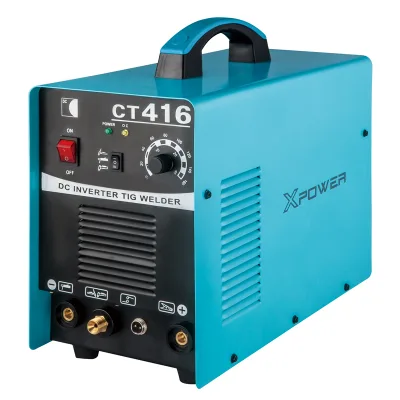
Cut Plasma 4 in 1 Welder Plasma Cutter Cutting Machine Price
$140.00 - $150.00

Zhejiang Zelda Tools Co., Ltd.
- Verified by SGS
- Manufacturer/Factory
- China Zhejiang
- Lead time45 days
- Avg. response≤ 3h
Main productsWelding Machine, Welding Products, Welding Generators, Welding Accessories, Air Plasma Cutters, Stud Welder, CNC Cutting Machine, Spot Welder, Laser Welding Machine, Welding Helmets
Main marketsSouth America,Eastern Europe,Mid East,North America,Southeast Asia,Eastern Asia,Oceania,Western Europe,Africa

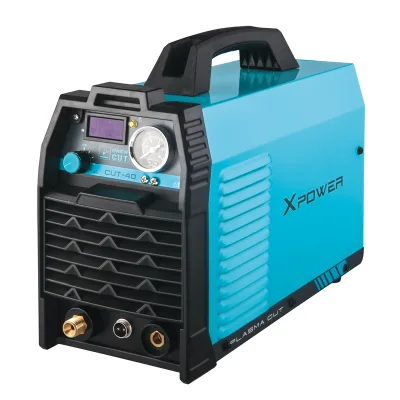
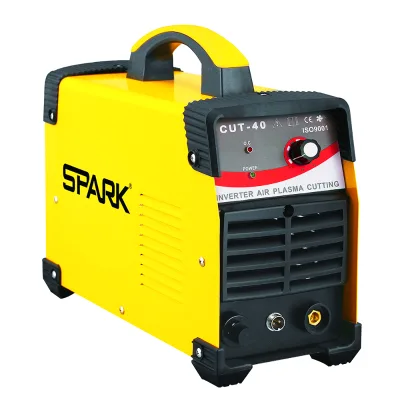
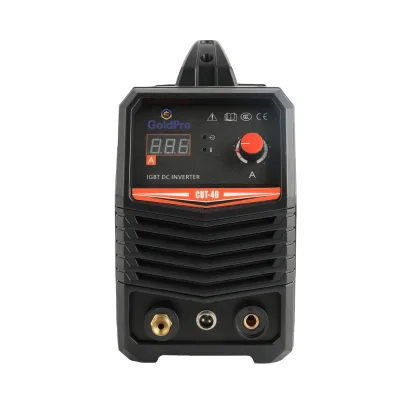
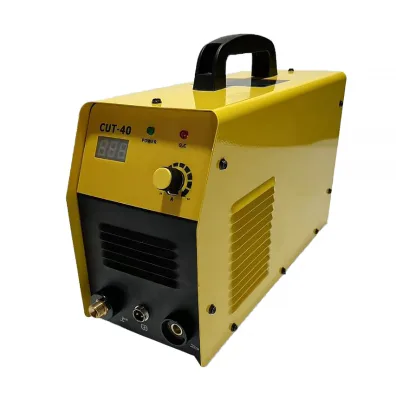
Portable Cut 40 Cortadora De Plasma Cutting Machine 220V Air Plasma Cutter
$91.00 - $105.00
MOQ: 1 Pieces

Portable Air Plasma Cutter for Stainless-Steel Copper up to 12mm Plasma Welder
$91.00 - $105.00
MOQ: 1 Pieces

200A Plasma Cutter Machine Industrial Air Cutter for Steel Materials for Plasma Cutting
$1280.00 - $1408.00
MOQ: 1 Pieces


Portable Air Plasma Cutter for Stainless Steel Aluminum 12mm New Condition 220V
$91.00 - $105.00
MOQ: 1 Pieces

Industrial Air Plasma Cutter Cut-200 with 37kVA Input Power Cutting Equipment
$1280.00 - $1400.00
MOQ: 1 Pieces
Foshan Hanzu Technologies Co., Ltd.
- Manufacturer, Agent, Association
- Guangdong, China
- Lead time30 days
- Avg. response≤ 2h
Main productswelding machine,plasma cutting machine,welding accessories,welding helmets,gas regulators
Main marketsWestern Europe(35.00%), Eastern Europe(22.00%), Southern Europe(14.00%), Northern Europe(13.00%), South America(12.00%), Southeast Asia(4.00%)
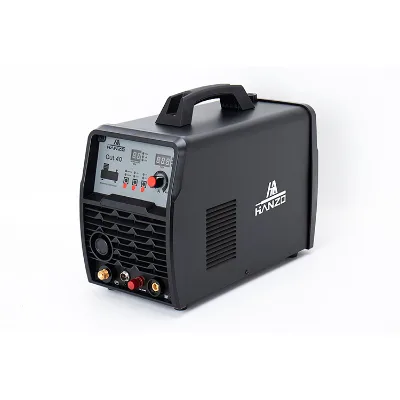
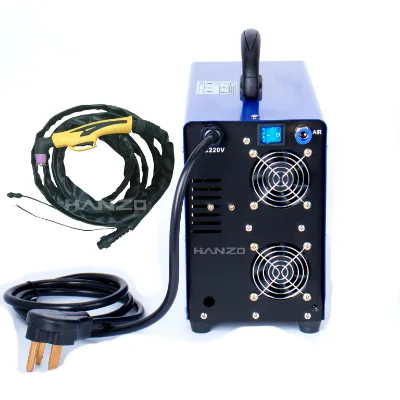
Portable CNC Plasma Cutters 40-45 Amp Pilot Arc Air Cutting Machine Welders
$179.00 - $229.00
MOQ: 1 pieces
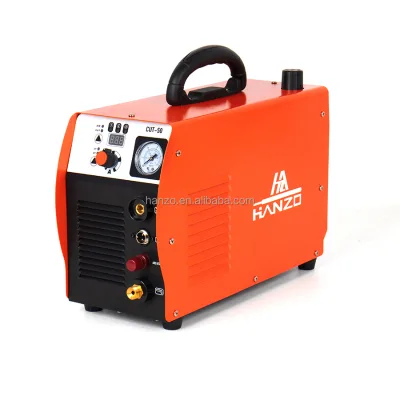

Zhejiang Lingba Welding Equipment Co., Ltd
- Verified by BV
- Manufacturer/Factory
- China Zhejiang
- Lead time23 days
- Avg. response≤ 4h
Main productsWelding Machine Arc TIG MIG MMA IGBT, Inverter Mmawelding Machine Dual Voltage Welding, Arc Welding Machine MIG Welding Machine, TIG Welding Machine Plasma Cutting Machine, Welding Equipment Welding Machine Manufacture, Dual Voltage Welding Machine 110V/220V MMA Weldi, Inverter MMA Welding Machineigbt Welding Machine, 120AMP 140AMP 160AMP 180AMP 200AMP Welding Machi, Battery Charger Welding Generatorsynergy Welding, Spawarka Maquina De Solda Maquina De Soldarapara
Main marketsSouth America,Eastern Europe,North America,Southeast Asia,Eastern Asia,Oceania,Western Europe,Africa
Linyi Polaris International Trade Co., Ltd.
- Verified by TüVRheinland
- Trading Company
- Lead time7 days
- Avg. response≤ 4h
Main productsMIG Welding Machine, Other Arc Welders, Plasma Cutting Machine, TIG Welding Machine, MMA Welding Machine
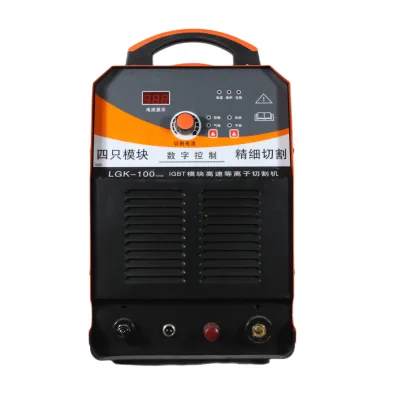
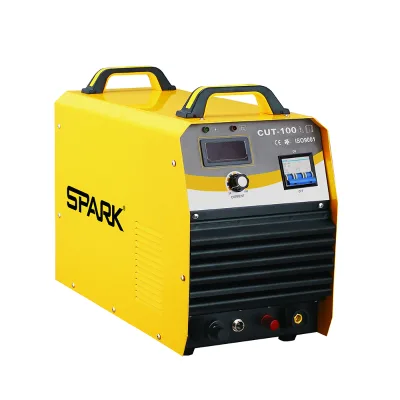
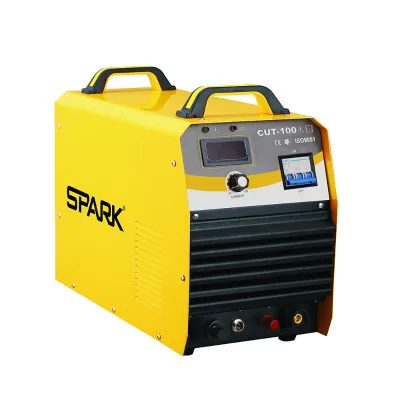
CUT-100 Plasma Cutting Machine 380V LCD Display Non-HF Pilot Arc Contacting Cutting Plasma Cutter
$287.80 - $332.90
MOQ: 1 sets
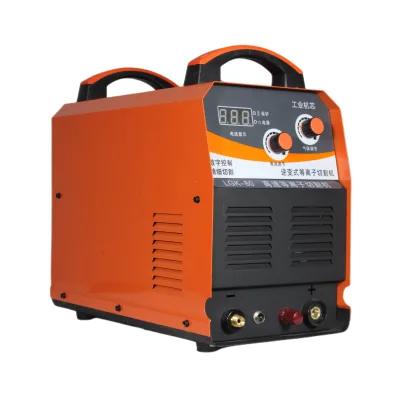
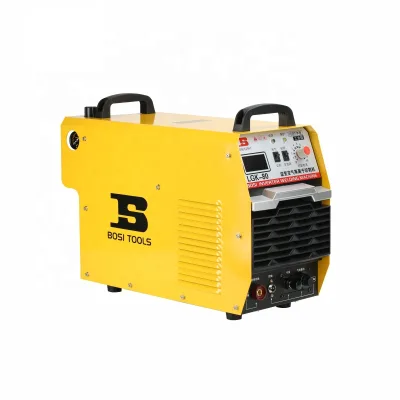
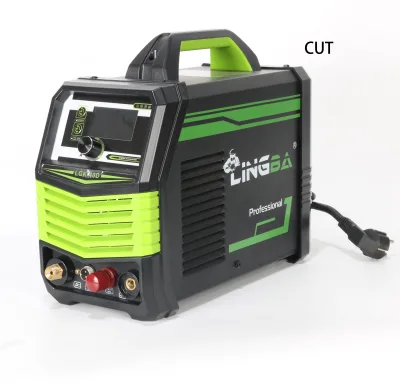
LGK- 80 Portable Cutter Manual Plasma Cutter Cut 80 Cortadora De Plasma Plasma Cutting Equipment
$180.00 - $200.00
MOQ: 1 sets
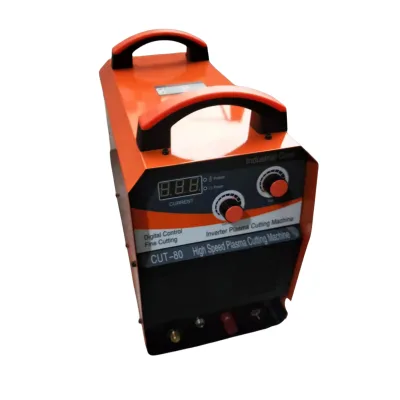
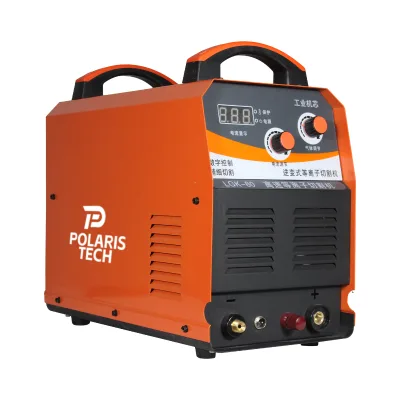
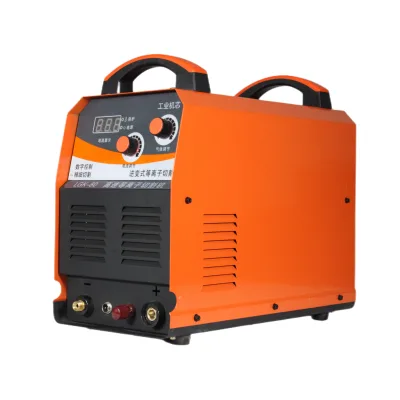
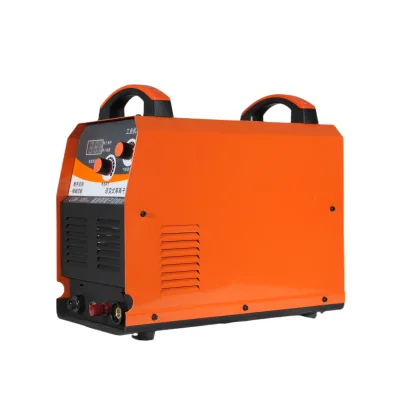
Hot Selling Plasma Iron Cutter IGBT Plasma Cutter with Compressor Lgk 80 Plasma Cutter
$180.00 - $200.00
MOQ: 1 sets

Nanjing Auto Electric Co., Ltd.
- Verified by TUVRHEINLAND
- Manufacturer/Factory
- China Jiangsu
- Lead time120 days
- Avg. response≤ 5h
Main productsPipe Spool Fabrication Solution, Pipe Cutting and Beveling All-in-One Machine, High Speed Band Saw Cutting Machine, Automatic Pipe Welding Machine, Sub-Arc Girth Welding Machine, Automatic Electric-Gas Vertical Welding Machine, Plate Cutting and Milling Machine, CNC Pipe End Beveling Machine, Multi-Function Pipe Fitting-up Station, Automatic Elbow Welding Machine
Main marketsSouth America,Eastern Europe,Mid East,North America,Southeast Asia,Eastern Asia,Oceania,Western Europe,Africa
Hebei Juliang Technology Co., Ltd.
- Verified by TüVRheinland
- Manufacturer, Trading Company
- Lead time10 days
- Avg. response≤ 1h
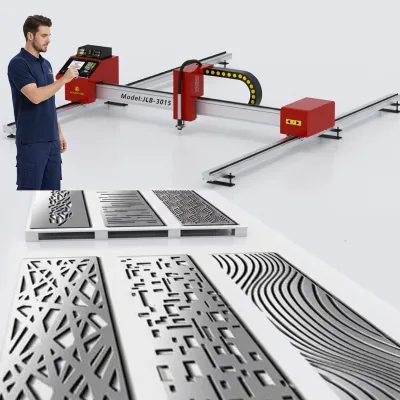
Main productsPortable CNC Cutting Machine, Gantry Type CNC Cutting Machine, Laser Welding Machine, Laser Cutting Machine
Main marketsAfrica(23%), Southeast Asia(18%), Eastern Asia(15%)
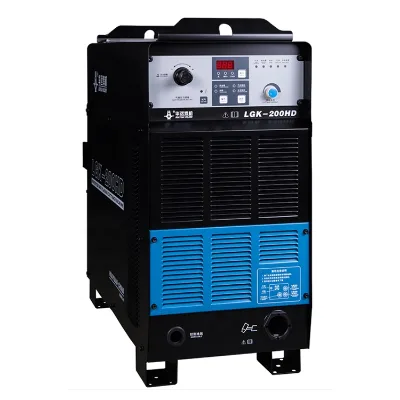
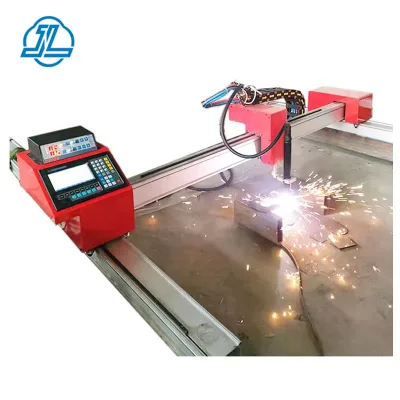
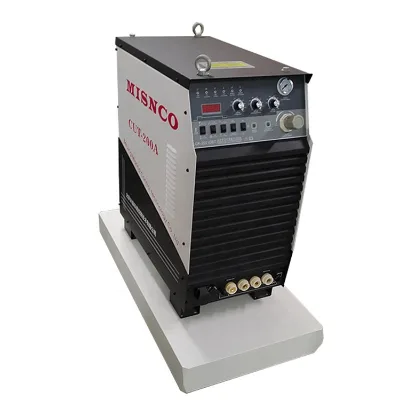
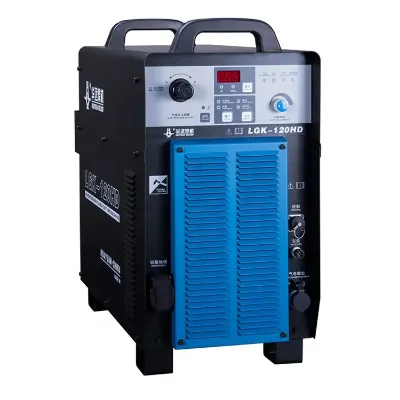
Industrial Portable Plasma Cutter 200A for Metal Steel Cutting with Dua CNC Compatibility
$1573.9251 - $1584.1787
MOQ: 1 sets
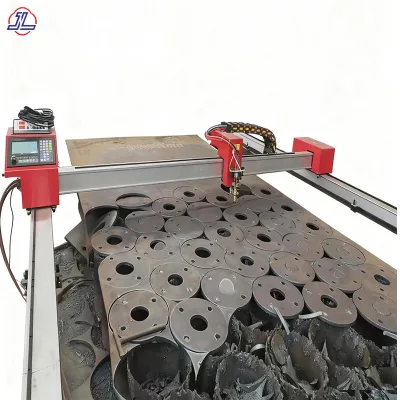
$899.00 - $989.00
MOQ: 1 sets
Ningbo Shiji Bosi Tools Co., Ltd.
- Manufacturer
- Zhejiang, China
- Lead time10 days
- Avg. response≤ 9h
Main productsHand Tools,Power Tools
Main marketsDomestic Market(80.00%), Southeast Asia(10.00%), Mid East(10.00%)
Taizhou Genteck Electric Co., Ltd.
- Verified by Intertek
- Manufacturer, Trading Company
- Lead time30 days
- Avg. response≤ 4h
Main productsElectric Welding Machine, Car Charger
Main marketsEastern Europe(20%), Southeast Asia(20%), South America(18%)
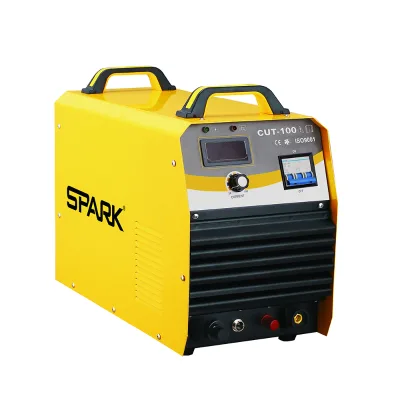
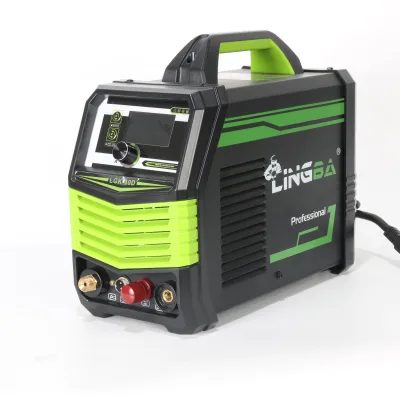
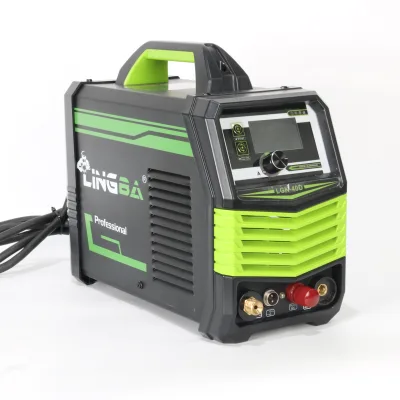
High Quality Spark Lgk100 Cut 70 air Plasma Cutter Cutting Machine Plasma Prices
$300.8606 - $342.3581
MOQ: 10 pieces
Zhejiang Lingba Welding Equipment Co Ltd
- Manufacturer
- Zhejiang, China
- Lead time30 days
- Avg. response≤ 3h
Main productsWelding Machine
Main marketsSoutheast Asia(30.00%), Eastern Europe(30.00%), Mid East(23.00%), South Asia(17.00%)

Costar Technology Co., Limited
- Trading Company
- Hong Kong S.A.R.
- Lead time35 days
- Avg. response≤ 5h
Main productsMMA Welder,MIG Welder,TIG Welder,Air Plasma Cutter,Welding Accessories
Main marketsSoutheast Asia(20.00%), Mid East(20.00%), Eastern Asia(20.00%), South Asia(20.00%), Eastern Europe(10.00%), Northern Europe(10.00%)
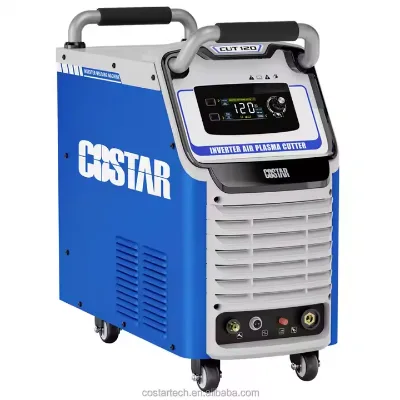
$392.8466 - $410.9781
MOQ: 20 pieces
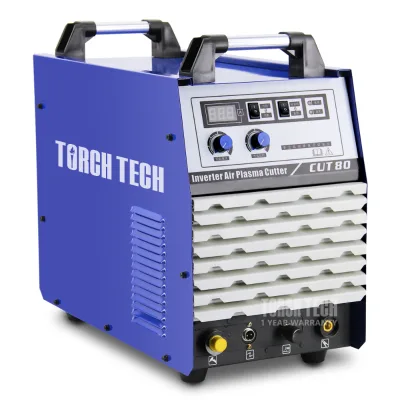
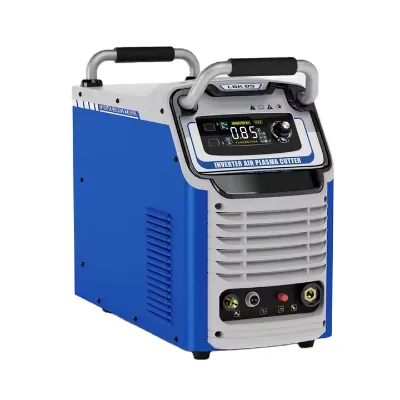
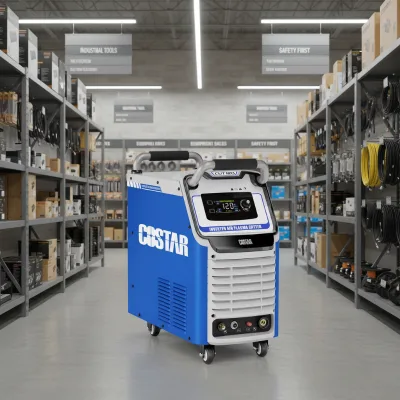
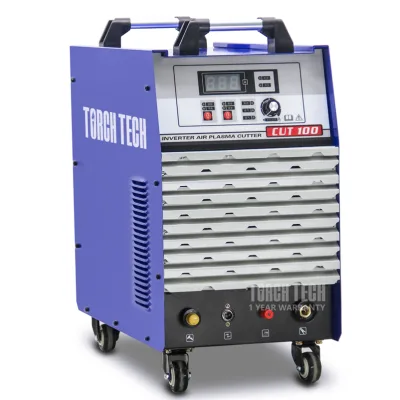
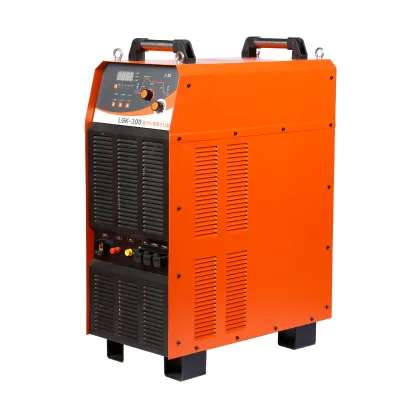
$1459.7011 - $1650.2451
MOQ: 2 pieces

- Verified by TUVRHEINLAND
- Trading Company
- China Jiangsu
- Lead time30 days
- Avg. response≤ 7h
Main productsLaser Cleaning/Welding Machine, Paywelder/Pipelayer, Pipe Welding Machine, Tank Hydraulic Jacking System, Tank Welding Machine, Pipe Cutting Machine, Rolling Machine and Rotators, Arc Welding Machine, Pipe Beveling Machine, Seam Welding Machine
Main marketsSouth America,Africa,Southeast Asia/ Mideast,East Asia(Japan/ South Korea),Europe,Australia,North America
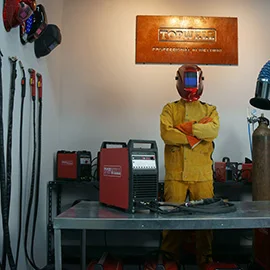
Hangzhou Topwell Technology Co., Ltd.
- Trading Company
- Zhejiang, China
- Lead time30 days
- Avg. response≤ 6h
Main productsWelding Machine,Plasma Cutter,Welding Machine Accessories,CNC Plasma
Main marketsNorth America(24.00%), Oceania(17.00%), South Asia(13.00%), South America(11.00%), Eastern Europe(8.00%), Southeast Asia(7.00%), Eastern Asia(5.00%), Western Europe(4.00%), Southern Europe(4.00%), Africa(3.00%), Northern Europe(3.00%), Mid East(1.00%)
Shandong Hongniu Laser Equipment Co., Ltd.
- Verified by TüVRheinland
- Manufacturer, Trading Company
- Lead time15 days
- Avg. response≤ 2h
Main productsFiber Laser Cutting Machine, Fiber Laser Welding Machine, Fiber Laser Cleaning Machine, Plasma Cutting Machine
Main marketsSoutheast Asia(35%), North America(18%), Africa(15%)

Shandong Jiaxin Machinery Equipment Co., Ltd.
- Verified by BV
- Combined
- China Shandong
- Lead time15 days
- Avg. response≤ 6h
Main productsCNC Laser Cutting Machine CNC Plasma Cutter
Main marketsSouth America,Africa,Southeast Asia/ Mideast,East Asia(Japan/ South Korea),Domestic,Europe,Australia,North America

Xuzhou Plus International Trade Co., Ltd.
- Verified by TUVRHEINLAND
- Trading Company
- China Jiangsu
- Lead time15 days
- Avg. response≤ 3h
Main productsFiber Laser Welding Machine, Heavy Duty Gantry CNC Cutting Machine, Light Gantry CNC Cutting Machine, Table Plasma Cutting Machine, Portable-Gantry CNC Cutting Machine, Portable CNC Cutting Machine, Plasma Cutter, Flame Cuttting Machine, Plasma Cutter Consumables, Laser Cutting Machine
Main marketsSouth America,Eastern Europe,Mid East,North America,Southeast Asia,Eastern Asia,Oceania,Western Europe,Africa


200A Digital Display Stainless Steel Mild Steel Aluminum Plasma Cutter with Water Spray Function
$499.00 - $6999.00
MOQ: 1 Sets


Mechanical Air Plasma Cutter 105 125 151 160 200 300 400 AMPS for CNC and Robotic
$499.00 - $6999.00
MOQ: 1 Sets

Anhui Aoxuan Heavy Industry Machine Co., Ltd.
- Manufacturer/Factory
- China Anhui
- Lead time23 days
- Avg. response≤ 2h
Main productsPress Brake, Hydraulic Shearing Machine, Laser Cutting Machine, Power Press Machine, Hydraulic Press Machine, Iron Worker
Main marketsSouth America,Eastern Europe,Mid East,North America,Southeast Asia,Eastern Asia,Oceania,Western Europe,Africa
Yongkang Dancy Machine Co., Limited
- Verified by TüVRheinland
- Trading Company
- Lead time30 days
- Avg. response≤ 4h
Main productsWelding Machine, Plasma Cutter, MMA Welder, Generator Welder, MIG Welding Equipment
Main marketsNorth America(34%), South America(30%), Eastern Europe(10%)

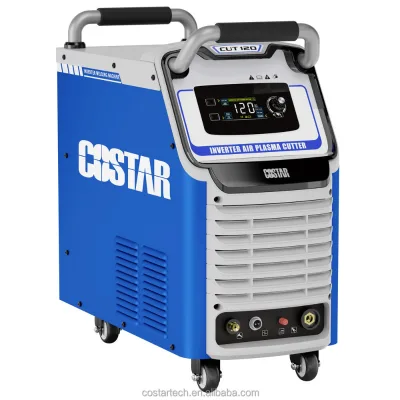
Shenzhen Costar Technology Co., Ltd.
- Manufacturer, Trading Company, Distributor/Wholesaler
- Guangdong, China
- Lead time25 days
- Avg. response≤ 5h
Main productsMMA WELDER,TIG WELDER,MIG WELDER,AIR PLASMA CUTTER,ARC WELDER
Main marketsSoutheast Asia(30.00%), North America(15.00%), Western Europe(15.00%), Mid East(15.00%), Eastern Europe(10.00%), South America(10.00%), Domestic Market(5.00%)
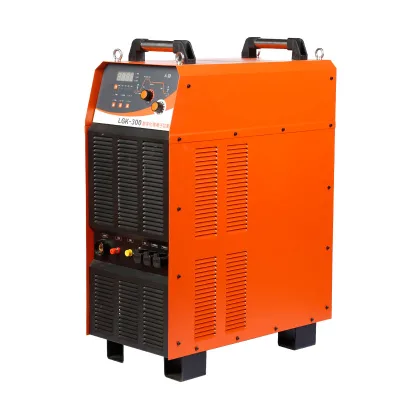
$1166.88 - $1318.58
MOQ: 2 pieces
Xiamen Golden Silk Road Trading Co., Ltd.
- Manufacturer, Trading Company
- Fujian, China
- Lead time15 days
- Avg. response≤ 2h
Main productswelding machines,welding torches holder,welding accessories,welding positioner turntable,welding wire feeder
Main marketsWestern Europe(30.00%), North America(10.00%), Eastern Asia(10.00%), Eastern Europe(10.00%), South America(10.00%), Northern Europe(5.00%), Southeast Asia(5.00%), Central America(5.00%), Southern Europe(5.00%), Africa(3.00%), Mid East(3.00%), South Asia(2.00%), Oceania(2.00%)




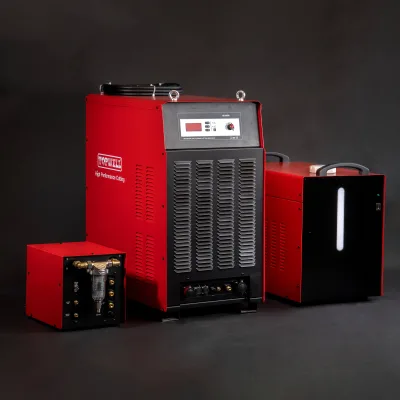
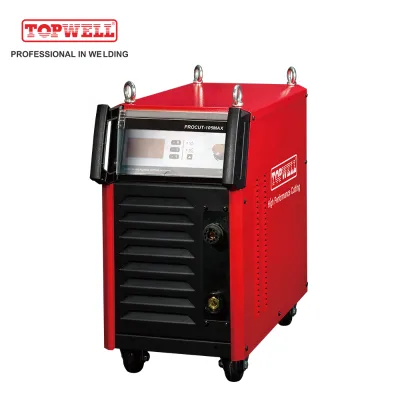
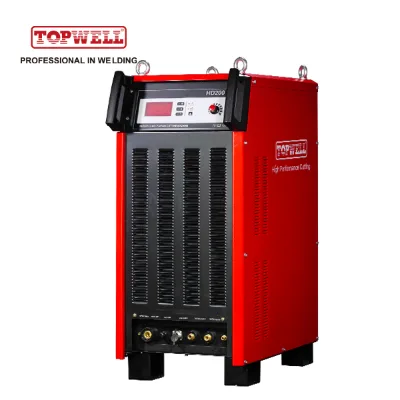
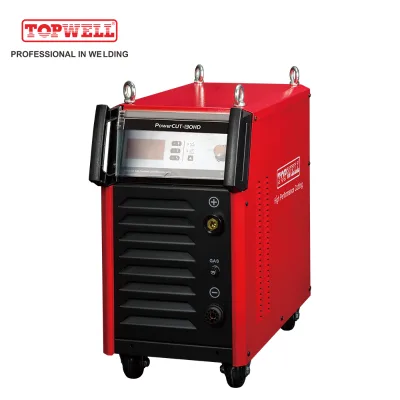


Comprehensive Sourcing Guide
CE RoHS Air Plasma Cutter Supplier Concentration and Factory Types
The current supplier landscape for air plasma cutting equipment reveals a diverse mix of manufacturing capabilities and business models. Buyers will encounter both dedicated manufacturers and trading companies offering these industrial machines. The primary product categories observed include laser cutting machines, industrial robots, and various metal cutting solutions, with plasma cutters being a significant subset. This variety suggests that the market is not limited to specialized plasma-only factories but includes broader industrial machinery producers. Understanding this distinction is crucial for buyers seeking specific technical support or direct factory pricing. Manufacturers often provide more direct access to engineering teams for customization, while trading companies might offer a wider array of compatible accessories or bundled solutions. The presence of both types indicates a competitive environment where buyers must carefully assess the supplier's actual role in the production chain.
Verification data shows that many suppliers hold SGS Group verification, which adds a layer of trust regarding their business legitimacy. Additionally, system certifications such as CE are present in the results, indicating compliance with European safety standards for machinery. Some suppliers also display ISO9001:2015 certification, highlighting their commitment to quality management systems. These credentials are essential for buyers operating in regulated markets or those requiring strict adherence to international safety protocols. The combination of manufacturer and trading company types, along with these verifications, provides a robust foundation for sourcing. However, buyers should not assume that all verified suppliers have identical production capacities or quality control processes. It is advisable to review the specific company type and associated certifications for each potential partner to ensure alignment with your operational needs and regulatory requirements.
How to Verify CE RoHS Air Plasma Cutter Suppliers
Verifying suppliers requires a multi-step approach that goes beyond simple profile reviews. First, confirm the supplier's verification status, such as SGS Group verification, which indicates that a third-party agency has assessed their business credentials. This step helps distinguish legitimate entities from potential fraudsters. Next, examine the system certifications displayed, particularly CE marks, which are critical for air plasma cutters intended for use in regions with strict electrical and safety regulations. Ensure that the CE documentation is current and covers the specific models you are interested in. Additionally, look for ISO9001:2015 certification, which signals that the supplier follows standardized quality management practices. These certifications are not just badges but indicators of a supplier's operational maturity and commitment to consistent product quality.
Beyond certifications, buyers should assess the supplier's response time and communication efficiency. Data shows response times varying, with some suppliers responding within two hours and others taking longer. A quick response often correlates with better customer service and more reliable post-sale support. It is also important to verify the authenticity of product test reports, such as machinery test reports or video outgoing-inspections, which some suppliers provide. These documents offer tangible proof of the machine's performance and safety before shipment. Buyers should request these reports directly and review them for completeness. Furthermore, checking the supplier's main products can reveal their expertise; a supplier specializing in plasma cutters may offer more specialized support than a general trading company. Combining these verification steps ensures a thorough assessment of supplier reliability and capability.
What to Compare Across CE RoHS Air Plasma Cutter Suppliers
When evaluating multiple suppliers, several key dimensions must be compared to identify the best fit for your procurement needs. Lead time is a critical factor, with some suppliers indicating a lead time of thirty days, while others may have different schedules. Understanding these timelines helps in planning your production or project schedules effectively. Another important aspect is the minimum order quantity (MOQ), which can vary significantly. Some suppliers may accept orders for a single unit, while others might require a higher MOQ, impacting your initial investment and inventory management. Comparing these logistical parameters allows buyers to align supplier capabilities with their specific order volumes and delivery expectations.
Price and customization options are also vital comparison points. The price range for air plasma cutters can vary, with some models starting at lower price points and others commanding higher premiums based on features and build quality. Buyers should compare the total cost, including any customization fees, to get an accurate picture of the investment. Additionally, assess the supplier's customization capabilities, such as OEM or ODM services, and their ability to provide customized working areas or specific software integrations like Fastcam or Starcam. The core components used, such as IGBT modules or built-in air compressors, also influence performance and price. By systematically comparing lead times, MOQs, prices, and customization options, buyers can make informed decisions that balance cost, quality, and operational requirements.
Common CE RoHS Air Plasma Cutter Sourcing Risks
Sourcing air plasma cutters involves several potential risks that buyers must mitigate through careful due diligence. One significant risk is the discrepancy between advertised specifications and actual product performance. For instance, while some suppliers claim specific cutting thicknesses for materials like stainless steel or aluminum, the actual performance may vary based on the plasma power source and operational conditions. Buyers should verify these claims by requesting detailed technical specifications and, if possible, test reports or video demonstrations. Another risk is the reliability of the core components, such as the engine or IGBT modules, which are critical for the machine's longevity and efficiency. Ensuring that these components are from reputable manufacturers can prevent premature failures and costly downtime.
Additionally, there is a risk associated with after-sales support and warranty claims. While many suppliers offer a one-year warranty, the ease of claiming this warranty and the availability of spare parts can vary. Buyers should clarify the warranty terms and the supplier's support infrastructure before finalizing a purchase. Another potential risk is the accuracy of the supplier's location and shipping logistics. Some suppliers may list locations that do not accurately reflect their manufacturing or storage facilities, leading to unexpected shipping delays or costs. To mitigate these risks, buyers should conduct thorough background checks, request clear warranty policies, and verify shipping arrangements. By proactively addressing these risks, buyers can ensure a smoother sourcing experience and protect their investment in air plasma cutting equipment.
CE RoHS Air Plasma Cutter Regional Sourcing and Logistics
Regional sourcing plays a crucial role in determining the logistics and overall cost of acquiring air plasma cutters. Many suppliers are located in China, with specific mentions of regions like Shandong and Shanghai. These areas are known for their industrial manufacturing capabilities, particularly in machinery and metalworking equipment. Sourcing from these regions can offer advantages in terms of supply chain efficiency and access to a wide range of components. However, buyers must also consider the logistical implications of importing from these locations, including shipping times, customs clearance, and potential tariffs. Understanding the regional strengths and logistical networks can help buyers optimize their sourcing strategy and reduce overall procurement costs.
Shipping and packaging are also important logistical considerations. Suppliers often use fumigation wooden cases and cartons to ensure the safe transport of heavy machinery. Buyers should verify the packaging standards to prevent damage during transit. Additionally, the weight and dimensions of the machines, such as those weighing around fifty to fifty-five kilograms, impact shipping costs and handling requirements. Buyers should coordinate with freight forwarders to arrange efficient and cost-effective shipping solutions. Furthermore, considering the voltage requirements, such as AC220/50HZ or 380V 3Phase 50Hz, is essential to ensure compatibility with local power infrastructure. By carefully planning the regional sourcing and logistics, buyers can minimize disruptions and ensure the timely delivery of their air plasma cutters.
CE RoHS Air Plasma Cutter Commercial Terms and Order Planning
Effective order planning requires a clear understanding of the commercial terms offered by suppliers. Payment terms, delivery schedules, and warranty conditions are key elements that must be negotiated and documented. Buyers should seek clarity on the payment structure, including any deposits or milestone payments, to manage cash flow effectively. Additionally, understanding the delivery terms, such as Incoterms, helps in determining responsibility for shipping and insurance. The lead time, which may be around thirty days for some suppliers, should be factored into the order planning to avoid production delays. Clear communication of these terms ensures that both parties have aligned expectations and reduces the risk of disputes.
Warranty and after-sales support are also critical commercial terms. Most suppliers offer a one-year warranty, but the specifics, such as coverage for core components and response times for technical support, should be explicitly stated. Buyers should also inquire about the availability of spare parts and the supplier's policy on repairs or replacements. Furthermore, considering the customization options, such as specific working areas or software integrations, can impact the final price and delivery time. By carefully reviewing and negotiating these commercial terms, buyers can secure favorable conditions that protect their interests and ensure a successful procurement process. Proper order planning, combined with clear commercial terms, lays the foundation for a reliable and efficient sourcing relationship.
FAQs
What is the price range for air plasma cutters?
Prices for air plasma cutters typically range from $750 to $4,550 depending on the model and specifications. Basic portable units start around $750, while more advanced CNC systems with higher cutting capacities can reach up to $4,550. Buyers should verify specific pricing for their required thickness and material types.
What certifications do these machines have?
Most available air plasma cutters carry CE certification, ensuring compliance with European safety standards. Some manufacturers also hold ISO9001:2015 certificates for quality management systems. Buyers should request valid certification documents directly from suppliers to confirm that the specific model meets their regional regulatory requirements before placing an order.
What is the typical lead time for delivery?
Standard lead times for air plasma cutters are generally around 30 days for manufacturing and shipping. However, some suppliers may offer faster turnaround times for customized or in-stock items. Buyers should confirm the exact delivery schedule with the supplier, as lead times can vary based on order volume and customization needs.
What is the minimum order quantity?
The minimum order quantity for air plasma cutters is usually one unit, allowing for single-item purchases. Some suppliers may require a minimum of three units for certain models or pricing tiers. Buyers should check the specific MOQ requirements for each product listing to ensure their order meets the supplier's policy.
What materials can these cutters process?
Air plasma cutters can process various metals including stainless steel, carbon steel, aluminum, copper, and zinc. The cutting thickness depends on the machine's power, with plasma cutting typically handling 0.3 to 25mm and flame cutting up to 160mm. Buyers should select a model with sufficient power for their specific material thickness.
What is the response time for supplier inquiries?
Supplier response times for inquiries vary, with some responding within 2 hours and others taking up to 8.59 hours. Faster response times indicate more active customer service teams. Buyers should prioritize suppliers with quicker response times to ensure timely communication regarding technical details, pricing, and order status throughout the procurement process.