Source IP65 Waterproof Landscape Laser Light for Gardens Parks Squares
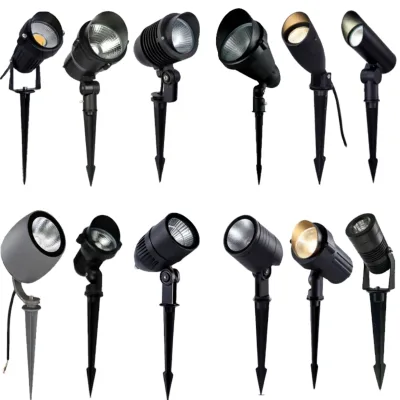
Find 30 IP65 Waterproof Landscape Laser Light options from verified suppliers. Compare specifications including IP ratings, color temperatures, and warranty periods for outdoor garden, square, and park applications. Review diverse models with varying beam angles and luminous flux to select the best fit for your specific landscaping needs.
Updated
Key considerations
Products List
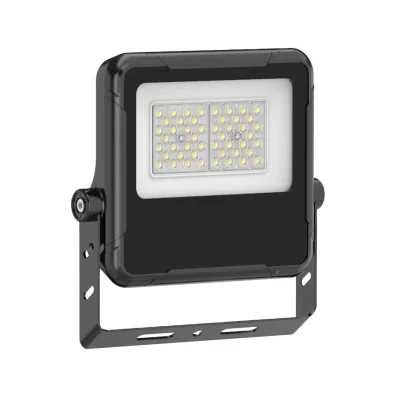

Outdoor Flood Light IP65 Waterproof Garden Floodlight Landscape Lawn Tree Light
$12.90 - $39.90
MOQ: 20 Pieces


Solar Outdoor IP65 Waterproof Solar Pathway Landscape Lighting Garden Lights
$9.69 - $85.982
MOQ: 36 Pieces


5W Outdoor IP65 Landscape Ground Spot Light Waterproof Lamp LED Garden Lights
$35.00 - $40.00
MOQ: 5 Pieces


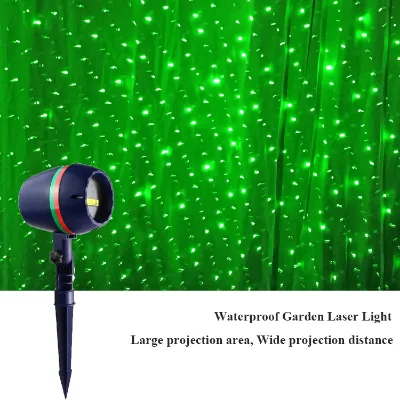
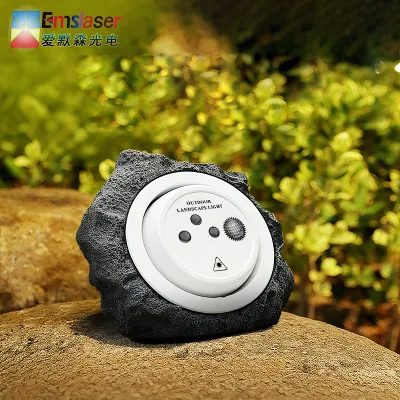
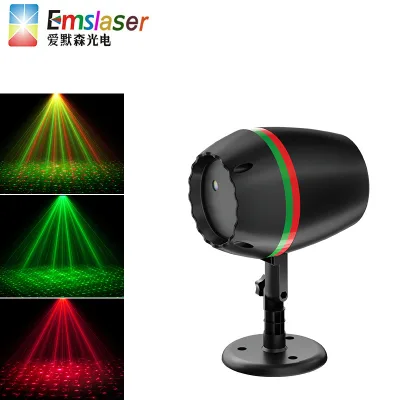


$30.00 - $199.00
MOQ: 1 Pieces


Comprehensive Sourcing Guide
IP65 Waterproof Landscape Laser Light Sourcing Guide
Procuring IP65 waterproof landscape laser lights requires a nuanced understanding of outdoor lighting specifications, as the term "laser" in this context often refers to high-intensity LED spotlights or floodlights designed for landscape illumination rather than true laser diodes. Buyers must distinguish between marketing terminology and actual optical technology to ensure the selected fixtures meet safety and performance standards. The observed product data indicates a strong presence of LED-based solutions with varying beam angles, such as 30°, 60°, and 90°, which are critical for defining the spread of light across garden or park areas. Understanding these optical characteristics is the first step in aligning product selection with specific landscape design requirements.
The market for these fixtures is dominated by suppliers from Guangdong, China, offering a wide range of models with diverse certifications and material compositions. Aluminum construction is prevalent, providing durability against environmental stressors, while IP65 and IP66 ratings ensure protection against dust and water jets, making them suitable for outdoor installation. Buyers should note that while some listings claim "laser" capabilities, the core technology is often high-power LED with high luminous efficacy, such as 150 lm/W, and significant luminous flux outputs ranging from 12,000 to 18,000 lumens. This distinction is vital for verifying that the product delivers the intended brightness and coverage for landscape applications without exceeding safety limits for public spaces.
Product Scope and Observed Listing Signals
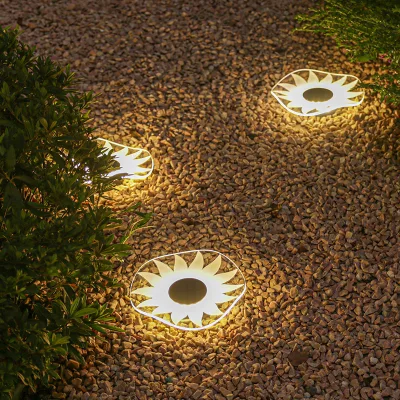
The current market landscape for IP65 waterproof landscape lighting features a variety of product types, including garden lights, grass lights, and lawn lights, all designed for modern aesthetic integration. Observed listings highlight models with specific dimensions, such as D4278H300mm or 200200600mm, indicating a range of form factors suitable for different installation depths and heights. The application scope extends beyond residential gardens to include squares and parks, suggesting that these fixtures are engineered for both private and public sector procurement. Buyers should evaluate the style and material consistency across listings to ensure that the chosen fixtures complement the architectural and natural elements of the target landscape.
Color temperature options are diverse, ranging from warm white (2700K-3000K) to cool white (5700K-6500K), allowing for precise mood setting in outdoor environments. Some products offer customizable color options, including RGB, which adds versatility for dynamic lighting effects in commercial or entertainment-focused landscapes. The presence of "With Light Source" attributes confirms that buyers receive complete, ready-to-install units, eliminating the need for separate bulb procurement. However, the variation in warranty periods, from 2 to 5 years, and working lifetimes up to 50,000 hours, necessitates careful comparison to determine the long-term value and reliability of each supplier’s offering.
Technical Specifications to Verify
Voltage compatibility is a critical technical parameter, with observed inputs ranging from AC100-277V to <6V, indicating the need for precise matching with local electrical infrastructure. High-power landscape fixtures typically operate within the 85-265V range, ensuring broad compatibility with global power standards, while low-voltage options may require additional transformers or power supplies. Buyers must verify the power factor (PF >0.95) and luminous efficiency to ensure energy savings and grid stability, especially for large-scale installations. The beam angle selection, including narrow 30° spots and wide 120° floods, directly impacts the lighting design, so technical drawings and photometric data should be requested to validate coverage areas.
Material quality and ingress protection ratings are paramount for outdoor durability. Aluminum bodies are commonly cited, offering heat dissipation benefits and resistance to corrosion, but buyers should confirm the specific alloy and surface treatment for longevity. IP65 and IP66 ratings provide robust protection against dust and water, but the sealing quality of connectors and lenses must be verified through third-party test reports. Additionally, the LED chip source, such as Taiwan Epistar, is a key indicator of light quality and consistency. Buyers should request datasheets that detail the chromaticity binning and thermal management strategies to prevent premature lumen depreciation in harsh outdoor conditions.
Compliance and Safety Documentation
Certification requirements vary by region, but common standards observed in the market include CE, EMC, LVD, RoHS, SAA, and SASO. These certifications indicate compliance with electromagnetic compatibility, low voltage directives, and hazardous substance restrictions, which are essential for legal importation and installation in many countries. Buyers must ensure that the supplier provides valid, up-to-date certificates for the specific model being purchased, as certifications are often model-specific and not blanket approvals. The presence of REACH certification further ensures that the product meets European chemical safety standards, which is increasingly important for environmentally conscious procurement projects.
Safety documentation should also include detailed installation manuals and wiring diagrams to prevent electrical hazards during setup. For landscape applications, grounding and surge protection are critical, so buyers should verify that the fixtures include appropriate terminals and insulation ratings. The working temperature range of -30°C to +50°C suggests robust thermal design, but buyers should confirm that the electronic components are rated for these extremes to avoid failure in cold or hot climates. Additionally, any claims regarding laser safety classes must be substantiated with relevant IEC standards, although most observed products are LED-based and do not fall under strict laser safety regulations.
Cost Drivers and Commercial Terms
Pricing for IP65 waterproof landscape lights varies significantly based on power output, material quality, and certification levels. Observed price ranges span from $3.28 to $199, reflecting the diversity from low-power accent lights to high-intensity floodlights. The minimum order quantity (MOQ) typically ranges from 1 to 200 units, offering flexibility for both small residential projects and large commercial developments. Buyers should analyze the cost per lumen to determine value, as higher initial costs may be justified by superior luminous efficacy and longer warranty periods. Customization options, such as specific color temperatures or beam angles, may incur additional charges, so these should be clarified during the quoting phase.
Commercial terms, including payment methods and shipping logistics, play a crucial role in the total cost of ownership. Suppliers often offer packaging in cartons or general boxes, which affects shipping volume and potential damage risks. Buyers should negotiate clear terms for warranty claims, including the process for returning defective units and the provision of replacement parts. Lead times can vary based on production capacity and customization requirements, so early communication is essential to align delivery schedules with project timelines. Understanding these commercial dynamics helps buyers avoid hidden costs and ensures a smooth procurement process from order to installation.
Supplier Qualification and Quality Control
Supplier qualification involves verifying manufacturing capabilities, quality management systems, and past performance in the landscape lighting sector. Buyers should request factory audits or third-party inspection reports to assess production standards, particularly for waterproofing and electrical safety. The presence of multiple certifications and a long history in the industry, such as the Guangdong origin noted in many listings, can be indicators of reliability. However, buyers must conduct due diligence to ensure that the supplier maintains consistent quality across batches, as variations in LED binning or sealing processes can impact product performance.
Quality control measures should include incoming material inspections, in-process testing, and final random inspections before shipment. Buyers should specify acceptance criteria for luminous flux, color temperature consistency, and IP rating integrity in their purchase agreements. Requesting sample units for pre-production testing is a prudent step to validate technical specifications and durability. Additionally, establishing a clear communication channel for addressing post-installation issues ensures that any defects are resolved promptly. Building a relationship with a supplier that prioritizes quality control reduces the risk of project delays and costly replacements.
Long-Term Procurement Checks
Long-term procurement success depends on monitoring product performance and supplier responsiveness over time. Buyers should track warranty claims and failure rates to assess the reliability of the fixtures in real-world conditions. Regular feedback loops with the supplier can lead to product improvements and better support for future orders. It is also important to stay updated on changes in certification requirements and safety standards, as regulations in target markets may evolve. Proactive engagement with the supplier ensures that any necessary updates or modifications are communicated in advance, preventing compliance issues.
Sustainability and end-of-life considerations are increasingly relevant in landscape lighting procurement. Buyers should inquire about the recyclability of materials, such as aluminum and LED components, and the supplier’s policies on electronic waste. Energy efficiency improvements over time, such as higher luminous efficacy or smart control integration, may offer opportunities for upgrades. By maintaining a strategic relationship with the supplier, buyers can leverage these advancements to enhance their lighting installations. Continuous evaluation of product performance and market trends ensures that procurement decisions remain aligned with project goals and regulatory requirements.
FAQs
What is the input voltage range for these landscape lights?
The input voltage range is AC100-277V, ensuring compatibility with various global power standards. This wide range allows for stable operation in different regions without requiring additional transformers. It supports efficient energy use across diverse electrical infrastructures for outdoor installations.
Which certifications are available for these LED landscape lights?
Available certifications include CE, EMC, LVD, RoHS, SAA, and SASO. These ensure compliance with international safety and environmental standards. Some models also feature REACH certification. These credentials verify product quality and regulatory adherence for global market distribution.
Can I customize the beam angle for these landscape fixtures?
Yes, customization is available for beam angles including 30°, 60°, 90°, 70x150°, and 120°. This flexibility allows precise light distribution for specific landscape designs. Buyers can select the optimal angle to enhance architectural features or pathway illumination effectively.
What is the expected working lifetime of these LED lights?
The expected working lifetime is 50,000 hours. This long duration reduces maintenance frequency and replacement costs for large-scale installations. The durable aluminum construction and high-quality LED chips contribute to this extended operational lifespan under typical outdoor conditions.
What is the IP rating for waterproofing these landscape lights?
The IP rating is IP65 or IP66, providing robust protection against dust and water jets. This ensures reliable performance in outdoor environments exposed to rain or sprinklers. The waterproof design safeguards internal components, maintaining consistent light output and safety during adverse weather.
Which color temperatures are offered for these garden lights?
Offered color temperatures range from 2700K to 6500K, including 3000K, 4000K, and 5700K. This variety allows selection of warm, neutral, or cool white light. Buyers can choose the appropriate tone to match landscape aesthetics and create desired atmospheric effects for gardens or parks.