Source RGB Projection Stage Lights for Clubs, Offices, and Warehouses
Source RGB Projection Stage Lights from 30 verified listings. Compare models like AMD9910 and XGJG-02, featuring DMX512 control, IP33 to IP65 ratings, and RGBW or 7-color options for clubs, offices, and warehouses; compare the available evidence and request quotations based on your requirements.
Updated
Key considerations
Products List


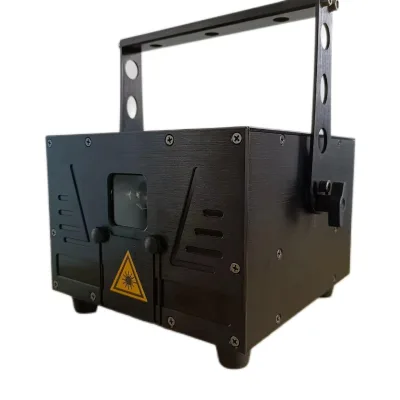
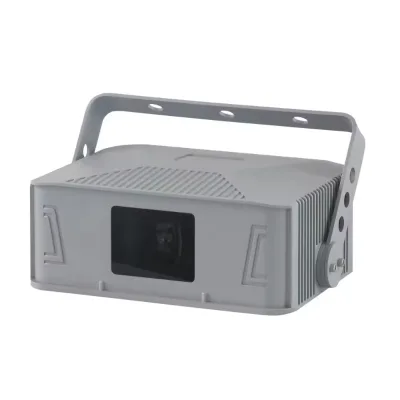
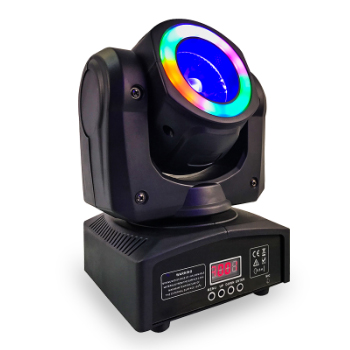
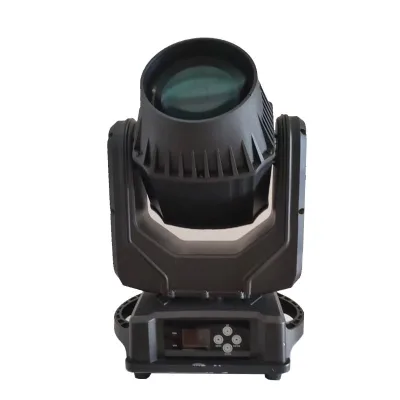


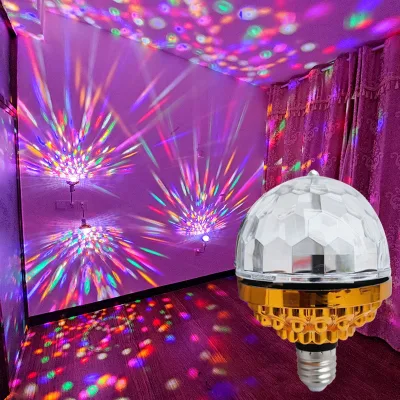


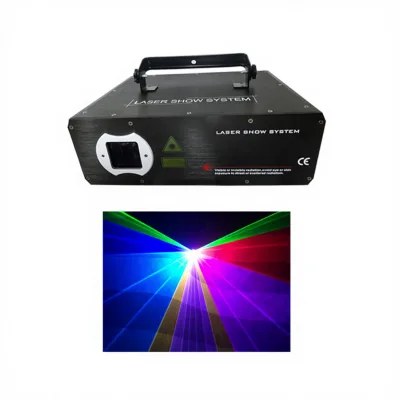
Remote Control Laser Light Projector RGB LED Multiple Patterns RGB LED Stage Light
$10.15 - $11.65
MOQ: 200 Pieces


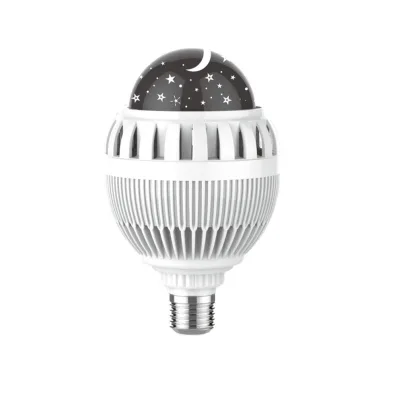
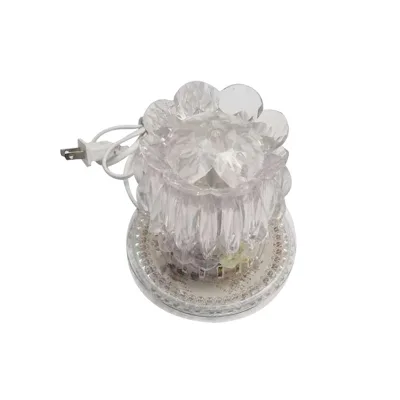
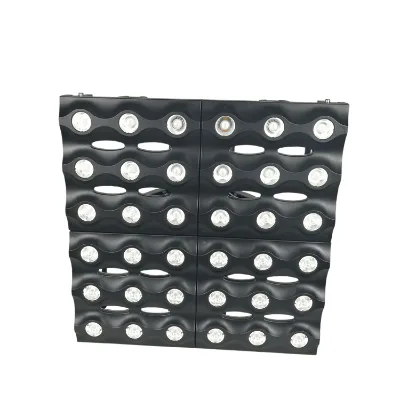
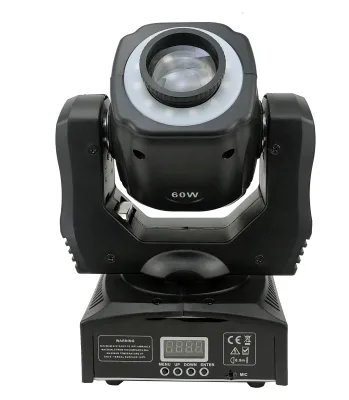
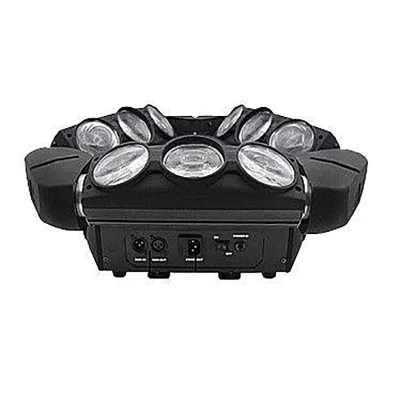
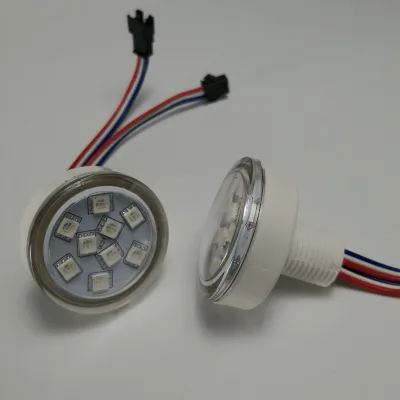
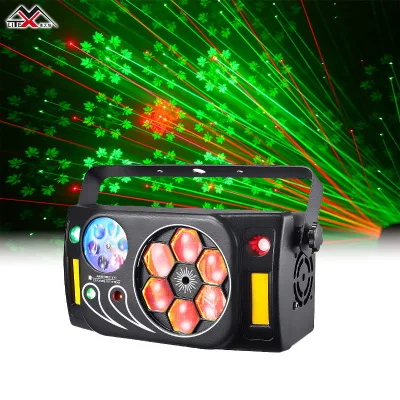


Comprehensive Sourcing Guide
RGB Projection Stage Lights Sourcing Guide
Procurement of RGB Projection Stage Lights requires careful evaluation of the specific lighting effects needed for dynamic environments. The observed market data indicates a diverse range of products, from compact units with 3-watt LED sources to larger moving lights capable of complex color mixing. Buyers must distinguish between general illumination fixtures and specialized stage equipment, as the latter often features adjustable strobe speeds and changeable emitting colors essential for performance venues.
When sourcing these units, it is critical to verify the control channel capacity, as some models support 16-channel DMX512 control for intricate programming. The physical dimensions and weight vary significantly, with some units measuring over 400mm in length while others are compact enough for portable setups. Understanding these physical constraints ensures the selected lighting fits the venue's rigging capabilities and power distribution systems without requiring extensive structural modifications.
Product Scope and Observed Listing Signals
The current market listings reveal a wide spectrum of product attributes, including specific models like the AMD9910 and AMD9950, which offer distinct form factors and capabilities. Some units are designed for office applications with high color rendering indices, while others target warehouse or stage environments with robust IP ratings. The observed price range spans from $0.75 to $1199, reflecting differences in build quality, light source power, and the inclusion of advanced features like gobos and color mixing.
Buyers should note that customization is available for many of these units, allowing for tailored solutions that meet specific project requirements. The observed minimum order quantities range from single items to 200 units, providing flexibility for both small-scale events and large-scale installations. It is essential to cross-reference the listed specifications, such as the 7-colors plus white options or the 7 gobos plus white configurations, to ensure the product matches the intended visual output for the event.
Technical Specifications to Verify
Technical due diligence must focus on the light source and its operational parameters to ensure reliability during critical events. The supplied data highlights LED sources with varying color temperatures, ranging from 5000K daylight to 6000K daylight alert, which impacts the visual tone of the projection. Buyers should verify the lamp luminous flux, with observed values around 1150 lumens for specific models, to confirm adequate brightness for the venue size and ambient lighting conditions.
Durability and environmental resistance are equally critical, particularly for outdoor or high-traffic applications. The observed IP ratings vary from IP33 to IP65, indicating different levels of protection against dust and water ingress. Additionally, the working lifetime of 50,000 hours suggests long-term viability, but the input voltage range of AC 85-265V or 90-240V must be confirmed to match local power standards. Verifying the working temperature range of 20-60°C ensures the unit will operate safely under the specific thermal conditions of the installation site.
Compliance and Safety Documentation
Safety compliance is a non-negotiable aspect of sourcing stage lighting, with CE and RoHS certifications appearing as standard requirements in the observed listings. These certifications indicate that the products meet specific European safety and environmental standards, which is often a prerequisite for importing and selling lighting equipment in many global markets. Buyers must request valid certification documents from suppliers to ensure the products have undergone rigorous testing for electrical safety and hazardous substance restrictions.
Beyond general certifications, specific safety documentation regarding the electrical components and thermal management systems should be reviewed. The presence of a 1-year warranty suggests a baseline level of manufacturer confidence, but the terms and conditions must be clearly understood to protect against premature failure. Ensuring that the lighting solutions service includes project installation or circuitry design support can further mitigate risks associated with improper setup, which is a common cause of safety incidents in stage environments.
Cost Drivers and Commercial Terms
The final cost of RGB Projection Stage Lights is influenced by several factors, including the complexity of the optical system, the quality of the aluminum alloy housing, and the level of customization required. While the observed price range is broad, the inclusion of advanced features like adjustable strobe speeds and 16-channel control often commands a premium. Buyers should analyze the total cost of ownership, considering the working lifetime and energy efficiency, rather than focusing solely on the initial purchase price.
Commercial terms such as minimum order quantities and packaging specifications also play a significant role in the procurement budget. The observed MOQs range from 1 to 200 units, allowing for flexible purchasing strategies depending on the scale of the project. Packaging details, such as carton types and single package sizes ranging from 23x23x10 cm to 35x35x30 cm, affect shipping costs and logistics planning. Understanding these variables helps in negotiating favorable terms and avoiding unexpected expenses during the delivery phase.
Supplier Qualification and Quality Control
Selecting a qualified supplier involves verifying their origin and track record in manufacturing lighting equipment. The observed data points to Guangzhou City and Guangdong, China, as key production hubs, which are known for their concentration of lighting manufacturers. Buyers should assess the supplier's ability to provide consistent quality, particularly regarding the material composition, such as the use of aluminum alloy, which is critical for heat dissipation and structural integrity.
Quality control processes should be rigorously evaluated to ensure that every unit meets the specified standards before shipment. This includes verifying the accuracy of the product weight, which ranges from 3 KG to 10.0 KG depending on the model, and confirming the consistency of the color rendering index, with some units achieving an Ra of 95 or higher. Suppliers offering lighting solutions services, such as project installation or circuitry design, often demonstrate a higher level of technical competence and commitment to customer success.
Long-Term Procurement Checks
Establishing a long-term procurement strategy requires regular performance monitoring and maintenance planning for the installed lighting systems. The observed working lifetime of 50,000 hours provides a baseline for replacement scheduling, but actual performance can vary based on usage intensity and environmental conditions. Buyers should implement a system for tracking the operational hours of each unit to proactively manage maintenance and prevent unexpected failures during critical events.
Continuous communication with the supplier is essential for addressing any emerging issues or updating specifications as technology evolves. The availability of spare parts and the supplier's responsiveness to warranty claims are key indicators of a reliable long-term partnership. Additionally, staying informed about new standards and certifications ensures that the procurement strategy remains compliant with evolving safety and environmental regulations, securing the longevity and relevance of the lighting investment.
FAQs
What certifications do these stage lights have?
These stage lights hold CE and RoHS certifications, ensuring compliance with international safety and environmental standards. This allows for safe deployment in various global venues. Buyers can verify these credentials to meet local regulatory requirements for professional lighting installations and equipment sourcing.
Can these lights be customized for specific projects?
Yes, customization is available for these stage lights to suit unique project needs. This flexibility allows buyers to tailor specifications for specific events or venues. Custom options help ensure the lighting equipment integrates seamlessly with existing stage setups and meets particular aesthetic or functional demands.
What is the IP rating for outdoor use?
Some models feature an IP65 rating, making them suitable for outdoor applications. This rating provides protection against dust and low-pressure water jets. Buyers requiring outdoor stage lighting should select these specific units to ensure durability and reliable performance in various weather conditions during events.
How is the control channel configured for DMX?
The control system supports 16 channels via DMX512 protocol for precise operation. This configuration allows for detailed programming of color, strobe, and movement effects. Professionals can use this channel count to manage complex lighting sequences and synchronize multiple units effectively during live performances or installations.
What is the typical working lifetime of the LED source?
The LED light source offers a working lifetime of up to 50,000 hours. This long duration reduces maintenance frequency and operational costs for frequent users. Buyers benefit from this durability, ensuring consistent performance over extended periods without the need for frequent bulb replacements or servicing.
Where are these lighting products manufactured?
These products originate from Guangzhou City, Guangdong, China, a major hub for lighting manufacturing. This location indicates access to established supply chains and production capabilities. Buyers sourcing from this region can leverage the area's expertise in producing high-quality stage lighting equipment for global distribution.