Source IP68 Waterproof Wireless Smart Tag for Luggage, Bags, and Jewelry
Find and compare 30 IP68 Waterproof Wireless Smart Tag options for luggage, bags, and jewelry tracking. These tags support UHF and HF frequencies with reading distances up to 8 meters, featuring read/write capabilities and data retention for 10 years.
Updated
Key considerations
Products List


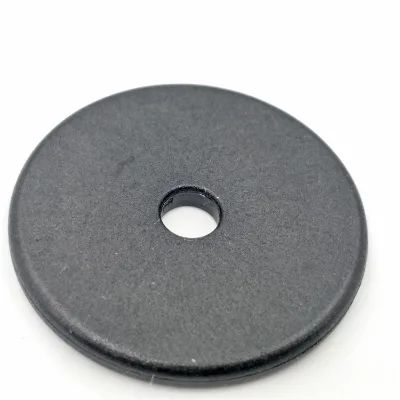
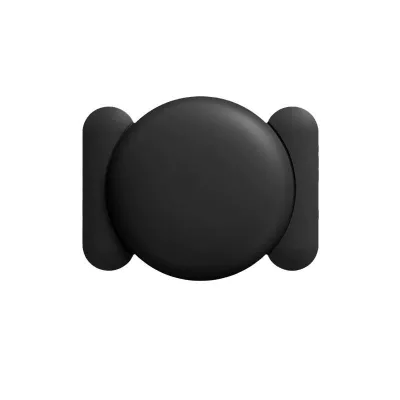
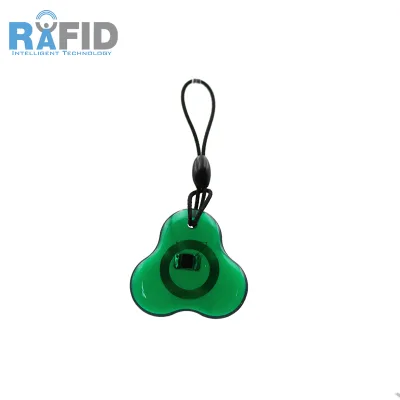
Silicone Waterproof Smart Tags for Easy Location and Item Identification
$1.80 - $2.10
MOQ: 1000 Pieces

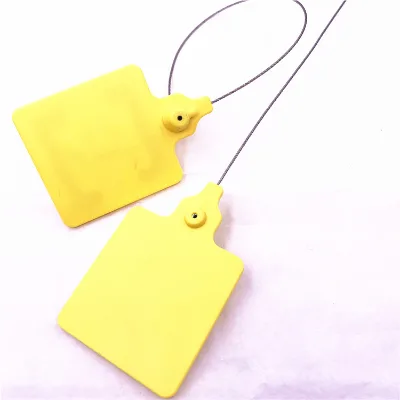
Getsmart Q5682 NFC security seal tags for oil chemical equipment management
$0.89 - $1.99
MOQ: 100 pieces

Passive Programmable Smart NFC RFID Tag Anti Metal Tag for Gas Cylinder
$0.38 - $0.86
MOQ: 500 Minimum
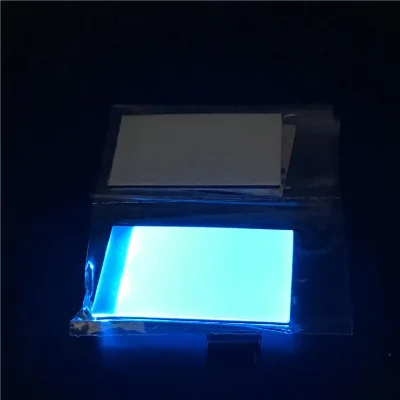
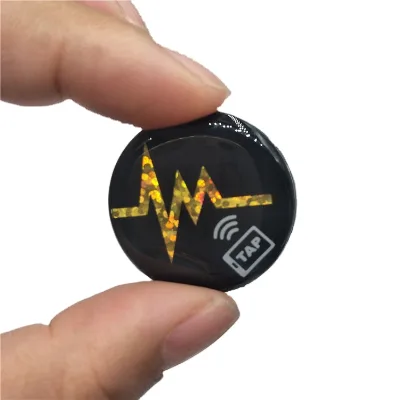
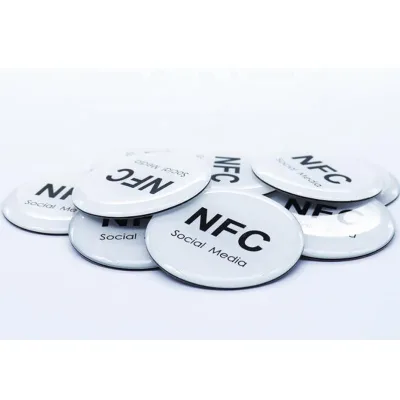
NFC Bubble Tags - Fully programmable, and works with Android, S6, S5, S4, S3, Nexus 5,
$0.79 - $1.69
MOQ: 100 pieces
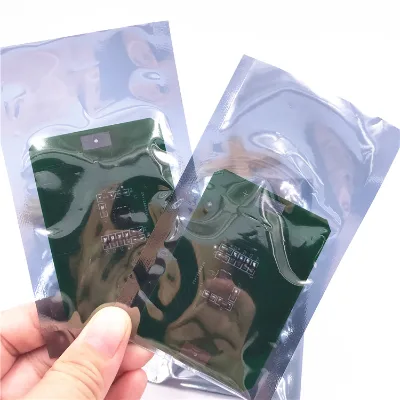


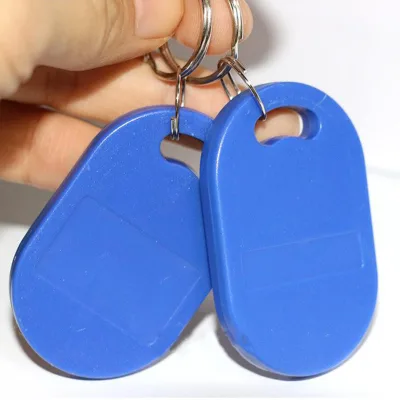
Ask RFID Pet Tag Label NFC Mobile Smart Sensor Identification Electronic Tag for
$21.99 - $27.57
MOQ: 10 Pieces



Comprehensive Sourcing Guide
IP68 Waterproof Wireless Smart Tag Sourcing Guide
Procuring IP68-rated wireless smart tags requires a nuanced understanding of how environmental sealing intersects with radio frequency performance. Buyers must recognize that while the IP68 designation guarantees protection against continuous immersion in water, it does not automatically ensure optimal signal transmission in wet conditions. The housing material, often ABS or PET, plays a critical role in maintaining structural integrity under pressure, but the internal antenna design remains the primary determinant of reading distance and reliability. Sourcing teams should prioritize suppliers who provide specific test data on signal attenuation when the tag is submerged or exposed to high humidity, as this is a common failure point in poorly engineered units.
The wireless nature of these tags introduces additional complexity regarding power management and data transmission protocols. Unlike passive labels, wireless smart tags often require active power sources or advanced energy harvesting techniques to function reliably in remote or inaccessible locations. Buyers need to verify the specific transmission mode, whether it is a simple wireless alarm or a complex data packet system, to ensure compatibility with existing infrastructure. It is essential to confirm the operating frequency, such as 13.56MHz for high-frequency applications or UHF bands for longer-range identification, to avoid interference and ensure seamless integration with readers and middleware systems across various industrial environments.
Product Scope and Observed Listing Signals
The market for wireless smart tags encompasses a diverse range of form factors, from rigid key tags to flexible labels and wristbands, each serving distinct operational needs. Observed listings frequently highlight features such as waterproofing, moisture-proofing, and shockproofing, which are critical for applications in water parks, amusement parks, and sauna centers. These environments demand robust hardware that can withstand constant exposure to water and physical stress. Buyers should note that while many products claim IP68 ratings, the actual performance can vary significantly based on the manufacturing process, such as laser sealing or epoxy doming, which affects the longevity of the seal under thermal cycling and mechanical impact.
Listing signals also reveal a strong emphasis on customization options, including shape, size, and color, allowing for tailored solutions for specific branding or functional requirements. Products are often described with specific dimensions, such as 35mm x 28mm for key tags or larger formats for labels, indicating that off-the-shelf solutions may not always fit unique deployment scenarios. The presence of read/write capabilities and data retention periods of up to ten years suggests that these tags are suitable for long-term asset tracking and access control systems. Buyers should carefully review the specified reading distances, which can range from a few centimeters for high-frequency tags to several meters for UHF variants, to ensure the selected product meets the spatial requirements of the intended application.
Technical Specifications to Verify
Verifying the technical specifications of wireless smart tags is paramount to ensuring reliable performance in the field. Buyers must confirm the chip type, whether it is a high-frequency HF chip or an ultra-high-frequency UHF chip, as this dictates the communication protocol and reading range. The operating protocol, such as ISO14443A for HF or ISO 1800-6c for UHF, must be compatible with the reader infrastructure already in place. Additionally, the reading and writing times, often cited as 100,000 times, indicate the durability of the memory cells, which is crucial for applications involving frequent data updates. It is also important to verify the data retention period, typically around ten years, to ensure long-term data integrity without the need for frequent reprogramming.
The physical and environmental specifications are equally critical for assessing the suitability of the tag for harsh conditions. Buyers should check the operating temperature range, which can vary from -20°C to +70°C for standard tags to -30°C to +220°C for specialized high-temperature variants, to ensure the tag can withstand the thermal extremes of its deployment environment. The thickness of the tag, ranging from 0.1mm for labels to 6.4mm for key tags, affects both the form factor and the internal component layout. Furthermore, the material composition, such as PET for labels or ABS for housings, influences flexibility, durability, and resistance to chemicals, so buyers must match these material properties to the specific environmental challenges of their use case.
Compliance and Safety Documentation
Compliance with international standards is a non-negotiable aspect of sourcing wireless smart tags, particularly for global deployments. Buyers should verify that products carry recognized certifications such as CE, ISO, RoHS, and CCC, which indicate adherence to safety, environmental, and quality management standards. These certifications provide assurance that the materials used are free from hazardous substances and that the manufacturing processes meet rigorous quality controls. It is essential to request valid certification documents from suppliers and to cross-reference them with the issuing bodies to ensure authenticity, as counterfeit certifications are a risk in the electronics supply chain. Compliance with these standards also facilitates smoother customs clearance and market entry in regulated regions.
Beyond certifications, buyers must ensure that the tags comply with relevant radio frequency regulations in the target markets. This includes verifying that the operating frequencies and transmission powers fall within the legal limits for wireless devices. Documentation should also include detailed technical datasheets that outline the electromagnetic compatibility (EMC) and radio frequency (RF) performance characteristics. These documents help in assessing potential interference with other electronic equipment and ensure that the tags operate reliably without causing disruption to nearby systems. Buyers should also inquire about any specific industry standards that may apply, such as those for healthcare or industrial automation, to ensure full regulatory alignment.
Cost Drivers and Commercial Terms
The cost of wireless smart tags is influenced by several key factors, including the complexity of the internal electronics, the quality of the materials, and the level of customization required. High-performance chips, advanced sealing processes, and durable housing materials like ABS or specialized PET films contribute to higher unit costs. Buyers should also consider the impact of order volume on pricing, as economies of scale often lead to significant discounts for larger MOQs, which can range from 1 to 1000 pieces depending on the supplier. Understanding these cost drivers allows procurement teams to negotiate more effectively and align their budget with the expected performance and lifespan of the tags.
Commercial terms, including payment methods, lead times, and packaging details, are critical components of the procurement process. Buyers should clarify the packaging specifications, such as carton or box packing, and the quantity per package, to ensure efficient logistics and storage. Lead times can vary based on the level of customization and current production capacity, so it is important to establish clear timelines and contingency plans for potential delays. Additionally, buyers should negotiate terms for warranty, returns, and after-sales support to mitigate risks associated with product failures. Clear communication of these commercial terms helps in building a transparent and reliable supply chain relationship.
Supplier Qualification and Quality Control
Selecting a qualified supplier is essential for ensuring the consistent quality and reliability of wireless smart tags. Buyers should conduct thorough due diligence on potential suppliers, verifying their manufacturing capabilities, quality control processes, and track record in the industry. Suppliers located in key manufacturing hubs like Shenzhen or Guangzhou often have access to advanced production technologies and a robust supply chain, which can enhance product quality and delivery speed. It is advisable to request samples for rigorous testing before placing large orders, allowing buyers to evaluate the tags' performance in real-world conditions and identify any potential issues early in the procurement process.
Quality control measures implemented by the supplier play a crucial role in minimizing defects and ensuring product consistency. Buyers should inquire about the supplier's quality assurance protocols, including incoming material inspections, in-process quality checks, and final product testing. Suppliers that adhere to international quality management standards, such as ISO certifications, are more likely to have robust systems in place to maintain high product standards. Additionally, buyers should consider the supplier's ability to provide traceability and batch tracking, which can be valuable for managing recalls or investigating quality issues. Establishing a strong partnership with a reliable supplier helps in maintaining a steady supply of high-quality tags.
Long-Term Procurement Checks
Long-term procurement success depends on continuous monitoring and evaluation of supplier performance and product reliability. Buyers should establish key performance indicators (KPIs) to track metrics such as delivery times, defect rates, and customer satisfaction, allowing for data-driven decisions on supplier relationships. Regular audits and feedback loops can help identify areas for improvement and ensure that suppliers remain aligned with the buyer's quality and service expectations. By maintaining open communication and fostering a collaborative relationship, buyers can work with suppliers to address any emerging issues and drive continuous improvement in product quality and service delivery.
As technology evolves, buyers must stay informed about advancements in wireless smart tag technology and market trends. This includes monitoring developments in chip technology, antenna design, and sealing materials that could offer improved performance or cost efficiencies. Buyers should also consider the scalability of their procurement strategy, ensuring that they can adapt to changing demand volumes and product requirements. By proactively managing their supply chain and staying ahead of technological changes, buyers can secure a competitive advantage and ensure that their wireless smart tag solutions remain effective and relevant in the long term.
FAQs
What is the reading distance for UHF RFID tags?
The reading distance for UHF RFID tags ranges from 3 to 8 meters, depending on the reader used. This capability allows for efficient bulk scanning in logistics and inventory management. In contrast, HF tags offer a shorter range of 1 to 10 centimeters, making them suitable for secure, close-proximity applications like access control.
Can these RFID tags be customized for specific sizes?
Yes, customization is available for various dimensions including 30x30mm, 50x50mm, and 70x30mm. Manufacturers also offer tailored sizes to meet unique packaging or labeling requirements. This flexibility ensures that the tags fit seamlessly into diverse applications such as garments, luggage, and electronic products without compromising performance or durability.
What certifications do these smart tags hold?
These smart tags typically hold CE, ISO, RoHS, and CCC certifications. These standards ensure compliance with international safety and environmental regulations. Buyers can rely on these credentials for global sourcing, as they verify the product's quality and adherence to strict manufacturing protocols, facilitating smoother customs clearance and market entry.
How long does the data retention last on these tags?
The data retention period for these RFID tags is approximately 10 years. This longevity ensures that critical information remains intact over extended periods without degradation. It makes them ideal for long-term asset tracking and inventory management, reducing the need for frequent tag replacements and maintaining consistent operational efficiency.
What materials are used for the RFID tag housing?
Common materials include PET for labels and ABS for housing in more robust tags. PET provides a lightweight and flexible option for stickers, while ABS offers durability for wristbands or key tags. These materials are selected for their resistance to moisture, shock, and temperature variations, ensuring reliable performance in various environments.
Where are these RFID products manufactured?
These RFID products are primarily manufactured in Shenzhen and Guangzhou, China. These regions are known for their advanced electronics manufacturing capabilities and supply chain efficiency. Sourcing from these locations allows buyers to access a wide variety of RFID solutions with competitive pricing and reliable lead times for bulk orders.