Source Japandi Style Black Coffee Cup for Daily Use, Gifts, and Weddings
Compare 30 listings for the Japandi Style Black Coffee Cup, featuring single-layer ceramic construction with saucers. Buyers can evaluate options with heat preservation, high-temperature resistance, and customization for business gifts or daily use.
Key considerations
Products List

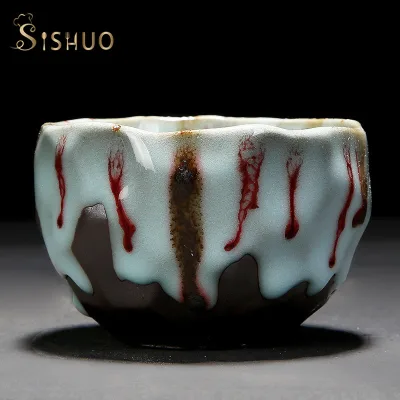
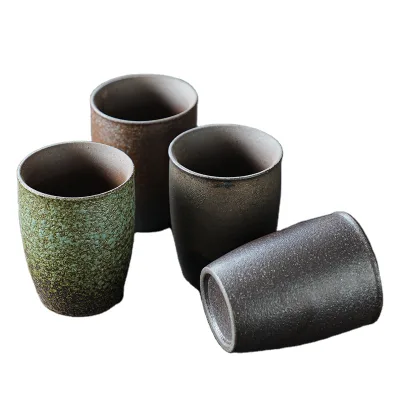

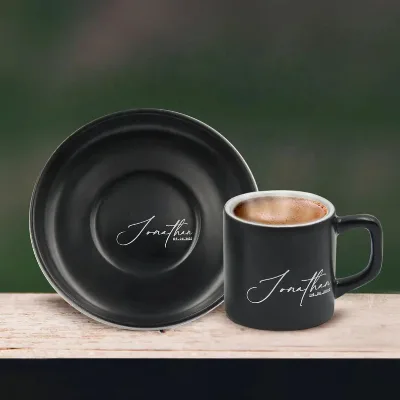


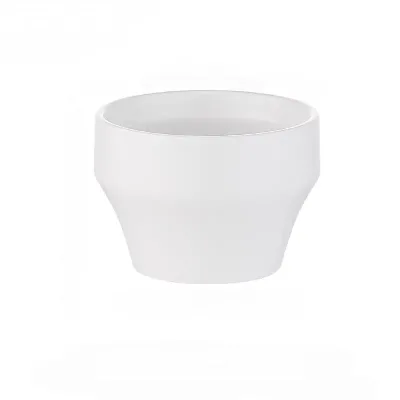


Ceramic Coffee Cups in Various Colors
$2.00 - $4.00
MOQ: 1000 Pieces
Chaozhou City Cha'an District Fengtang Town Sai Si Ceramics Factory


Comprehensive Sourcing Guide
Strategic Sourcing Guide for Japandi Style Black Coffee Cups
The global B2B market for premium drinkware has seen a significant shift toward minimalist aesthetics that blend functionality with understated elegance. The "Japandi" style, a fusion of Japanese rustic minimalism and Scandinavian functionality, has emerged as a dominant trend in this sector. For procurement professionals seeking black coffee cups within this specific design language, the sourcing process requires a nuanced understanding of ceramic properties, surface finishes, and supply chain dynamics. This guide synthesizes available product attributes and industry standards to provide a disciplined framework for evaluating suppliers and selecting the right ceramic cup solutions for business needs.
Defining the Japandi Aesthetic in Ceramic Procurement
Sourcing a product described as "Japandi style" begins with a precise definition of the visual and tactile requirements. In the context of ceramic mugs and cups, this style is characterized by a restrained color palette, organic shapes, and a focus on natural materials. The core keyword "black" implies a specific colorway that must be executed without appearing harsh or industrial. Instead, the finish should lean toward soft neutrals or earth tones, often utilizing matte glazes or satin finishes to create a tactile, warm experience.
When reviewing supplier catalogs, buyers should look for attributes such as "Simple" or "Creative" design styles, which often align with the Japandi philosophy. The product description should explicitly mention "Matte Glaze" or "Satin Finish" rather than high-gloss surfaces, as the former better captures the subdued, organic feel of the aesthetic. Furthermore, the shape of the cup is critical; "Round" shapes are preferred over angular or overly geometric forms to maintain the sense of flow and harmony associated with Japanese design principles. The presence of a saucer is a common feature in high-end ceramic sets, enhancing the ritualistic aspect of coffee consumption, which is central to the Japandi lifestyle.
Technical Specifications and Material Integrity
The material composition of the cup is the foundation of its quality and durability. The primary material for these products is ceramic, a choice that offers excellent heat retention and a premium feel. Buyers must verify the specific technical specifications provided by the supplier, particularly regarding capacity and weight. Observed market data indicates that standard capacities for such cups often range from 125ml to 350ml, with specific models offering 8oz (approximately 226.80g) volumes. The weight of the single package is another critical metric; a typical single gross weight of 0.500 kg suggests a substantial, high-quality piece that will not feel flimsy in the hand.
Heat resistance is a non-negotiable technical requirement for coffee cups. The product must be capable of withstanding high temperatures without cracking or degrading. Suppliers should explicitly state that their ceramics are designed for "Heat Preservation" and can "Withstand High Temperatures." This ensures that the cup can handle boiling water or hot coffee without thermal shock. Additionally, the surface finish must be durable. The choice between "Gloss Glaze," "Matte Glaze," and "Satin Finish" affects both the aesthetic and the functional longevity of the product. For a Japandi style, a matte or satin finish is preferred, but it must be applied in a way that resists chipping and scratching during daily use.
Compliance, Certification, and Safety Standards
While specific certification documents are not provided in the general product data, buyers must rigorously verify compliance with international food safety standards. Ceramic products, especially those intended for hot beverages, must meet strict regulations regarding lead and cadmium leaching. In the European Union, this is governed by EU Directive 84/500/EEC, while the United States adheres to FDA regulations. Buyers should request test reports from suppliers confirming that the glazes and pigments used, particularly for the black coloration, are food-safe and non-toxic.
The origin of the product is also a factor in compliance. The supplied data indicates origins in China, specifically regions like Guangdong and Hunan, which are known for their ceramic manufacturing capabilities. However, the "Place of Origin" must be clearly documented on the product packaging and accompanying documentation. Furthermore, the "Product Standard" should be verified. While some listings mention "Standard Specifications or Customized," buyers must ensure that the specific batch they order adheres to recognized international safety standards. If the product is intended for "Health Care" or "Daily Use" in a commercial setting, compliance with local food contact material regulations is mandatory.
Cost Drivers and Pricing Dynamics
The pricing of Japandi style black coffee cups is influenced by several variables, including customization, material quality, and production techniques. The observed price range in the market spans from $0.02 to $6.00 USD, a wide spectrum that reflects the difference between mass-produced items and high-end, hand-crafted pieces. The "Hand-painted" technique, often cited in product attributes, is a significant cost driver. Hand-painting adds labor intensity and artistic value, pushing the price toward the higher end of the range. Conversely, machine-printed or slip-cast cups will be more affordable but may lack the unique character desired in a Japandi design.
Customization is another major factor. The availability of "Customized Logo" and "Customized Packaging" allows brands to create unique products but increases the unit cost. The Minimum Order Quantity (MOQ) also plays a crucial role in the final price per unit. Data shows an MOQ range from 1 to 30,000 units. Buyers ordering small quantities may face higher per-unit costs, while large-volume orders can leverage economies of scale to reduce costs significantly. The "Payment Item" terms, such as "T/T, 30% Deposit," also impact cash flow and overall procurement costs. Buyers should negotiate payment terms that align with their financial planning while ensuring the supplier has the capacity to fulfill large orders without compromising quality.
Supplier Evaluation and Production Capabilities
Selecting the right supplier requires a deep dive into their production capabilities and quality control processes. The "Structure" of the cup, described as "Single-layer Ceramic Cup," is a standard configuration, but the thickness and density of the ceramic wall affect heat retention and durability. Buyers should request samples to evaluate the "Handle Design," which can range from "Classic Loop" to "Modern Angular" or "Ear-Shaped." The handle must be ergonomically designed to prevent burns and provide a comfortable grip.
The "Surface Finish" is another area where supplier expertise is critical. A "Gloss Glaze" might be too shiny for a Japandi aesthetic, whereas a "Matte Glaze" or "Satin Finish" requires precise control over firing temperatures and glaze application. Suppliers with a history of producing "High Quality" products and offering "Customization" are preferable. The "Brand Name" associated with the product, such as "JERSEY," may indicate a specific manufacturer or a private label arrangement. Buyers should verify the brand's reputation and ensure that the "Design Style" aligns with the "High-End" or "Creative" attributes required for their target market.
Quality Control and Long-Term Procurement Strategy
Implementing a robust quality control (QC) strategy is essential for maintaining the integrity of the Japandi style black coffee cups. QC should begin at the raw material stage, ensuring the clay and glazes meet purity standards. During production, visual inspections should focus on color consistency, particularly for the black hue, which must be uniform and free of speckles or uneven firing. The "Shape" must be checked for symmetry, and the "Handle Design" must be securely attached.
For long-term procurement, buyers should consider the "Packing" specifications. The "Standard Packaging" or "Customized" options must protect the cups during transit. A single package size of 30x30x30 cm or a bulk box of 60x50x40 cm should be evaluated for its ability to prevent breakage. The "Single gross weight" of 0.500 kg per unit helps in calculating shipping costs and logistics planning. Additionally, the "Season" attribute, listed as "Every Day," suggests that these cups are suitable for year-round use, making them a stable product line for inventory management.
Typical Applications and Market Positioning
The versatility of Japandi style black coffee cups makes them suitable for a wide range of applications. The "Usage" attributes include "Daily Use," "Health Care," "Gift," "Wedding," and "Business Gifts." This broad applicability allows buyers to target multiple market segments. For instance, the "Business Gifts" category benefits from the "High-End" design style and the option for "Customized Logo," making these cups ideal for corporate branding. Similarly, the "Wedding" and "Gift" applications leverage the "Eco-Friendly" and "Creative" aspects of the product.
The "Drinkware Type" is specified as "Cups & Saucers" or "Mugs," indicating that the product can be sold as a set or individually. The "Color Palette" of "Pure White, Soft Neutrals, Earth Tones" and the specific "Black" option align well with the Japandi aesthetic, appealing to consumers who value minimalism and natural tones. By understanding these applications, buyers can tailor their marketing and sales strategies to maximize the product's potential in different sectors.
Conclusion
Sourcing Japandi style black coffee cups requires a balanced approach that combines aesthetic precision with technical rigor. By focusing on the correct material properties, surface finishes, and compliance standards, buyers can ensure they procure high-quality products that meet the demands of the modern market. The wide range of customization options and the diverse applications of these cups make them a valuable addition to any B2B procurement portfolio. However, success depends on thorough supplier evaluation, strict quality control, and a clear understanding of the cost drivers involved in producing these elegant ceramic pieces.
FAQs
What materials are used for japandi style black coffee cups?
These cups are made from high-quality ceramic material. The structure is typically a single-layer design that ensures durability while withstanding high temperatures for heat preservation during daily use.
Can I customize the logo on these ceramic cups?
Yes, customized logos are acceptable for these products. Buyers can request specific branding options alongside other customization features like packaging to meet unique business gift or promotional needs.
What surface finishes are available for black ceramic cups?
Available finishes include gloss glaze, matte glaze, and satin finish. For a Japandi aesthetic, matte or satin finishes are preferred to achieve a soft, organic look without appearing harsh or industrial.
Which capacity sizes are offered for these coffee cup sets?
Standard capacities range from 125ml to 350ml, with specific models offering 8oz volumes. Some listings also mention standard specifications of 90, 180, 200, or 350ml depending on the supplier batch.
How much does a single unit of these cups weigh?
The single gross weight is typically 0.500 kg per unit. This substantial weight indicates a high-quality piece that provides a premium feel and ensures stability during use.
What are the payment terms for ordering these ceramic mugs?
Payment terms usually involve T/T with a 30% deposit required upfront. The balance is paid based on the copy of the Bill of Lading, ensuring secure transactions for both parties.
Can I find suppliers with hand-painted techniques for these cups?
Yes, hand-painted techniques are available for these ceramic cups. This method adds artistic value and labor intensity, often positioning the product toward the higher end of the price spectrum.
Where are these ceramic cups typically manufactured?
Products originate from China, specifically regions like Guangdong and Hunan. These locations are known for their ceramic manufacturing capabilities and offer a wide range of customization options.