Source Japandi Speckled Ceramic Coffee Mug for Daily Use, Gifts, and Promotions
Find 30 listings for the Japandi Speckled Ceramic Coffee Mug featuring customizable designs, eco-friendly materials, and high-temperature resistance. Buyers can compare single-layer mugs with various capacities and hand-painted or printed styles suitable for daily use, gifts, and promotional events.
Key considerations
Products List


Ceramic Mug Color Glazed Ceramic Coffee Mug
$4.00 - $8.00
MOQ: 1000 Pieces
Chaozhou City Cha'an District Fengtang Town Sai Si Ceramics Factory

Beautiful and Elegant Ceramic Coffee Mug
$2.00 - $4.00
MOQ: 1000 Pieces
Chaozhou City Cha'an District Fengtang Town Sai Si Ceramics Factory


Ceramic Coffee Cup Tea Mug with Customizable Logo
$2.00 - $4.00
MOQ: 1000 Pieces
Chaozhou City Cha'an District Fengtang Town Sai Si Ceramics Factory


Creative Coffee Cup Milk Cup Ceramic Water Cups Color Contrast Ceramic Mug
$3.50 - $4.00
MOQ: 100 Pieces


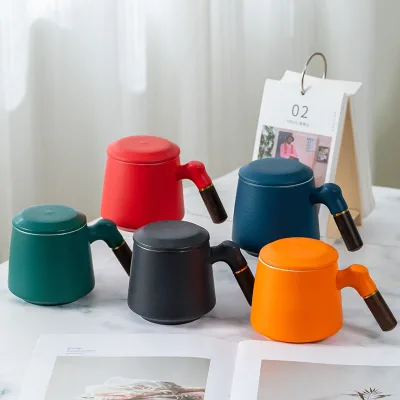


$1.50 - $2.30
MOQ: 1000 Pieces


Comprehensive Sourcing Guide
Strategic Sourcing Guide for Japandi Speckled Ceramic Coffee Mugs
The Japandi aesthetic, a fusion of Japanese minimalism and Scandinavian functionality, has driven significant demand for ceramic tableware that balances organic texture with clean lines. For procurement professionals sourcing "japandi speckled ceramic coffee mugs," the primary challenge lies in distinguishing between mass-produced generic items and authentic designs that capture the intended rustic-modern vibe. This guide synthesizes available product attributes and industry standards to provide a disciplined framework for evaluating suppliers, verifying specifications, and managing the procurement lifecycle for this specific category. The focus remains on evidence-based criteria derived from observed market data and technical requirements rather than speculative claims.
Technical Specifications and Material Integrity
The foundation of any ceramic mug procurement lies in the material composition and manufacturing techniques. Based on observed product data, the core material for these items is consistently identified as Porcelain. This distinction is critical because porcelain offers a denser, less porous body compared to standard stoneware or earthenware, which directly impacts the mug's durability and thermal properties. The observed technical attributes indicate that the manufacturing process often involves Glaze techniques, which provide the necessary waterproofing and surface finish. However, for a true Japandi aesthetic, the glaze application must be precise to achieve the desired speckled effect without compromising the structural integrity of the vessel.
A significant observation in the current market data is the variation in Technics. While some listings specify Glaze as the primary technique, others highlight Hand-painted methods. This distinction is vital for procurement planning. Hand-painted speckles offer a unique, artisanal quality that aligns well with the Japandi philosophy of "wabi-sabi" (finding beauty in imperfection), but they introduce higher variability in production time and cost. In contrast, machine-applied glazes or printed speckles offer consistency but may lack the depth required for high-end branding. Buyers must verify whether the speckled pattern is achieved through a glaze mix, a slip application, or a digital print, as this affects the tactile experience and the longevity of the design.
Furthermore, the structural design of the mug must be scrutinized. The data confirms the availability of Single-layer Ceramic Cup structures, which are standard for thermal efficiency in this category. However, some entries also mention Heat Preservation functions, suggesting that certain models may incorporate double-wall constructions or specialized glazes that retain heat longer. For a Japandi style, which often emphasizes the sensory experience of drinking, the Shape and Handle design are equally important. The observed data supports Customized Shape options and confirms that mugs are typically supplied with Handle. The handle must be ergonomically sound, attached securely to the body, and finished smoothly to prevent burns or discomfort during use.
Compliance, Certification, and Safety Standards
When sourcing ceramic tableware for international markets, particularly for promotional, gift, or daily use applications, compliance with food safety and chemical regulations is non-negotiable. The observed product attributes explicitly mention Ethylene Oxide Sterilization: Without Ethylene Oxide Sterilization. This is a positive indicator for many Western markets where ethylene oxide is heavily regulated due to its potential carcinogenic properties. However, the absence of this specific sterilization method does not automatically guarantee compliance with all regional food contact standards.
Buyers must verify that the glazes used on the porcelain body are free from heavy metals such as lead and cadmium, which can leach into acidic beverages like coffee. While the provided data does not list specific certification numbers (e.g., FDA, LFGB, or Prop 65), the presence of Eco-Friendly features suggests a general alignment with sustainable manufacturing practices. Nevertheless, "Eco-Friendly" is a broad term and should not be treated as a substitute for specific regulatory compliance. Procurement teams should request current test reports from the supplier to confirm that the finished product meets the food safety standards of the destination country.
Additionally, the Standard Export Carton packaging mentioned in the data implies a level of logistical readiness, but it does not cover product safety certifications. For products intended for Promotion or Gift markets, especially those targeting children or specific health-conscious demographics, verifying that the Design and Color materials are non-toxic is essential. The data notes Customized Logo Acceptable and Customized Designs, which introduces a new variable: the inks or paints used for these customizations must also be food-safe if they come into contact with the beverage or the user's lips.
Cost Drivers and Pricing Dynamics
The pricing structure for japandi speckled ceramic mugs is influenced by a complex interplay of material costs, customization levels, and order volume. The observed listed price range in the market data spans from 0.01 to 8 USD, a wide variance that reflects the spectrum from basic promotional items to premium, hand-finished pieces. This range should not be interpreted as a fixed price for a specific unit but rather as an indicator of the market's diversity.
The MOQ (Minimum Order Quantity) is a primary cost driver, with observed ranges spanning from 50 to 10,000 units. Lower MOQs, such as the 50 or 100 units noted in specific listings, are typically associated with higher per-unit costs due to the setup fees for custom molds, glaze mixing, and hand-painting labor. Conversely, orders approaching the 10,000 unit threshold benefit from economies of scale, significantly reducing the unit price. The data also highlights Customized attributes, including Custom Color, Customized Shape, and Customized Logo. Each of these customizations adds a layer of complexity to the production process, thereby increasing the cost.
Buyers must also consider the prod_packing variations. Some listings specify 1PCS/Box, 48PCS/Carton, while others mention Each Packed in a Polybag. The choice of packaging impacts the final landed cost. Retail-ready packaging (individual boxes) is more expensive than bulk shipping (polybags or master cartons) but reduces the need for secondary packaging at the destination. The Stock status is another critical factor; the data indicates No stock for many customized items, meaning these are made-to-order products. This eliminates the possibility of immediate shipment and introduces lead time variables that can affect the total cost of ownership, particularly for time-sensitive promotional campaigns.
Typical Applications and Usage Scenarios
The versatility of the japandi speckled ceramic mug is evident in the diverse Usage categories observed in the market data. These include Daily Use, Gift, Birthday, Wedding, Promotion, and Health Care. This breadth of application requires a procurement strategy that can adapt to different end-user expectations.
For Daily Use and Health Care applications, the focus should be on durability, thermal retention, and ease of cleaning. The Heat Preservation and Withstand High Temperatures attributes are particularly relevant here, ensuring the mug can handle boiling water without cracking. The Eco-Friendly feature adds value for consumers who prioritize sustainability in their daily routines.
In the Gift and Wedding sectors, the aesthetic appeal and customization options become paramount. The Simple and Creative styles, along with Customized Designs and Customized Logos, allow buyers to create bespoke products that resonate with the recipient. The Multicolor and Color Changing features mentioned in the data offer unique selling points for gift items, adding an element of surprise and delight. However, for Promotion purposes, the balance between cost and visual impact is crucial. While Hand-painted designs are visually striking, they may be cost-prohibitive for large-scale corporate giveaways. In such cases, Printed designs or Fancy finishes might be more appropriate, provided they maintain the Japandi aesthetic.
The Age demographic is listed as Adult, which simplifies the safety compliance requirements but necessitates a design that appeals to mature tastes. The Universal group classification suggests that these mugs are suitable for a wide range of users, reinforcing their suitability for broad distribution channels.
Supplier Evaluation and Quality Control
Selecting the right supplier is the most critical step in ensuring product quality and consistency. The observed data reveals a mix of suppliers offering Standard Export Carton packaging and those providing Customized solutions. When evaluating potential partners, buyers should prioritize suppliers who demonstrate transparency in their Technics and Material sourcing. The ability to produce Single-layer Ceramic Cup structures with consistent Glaze application is a baseline requirement.
Quality control (QC) protocols must be rigorous, especially for customized orders. Since the data indicates No stock for many items, the entire production run is subject to the supplier's quality management system. Buyers should verify the supplier's ability to maintain consistency in Customized Shape and Customized Color across large batches. The Hand-painted technique, while desirable for its aesthetic, requires strict QC to ensure that the speckled pattern is applied uniformly and that no defects, such as pinholes or uneven glazing, are present.
The prod_model numbers (e.g., PPE809, Porcelain Coffee-049G) serve as unique identifiers for specific product configurations. Buyers should request samples corresponding to these models to verify the physical attributes against the specifications. The Capacity variations, ranging from 10 oz to 14 oz, must be accurately measured and reported. A discrepancy in capacity can lead to customer dissatisfaction, particularly in the Daily Use and Health Care sectors where precise measurements are often expected.
Long-Term Procurement Considerations
Sourcing japandi speckled ceramic mugs is not merely a transactional exercise but a strategic decision that impacts brand perception and supply chain resilience. The Customized nature of these products means that once a design is approved, it becomes a proprietary asset. However, the Customized Shape and Customized Logo also mean that switching suppliers in the future can be challenging if the molds or designs are not fully documented and transferred.
Buyers should consider the Lead Time implications of the No stock status. Since these items are made-to-order, any changes in demand or design will directly impact the delivery schedule. Establishing a long-term relationship with a supplier who can scale production from 50 to 10,000 units is essential for managing fluctuating market needs. The Standard Export Carton and 1PCS/Box, 48PCS/Carton packaging options should be standardized to streamline logistics and reduce handling costs.
Finally, the Eco-Friendly attribute should be leveraged as a long-term value proposition. As global regulations on single-use plastics and non-sustainable materials tighten, suppliers who can demonstrate a commitment to sustainable practices, such as using lead-free glazes and energy-efficient kilns, will be better positioned to meet future compliance requirements. By focusing on these long-term factors, buyers can secure a reliable supply of high-quality japandi speckled ceramic mugs that meet both current market demands and future regulatory landscapes.
Comparative Analysis of Product Attributes
To assist in decision-making, the following table summarizes the key attributes observed in the market data, highlighting the variations that buyers must navigate.
| Attribute Category | Observed Options | Strategic Implication |
|---|---|---|
| Material | Porcelain | High density, durable, suitable for heat retention. |
| Technics | Glaze, Hand-painted | Hand-painted offers uniqueness but higher cost/variability; Glaze offers consistency. |
| Structure | Single-layer Ceramic Cup | Standard for thermal efficiency; verify if double-wall is needed for heat preservation. |
| Customization | Logo, Shape, Color, Design | High flexibility; requires strict QC to maintain consistency across batches. |
| MOQ Range | 50 - 10,000 Units | Low MOQ for prototyping; High MOQ for cost efficiency. |
| Capacity | 10 oz, 14 oz | Verify specific volume requirements for target market. |
| Packaging | 1PCS/Box, Polybag, Standard Carton | Impacts final landed cost and retail readiness. |
| Features | Eco-Friendly, Color Changing, Heat Preservation | Aligns with specific market segments (Gift, Daily Use, Health Care). |
This comparative analysis underscores the need for a tailored approach to sourcing. There is no single "best" option; rather, the optimal choice depends on the specific application, budget constraints, and quality expectations of the buyer. By rigorously applying the criteria outlined in this guide, procurement professionals can effectively navigate the complexities of the japandi speckled ceramic mug market.
FAQs
What materials are used for japandi speckled ceramic coffee mugs?
The core material is consistently identified as porcelain, offering a dense and durable body. This material supports glaze techniques that provide waterproofing and the desired speckled surface finish for the aesthetic.
Can I customize the shape and logo on these ceramic mugs?
Yes, customized shapes and logos are acceptable for these products. Buyers can also request custom colors and designs, allowing for unique branding while maintaining the specific Japandi style requirements.
What is the minimum order quantity for these ceramic mugs?
The minimum order quantity ranges from 50 to 10,000 units depending on the supplier and customization level. Lower MOQs like 50 or 100 units are available but may incur higher per-unit costs.
How are these mugs packaged for export?
Packaging options include standard export cartons or individual polybags. Specific configurations may involve 1 piece per box with 48 pieces per master carton, ensuring safe transport for international orders.
Do these mugs withstand high temperatures and preserve heat?
Yes, the mugs are designed to withstand high temperatures and offer heat preservation functions. This makes them suitable for daily use and health care applications involving hot beverages.
What is the typical capacity range for these coffee mugs?
The observed capacity ranges from 10 oz to 14 oz for these ceramic mugs. Buyers should verify specific model capacities to ensure they meet the intended usage requirements.
Are these mugs safe for food contact without ethylene oxide?
The products are listed as without ethylene oxide sterilization, which aligns with safety standards for many Western markets. However, buyers should still request specific food safety test reports for lead and cadmium.