Source Japandi Under Glazed Seasoning Dish for Hotel Restaurant Home
Compare 30 Japandi Under Glazed Seasoning Dish options from verified Chinese suppliers. Buyers can evaluate features like dishwasher safety, thermal stability, and lotus or sunflower designs for home, hotel, and restaurant use.
Key considerations
Products List
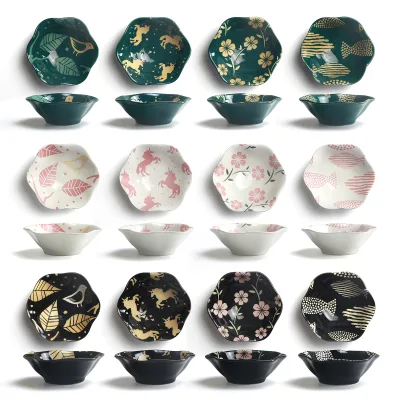
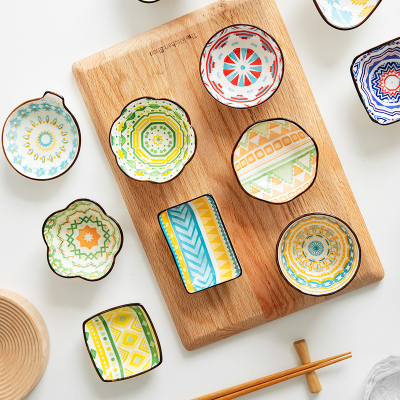
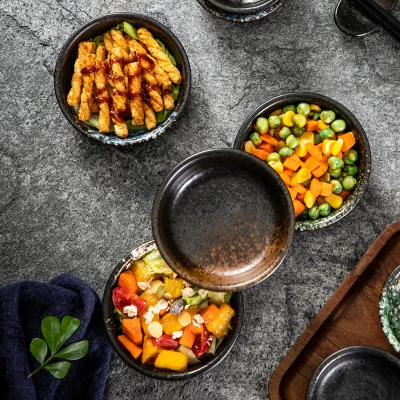
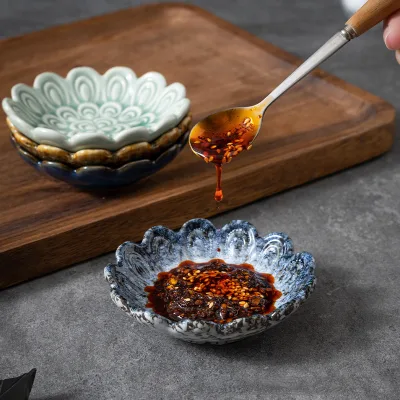
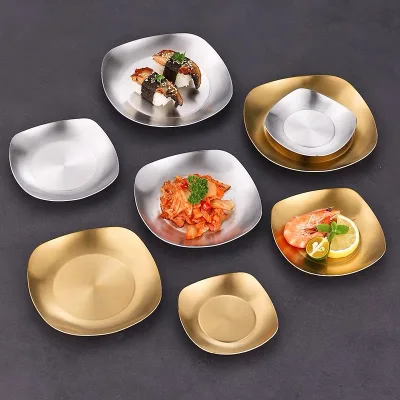
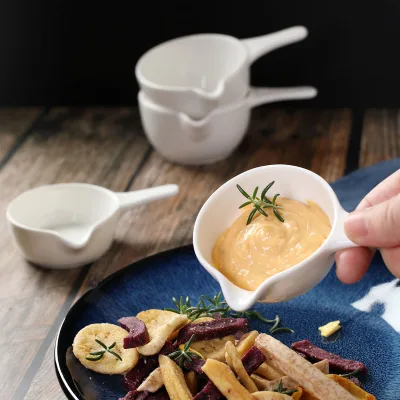
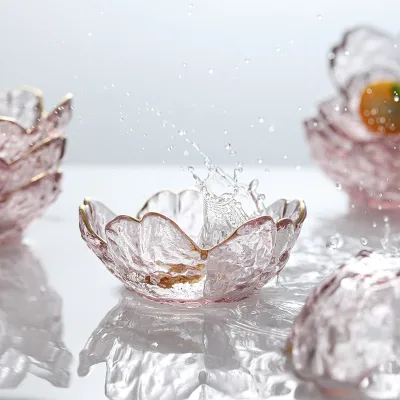


Seasoning Dish Tomato Sauce Dish Western Salad Bowl
$0.37 - $0.46
MOQ: 700 Pieces
Jinhua Hengyang Cross-Border Trade Limited Liability Company






Comprehensive Sourcing Guide
Strategic Sourcing Guide for Japandi Under Glazed Seasoning Dishes
Understanding the Japandi Aesthetic and Material Composition
The intersection of Japanese and Scandinavian design philosophies, known as Japandi, has created a distinct niche in the modern tableware market. This style prioritizes minimalism, functionality, and a deep appreciation for natural materials. When sourcing a "Japandi Under Glazed Seasoning Dish," buyers are specifically looking for items that embody these principles through a specific manufacturing technique and visual language. The core material identified in current market offerings is ceramic, a choice that aligns perfectly with the Japandi ethos of durability and earthy elegance. The "under glazed" technique is a critical differentiator; it involves applying color or pattern beneath the clear protective glaze layer. This method ensures that the visual design is sealed within the glass-like surface, making it resistant to fading, scratching, and chemical leaching from acidic foods like soy sauce or vinegar.
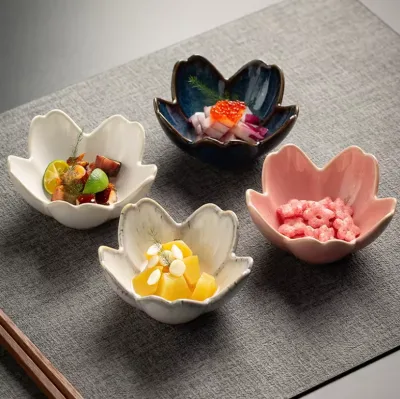
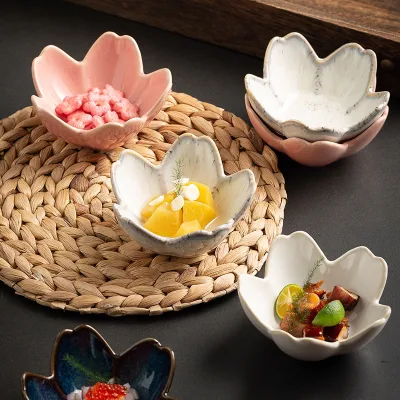
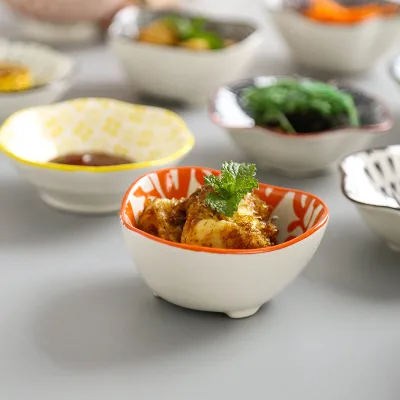
The aesthetic often features irregular shapes and organic forms, moving away from rigid symmetry to mimic natural elements. For instance, designs inspired by lotus shapes or other botanical motifs are prevalent, offering a sense of calm and connection to nature. The color palette typically leans towards muted tones such as black, white, and green, which are staples in the Japandi color story. These colors are not merely decorative but serve to create a cohesive visual experience that complements a wide range of dining settings, from high-end hotels to intimate home gatherings. The combination of the under-glazed technique with the ceramic base results in a product that is not only visually striking but also highly functional, offering high strength and thermal stability essential for daily use in commercial and residential environments.
Technical Specifications and Dimensional Standards
When evaluating potential suppliers for Japandi under glazed seasoning dishes, precise technical specifications are paramount. The dimensions of these dishes are often compact, designed specifically for condiments, dipping sauces, and small appetizers. Market observations indicate that a standard diameter for these items is approximately 4.1 inches, with a height around 1.3 inches, creating a low-profile silhouette that fits seamlessly on crowded tables. The capacity is typically around 100 ml, which is sufficient for serving soy sauce, chili oil, or small portions of garnish without overwhelming the main course.
The physical attributes of the product extend beyond dimensions to include weight and packaging. A single unit often weighs approximately 0.2 kg, a balance that ensures the dish feels substantial in the hand without being overly heavy for staff handling. The single package size is generally around 12x12x5 cm, a dimension that allows for efficient stacking and storage during shipping. It is crucial for buyers to verify that the "irregular" shape mentioned in design descriptions does not compromise the stability of the dish on a flat surface. Furthermore, the "under glazed" technique implies a specific thickness and density to the ceramic body to prevent cracking during the firing process. Buyers should request detailed dimension sheets that confirm the diameter and height tolerances, as slight variations in the firing process can lead to uneven surfaces that affect stacking or aesthetic alignment.
Functional Performance and Usage Scenarios
The functional versatility of Japandi under glazed seasoning dishes makes them suitable for a broad spectrum of applications. The primary usage scenarios include home dining, hotel service, restaurant operations, and party catering. The material properties, specifically the high thermal stability and durability, allow these dishes to withstand the rigors of commercial dishwashing cycles. Key functional attributes observed in the market include being dishwasher safe, microwave safe, and oven safe. These features are critical for modern food service operations where efficiency and speed are paramount. The ability to be microwaved allows for quick warming of sauces or small dishes, while oven safety ensures they can be used for baking or holding warm food.
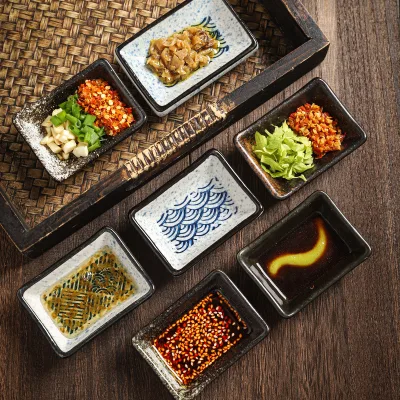
The "under glazed" finish also contributes to the hygienic properties of the dish. By sealing the color beneath the glaze, the surface becomes non-porous and resistant to staining from strong pigments found in spices and sauces. This is particularly important for seasoning dishes that frequently come into contact with turmeric, chili oil, or soy sauce. The design often supports specific occasions such as hot pot dining, where small dipping bowls are essential, or general meal service where a refined presentation is required. The "sustainable" nature of the ceramic material, combined with its longevity, aligns with the growing demand for eco-friendly dining solutions. Buyers should ensure that the supplier's production process supports these functional claims, particularly regarding the thermal shock resistance required for microwave and oven use.
Cost Drivers and Procurement Economics
The pricing and procurement structure for Japandi under glazed seasoning dishes are influenced by several factors, including material quality, manufacturing complexity, and order volume. The observed price range in the market varies significantly, typically falling between $0.29 and $4.07 per unit. This wide range reflects differences in ceramic quality, the intricacy of the under-glazed design, and the level of customization required. The Minimum Order Quantity (MOQ) is another critical economic factor. While some suppliers may offer lower thresholds, the standard MOQ for these specialized items often starts at 50 pieces, with some suppliers requiring up to 700 units for custom runs.
Customization is a major cost driver. The ability to offer "customized" pattern types and specific color combinations adds value but also increases the production complexity. Suppliers often support sample orders, allowing buyers to verify quality before committing to larger volumes. The packaging method, typically involving bubble wrap and cartons, adds to the overall cost but is essential for protecting the fragile ceramic during transit. Buyers should be aware that the "irregular" shape of the dish may require more careful packing than standard round plates, potentially increasing the single package weight and volume. When negotiating, it is advisable to consider the total landed cost, including shipping and packaging, rather than focusing solely on the unit price. The trade-off between a lower MOQ and a higher unit price should be carefully weighed against the buyer's inventory needs and cash flow constraints.
Supplier Evaluation and Quality Assurance Protocols
Selecting the right supplier requires a rigorous evaluation process that goes beyond simple price comparison. Given the specific nature of Japandi design and under-glazed techniques, buyers must verify the supplier's capability to maintain consistent quality. The place of origin is a significant indicator; suppliers based in regions like Guangdong and Fujian in China are known for their ceramic manufacturing expertise. However, geographic origin alone is not a guarantee of quality. Buyers should request evidence of the supplier's production capacity and their experience with "under glazed" techniques specifically.
Quality control protocols are essential to ensure that the "high strength and high thermal stability" claims are met. Buyers should inquire about the supplier's internal testing procedures for thermal shock resistance and mechanical durability. Since the product is intended for commercial use, the ability to withstand repeated dishwasher cycles is non-negotiable. A robust quality assurance plan should include random sampling of finished goods to check for glaze defects, color consistency, and dimensional accuracy. The "sustainable" attribute also warrants verification; buyers should ask for documentation regarding the sourcing of raw materials and the environmental impact of the manufacturing process. Additionally, the supplier's ability to provide samples is a strong indicator of confidence in their product quality. A willingness to provide samples allows buyers to physically inspect the "irregular" shape and the depth of the under-glazed finish before placing a large order.
Long-Term Procurement and Supply Chain Resilience
For buyers looking to establish a long-term relationship with suppliers of Japandi under glazed seasoning dishes, several strategic considerations must be addressed. The trend towards Japandi design suggests a growing market demand, making it a viable category for future growth. However, supply chain resilience is crucial. Buyers should assess the supplier's ability to scale production during peak seasons, such as holidays or major dining events. The "stocked" status of certain items can be a significant advantage, reducing lead times and ensuring immediate availability. However, for customized orders, lead times can vary, and buyers should establish clear communication channels to manage expectations.
The "single item" selling unit and the specific packaging requirements (Bubble + Carton) indicate that the supply chain must be capable of handling individual unit logistics as well as bulk shipments. Buyers should also consider the lifecycle of the product. Given the "durable" and "eco-friendly" attributes, these dishes are designed for long-term use, which reduces the frequency of replacement orders. However, this also means that any quality issues can have a lasting impact on the brand's reputation. Therefore, establishing a clear return policy and a mechanism for handling defective batches is essential. Finally, buyers should monitor the market for changes in material costs or regulatory requirements that could affect the production of ceramic tableware. Staying informed about these factors will help in maintaining a stable and cost-effective supply chain for Japandi under glazed seasoning dishes.
Comparative Analysis of Product Attributes
To facilitate decision-making, the following table summarizes the key attributes observed in the market for Japandi under glazed seasoning dishes. This comparison highlights the variations in specifications, features, and usage scenarios that buyers should consider.
| Attribute Category | Specific Observation | Relevance to Procurement |
|---|---|---|
| Material | Ceramic | Ensures durability and thermal stability; aligns with eco-friendly goals. |
| Technique | Under Glazed | Protects design from wear; ensures non-porous, hygienic surface. |
| Style | Japandi / Japanese | Drives aesthetic appeal; targets modern, minimalist market segments. |
| Shape | Irregular / Lotus | Unique visual identity; requires careful packaging to prevent breakage. |
| Dimensions | 4.1 Inch Diameter / 100 ml Capacity | Standard size for dipping sauces; fits most table settings. |
| Features | Dishwasher Safe, Microwave Safe, Oven Safe | Critical for commercial viability and operational efficiency. |
| MOQ | 50 Pcs (Typical) | Low barrier to entry for testing; higher volumes for cost efficiency. |
| Origin | Guangdong, Fujian (China) | Indicates established ceramic manufacturing hubs. |
| Packaging | Bubble + Carton | Essential for protecting fragile ceramic during transit. |
| Usage | Home, Hotel, Restaurant, Party | Versatile application across multiple market sectors. |
This structured approach to understanding the product attributes allows buyers to make informed decisions based on verified data rather than marketing claims. By focusing on the technical and functional aspects, buyers can ensure that the Japandi under glazed seasoning dishes they procure meet the high standards required for modern dining experiences.
FAQs
What is the standard capacity for these ceramic dishes?
The standard capacity is 100 ml, suitable for dipping sauces and condiments. This volume accommodates soy sauce or chili oil without overwhelming the main course on a dining table.
Which materials and techniques ensure durability for these items?
These dishes are made of ceramic using an under-glazed technique. This method seals the color beneath the glaze, providing high strength and thermal stability for daily commercial and home use.
Can these seasoning dishes be used in microwaves and dishwashers?
Yes, the products are dishwasher safe, microwave safe, and oven safe. These features allow for efficient cleaning and reheating while maintaining the integrity of the ceramic material and design.
What is the typical minimum order quantity for custom designs?
The minimum order quantity is typically 50 pieces for standard items. Some suppliers may require up to 700 units for fully customized runs involving specific patterns or colors.
How are these irregular shaped dishes packaged for shipping?
They are packaged using bubble wrap inside cartons to prevent breakage. The single package size is approximately 12x12x5 cm, ensuring efficient stacking and protection during transit.
Which locations are the primary sources for these ceramic products?
Primary origins include Guangdong and Fujian in China, known for ceramic manufacturing. These regions provide access to suppliers capable of producing the specific Japandi style and under-glazed techniques.