Source Japanese Micro Fingerboard Trucks for Storage, Shopping, Industrial
Compare 30 listings for Japanese Micro Fingerboard Trucks suitable for storage, shopping, and industrial applications. These versatile hand trucks feature folding handles and pneumatic wheels to handle loads up to 300kg efficiently.
Key considerations
Products List




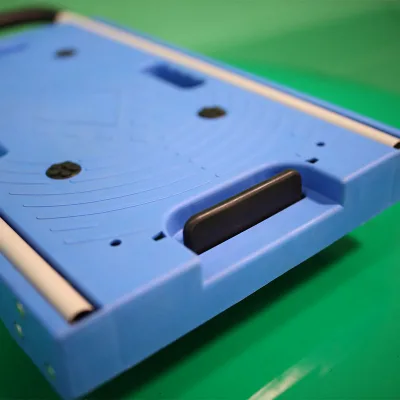
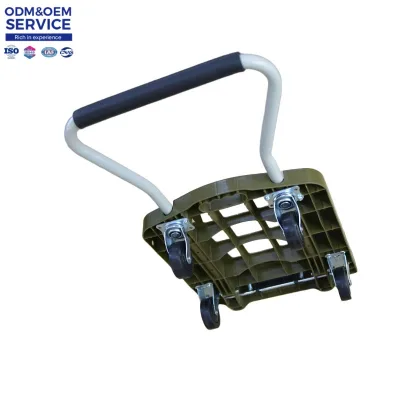
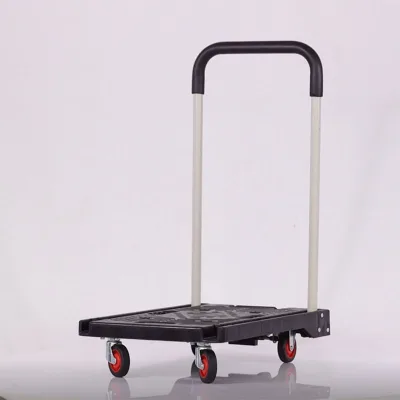
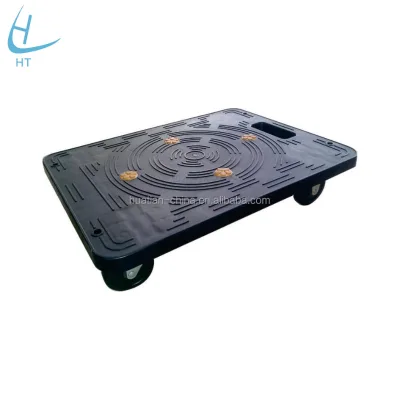


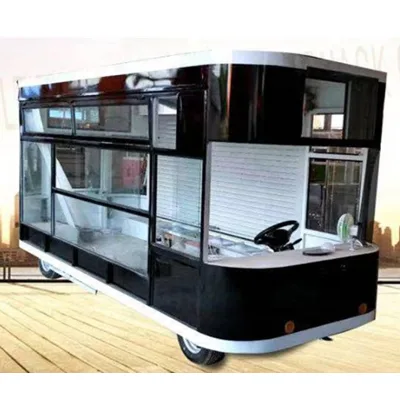
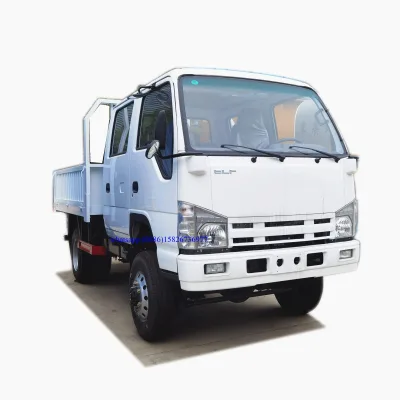
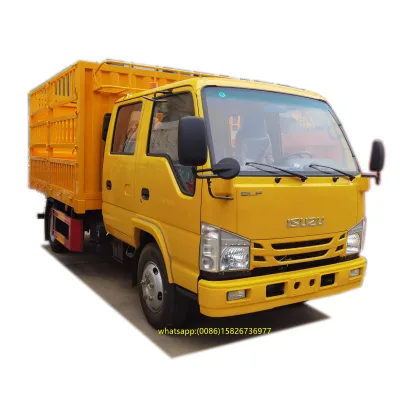
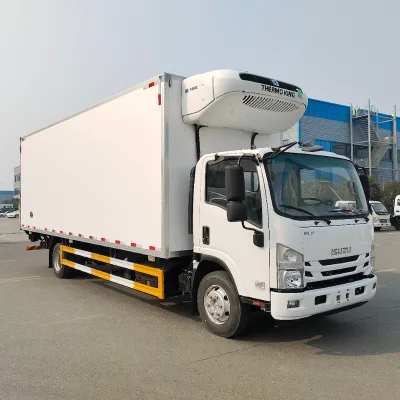
Comprehensive Sourcing Guide
Strategic Sourcing Guide for Japanese Micro Fingerboard Trucks
The global market for micro fingerboard trucks, often categorized under specialized miniature transport equipment or industrial hand trucks, presents a unique procurement challenge. Buyers seeking "Japanese Micro Fingerboard Trucks" must navigate a landscape where specific terminology often overlaps with general cargo handling equipment, trolley systems, and specialized industrial carts. The core keyword suggests a demand for compact, high-precision, and durable transport solutions, potentially inspired by Japanese engineering standards for efficiency and space optimization. However, when sourcing from global suppliers, particularly those in China as indicated by available market data, the definition of "micro fingerboard" may align with specific product attributes such as compact dimensions, specific wheel configurations, and high load capacities relative to their size. This guide provides a disciplined approach to evaluating these products based on verified market facts, ensuring that procurement decisions are grounded in observable specifications rather than unverified marketing claims.
Understanding Product Attributes and Technical Specifications
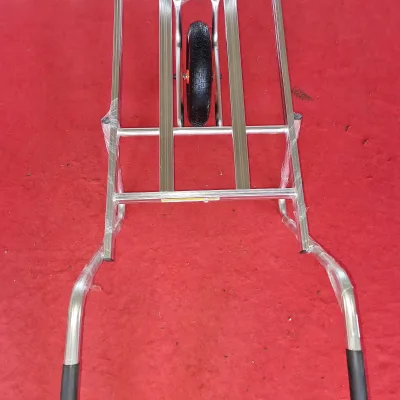
When evaluating micro fingerboard trucks, the primary focus must be on the physical and functional specifications that define their utility. The term "micro" in this context often implies a compact footprint suitable for tight industrial environments, storage facilities, or specialized applications like handling cylinders, drums, and buckets. Based on observed market data, buyers should look for specific structural and dimensional characteristics. For instance, a critical attribute for these units is the wheel configuration. While standard industrial carts often utilize four wheels for stability, micro variants may feature a two-wheel design with a folding handle mechanism to maximize portability. The data indicates that "Wheel Amount" can vary between 2 and 4, and "Wheel type" is frequently specified as "Pneumatic Rubber Wheel," which is essential for navigating uneven surfaces without damaging the cargo or the floor.
Material composition is another decisive factor. The observed market includes products constructed from "Aluminium," a material choice that offers an optimal balance between weight reduction and structural integrity. This is particularly relevant for "micro" applications where the total weight of the unit itself impacts maneuverability. The "Structure" is typically defined as "Platform," providing a stable base for various cargo types. Furthermore, the "Surface Handling" process, often listed as "Paint," ensures corrosion resistance, a vital trait for equipment used in industrial or outdoor settings. Buyers must verify if the specific unit they are sourcing matches these material and structural profiles, as deviations could indicate a different class of product entirely. The "Single package size" of 35x120x45 cm serves as a benchmark for logistics planning, ensuring that the procurement volume aligns with available storage and shipping constraints.
Compliance, Certification, and Safety Standards
In the realm of industrial equipment, compliance with international standards is non-negotiable. The procurement of micro fingerboard trucks requires a rigorous verification of certifications to ensure safety and quality. The market data explicitly lists "CE, GS, TUV" as available certifications for similar hand truck and trolley products. These certifications are critical indicators that the product meets European safety requirements (CE), German safety standards (GS), and TÜV technical inspection standards. For buyers targeting the Japanese market or adhering to Japanese safety expectations, these certifications often serve as a proxy for high-quality manufacturing, although specific Japanese Industrial Standards (JIS) should be confirmed directly with the supplier.
The "HS Code" is another essential compliance metric for international trade. The observed data points to HS codes such as 871680 and 8716800000, which classify these items under "Trailers and semi-trailers; other vehicles; parts and accessories thereof." Accurate classification is necessary for customs clearance and duty calculation. Additionally, the "Standard" field often references "CE," reinforcing the need for buyers to request proof of conformity. It is important to note that while certifications like "CE" and "GS" are present in the data, they are attributes of specific listings and not universal guarantees for every product. Buyers must treat these as observations of specific supplier capabilities rather than inherent properties of the entire category. Verifying the validity of these certificates with the issuing bodies is a prudent step to mitigate the risk of non-compliant imports.
Cost Drivers and Pricing Dynamics
The pricing of micro fingerboard trucks is influenced by a complex interplay of factors, including material costs, manufacturing complexity, and customization requirements. The observed price range in the market spans from $5.12 to $38,900 USD. This vast disparity highlights the difference between basic, single-item units and highly specialized, heavy-duty, or customized systems. The lower end of the spectrum likely corresponds to simple, single-item purchases with minimal features, while the upper end may reflect bulk orders, heavy load capacities, or units with advanced customization.
The "MOQ" (Minimum Order Quantity) is a significant cost driver, ranging from 1 to 1270 units. Buyers purchasing small quantities may face higher per-unit costs but benefit from flexibility. Conversely, larger orders can leverage economies of scale, potentially reducing the unit price. The "Selling Units" are often listed as "Single item," which suggests that the market supports both retail and wholesale procurement models. Customization is a major variable; the data confirms that "OEM, ODM, OBM" support is available. Engaging in customization, such as adding a specific "Logo" like "FORCE" or altering the "Color" to "Silver," will inevitably impact the final cost. Buyers should budget for these variables, understanding that a standard silver aluminium platform trolley will differ significantly in price from a custom-branded, high-capacity unit.
Typical Applications and Usage Scenarios
The versatility of micro fingerboard trucks is evident in their diverse application areas. The "Usage" field in the data lists "Storage, Shopping, Industrial, Tools, Other," indicating a broad utility. Specifically, the "Type" classification includes "General Purpose Hand Trucks," "Hand Trucks for Cylinders, Drums, & Buckets," and "Hand Trucks for Appliances & Large Equipment." This suggests that these units are not limited to a single niche but are adaptable to various logistical needs. The "Structure" as a "Platform" makes them ideal for transporting flat or irregularly shaped items, while the "Wheel type" ensures smooth movement across different terrains.
For the "Japanese micro fingerboard" context, the emphasis is likely on precision handling in compact spaces. The "Style" of "Unfolding" or "Foldable handle" is particularly relevant for environments where storage space is at a premium. The "Load Capacity" varies, with observed data showing capacities like "90LB, 100 lb" for lighter models and up to "300KGS" for heavier industrial variants. This range allows buyers to select a unit that matches their specific cargo requirements without over-engineering the solution. Whether for "Tools," "Shopping," or heavy industrial equipment, the ability to customize the "Type" ensures that the procurement aligns with the operational workflow.
Supplier Evaluation and Geographic Considerations
When sourcing these products, the geographic origin of the manufacturer plays a crucial role in logistics and quality perception. The data indicates origins in "Guangxi, China," "Shandong, China," and "Jiangsu, China (Mainland)." While the core keyword mentions "Japanese," the actual supply chain for these specific attributes often centers in Chinese manufacturing hubs known for producing aluminium hand trucks and trolleys. Buyers should evaluate suppliers based on their "Place of Origin" and the specific capabilities listed, such as "Online support" for after-sales service.
Supplier reliability is further assessed through "Lead Time" and "After-sales Service." The observed "LEAD TIME" of "30DAYS" provides a baseline for planning, though this can vary based on order volume and customization. The "After-sales Service" is frequently listed as "ONE YEAR" or "3 Years," with some suppliers offering "Online support." This warranty period is a critical metric for long-term procurement, as it reflects the manufacturer's confidence in their product's durability. Buyers should prioritize suppliers who offer clear warranty terms and responsive support channels, ensuring that any issues with the "Packing" or "Product name" can be resolved efficiently.
Quality Control and Long-Term Procurement Considerations
Ensuring the quality of micro fingerboard trucks requires a proactive approach to quality control. The "Condition" of the products is typically listed as "New," but buyers must verify the manufacturing process. The "Surface Handling" of "Paint" and the use of "Aluminium" are key quality indicators. Inspecting the finish for uniformity and checking the structural integrity of the "Platform" are essential steps. The "Single gross weight" of 23.000 kg for certain models provides a reference point for weight verification upon delivery.
For long-term procurement, the "Customization" availability is a strategic advantage. The ability to request specific "Model Number" variations, such as "CLW5070ZZXQ4" or "PH310," allows buyers to tailor the equipment to their specific operational needs. The "Warranty" of up to 3 years offers a safety net for extended use. However, buyers must remain vigilant about the "Market Segement," which is often listed as "Express transportation" or "Mini truck." This classification suggests that these products are designed for specific logistical niches. Aligning the procurement strategy with these segments ensures that the equipment performs optimally in its intended environment. By focusing on verified attributes like "Wheel Amount," "Material," and "Certification," buyers can build a resilient supply chain that meets the rigorous demands of modern industrial logistics.
FAQs
What certifications do these trucks typically have?
These trucks often carry CE, GS, and TUV certifications. Buyers should verify specific certificates for each listing as these are attributes of individual suppliers rather than universal guarantees for all products in the category.
Can I customize the logo and color of the truck?
Yes, customization including OEM, ODM, and OBM support is available. Suppliers offer options to add specific logos like FORCE and select colors such as silver, though this may affect the final unit price.
What is the lead time for manufacturing these units?
The standard lead time observed is 30 days. This duration applies to production and may vary depending on order volume, customization requirements, and the specific factory location in China.
Which wheel configurations are available for these trucks?
Available configurations include two-wheel and four-wheel setups. The wheels are typically pneumatic rubber types designed for stability and smooth movement across various industrial or storage surfaces.
What is the maximum load capacity for these trucks?
Load capacities vary significantly, ranging from 90 to 300 kilograms depending on the model. Buyers must select a specific unit based on their cargo weight requirements to ensure safe operation.
How long is the warranty period for these products?
Warranty periods typically range from one to three years. This coverage reflects the manufacturer's confidence in the product's durability and provides support for potential defects during the specified timeframe.
What material is used to construct these trucks?
The primary material used is aluminium, which balances weight reduction with structural integrity. This choice ensures the units remain portable while maintaining the strength needed for industrial and storage applications.