Source Japanese Plastic Kitchen Knife Set for Slicing, Chopping, and Prep
Explore 30 listings of the Japanese Plastic Kitchen Knife Set designed for home chefs and professionals. Compare stainless steel and ceramic options with bamboo or plastic handles, various blade lengths, and eco-friendly features to find the right tool for slicing, chopping, and food prep.
Key considerations
Products List
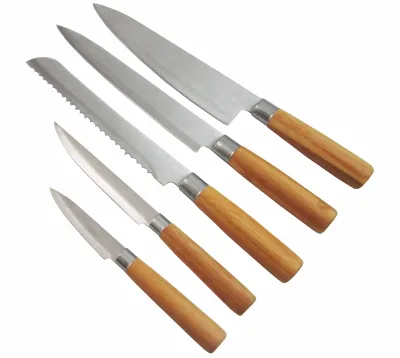


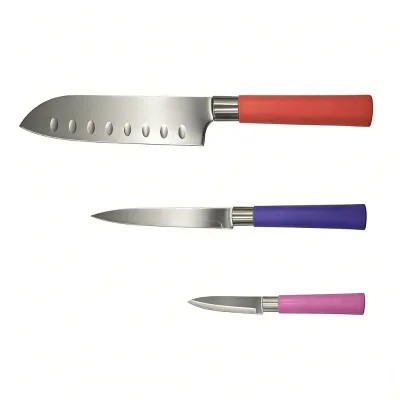
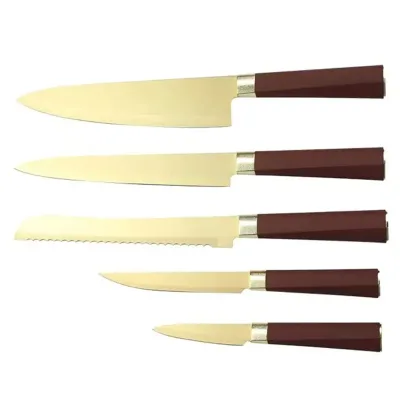
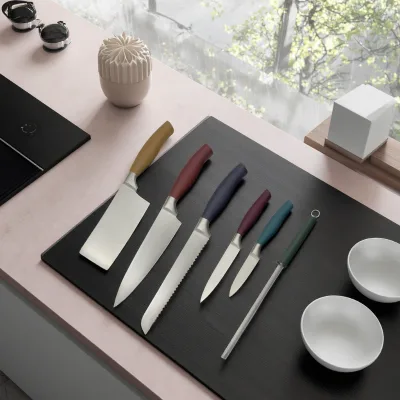

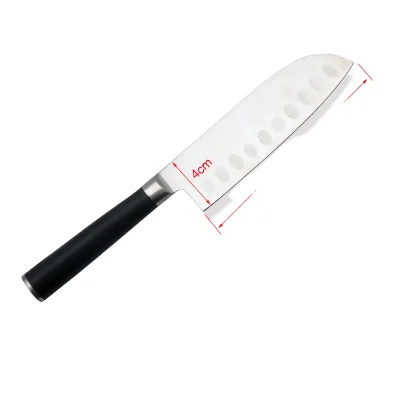


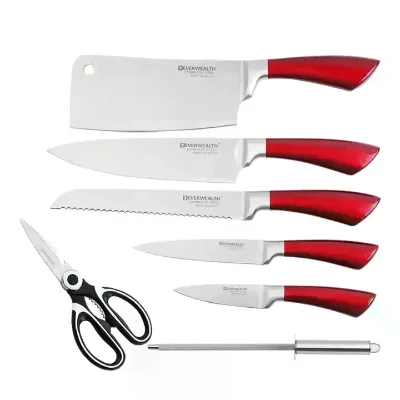
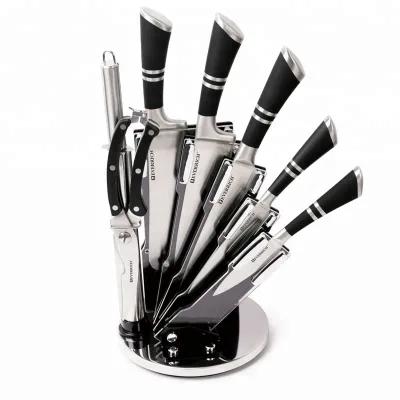
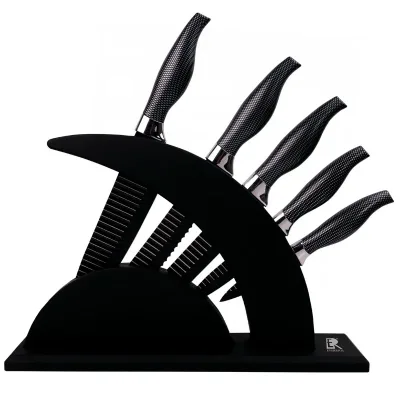
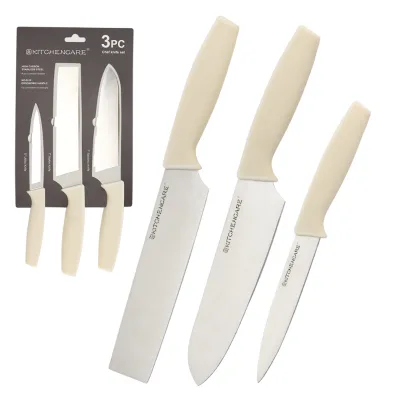

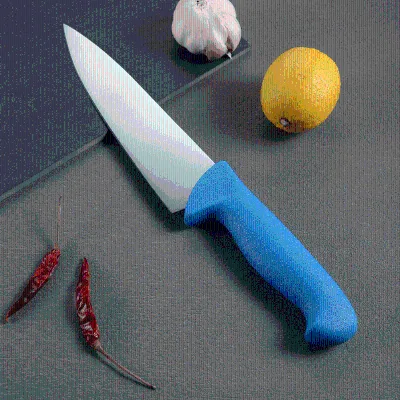


Comprehensive Sourcing Guide
Japanese Plastic Kitchen Knife Set Sourcing Guide
Sourcing a Japanese-style kitchen knife set with plastic handles requires careful evaluation of material compatibility and functional design. The observed market data indicates a diverse range of products, with prices spanning from $0.43 to $99.99 USD and minimum order quantities (MOQs) ranging from 50 to 3,000 units. Buyers must distinguish between genuine high-performance steel cores and budget-friendly alternatives, as the term "plastic" often refers to the handle material rather than the blade. Understanding this distinction is critical for aligning procurement goals with actual product capabilities and expected durability in professional or home kitchen environments.
Procurement teams should prioritize suppliers who provide clear specifications regarding blade composition, such as stainless steel or ceramic, alongside the specified plastic handle construction. The observed listings reveal variations in blade finishes, including polished, satin, and mirror finishes, which impact both aesthetics and maintenance requirements. Additionally, features like eco-friendly claims and customized logos suggest opportunities for branding and sustainability alignment. Buyers need to verify these attributes against their specific operational needs, ensuring that the selected knife sets meet both functional performance standards and corporate social responsibility guidelines.
Product Scope and Observed Listing Signals
The current market landscape for Japanese-style kitchen knives includes a variety of configurations, with observed product counts totaling thirty distinct listings. These sets typically feature multiple pieces, such as five-piece sets, designed for comprehensive kitchen tasks including slicing, chopping, and fruit preparation. The observed specifications highlight blade lengths ranging from 3.5 to 8.25 inches, catering to different cutting needs. Buyers should note that while some products emphasize traditional Japanese aesthetics, others incorporate modern materials like plastic handles for enhanced grip and durability, reflecting a blend of style and practicality in contemporary kitchenware design.
Marketing attributes observed in the listings include eco-friendly features, customized logos, and specific packaging options like polybags or safe packs. These elements indicate that suppliers are catering to both bulk commercial buyers and individual consumers seeking personalized or sustainable options. The presence of terms like "Granton Edge" and "Non-Stick Coating" suggests advanced functional features aimed at improving cutting efficiency and ease of use. Procurement professionals should evaluate these marketing claims against technical specifications to ensure that the advertised benefits align with the actual product performance and user experience expectations.
Technical Specifications to Verify
When evaluating technical specifications, buyers must verify the blade material, which is predominantly listed as stainless steel or ceramic in the observed data. The handle material is specified as either bamboo or plastic, with some listings indicating ambidextrous hand orientation for versatile use. Blade edge types vary, including straight edges and Granton edges, which affect cutting precision and food release. It is essential to confirm the exact blade length and size, as observed ranges include 3.5, 5, 6, 7, and 8.25 inches, ensuring that the selected knives match the intended culinary tasks and user preferences for optimal performance and safety.
Surface finishes and polishing techniques are also critical technical aspects to verify, with observed options including polished, satin, and mirror finishes. These finishes influence not only the aesthetic appeal but also the ease of cleaning and resistance to corrosion. Buyers should inquire about the specific manufacturing processes used, such as the blade finishing techniques, to ensure durability and longevity. Additionally, verifying the model numbers and standard sizes, such as 3.5"/5"/6" or 7" blade standards, helps in maintaining consistency across procurement orders and simplifies inventory management for subsequent replacements or expansions.
Compliance and Safety Documentation
Compliance with food safety standards is paramount when sourcing kitchen knives, particularly those with plastic components. Buyers must ensure that all materials, including handles and any coatings, are food-grade and free from harmful substances like BPA or phthalates. Although specific certification statuses are not provided in the observed data, suppliers should be required to provide documentation confirming compliance with relevant international food contact regulations. This due diligence helps mitigate health risks and ensures that the products meet the legal requirements for sale in target markets, protecting both the buyer and the end consumer from potential liability issues.
Additionally, safety documentation should include information on blade sharpness and edge retention, which are critical for preventing accidents during use. Buyers should verify that the knives are designed with ergonomic handles to reduce hand fatigue and improve control, thereby enhancing overall kitchen safety. It is also advisable to request test reports or quality assurance certificates that demonstrate the knives' resistance to corrosion and their ability to maintain sharpness over time. These documents provide tangible evidence of product quality and reliability, supporting informed procurement decisions and fostering trust in the supplier's commitment to safety and performance.
Cost Drivers and Commercial Terms
Cost drivers for Japanese-style kitchen knife sets include the type of blade material, handle construction, and packaging complexity. Stainless steel blades generally command higher prices than ceramic or lower-grade metals, while plastic handles offer a cost-effective alternative to wood or composite materials. The observed price range of $0.43 to $99.99 USD reflects these variations, with higher prices often associated with premium finishes, customized branding, and enhanced functional features. Buyers should analyze the cost structure in relation to the expected product lifespan and performance to determine the best value proposition for their specific procurement needs and budget constraints.
Commercial terms, such as minimum order quantities (MOQs) and packaging options, significantly impact the total cost of ownership. Observed MOQs range from 50 to 3,000 units, allowing flexibility for both small-scale and large-volume purchases. Packaging methods, including polybags and safe packs, add to the overall cost but are essential for protecting the knives during transit. Buyers should negotiate terms that balance cost efficiency with quality assurance, considering factors like shipping logistics and storage requirements. Clear communication regarding payment terms, lead times, and return policies is also crucial to avoid unexpected expenses and ensure a smooth procurement process.
Supplier Qualification and Quality Control
Supplier qualification involves assessing the manufacturer's production capabilities, quality control processes, and track record in the kitchenware industry. Buyers should verify the supplier's location, with observed origins primarily in Guangdong, China, and inquire about their experience in producing Japanese-style knives. It is essential to request samples for thorough evaluation, checking for consistency in blade sharpness, handle durability, and overall craftsmanship. Suppliers who demonstrate a commitment to quality through rigorous testing and inspection procedures are more likely to deliver products that meet the buyer's specifications and performance expectations, reducing the risk of defects and returns.
Quality control measures should include regular audits of the production line and final product inspections before shipment. Buyers should establish clear quality standards and communicate them effectively to the supplier, ensuring alignment on acceptable tolerances for dimensions, finishes, and materials. Implementing a robust quality assurance protocol, such as third-party inspections or pre-shipment checks, can help identify and address potential issues early in the process. By prioritizing suppliers with strong quality control systems, buyers can enhance product reliability, maintain brand reputation, and foster long-term partnerships based on trust and consistent performance.
Long-Term Procurement Checks
Long-term procurement success depends on continuous monitoring of supplier performance and product quality over time. Buyers should establish key performance indicators (KPIs) to track metrics such as defect rates, delivery times, and customer feedback. Regular reviews of these metrics help identify trends and areas for improvement, enabling proactive management of the supply chain. Additionally, maintaining open communication with suppliers facilitates timely resolution of issues and fosters collaborative problem-solving. By staying engaged with suppliers and adapting to changing market conditions, buyers can ensure a stable and reliable supply of high-quality kitchen knives that meet evolving customer demands.
Sustainability and innovation are also critical factors for long-term procurement strategies. Buyers should encourage suppliers to adopt eco-friendly practices and explore new materials or technologies that enhance product performance and reduce environmental impact. Observing trends in the market, such as the increasing demand for eco-friendly and customized products, can inform future sourcing decisions and help maintain a competitive edge. By aligning procurement strategies with broader corporate sustainability goals and consumer preferences, buyers can build a resilient supply chain that supports both business growth and positive social and environmental outcomes.
FAQs
What materials are used for the blades in these sets?
The blades are made from stainless steel or ceramic materials. Some models feature a polished finish while others have a satin polish. The handle material varies between bamboo and plastic depending on the specific model selected for purchase.
Which sizes are available in the five-piece sets?
Available sizes include 8 1/4 inches, 8 inches, 8.5 inches, 5 1/4 inches, and 3.5 inches. Blade lengths range from 3.5 to 8.25 inches. Specific models may also offer 7 inch or 3.5 inch options depending on the configuration.
Can I customize the logo on these knife sets?
Yes, logo customization is available for these products. Buyers can request specific branding on the handles or packaging. This service allows businesses to create unique sets tailored to their specific brand identity and market requirements.
What is the minimum order quantity for these sets?
The minimum order quantity ranges from 50 to 3000 units. Buyers should check specific supplier listings for exact MOQ requirements. This range accommodates both small trial orders and larger bulk procurement needs for various business scales.
How are the knife sets packaged for shipping?
Each piece is packed with a paper cover and polybag. The complete set is packaged as a five-piece unit. Some listings indicate safe packaging standards to ensure the knives arrive without damage during international transit and handling.
Where are these knife sets manufactured?
These products originate from Guangdong, China. The manufacturing location is consistent across the listed models. Buyers sourcing from this region should consider the established supply chain infrastructure available for kitchenware exports.
What functions do these Japanese chef knife sets serve?
These sets function as slicing knives, bone chopping knives, and fruit knives. They are designed for use by chefs and housewives in kitchen environments. The straight edge and granton edge options provide versatility for various food preparation tasks.