Source Japanese Hand Saw with Plastic Case for Wood, PVC, and Plastic Cutting
Find a Japanese Hand Saw with Plastic Case designed for woodworking, PVC trimming, and plastic cutting. Compare 30 verified listings featuring folding blades, 13-16 TPI options, and OEM support from Zhejiang suppliers.
Key considerations
Products List
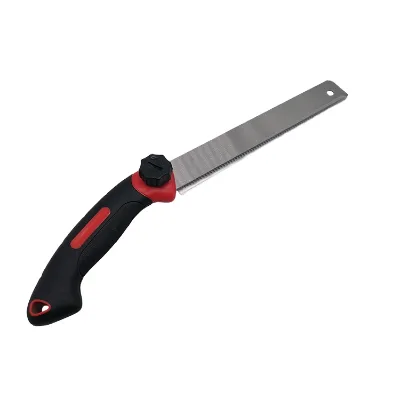
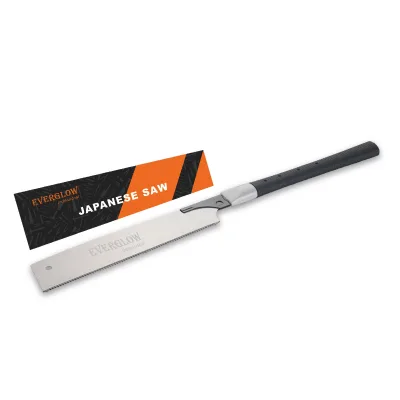
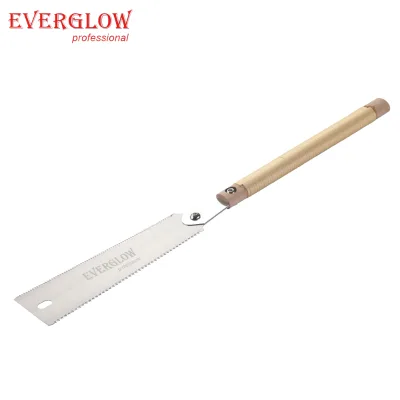
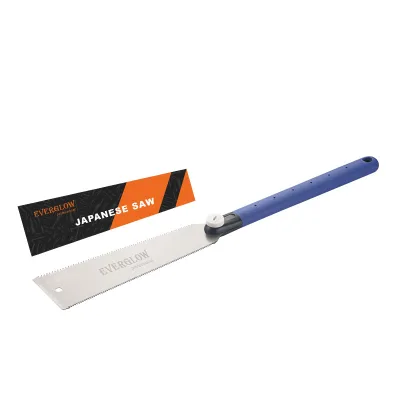
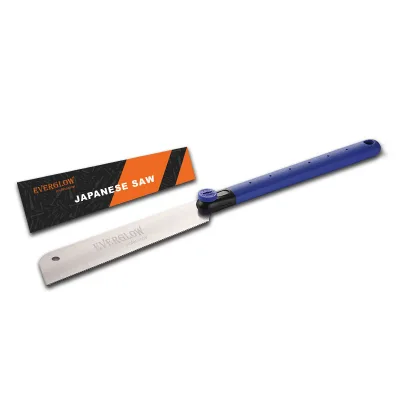
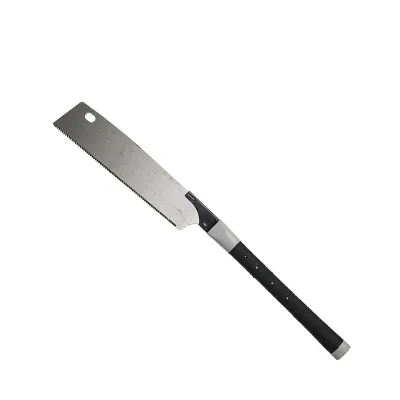


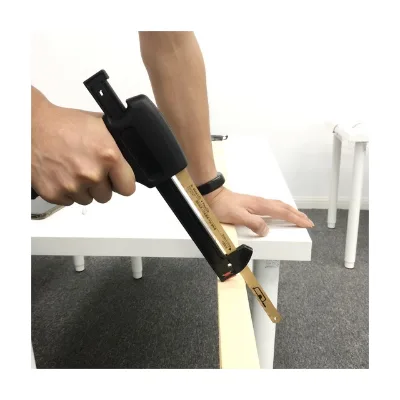

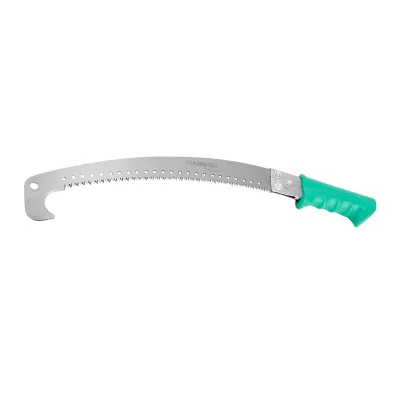


Comprehensive Sourcing Guide
Strategic Sourcing Guide for Japanese Hand Saw with Plastic Case
Understanding the Product Category and Core Specifications
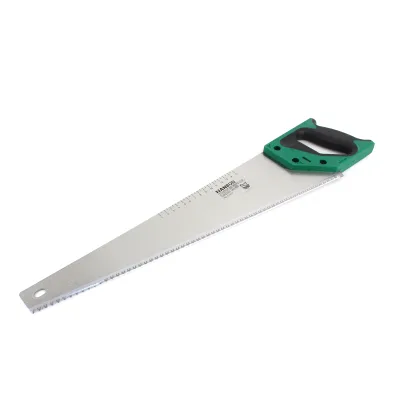
When sourcing a Japanese hand saw, buyers must first distinguish between traditional wooden-handled models and modern variants featuring plastic or composite components. The core keyword "Japanese Hand Saw with Plastic Case" often implies a specific packaging or handle configuration, though the supplied product data reveals a diverse range of specifications that do not universally include a plastic case. The observed product attributes indicate a strong presence of folding blades, hacksaws, and general hand saws originating from Zhejiang, China. Key technical specifications observed in the market include blade materials ranging from SK5 steel to 65 Mn Steel and 65MN, with blade thicknesses as thin as 0.7mm. The teeth per inch (TPI) is a critical variable, with observed values of 13, 14, and 16 TPI, often described as "Three Sides Teeth" or "three sides polished."
The application scope for these tools is broad, covering wood, PVC, plastic, and other materials. While some listings specify "Wood" as the primary application, others expand this to include "Woodworking Cutting triming" and general garden or jab saw functions. The handle materials vary significantly; while the search term suggests a plastic case, the actual product data lists handle materials such as ABS+TPR, plastic, and even beech wood with rattan. The presence of a "plastic case" in the user's search query may refer to the single package size dimensions (e.g., 25X6X1.5 cm or 63X5X2.3 cm) or a specific protective casing not explicitly detailed in every listing. Buyers should verify if the "plastic case" refers to the handle composition (ABS+TPR) or an external storage container, as the data shows both folding blades and replacement blades, which may influence the necessity of a protective case.
Technical Performance and Material Composition
The performance of a Japanese hand saw is heavily dependent on the metallurgy of the blade and the treatment processes applied. The supplied facts highlight two primary steel grades: SK5 and 65 Mn Steel (also listed as 65MN). SK5 is a high-carbon steel known for its ability to hold a sharp edge, while 65 Mn offers high elasticity and toughness, suitable for heavy-duty cutting. The surface treatment processes observed include "Surface Clear Coat Finish" and "Tooth Hardening." These processes are essential for preventing rust and maintaining the sharpness of the teeth during operation. The blade thickness of 0.7mm suggests a design optimized for kerf width, allowing for efficient material removal with less waste, a characteristic often prized in Japanese woodworking.
The teeth configuration is another critical technical factor. The data indicates "Three Sides Teeth" with TPI counts of 13, 14, and 16. A lower TPI (13) typically provides faster cutting in softwoods or green wood, while a higher TPI (16) offers a smoother finish suitable for hardwoods or finer joinery. The blade length varies from 250mm to 24 inches, with specific models offering lengths of 16, 18, 20, 22, and 24 inches. This variability allows buyers to select a tool based on the specific cut depth and material thickness required. The weight of the units also varies, with observed values ranging from 207.2g to 458g, and a single gross weight of 0.350 kg for specific models. The power source is consistently listed as "manual operation," confirming that these are non-powered tools relying on the user's physical effort.
Cost Drivers and Pricing Dynamics
The pricing for Japanese hand saws is influenced by several factors, including the blade material, handle composition, and the complexity of the manufacturing process. The observed price range in the market is between 0.6 and 5.99 USD. This wide range suggests significant variation in product quality, brand positioning, and included features. Lower-priced items may utilize standard 65MN steel with basic plastic handles, while higher-priced items might feature SK5 steel, advanced tooth hardening, or ergonomic ABS+TPR grips. The "Industrial" and "Diy" grades listed in the data indicate that cost also correlates with the intended usage environment. Industrial-grade tools likely undergo stricter quality control and use higher-grade materials, justifying a higher price point.
Minimum Order Quantity (MOQ) is another significant cost driver. The observed MOQ ranges from 1 to 3000 pieces, with a specific high-confidence fact noting an MOQ of 1500pcs for certain models. Buyers seeking smaller quantities may face higher per-unit costs or limited model availability, whereas bulk buyers can leverage the lower end of the price spectrum. The "Selling Units" are listed as "Single item," which simplifies the calculation of total order value but requires careful aggregation for bulk purchasing. Additionally, the "Single package size" and "Single volume" (noted as 0 cm³ in some entries, likely a data error to be verified) impact shipping costs. Larger blade lengths and heavier weights will increase freight expenses, which must be factored into the total landed cost.
Compliance, Certification, and Safety Standards
When sourcing hand saws, compliance with safety and quality standards is paramount, although specific certification data is not explicitly provided in the supplied facts. Buyers must verify that the tools meet international safety standards for hand tools, such as ISO standards for cutting tools or specific regional regulations regarding blade sharpness and handle durability. The "warranty" of 1 year observed in the data suggests a baseline expectation of product reliability, but buyers should confirm if this warranty covers manufacturing defects or normal wear and tear.
The "Surface treatment" and "Tooth Hardening" processes mentioned are critical for safety. A saw with inadequate hardening may dull quickly, leading to increased user effort and potential safety hazards from slipping. Buyers should request test results or compliance certificates regarding the steel hardness and the adhesion of the clear coat finish. Since the place of origin is Zhejiang, China, buyers should ensure that the supplier adheres to export regulations and that the products do not contain prohibited substances. The "grade" of the material, listed as "Industrial" or "Diy," should align with the intended safety protocols of the buyer's workplace. For industrial applications, tools must often meet stricter durability and safety criteria than those for DIY use.
Supplier Evaluation and Verification Protocols
Evaluating suppliers for Japanese hand saws requires a focus on their manufacturing capabilities and customization support. The data indicates that "OEM" and "ODM" support are available, with some suppliers offering both. This flexibility allows buyers to customize the handle material, blade length, or branding. The "brand name" EVERGLOW is observed, but buyers should not assume all products carry this brand; many may be generic or white-labeled. The "place of origin" is consistently Zhejiang, China, a major manufacturing hub for hand tools.
Buyers should verify the supplier's ability to maintain consistent quality across different TPI counts and blade materials. The variation in "Single gross weight" and "Single package size" suggests that suppliers may have multiple production lines or factories. A robust supplier evaluation should include a request for samples to test the "Secure Grip" of the handle, whether it is ABS+TPR, plastic, or wood. The "Function" of the saw, described as "Woodworking Cutting triming," should be validated through practical testing. Additionally, buyers should confirm the "model number" consistency, as observed models include GLH20081, JP0015, and JP0002. Ensuring that the supplier can consistently produce these specific models with the correct specifications is vital for maintaining inventory reliability.
Quality Control and Long-Term Procurement Strategy
Implementing a rigorous quality control (QC) process is essential for long-term procurement success. Buyers should establish clear acceptance criteria for blade thickness, TPI accuracy, and handle durability. The "blade type" being "Folding Blade" or "Replacement Blade" necessitates specific QC checks on the hinge mechanism or the compatibility of the blade with the handle. For folding saws, the locking mechanism must be tested to ensure it does not accidentally close during use. The "teeth type" should be inspected for uniformity and sharpness, as uneven teeth can lead to binding or inaccurate cuts.
Long-term procurement considerations include the availability of replacement parts and the consistency of the supply chain. The "warranty" period of 1 year provides a window for identifying systemic quality issues. Buyers should negotiate terms that allow for the replacement of defective units within this period. Furthermore, the "customized support" for OEM and ODM suggests that buyers can work with suppliers to improve product designs over time. This collaboration can lead to better ergonomics, improved materials, or enhanced safety features.
Comparative Analysis of Product Variants
To assist in decision-making, the following table summarizes the key variations observed in the product data. This comparison highlights the differences in materials, specifications, and intended use cases.
| Feature | Variant A (Industrial/Heavy Duty) | Variant B (DIY/General Purpose) | Variant C (Traditional/Custom) |
|---|---|---|---|
| Blade Material | SK5, 65 Mn Steel | 65MN | SK4 |
| Handle Material | ABS+TPR, Plastic | Plastic | Beech wood with rattan |
| Teeth Per Inch | 16 TPI | 13-14 TPI | 13 TPI |
| Blade Length | 16" - 24" | 250mm | 250mm |
| Grade | Industrial | DIY, Industrial | DIY |
| Surface Treatment | Tooth Hardening, Clear Coat | Standard | Polished |
| Application | Wood, PVC, Plastic | Woodworking, Trimming | Wood |
| Model Number | GLH20081 | JP0015 | JP0002 |
| Weight | 333g - 458g | 207.2g - 210g | 210g |
This table illustrates that while the core function remains the same, the specific configuration of the saw varies significantly. Buyers must align their selection with their specific operational needs, balancing the durability of industrial-grade tools against the cost-effectiveness of DIY options. The presence of both folding and replacement blade types further diversifies the market, requiring buyers to carefully assess their storage and usage requirements. By understanding these nuances, procurement teams can make informed decisions that optimize both cost and performance.
FAQs
What blade materials are available for these hand saws?
Available blade materials include SK5 steel, 65 Mn Steel, and 65MN. Some models also utilize SK4 steel for specific applications. Buyers should verify the exact grade required for their intended cutting tasks.
Which handle materials are used in these hand saws?
Handle materials vary and include ABS+TPR, plastic, and beech wood with rattan. The ABS+TPR option provides a secure grip for industrial use. Wooden handles offer a traditional feel for specific woodworking applications.
Can I find folding blade options for these hand saws?
Yes, folding blade types are available in the product listings. These designs often include protective cases or compact packaging to ensure safety during transport. Buyers should confirm the specific blade length and locking mechanism.
What is the typical teeth per inch configuration for these saws?
Teeth per inch configurations observed include 13, 14, and 16 TPI. The teeth are often described as three-sided polished or three-sided teeth. Select the TPI based on whether you need faster cutting or a smoother finish.
How does the MOQ vary for these hand saw products?
The minimum order quantity ranges from 1 to 3000 pieces depending on the supplier. Some specific models require an MOQ of 1500 pieces. Buyers seeking smaller quantities should verify individual supplier policies.
What surface treatments are applied to the saw blades?
Common surface treatments include a surface clear coat finish and tooth hardening. These processes enhance durability and prevent rust during operation. Buyers should ensure the treatment matches their storage and usage environment.
Which applications are these hand saws suitable for?
These saws are suitable for wood, PVC, plastic, and other materials. Specific functions include woodworking, cutting, and trimming. Some models are also designed for garden or jab saw applications.