Source Japanese Korean Style Satin Headbands for Daily Wear, Events, and Baby Care
Compare 30 listings of Japanese Korean Style Satin Headbands from verified Chinese manufacturers. Buyers can evaluate materials like cloth and satin, custom sizes, and OEM options for daily wear, events, and baby care applications.
Key considerations
Products List
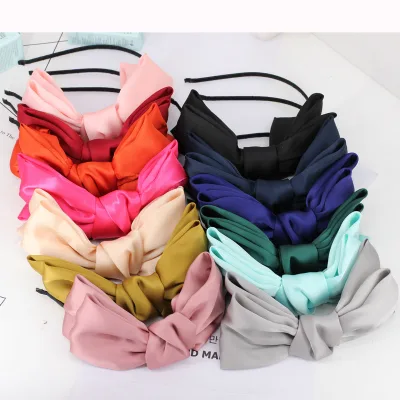
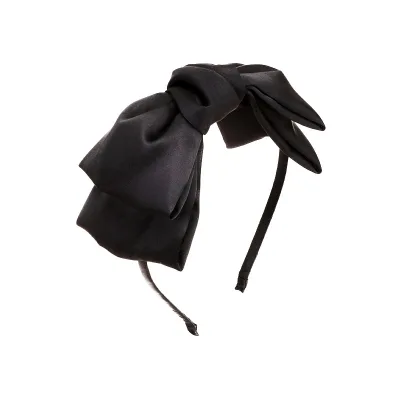
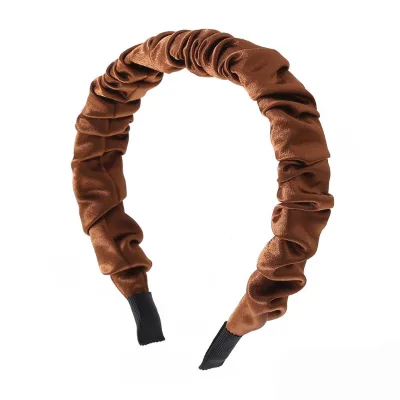
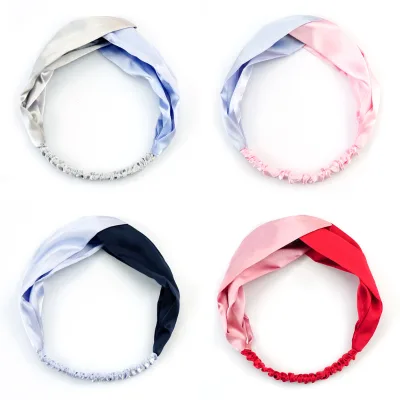
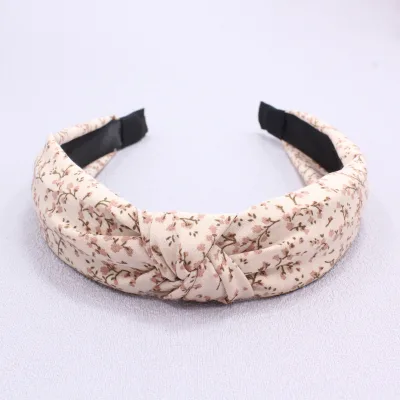
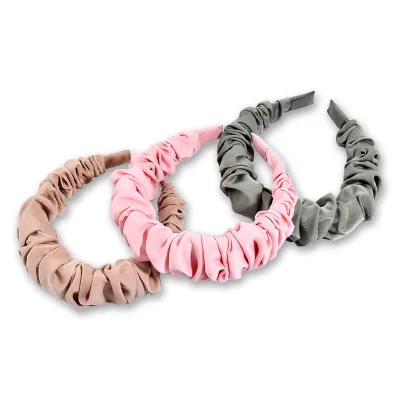
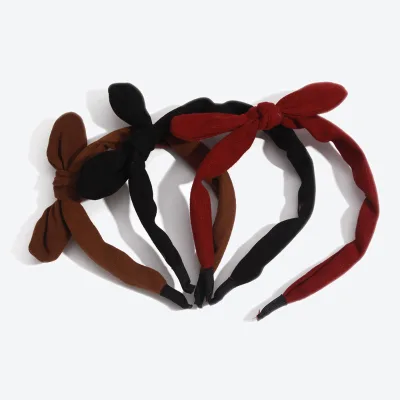


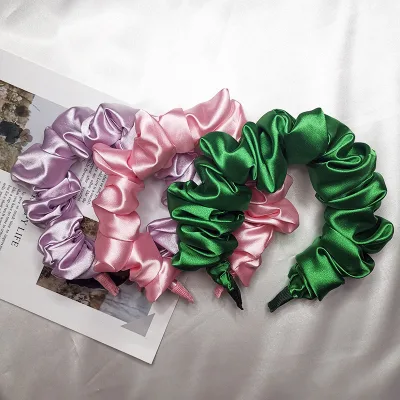
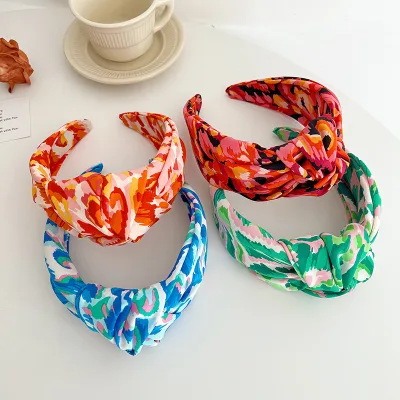
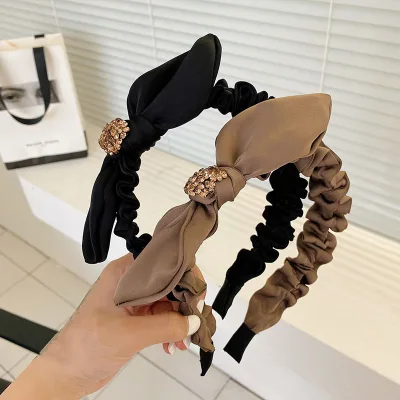
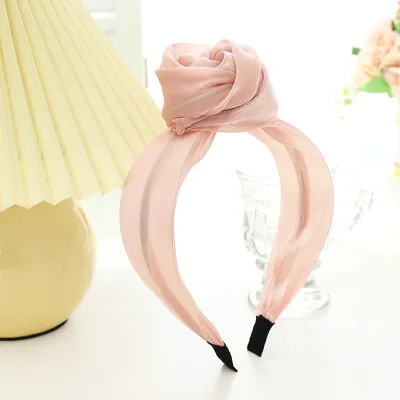
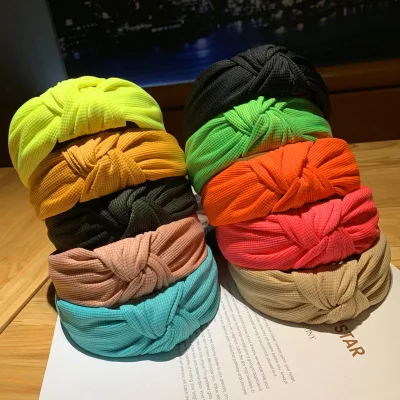
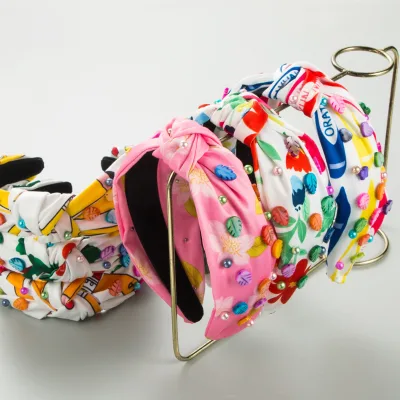


Female Korean Style Pretty Fashion Ornament Shiny Wide Sponge Padded Headband
$0.59 - $0.75
MOQ: 12 pieces
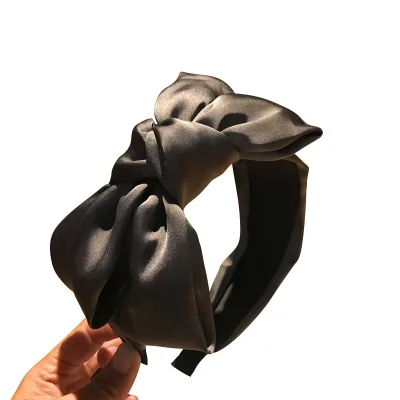
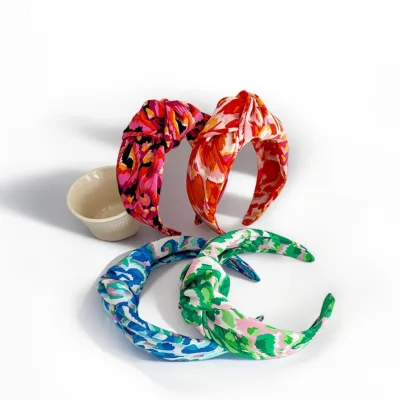
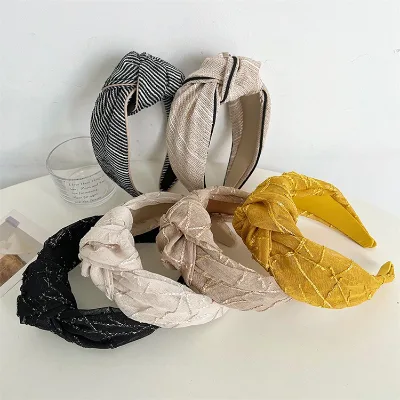


Comprehensive Sourcing Guide
Strategic Sourcing Guide for Japanese and Korean Style Satin Headbands
The global market for hair accessories has seen a significant surge in demand for products that blend aesthetic appeal with functional versatility, particularly those inspired by Japanese and Korean fashion trends. These styles are characterized by their minimalist elegance, soft textures, and attention to detail, often featuring satin finishes that provide a luxurious sheen while remaining gentle on the hair. For B2B buyers seeking to source "Japanese Korean Style Satin Headbands," the procurement process requires a disciplined approach to verifying product attributes, understanding supply chain logistics, and ensuring quality consistency. This guide outlines the critical factors for sourcing these items, drawing upon observed market data and standard industry practices to provide a robust framework for decision-making.
Understanding Product Specifications and Material Composition
The foundation of any successful sourcing strategy lies in a precise understanding of the product specifications. In the context of satin headbands, the material composition is the primary driver of both the aesthetic and functional value. The observed market data indicates that while "satin" is a key descriptor, the underlying material often varies between specific fabric types such as cloth, fabric, or satin blends. Buyers must distinguish between the visual finish and the base material to ensure the product meets the intended use case. For instance, some listings specify "Cloth Art Hair Band" or "Fabric" as the main material, while others explicitly state "Satin."
Dimensions and sizing are equally critical, as the "Japanese and Korean style" often implies specific proportions that differ from Western standards. The observed data reveals a range of specifications, including custom sizes and fixed dimensions such as 14*3 CM. The circumference of the headband is frequently customizable, which is a vital feature for accommodating diverse head shapes and ensuring a secure fit without causing discomfort. Furthermore, the packaging dimensions, such as 15X15X10 cm or 14X7X5 cm, directly impact logistics costs and storage efficiency. Buyers should verify the single package size and gross weight, which can range from 0.015 kg to 0.080 kg, to accurately calculate shipping expenses and warehouse requirements.
Design Elements and Aesthetic Standards
The aesthetic appeal of these headbands is defined by specific design elements that align with current fashion trends. The "Japanese and Korean style" is often associated with a "Sweet" or "Fashion" aesthetic, featuring elements like bowknots, solid colors, and minimalist designs. The color palette is diverse, with observed options ranging from standard neutrals like White, Black, Brown, and Purple to a broader spectrum of ten or more color variations. This variety allows buyers to curate collections that cater to different seasonal trends and consumer preferences.
The style of the headband also dictates its intended usage. While some products are marketed as "Multi Functional" for daily wear, others are specifically designed as "Hair Accessories Baby Headband" or for "Women." The distinction is important for targeting the correct demographic. The "Elements" of the design, such as the presence of a bowknot or a solid color finish, should be clearly defined in the product brief. Additionally, the "Feature" of the product, whether it is purely decorative or includes functional aspects like hair holding, must be verified against the supplier's capabilities. The "Logo" customization options, including the acceptance of customized logos, offer an opportunity for branding, which is essential for retailers looking to build a unique identity.
Cost Drivers and Minimum Order Quantity Considerations
Pricing and order volume are pivotal factors in the procurement of satin headbands. The observed price range in the market spans from $0.30 to $3.19 USD, reflecting the variability in material quality, design complexity, and order volume. Several cost drivers influence this range, including the type of fabric used, the intricacy of the design (such as the addition of bowknots), and the level of customization required. Custom packaging and logo printing often incur additional costs, which buyers should factor into their total landed cost calculations.
Minimum Order Quantity (MOQ) is another significant variable. The data shows a wide range of MOQs, from as low as 1 piece to as high as 1000 pieces, with common thresholds observed at 50, 100, and 500 pieces. This variability allows buyers to test the market with smaller orders or commit to larger volumes for better unit pricing. However, buyers must align their MOQ expectations with their inventory strategy and cash flow. For new entrants or those testing a new product line, suppliers offering lower MOQs are preferable, while established brands may benefit from the economies of scale offered by higher volume orders. It is essential to negotiate these terms clearly, as the MOQ can significantly impact the initial investment required.
Supplier Evaluation and Geographic Sourcing
Geographic location plays a crucial role in the sourcing of hair accessories. The observed data indicates that suppliers are primarily located in major manufacturing hubs in China, specifically Zhejiang and Guangdong provinces. These regions are known for their robust textile industries and specialized manufacturing capabilities for fashion accessories. When evaluating suppliers, buyers should verify the "Place of Origin" to ensure it aligns with their quality expectations and logistical preferences.
Supplier evaluation should extend beyond location to include their capacity for Original Equipment Manufacturing (OEM) and Original Design Manufacturing (ODM). The market data confirms that many suppliers accept OEM and ODM services, allowing buyers to customize product designs, packaging, and branding. The ability to provide customized samples is another critical indicator of a supplier's flexibility and commitment to quality. Buyers should assess the sample time, which is observed to be around 3 to 5 days, to determine if it meets their project timelines. Additionally, the "Brand Name" associated with the product, whether it is a specific brand like "SIYWINA" or a generic "OEM" designation, can provide insights into the supplier's market positioning and reputation.
Quality Control and Compliance Verification
Ensuring product quality and compliance is paramount in the B2B procurement process. While specific certification standards are not explicitly detailed in the provided data, buyers must proactively verify that the products meet relevant safety and quality standards for the target market. This includes checking for compliance with textile safety regulations, such as restrictions on harmful dyes and chemicals, which are particularly important for products intended for children or sensitive skin.
Quality control should be integrated into the procurement workflow at multiple stages. Buyers should request detailed product specifications, including material composition, dimensions, and color fastness, before placing an order. The "Single gross weight" and "Single package size" should be verified to ensure consistency across batches. Furthermore, the "Packing" method, whether it is a standard Opp Bag or custom packaging, must be inspected to prevent damage during transit. Implementing a third-party inspection service for pre-shipment checks can help identify defects early and ensure that the final product meets the agreed-upon standards.
Long-Term Procurement and Supply Chain Resilience
Building a sustainable and resilient supply chain is essential for long-term success in the hair accessories market. Buyers should consider the supplier's ability to scale production in response to fluctuating demand, especially given the seasonal nature of fashion trends. The "Sample time" and "Lead time" are critical metrics to monitor, as delays in these areas can disrupt inventory planning and sales cycles.
Collaboration with suppliers on design innovation and material improvements can also provide a competitive advantage. By engaging in ongoing dialogue regarding "Custom Size" options and new "Elements" like updated bowknot designs, buyers can stay ahead of market trends. Additionally, establishing clear communication channels and contractual agreements regarding quality standards, delivery schedules, and dispute resolution mechanisms will help mitigate risks. The "Function" of the product, such as its multi-functional use, should be continuously evaluated to ensure it remains relevant to consumer needs.
Comparative Analysis of Product Variants
To facilitate informed decision-making, buyers can utilize a comparative analysis of different product variants based on the observed data. The following table summarizes key attributes of the headbands found in the market, highlighting the differences in material, size, and MOQ.
| Attribute | Variant A | Variant B | Variant C |
|---|---|---|---|
| Product Name | Hair Headhand | Hair band | Elastic headbands |
| Material | Cloth Art Hair Band | Satin | Fabric |
| Size | Custom Size | 14*3 CM | Headband Circumference: customized |
| MOQ | 50 pcs | 100 pcs | 500 pcs |
| Style | Fashion | Sweet | Popular |
| Elements | Bowknot | Solid Color | (Not specified) |
| Color Options | 1-11 colors | White, Purple, Brown, Black | Not specified |
| Packaging | Opp Bag | 1pc/opp Bag | Custom Packaging |
| Origin | Zhejiang, China | Guangdong, China | Not specified |
This comparison illustrates the diversity available in the market. Variant A offers a broad color range and low MOQ, suitable for testing. Variant B focuses on a specific size and sweet style, ideal for targeted collections. Variant C emphasizes customization and higher volume, catering to established brands. Buyers should select the variant that best aligns with their specific business strategy and customer base.
In conclusion, sourcing Japanese and Korean style satin headbands requires a meticulous approach that balances aesthetic requirements with logistical and financial constraints. By carefully evaluating product specifications, supplier capabilities, and quality control measures, buyers can build a robust supply chain that delivers high-quality products to their customers. The dynamic nature of the fashion market demands agility and foresight, making it essential for buyers to stay informed and adaptable in their procurement strategies.
FAQs
What materials are used for these headbands?
Materials vary between cloth, fabric, and satin blends. Listings specify options like Cloth Art Hair Band, Satin, or Fabric to ensure the product meets specific aesthetic and functional requirements for different buyers.
Can I customize the size and logo?
Yes, custom sizes and logos are widely accepted. Suppliers offer customized headband circumferences and allow branded logos, enabling buyers to tailor products to specific market needs and brand identities.
What is the minimum order quantity required?
Minimum order quantities range from 50 to 500 pieces depending on the supplier. Some listings require 50 pieces, while others set thresholds at 100 or 500 pieces to balance inventory costs and production efficiency.
Where are these products manufactured?
Products originate from major manufacturing hubs in China. Specific locations include Zhejiang and Guangdong provinces, which are known for robust textile industries and specialized capabilities in fashion accessory production.
How long does it take to get a sample?
Sample times typically range from 3 to 5 days. Suppliers accept customized samples to verify quality and design before full production, ensuring the final product aligns with buyer expectations and specifications.
What packaging options are available for these items?
Packaging ranges from standard Opp bags to custom solutions. Options include single items in Opp bags or tailored packaging, allowing buyers to choose based on logistics needs and branding requirements.