Find Japanese Movement Analog Quartz Watch for Gifts, Retail, and Promotions
Source a wide selection of Japanese Movement Analog Quartz Watch options from 30 verified suppliers. Compare features like dial color, case material, and movement type to find the right timepiece for your business needs.
Key considerations
Products List
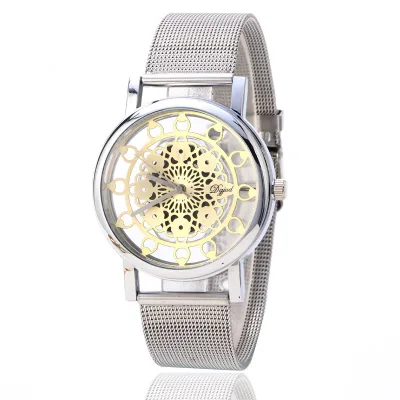




Logo Pocket Watch Classic Matt Silver Quartz Pocket Watch with Japan Movement
$3.88 - $24.58
MOQ: 500 Pieces


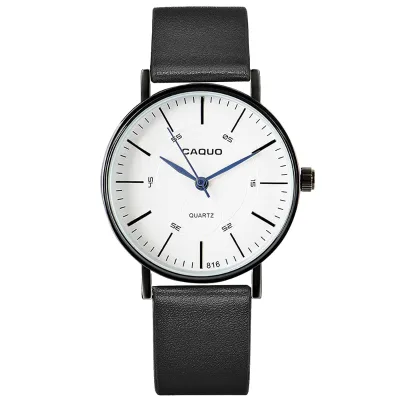
Japan Movement Quartz Watch Fashion Wrist Genuine Leather Watches Wy-023
$2.00 - $8.00
MOQ: 500 Pieces


Comprehensive Sourcing Guide
Strategic Sourcing Guide for Japanese Movement Analog Quartz Watches
Understanding the Core Product Category and Technical Specifications
When sourcing a Japanese Movement Analog Quartz Watch, buyers must first distinguish between the movement origin and the overall assembly. While the core keyword specifies a Japanese movement, the supplied product data indicates a significant portion of the market consists of watches manufactured in China with varied movement types, including standard quartz, mechanical, and digital displays. The term "analog" in this context refers to the display method where hands indicate time on a dial, distinct from digital readouts. The provided facts confirm that analog display methods are a primary feature for specific models, such as the Strap Quartz Watch-081C and Movement Watch-020M.
Technical specifications for these timepieces vary widely based on the intended application. The case shape is predominantly round, a classic design choice that aligns with both modern and sport styles. The dial color is observed in both white and black variants, allowing for customization to match brand aesthetics. The case material is frequently listed as metal, including stainless steel, brass, or alloy, with some specific entries noting zinc alloy for band materials. The thickness of the watch case is a critical dimension for fit and comfort; observed data points to a thickness of 8mm for specific models like the HM-1074P, though this is not a universal standard for all analog quartz watches.
The movement itself is the heart of the device. While the search query emphasizes Japanese movements, the available product facts list "Quartz" as a general movement type and "Mechanical watch, Quartz watch" as style descriptors. Buyers must verify the specific origin of the movement during the supplier evaluation phase, as the term "quartz" alone does not guarantee Japanese manufacturing. The presence of features such as Day/Date and Luminous capabilities adds functional value, particularly for sport and European style watches. The clasp type is another variable, with observations ranging from standard buckles to bracelet clasps, influencing the final user experience and security of the wristwear.
Compliance, Certification, and Regulatory Standards
Navigating the regulatory landscape is essential for B2B procurement, especially when importing timepieces from regions like China. The supplied product facts explicitly mention CE and RoHS certifications. CE marking indicates conformity with health, safety, and environmental protection standards for products sold within the European Economic Area. RoHS (Restriction of Hazardous Substances) compliance ensures that the watch does not contain specific hazardous materials, which is a critical requirement for electronics and metal components in many global markets.
However, buyers should not assume that every listed product possesses these certifications without verification. The data shows that some products are certified with both CE and RoHS, while others may only list CE. It is the buyer's responsibility to request current, valid certificates for the specific batch being ordered. The standard for the product is often listed as "Customized," which implies that the manufacturing process can be adapted to meet specific regional standards, but this customization must be documented and validated.
Regarding material standards, the facts note that cases can be made of stainless steel, brass, or alloy, and bands may be zinc alloy or silicon. The plating technics, such as PVD (Physical Vapor Deposition), are used to enhance durability and appearance. Buyers must ensure that the plating process adheres to environmental and safety standards, particularly if the destination market has strict regulations on heavy metals. The packaging standard, often described as "Bubble Bag or Color Box," also plays a role in compliance, as packaging materials may need to meet recycling or sustainability mandates depending on the import country.
Cost Drivers and Pricing Dynamics
The pricing structure for Japanese movement analog quartz watches is influenced by several factors, including movement origin, material quality, and customization levels. The observed price range in the market data spans from $0.80 to $30.20 USD. This wide disparity highlights the difference between basic, mass-produced units and higher-end models with premium materials or complex features. The lower end of the spectrum likely corresponds to watches with basic zinc alloy components and standard quartz movements, while the upper end may reflect models with stainless steel cases, PVD plating, and advanced features like luminous dials.
Minimum Order Quantity (MOQ) is a significant cost driver. The observed MOQ range is between 2 and 5000 units. A low MOQ of 2 allows for small sample orders or testing the market with minimal financial risk, but the unit price will likely be higher. Conversely, an MOQ of 5000 suggests a focus on bulk manufacturing, which typically lowers the per-unit cost but requires a larger capital outlay. The ability to accept small orders is a specific attribute noted in the data, indicating that some suppliers are flexible for buyers who are not yet ready for large-scale production.
Customization is another major factor affecting cost. The data confirms that customization is available for logos, packaging, and potentially the standard of the product. Customized logos and packaging add to the production cost but are essential for brand differentiation. The "OEM: Yes" attribute indicates that suppliers are willing to manufacture products under the buyer's brand name, which involves additional setup costs compared to buying off-the-shelf generic models. Buyers must balance the desire for customization against the budget constraints, understanding that higher customization levels will push the price closer to the upper limit of the observed range.
Typical Applications and Market Segmentation
The versatility of analog quartz watches allows them to serve a diverse range of applications, from everyday wear to specialized professional use. The product attributes highlight a "Unisex" and "Women" gender focus, suggesting that these watches are marketed heavily toward female demographics, though the "Unisex" label indicates broader appeal. The style descriptors, including "Modern," "Sport," and "European," point to distinct market segments. Sport-style watches often feature durable materials like silicone straps and robust cases, suitable for active lifestyles. European styles may emphasize elegance and classic design, appealing to fashion-conscious consumers.
The "Day/Date" and "Luminous" features are particularly relevant for practical applications. Watches with these features are suitable for environments where time readability is crucial, such as outdoor activities or professional settings where lighting conditions vary. The "Detachable Case" and "Undetachable Case" options suggest different use cases; detachable cases might be preferred for easy strap replacement or maintenance, while undetachable cases offer a more integrated, secure design.
The "Girls, Women" suitability indicates a strong presence in the fashion accessory market. These watches are often used as promotional items or corporate gifts, given the "Customized Logo" and "OEM" capabilities. The "New" age attribute suggests that these are contemporary designs, likely appealing to younger demographics or those seeking modern aesthetics. The "Bubble Bag or Color Box" packaging options further support their use as retail-ready products or gift items, where presentation is as important as the product itself.
Supplier Evaluation and Sourcing Strategy
Evaluating suppliers for Japanese movement analog quartz watches requires a rigorous approach to verify claims and ensure reliability. The data indicates that the product origin is China, which is a major manufacturing hub for this category. However, the specific claim of a "Japanese movement" must be validated. Buyers should request documentation proving the movement's origin, as the term "quartz" is generic and does not inherently imply Japanese manufacturing.
Key evaluation criteria include the supplier's ability to meet MOQ requirements, their certification status, and their customization capabilities. The "Small Orders: Accepted" attribute is a positive indicator for flexibility, but buyers should also assess the supplier's capacity to handle larger orders if the business scales. The "Customized" standard and "OEM: Yes" attributes suggest that the supplier is capable of tailoring products, but the buyer must define the scope of customization clearly to avoid misunderstandings.
Quality control is paramount. The "Quality: Best" attribute is a marketing claim and should be treated as an observation rather than a guaranteed standard. Buyers should implement a quality control plan that includes pre-shipment inspections, focusing on movement accuracy, case durability, and plating quality. The "Plating Technics: PVD" is a specific detail that should be verified to ensure the plating is applied correctly and meets durability expectations.
Quality Control and Long-Term Procurement Considerations
Maintaining high quality standards is essential for long-term success in the watch market. The observed specifications, such as the 8mm thickness and 34mm dial diameter, provide benchmarks for physical inspection. Buyers should verify that the actual product dimensions match these specifications, as deviations can affect the fit and aesthetic appeal. The "Waterproof" attribute is another critical quality metric; however, the degree of water resistance is not specified in the data. Buyers must clarify the exact water resistance rating (e.g., 3ATM, 5ATM) to ensure the watch meets the intended use case.
Long-term procurement considerations involve building a sustainable supply chain. The "Customized" nature of the product standard and packaging suggests that buyers should establish clear specifications early in the relationship to ensure consistency across production runs. The "Bubble Bag/Customizable Packaging Box" option allows for branding, but the durability of the packaging must be sufficient to protect the watch during shipping and storage.
Buyers should also consider the lifecycle of the product. The "Quartz" movement is generally reliable and low-maintenance, but the battery life and replaceability should be confirmed. The "Metal" case material and "Zinc alloy" band material offer durability, but the potential for corrosion or wear over time should be assessed. Regular quality audits and feedback loops with the supplier can help maintain product standards and address any issues promptly.
Conclusion and Final Procurement Recommendations
Sourcing Japanese movement analog quartz watches requires a balanced approach that considers technical specifications, compliance, cost, and supplier reliability. The wide range of observed prices and MOQs offers flexibility for buyers of all sizes, from small startups to large enterprises. However, the generic nature of some product attributes necessitates careful verification of claims, particularly regarding movement origin and certification status.
Buyers should prioritize suppliers who can provide transparent documentation for CE and RoHS compliance, as well as clear evidence of the movement's origin. Customization options offer significant value for brand building, but they must be managed with clear specifications to avoid quality inconsistencies. By focusing on quality control, verifying technical details, and establishing strong supplier relationships, buyers can successfully navigate the market and procure high-quality analog quartz watches that meet their specific needs and market demands. The data provided serves as a foundation for understanding the current market landscape, but active due diligence remains the key to successful procurement.
FAQs
Can I find Japanese movement analog quartz watches with CE certification?
Yes, some models in the supply chain carry CE certification, though not all listed products guarantee this. Buyers must verify specific batch certificates since the data shows mixed certification status including CE and RoHS for certain items.
What is the typical MOQ for sourcing these watches?
The minimum order quantity ranges from 2 to 5000 units depending on the supplier and customization needs. Small orders are accepted by some vendors, while bulk pricing typically requires higher volume commitments up to the 5000 unit threshold.
Which dial colors are available for these analog quartz watches?
White and black dial colors are observed in the current product listings for these timepieces. These colors allow for customization to match brand aesthetics, with the case shape predominantly being round across the available models.
How can I customize the logo on these watches?
Customized logos are available as a standard service for OEM orders on these analog quartz watches. This customization option allows buyers to brand the timepieces, often paired with customizable packaging like color boxes or bubble bags.
What is the price range for these watches?
The observed price range spans from 0.8 to 30.2 USD per unit based on material and feature differences. Lower prices often correspond to basic zinc alloy components, while higher prices reflect stainless steel cases or advanced features like luminous dials.
Can these watches be sourced with a detachable case?
Yes, detachable cases are available for specific models, while others feature undetachable designs. This variation allows buyers to choose between easy strap replacement options or more integrated, secure designs depending on their target market preferences.