Source Japanese Diatomaceous Earth Coaster for Home, Hotel, and Cafe
Explore 30 listings for the Japanese Diatomaceous Earth Coaster to compare features like insulation, customization, and material. Buyers can evaluate options for home, office, and commercial use with varying styles and sizes.
Key considerations
Products List
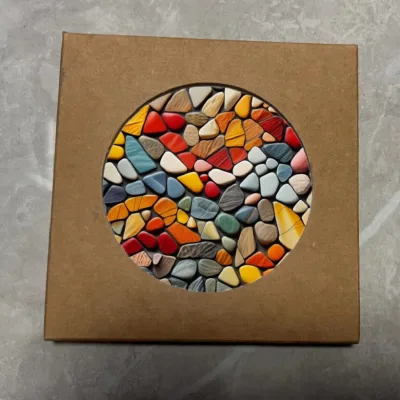

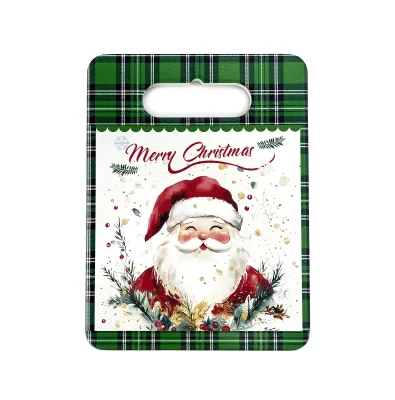
Excellent Absorbent Eco-Friendly Diatomite Diatomaceous Earth Cup Coaster
$0.50 - $1.00
MOQ: 2000 Pieces


Comprehensive Sourcing Guide
Strategic Sourcing Guide for Japanese-Style Diatomaceous Earth Coasters
Understanding the Product Category and Material Science
The core keyword "Japanese Diatomaceous Earth Coaster" refers to a specific category of absorbent tableware accessories designed to protect surfaces from moisture rings and condensation. These products are distinct from standard ceramic or cork coasters due to their unique material composition. The primary material identified in the supply context is diatomite, a natural sedimentary rock composed of the fossilized remains of diatoms. This material is renowned for its high porosity and capillary action, allowing it to absorb liquid rapidly. In the context of the Japanese aesthetic, these coasters often emphasize minimalism, natural textures, and functional elegance, aligning with the "Glam" and "Simple" styles observed in the market.
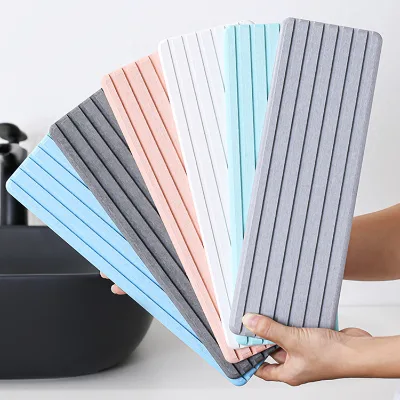
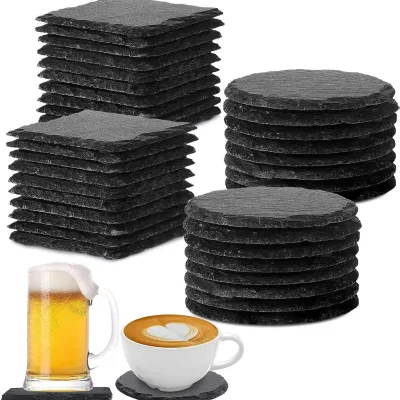
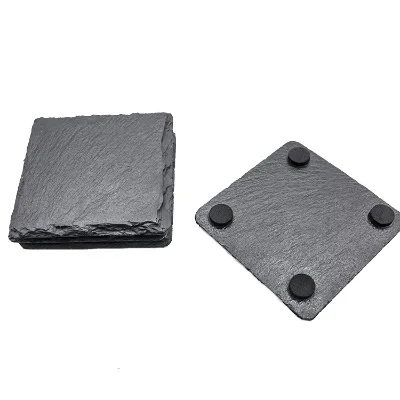
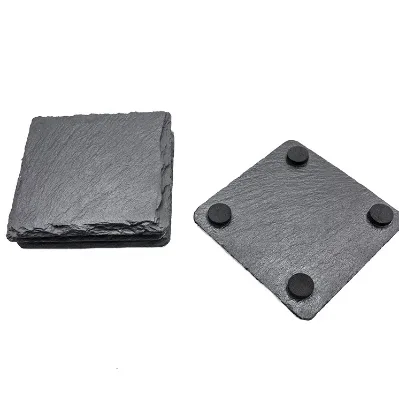
The physical characteristics of these coasters vary significantly based on the manufacturing origin and specific model. While some listings specify a square shape with dimensions of 10*10 cm and a thickness of 9 mm, others indicate a round shape or a rectangular profile. The standard size of 10cm x 10cm appears frequently, often cited as a baseline standard, though customization for size is a common feature offered by suppliers. The thickness is a critical technical parameter, with 9 mm being a documented specification for certain models, which contributes to the stability and weight of the coaster. The single gross weight for a standard unit is approximately 0.090 kg, indicating a lightweight yet durable construction suitable for various commercial and residential applications.
Technical Specifications and Design Variations
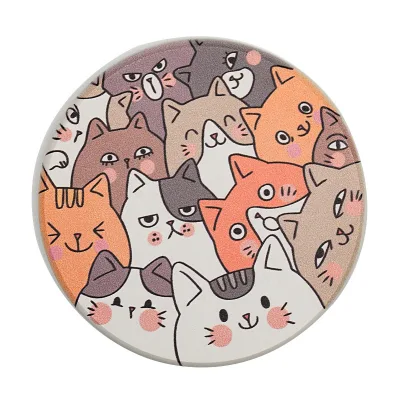
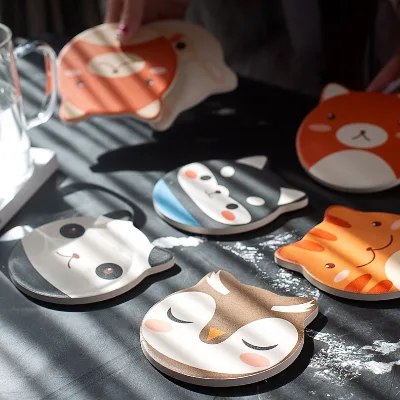
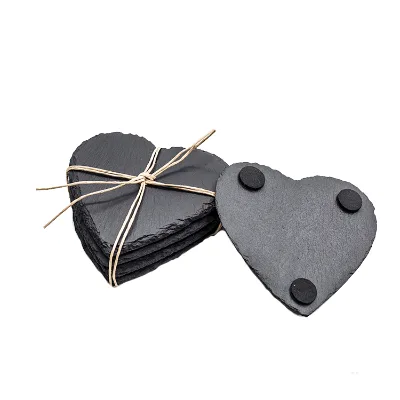
When evaluating technical specifications, buyers must navigate a range of documented attributes that define the product's utility and aesthetic. The shape is a primary differentiator, with options ranging from square to round and rectangular forms. The diameter for round models is often listed as customizable, allowing for bespoke sizing to match specific glassware or table settings. The standard dimension of 10cm x 10cm is a prevalent benchmark, but the ability to accept customized sizes is a significant feature for bulk buyers requiring uniformity with their existing inventory.
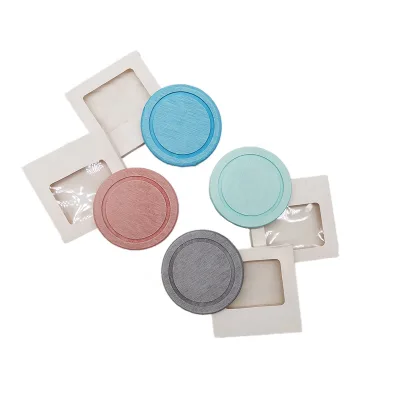
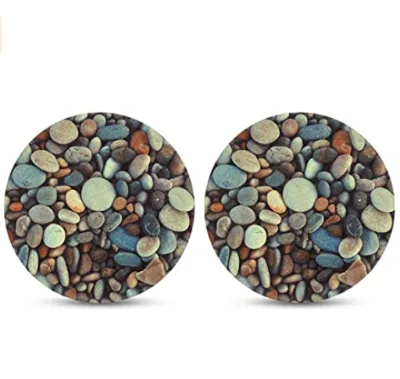
Color and surface finish are equally critical. The market offers a vast palette, with color codes ranging from 01 to 26, plus custom options. While "Print" is a general category, specific listings highlight "Gray" as a distinct color option, alongside the capability for full-color printing. The surface is designed to be printable, supporting "Customized Printing Designs" and logo application. This makes the product highly versatile for branding purposes. The packing specifications also vary, with options including individual boxes or export paper boxes, ensuring the product arrives in pristine condition. The single package size is typically 10x10x1 cm, reflecting the compact nature of the individual unit before bulk consolidation.
Compliance, Certification, and Safety Standards
In the realm of B2B procurement, verifying compliance and safety standards is paramount, particularly for products intended for food and beverage contact. While the supplied data does not explicitly list specific international certification numbers (such as FDA or LFGB), the presence of the "Eco-Friendly" attribute suggests a focus on natural, non-toxic materials. Diatomite is naturally occurring, which aligns with eco-friendly sourcing principles, but buyers must verify that the binding agents or dyes used in the printing process meet relevant safety regulations for the target market.
Buyers should request documentation confirming that the finished product complies with the food safety standards of the destination country. The "Japanese" style implies a high standard of quality and safety, often associated with rigorous manufacturing processes. However, the origin of the product is listed as Zhejiang or Jiangsu, China, which are major manufacturing hubs. Therefore, the "place of origin" must be clearly distinguished from the design aesthetic. The "prod_standard" of 10CMX10CMX9MM serves as a dimensional specification, but it does not replace the need for material safety certifications. Procurement teams should ensure that the supplier can provide test reports verifying that the diatomite material and any applied inks do not leach harmful substances into beverages.
Cost Drivers and Pricing Dynamics
The pricing for diatomaceous earth coasters is influenced by several factors, including material quality, customization level, and order volume. The observed price range in the market spans from 0.15 to 20.43 USD, a wide variance that reflects the difference between basic, unbranded units and high-end, custom-printed, or premium-packaged items. The Minimum Order Quantity (MOQ) is another significant cost driver. While some suppliers may offer an MOQ as low as 1 piece for sampling, the standard commercial MOQ is often 100 pieces or 100 PCS. This threshold is crucial for buyers to consider when calculating the total landed cost.
The customization options, such as logo printing and custom shapes, inevitably increase the unit cost. The "Logo Printing" attribute is available in both "With Logo Printing" and "Without Logo Printing" configurations, indicating that the base price may exclude branding costs. Furthermore, the "Commercial Buyer" segment includes institutional solutions, suggesting that bulk pricing tiers are available for large-scale orders. Buyers should anticipate that the cost per unit will decrease as the order volume increases beyond the standard 100-piece threshold. The packaging type, whether a simple box or an export paper box, also contributes to the final price, as does the complexity of the design, such as multi-color printing versus single-color application.
Typical Applications and Usage Scenarios
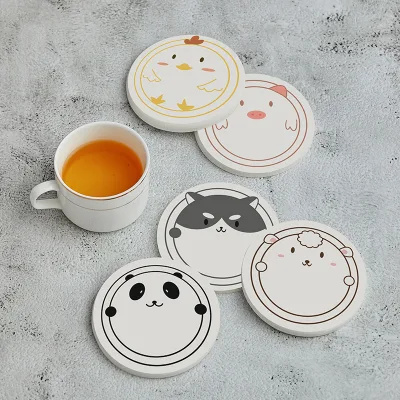
The versatility of diatomaceous earth coasters allows them to be deployed across a wide spectrum of environments. The documented usage categories include Home, Hotel, Cinema, Mosque, Casino, and general Commercial settings. In residential contexts, they serve a dual purpose of protection and decoration, fitting seamlessly into "Home" and "Office" environments. The "Japanese" and "Glam" styles make them particularly suitable for modern interior design trends that favor natural materials and clean lines.
In commercial hospitality, the absorbent nature of diatomite is a functional asset. Hotels and restaurants utilize these coasters to prevent water rings on tables, reducing cleaning time and maintaining a pristine appearance. The "Institutional B450B Solutions" mention suggests that these products are also suitable for large-scale institutional procurement, such as corporate offices or public venues. The "Simple" and "Fashion" styles cater to diverse aesthetic preferences, making them adaptable for cafes, lounges, and even religious spaces like mosques where specific design sensitivities may apply. The ability to customize the design allows businesses to integrate their branding directly into the table setting, enhancing the overall customer experience.
Supplier Evaluation and Quality Control Protocols
Selecting the right supplier requires a rigorous evaluation process that goes beyond the initial product listing. Buyers should prioritize suppliers who demonstrate transparency regarding their "place of origin," whether it be Zhejiang or Jiangsu, China. The "OEM & ODM" availability indicates that many suppliers are capable of custom manufacturing, but buyers must verify the supplier's capacity to maintain consistency across large batches. The "Customization" attribute is widely available, but the quality of the printing and the durability of the logo application must be tested.
Quality control should focus on the physical integrity of the diatomite material. Buyers should inspect samples for cracks, uneven thickness, or poor absorption rates. The "Thickness" of 9 mm is a specific metric that should be verified against the ordered product to ensure it meets the required stability standards. Additionally, the "Single gross weight" of 0.090 kg should be consistent across the batch. For buyers dealing with "Commercial Buyer" segments, it is essential to confirm that the supplier can meet the "MOQ" requirements without compromising quality. The "prod_packing" method, whether box or export paper box, should be evaluated for its ability to protect the product during transit, especially given the brittle nature of diatomite.
Long-Term Procurement and Strategic Considerations
For long-term procurement, establishing a reliable supply chain is essential. The "Customization" and "OEM & ODM" capabilities of suppliers offer a strategic advantage for brands looking to differentiate their products. However, buyers must consider the lead times associated with custom orders, which may be longer than standard stock items. The "Selling Units" being listed as "Single item" suggests flexibility in sampling, but bulk orders will require consolidated shipping arrangements.
Sustainability is a growing concern in procurement. The "Eco-Friendly" attribute of diatomite aligns with corporate social responsibility goals, but buyers should verify the entire lifecycle of the product, including packaging waste. The "Export Paper Box" option suggests a move toward recyclable materials, which is favorable for environmentally conscious buyers. Finally, the "Commercial Buyer" landscape is dynamic, and maintaining a relationship with a supplier who can adapt to changing design trends, such as the shift from "Square" to "Round" shapes or new color palettes, will ensure the procurement strategy remains effective over time. Buyers should regularly review the "prod_model" numbers, such as YD1 or YD5, to stay updated on the latest product iterations and ensure their inventory remains current.
FAQs
How thick are the standard diatomaceous earth coasters?
The standard thickness for these coasters is 9 mm, which provides stability for drinkware. This dimension is consistent across models like DM241219 and ensures the product remains durable during use in homes or hotels.
What is the minimum order quantity for these coasters?
The typical minimum order quantity is 100 pieces for most commercial listings. Some suppliers may accept orders as low as one unit for sampling, but bulk pricing tiers generally apply once the 100-piece threshold is met.
Can these coasters be customized with a company logo?
Yes, customization is available including logo printing and custom design applications. Buyers can choose between options with or without logo printing, and the surface is designed to accept various print colors and custom designs.
Which shapes are available for diatomaceous earth coasters?
These coasters are available in square, round, and rectangular shapes. While the 10x10 cm square is a common standard, round models with customizable diameters and rectangular profiles are also documented in the product specifications.
What material is used to make these absorbent coasters?
The primary material is diatomite, a natural sedimentary rock known for high porosity. This eco-friendly material absorbs moisture rapidly, making it suitable for protecting tables in homes, offices, and commercial venues like casinos.
Where are these coasters manufactured?
The products originate from manufacturing hubs in Zhejiang and Jiangsu, China. These locations are known for producing diatomite accessories that meet various international standards and support OEM and ODM services for global buyers.
How much does a single coaster package weigh?
A single unit has a gross weight of approximately 0.090 kg. This lightweight construction facilitates easy shipping and handling, while the single package size is typically 10x10x1 cm for individual protection.