Source Keratin Hyaluronic Acid Hair Mask for Repairing, Moisturizing, and Smoothing
Compare 30 listings of Keratin Hyaluronic Acid Hair Mask designed for repairing, moisturizing, and smoothing various hair types. Buyers can evaluate customization options, certifications, and packaging details from verified suppliers.
Key considerations
Products List


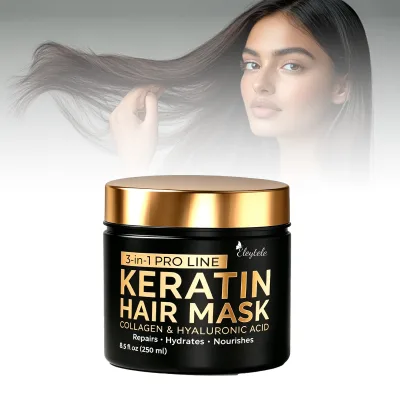
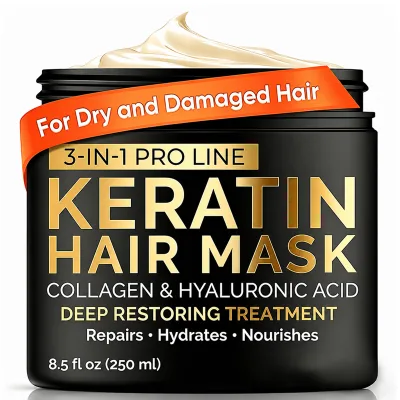
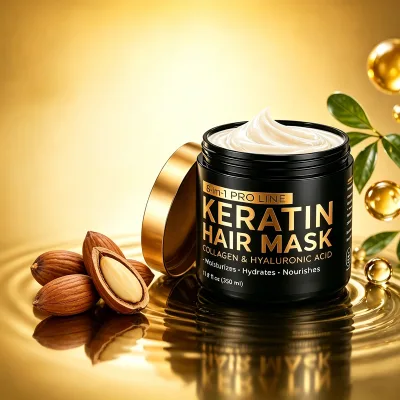


Beauty Cosmetics Keratin Hair Mask Hydration & Deep Repair Hair Treatment Mask
$2.00 - $3.00
MOQ: 100 Pieces


Premium Keratin Hair Mask Professional Treatment Hair Repair Nourishing Mask
$2.08 - $2.65
MOQ: 3000 Pieces

Premium Rejuvenating Caviar Keratin Hair Mask for Lifeless Damaged Hair
$0.50 - $5.00
MOQ: 3000 Pieces


Keratin Collagen Hair Mask for Curly Hair Treatment Dry Damaged & Frizzy
$1.78 - $2.28
MOQ: 3000 Pieces
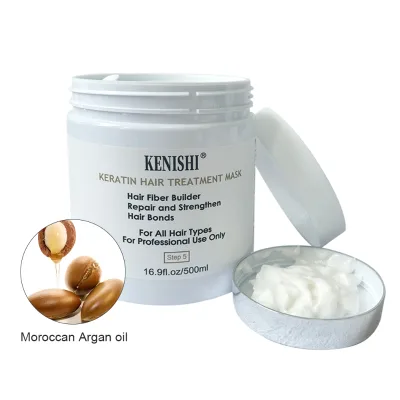
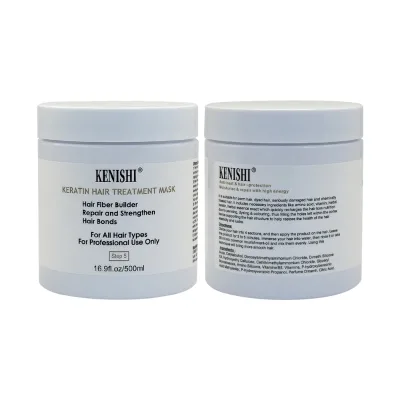


Hair Mask Organic Treatment Fill-up for Dry and Damaged Hair with Keratin
$2.70 - $2.90
MOQ: 24 Pieces
Comprehensive Sourcing Guide
Strategic Sourcing Guide for Keratin Hyaluronic Acid Hair Masks
Navigating the global market for specialized hair care products requires a disciplined approach to verifying technical specifications, regulatory compliance, and supply chain reliability. When sourcing a Keratin Hyaluronic Acid Hair Mask, buyers must distinguish between generic marketing claims and verified product attributes. The following guide outlines the critical evaluation criteria for procurement professionals, grounded in observed market data and standard industry practices for cosmetic manufacturing.
Technical Specifications and Formulation Verification
The core of any successful procurement strategy lies in the precise definition of product specifications. For a keratin-based mask, the formulation is not merely a list of ingredients but a complex system designed for specific hair types and repair mechanisms. Observed market data indicates that effective products in this category often combine Keratin with Hyaluronic Acid, alongside other nourishing agents such as Coconut Oil and Avocado Oil. These ingredients serve distinct functions: keratin provides structural repair for damaged strands, while hyaluronic acid offers deep hydration.
Buyers must verify the physical form of the product. While the market often presents options ranging from Cream to Lotion and Concentration formulas, the specific application method dictates the ideal viscosity. For instance, a Leave-In formulation requires different rheological properties compared to a rinse-off treatment. The observed data highlights that products are frequently categorized by their primary feature, such as Hair-Repairing, Nourishing, Moisturizing, and Smoothing. It is crucial to confirm whether the product is designed for Thin Hair, Fine Hair, or All Hair types, as the concentration of active ingredients varies significantly between these targets.
Packaging is another critical technical specification. The product may be supplied in a Jar, Bottle, or a combination of Bottle+Box+Carton. The single gross weight of the product is a vital metric for logistics planning; observed data points to a standard weight of 0.4kg for individual units. Volume specifications vary widely, with common standards including 250ml, 200ml, 500ml/bottle, 236ml, and 400ml. Some suppliers offer Customized volume options, allowing buyers to tailor the product to specific market demands. The shelf life is another non-negotiable technical parameter, with industry observations suggesting a standard duration of 3 Years for properly preserved formulations.
Regulatory Compliance and Certification Standards
In the cosmetic industry, compliance is the gateway to market access. Buyers must rigorously verify that suppliers adhere to international manufacturing standards. The most prevalent certifications observed in the keratin hair mask sector include GMPC (Good Manufacturing Practice for Cosmetics) and ISO22716. These standards ensure that the production facility maintains hygiene, quality control, and traceability throughout the manufacturing process. Additionally, Sedex certification is a significant indicator of ethical supply chain practices, covering labor standards and environmental impact.
When evaluating a potential supplier, procurement teams should request valid certificates for GMPC/ISO22716 and verify their current status. It is important to note that while some suppliers list GMPC&ISO22716&Sedex, others may only hold GMPC/ISO22716. The absence of one does not necessarily disqualify a supplier, but it requires a deeper due diligence process to understand the scope of their quality assurance. Buyers should also verify if the product meets specific regional standards, as regulations in the EU, USA, and Asia differ regarding ingredient restrictions and labeling requirements.
The origin of the product is a key factor in compliance. Most observed keratin hair masks originate from China, with specific manufacturing hubs in Guangdong. While this location is a major production center, it necessitates a thorough audit of the supplier's local regulatory adherence. The product should be clearly labeled with its place of origin, and the supplier must provide documentation confirming that the ingredients used, such as Organic components, meet the claimed standards.
Cost Drivers and Pricing Structures
Understanding the cost structure of keratin hair masks is essential for budgeting and margin analysis. The observed price range in the market spans from $0.01 to $28.9 per unit, a variance that reflects differences in ingredient quality, packaging complexity, and order volume. Several factors drive these costs. First, the inclusion of premium ingredients like Hyaluronic Acid and Organic extracts typically increases the base cost compared to formulations relying solely on synthetic alternatives.
Second, the MOQ (Minimum Order Quantity) significantly impacts the unit price. Data indicates a wide MOQ range, from 1 to 10,000 units, with common thresholds observed at 50pcs and 100PCS. Smaller orders often carry a higher per-unit cost due to setup fees and reduced economies of scale. Conversely, bulk orders of 48 or 72 units per carton can drastically reduce the landed cost. Buyers should also consider the Qty/CTN (Quantity per Carton) when calculating logistics expenses, as this affects shipping density and warehousing efficiency.
Customization is another major cost driver. Services such as OEM (Original Equipment Manufacturer), ODM (Original Design Manufacturer), and Private Label services add value but also incur additional fees. The ability to customize the Color, Volume, and Label design allows for brand differentiation but requires a higher initial investment. Furthermore, the Single Package Size (e.g., 7.5X3.7X3.7 cm) influences packaging material costs and shipping volume. Buyers must balance the desire for customization with the financial constraints of their procurement budget.
Typical Applications and Market Positioning
Keratin hyaluronic acid hair masks are versatile products designed to address a wide spectrum of hair care needs. The primary application is Repairing damaged hair, making them suitable for individuals who frequently use heat styling tools or chemical treatments. The Invigorating and Clarifying properties observed in some formulations suggest these masks are also effective for scalp health and removing product buildup.
The target demographic is primarily Adults, with products labeled as Unisex. This broadens the potential market reach, allowing retailers to stock a single SKU for multiple customer segments. Specific applications include treating Thin Hair and Fine Hair, where the lightweight nature of the formula prevents weighing down the strands while providing necessary strength and luster. The Benefits of using these masks, as observed, include Hair Stronger and Lustrous results, which are key selling points for marketing campaigns.
In terms of usage, the product may be categorized as a Hair Nourishing Mask or a 3 In 1 Keratin Hair Mask, implying multi-functional benefits such as cleansing, conditioning, and repairing in a single step. The Leave-In feature allows for application without rinsing, offering convenience for consumers on the go. Understanding these applications helps buyers position the product correctly within their catalog, ensuring it meets the specific needs of their target audience.
Supplier Evaluation and Service Capabilities
Selecting the right supplier involves more than just comparing prices; it requires assessing their service capabilities and operational flexibility. A robust supplier should offer comprehensive OEM ODM Private Label Service, enabling buyers to create unique products that align with their brand identity. The ability to provide Customs Label or Private Label options is crucial for brands looking to enter new markets with localized branding.
Lead times are a critical component of supplier evaluation. Observed data suggests a Sample Lead Time of 3-5 days and a Delivery Time of 3-7 days for standard orders. These timelines indicate a responsive supply chain, but buyers must verify if these times are consistent or if they vary based on order complexity. Suppliers located in Guangdong, China often benefit from established logistics networks, but buyers should confirm the actual lead time for bulk production to avoid delays.
Service quality is also reflected in the supplier's willingness to accommodate Customization. Whether it is adjusting the formula concentration, changing the prod_packing from Cartons to Jar configurations, or altering the Volume, a flexible supplier is essential for adapting to market trends. The Single Gross Weight of 0.4kg and the Single package size of 7.5X3.7X3.7 cm should be consistent across batches to ensure predictable logistics planning.
Quality Control and Long-Term Procurement Considerations
Maintaining product quality over time requires a proactive approach to quality control. Buyers should implement a rigorous inspection protocol that includes verifying the Shelf Life of 3 Years and ensuring the Ingredient list matches the agreed-upon formulation. Regular testing for GMPC and ISO22716 compliance should be part of the ongoing supplier relationship.
Long-term procurement considerations involve building a resilient supply chain. Relying on a single supplier for all orders can be risky; diversifying the supplier base can mitigate the impact of potential disruptions. Buyers should also monitor the MOQ requirements, as changes in demand may necessitate adjustments in order quantities. The Qty/CTN of 48 or 72 units should be optimized to maximize container space and minimize shipping costs.
Finally, buyers must consider the environmental impact of their procurement decisions. Suppliers offering Organic ingredients and Sedex certification demonstrate a commitment to sustainability, which is increasingly important to consumers. By prioritizing suppliers who align with these values, buyers can enhance their brand reputation and ensure long-term market competitiveness. The combination of technical precision, regulatory adherence, and strategic supplier management forms the foundation of a successful sourcing strategy for keratin hyaluronic acid hair masks.
FAQs
What certifications do Keratin Hyaluronic Acid Hair Mask manufacturers hold?
Most manufacturers hold GMPC and ISO22716 certifications to ensure quality and safety. Some suppliers also provide Sedex certification for ethical supply chain practices. Buyers should verify the specific certificates before placing orders.
How long is the sample lead time for these hair masks?
The sample lead time typically ranges from 3 to 5 days for standard requests. This allows buyers to quickly evaluate product quality and formulation before committing to larger bulk orders with customized requirements.
Can buyers customize the volume and packaging for this product?
Yes, customization is available for volume, color, and packaging configurations like jars or bottles. Suppliers often offer options ranging from 200ml to 500ml with various carton quantities per unit for flexible logistics planning.
What is the minimum order quantity for keratin hair mask production?
Minimum order quantities vary significantly, ranging from 1 to 10,000 units depending on the supplier. Common thresholds observed are 50 pieces or 100 pieces, allowing flexibility for both small startups and large retailers.
Which ingredients are commonly found in these hair masks?
Common ingredients include Keratin, Hyaluronic Acid, Coconut Oil, Avocado Oil, and Organic extracts. These components work together to repair, moisturize, and strengthen hair while providing a nourishing effect for various hair types.
Where are these hair masks typically manufactured?
Most products originate from China, with specific manufacturing hubs located in Guangdong. Buyers should confirm the place of origin to ensure compliance with regional standards and to plan logistics effectively.