Source Knit Beanie Hats for winter, autumn, and summer use
Find 30 Knit Beanie Hats with varying materials like wool, cotton, and acrylic. Compare adjustable features, colors, and customization options for adults and boys.
Key considerations
Products List




Comprehensive Sourcing Guide
Strategic Sourcing Guide for Knit Beanie Hats
Navigating the global market for Knit Beanie Hats requires a disciplined approach that balances aesthetic versatility with rigorous technical verification. Buyers entering this sector must distinguish between generic fashion accessories and specialized headwear designed for specific climates, user demographics, and branding requirements. The following guide outlines the critical parameters for sourcing these items, focusing on material integrity, production processes, and supply chain reliability based on observed industry data.
Material Composition and Thermal Performance
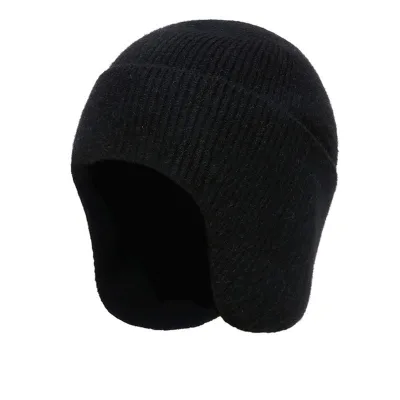
The foundation of any successful beanie procurement strategy lies in the precise selection of raw materials, which directly dictates thermal performance, durability, and end-user comfort. Market observations reveal a distinct divergence in material profiles, ranging from natural fibers to synthetic blends. A primary category of interest involves 100% wool constructions, which are frequently associated with winter-specific applications. These products often feature "Ear Warmer" as a special feature, indicating a design intent focused on maximum heat retention and protection against cold winds.
Conversely, the market also presents significant volumes of 100% polyester options. While polyester offers distinct advantages in terms of moisture management and colorfastness, its thermal properties differ from wool. Buyers must verify the specific material composition for each order, as the supply chain often mixes these attributes. For instance, some listings specify "100% Cotton" or "Knit" as the material category, suggesting a lighter weight suitable for transitional seasons like Spring or Autumn. The "Soft" and "Warm" attributes observed in certain product lines indicate that the knitting gauge and fiber blend are engineered to provide comfort without excessive bulk.
When evaluating material specifications, procurement teams should request detailed fiber content declarations. Relying on general terms like "Knit" is insufficient for quality assurance. Instead, buyers must confirm whether the fabric is a single-knit or double-knit construction, as this impacts the hat's ability to retain shape and resist pilling. The presence of "Antimicrobial" features in specific product lines suggests the inclusion of treated fibers or additives, a critical consideration for hygiene in high-frequency use scenarios.
Design Attributes and Functional Specifications
Beyond material, the functional design of Knit Beanie Hats varies significantly based on the target demographic and seasonal requirements. A key differentiator in the market is the presence or absence of a brim. Products labeled "With Brim" often serve a dual purpose as casual fashion items or sun-protective gear, whereas "Without Brim" designs, such as the "Beanie-057G" model, prioritize a snug fit for cold weather activities. The crown structure also varies; some models feature a "With Crown" construction, while others are designed with a "Without Crown" profile, which may refer to a slouchy or folded style.
Customization capabilities are a dominant feature in this sector. The "Customization: Available" attribute indicates that suppliers are equipped to handle bespoke orders, allowing brands to integrate their identity into the product. This is often achieved through various pattern technologies. "Woven Patches" offer a textured, durable method for applying logos, while "Flat Embroidery" and "3D Embroidery" provide different visual depths and tactile experiences. The choice of technology should align with the brand's aesthetic goals and the durability requirements of the end product.
Size and fit are equally critical. Specifications such as "56~60cm" define the circumference range, ensuring the hat accommodates a broad spectrum of adult head sizes. The "Adjustable" feature, observed in multiple product lines, further enhances fit versatility, allowing users to tighten or loosen the garment for comfort. Additionally, the "Department: Beanies" classification helps categorize products within broader inventory systems, ensuring that buyers can easily filter for specific styles like "Dobby" weave patterns or "Plain Dyed" finishes.
Seasonal Alignment and User Demographics
Selecting the correct beanie requires a clear understanding of the intended season and user group. The market data highlights a strong correlation between product attributes and seasonal demand. "Winter" is the primary season for wool-based beanies with "Ear Warmer" features, designed to withstand low temperatures. However, "Spring / Autumn" and "Summer" options are also prevalent, often utilizing lighter materials like cotton or specific acrylic blends. The "Fashion" attribute suggests that some models are designed primarily for style rather than extreme thermal protection, making them suitable for milder climates.
User demographics play a pivotal role in product selection. While many products are marketed as "Unisex" or for "Adults," specific lines are targeted at "Boys," featuring "Cartoon" or "Animal" pattern themes. These designs appeal to younger consumers and often utilize brighter color palettes, including "Yellow," "Red," "Purple," "Orange," "Green," and "Colourful" options. In contrast, adult-focused lines may lean towards more subdued tones like "Black," "Gray," or "Blue," though vibrant colors are available across all categories. The "Letter" pattern theme indicates a trend towards text-based designs, which can be highly effective for promotional merchandise or team apparel.
Production Standards and Packaging Logistics
Quality assurance in the knit beanie sector is often tied to adherence to specific standards and packaging protocols. While some products list "customized" as their standard, others reference specific material standards such as "Acrylic/Wool/Fleece." Buyers must verify if these standards represent a certification or merely a material description. The presence of "OEKO-TEX" in background knowledge suggests that chemical safety certifications are relevant to the industry, though specific compliance status must be confirmed with the supplier for each batch.
Packaging is a logistical consideration that impacts both product protection and retail readiness. Observed packaging methods include "OPP Bag" for individual units, which is cost-effective and suitable for bulk shipping, and "Carton Packing" for larger orders, which offers better protection during transit. The choice of packaging should align with the buyer's distribution strategy. For instance, "Carton Packing" is preferable for retail environments where presentation matters, while "OPP Bag" may suffice for wholesale or promotional giveaways.
Cost Drivers and Minimum Order Quantities
Understanding the cost structure of Knit Beanie Hats is essential for budgeting and negotiation. The observed price range in the market spans from $0.60 to $20.00 USD, a wide variance driven by material quality, production complexity, and order volume. Lower-priced items typically utilize synthetic materials like polyester or acrylic with standard embroidery, while higher-priced models may feature premium wool, complex 3D embroidery, or specialized antimicrobial treatments.
Minimum Order Quantities (MOQ) are another critical factor influencing procurement strategy. The market data indicates an MOQ range of 5 to 1500 units, with a specific observation of 500 units for certain customized models. This variability allows buyers to scale their orders based on demand forecasts. Smaller MOQs are advantageous for testing new designs or launching limited edition collections, whereas larger MOQs are necessary for securing lower unit costs and ensuring supply stability for established product lines. Buyers should negotiate MOQ terms based on their specific volume commitments and the supplier's production capacity.
Supplier Evaluation and Quality Control Protocols
When evaluating potential suppliers, buyers must look beyond basic product listings and assess the supplier's ability to meet technical and logistical requirements. Key evaluation criteria include the supplier's experience with specific pattern technologies, their capacity for customization, and their track record with seasonal production cycles. The "prod_model" identifiers, such as "Bobble Hat-054S" or "MGD-91072," serve as unique references for tracking specific product lines and ensuring consistency across orders.
Quality control should be integrated into the procurement process from the outset. Buyers must verify that the "prod_standard" aligns with their brand requirements, whether that involves specific material blends, stitching density, or colorfastness. Given the "customized" nature of many standards, clear communication of specifications is vital. Additionally, the "prod_origin" being listed as "China" for many items highlights the importance of verifying supply chain transparency and ensuring that all manufacturing processes adhere to international labor and safety standards.
Long-Term Procurement Considerations
Sourcing Knit Beanie Hats is not merely a transactional activity but a strategic partnership that requires long-term planning. Buyers should consider the scalability of their supplier relationships, ensuring that the partner can handle volume fluctuations during peak seasons like winter. The ability to maintain consistent quality across different production batches is paramount, especially when dealing with complex features like "3D Embroidery" or "Antimicrobial" treatments.
Furthermore, buyers must stay attuned to evolving market trends. The shift towards "Fashion" and "Cartoon" themes indicates a growing demand for expressive, personality-driven headwear. Suppliers who can adapt quickly to these trends while maintaining high production standards will be valuable partners. Finally, sustainability considerations, such as the use of recycled materials or eco-friendly dyes, are becoming increasingly important. While specific certification data may not be available in all listings, buyers should proactively inquire about the environmental impact of their chosen materials and production processes to align with modern consumer expectations.
In conclusion, successful sourcing of Knit Beanie Hats demands a comprehensive understanding of material science, design nuances, and supply chain dynamics. By rigorously evaluating specifications, verifying standards, and maintaining clear communication with suppliers, buyers can secure high-quality products that meet the diverse needs of their target markets. The interplay between cost, quality, and customization options offers a robust framework for building a resilient and profitable product line in the competitive headwear sector.
FAQs
What materials are used for Knit Beanie Hats?
Knit Beanie Hats are commonly made from 100% polyester, 100% cotton, 100% wool, or knit blends. Buyers must verify specific material composition for each order as thermal performance varies significantly between natural fibers like wool and synthetic options like polyester.
Can I customize the pattern technology on these hats?
Yes, customization is available with pattern technologies including woven patches, flat embroidery, and 3D embroidery. The choice of technology should align with your brand aesthetic and durability requirements while ensuring the design fits the specific hat model.
Which seasonal options are available for Knit Beanie Hats?
Seasonal options include winter, spring, autumn, and summer variants depending on the material and design. Winter models often feature wool and ear warmers, while lighter cotton or acrylic blends are suitable for transitional seasons like spring and autumn.
What is the typical minimum order quantity for these hats?
The minimum order quantity ranges from 5 to 1500 units, with some customized models requiring 500 units. Smaller MOQs allow for testing new designs, while larger volumes help secure lower unit costs and ensure supply stability for established product lines.
How are these hats packaged for shipping?
Packaging options include individual OPP bags and bulk carton packing depending on the order size. Individual OPP bags are cost-effective for bulk shipping, while carton packing offers better protection for retail environments where presentation matters.
Are these hats suitable for adult and child users?
Yes, options are available for adults, boys, and unisex users with various styles and colors. Adult-focused lines often feature subdued tones, while children's options may include cartoon or animal themes in bright colors like yellow, red, and purple.