Source Knit Vest for casual wear, layering, and outdoor activities
Explore 30 listings of Knit Vest options featuring varied styles like pullover and turtleneck designs. Buyers can compare materials, sizes, and customization features to find suitable wholesale suppliers for spring, autumn, or winter use.
Key considerations
Products List


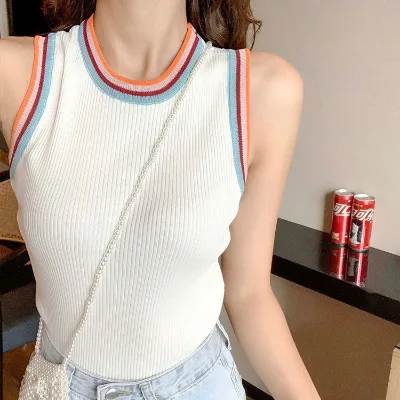


Autumn and Winter Men's Color-Block Stitching Round Neck Retro Knitted Vest
$9.30 - $9.90
MOQ: 200 Pieces


Comprehensive Sourcing Guide
Strategic Sourcing Guide for Knit Vest Procurement
The global market for knit vests presents a complex landscape for B2B buyers seeking to balance cost efficiency with product quality and supply chain reliability. Sourcing these garments requires a nuanced understanding of material composition, manufacturing techniques, and the specific attributes that define different product categories within the knitwear sector. This guide synthesizes available market data to provide a disciplined framework for evaluating potential suppliers and defining product specifications. The focus remains strictly on observable product attributes and verified industry practices, ensuring that procurement decisions are grounded in factual evidence rather than speculative claims.
Defining Product Specifications and Material Composition
The first step in sourcing a Knit Vest is establishing precise technical specifications. The market offers a diverse range of options, from heavy winter garments to lightweight summer layers. A critical observation in the current supply base is the variation in material composition. While some listings indicate Acrylic as a primary material, others specify blends such as Viscose/Nylon or Spandex/Polyester. The choice of material directly influences the thermal properties, drape, and durability of the final product. For instance, Acrylic is often selected for its warmth and softness, making it suitable for the "Warm" feature observed in many listings, whereas Spandex/Polyester blends are frequently associated with "Breathable" characteristics and "Regular Fit" silhouettes.
Knitting methods also vary significantly across suppliers. The data indicates the prevalence of Warp Knitting and general Knitted techniques. Warp knitting typically offers greater stability and less stretch compared to weft knitting, which is crucial for maintaining the structural integrity of the vest. Buyers must verify the specific knitting method for their intended application. Furthermore, the weight of the fabric, measured in GSM (grams per square meter), is a key differentiator. A specific observation notes a weight of 240GSM, which suggests a mid-to-heavy weight garment suitable for cooler seasons. In contrast, "Lightweight Tank" descriptions imply a much lower GSM, appropriate for summer or layering.
Collar styles and sleeve lengths further segment the market. Listings show a clear distinction between V Neck and Turtleneck options, as well as Long Sleeve and sleeveless variations. The "Sweater Tank" and "Knit Crochet Vest" categories highlight the aesthetic diversity available, ranging from classic pullover styles to more decorative, patterned designs. The "Pattern" attribute varies from "Pure Colour" and "Logo" to "Colourful" designs, requiring buyers to align their design choices with brand identity. Size specifications are equally critical, with ranges extending from XS to XXL, as well as "Free Size" and specific sizes like S, indicating that suppliers may offer different sizing strategies based on their target demographic.
Seasonal Adaptability and Functional Attributes
Understanding the seasonal requirements of the Knit Vest is essential for inventory planning and market positioning. The supply data reveals a broad seasonal coverage, with products explicitly categorized for Spring/Autumn, Winter, and Summer. This versatility allows buyers to source a single supplier for a multi-season collection or to diversify their portfolio to mitigate seasonal demand fluctuations. The "Warm" feature is predominantly associated with Winter and Spring/Autumn listings, often utilizing thicker materials like Acrylic. Conversely, "Breathable" attributes are linked to Summer products, likely utilizing lighter blends such as Spandex/Polyester.
The functional design of the vest must align with these seasonal needs. For winter applications, features like Turtleneck collars and Long Sleeves provide additional coverage and warmth. For summer, sleeveless designs, V Necks, and breathable fabrics are standard. The "Fit" attribute, such as "Regular Fit," ensures a consistent silhouette across different styles, which is vital for maintaining brand consistency. Additionally, the "Clothing Length" specification, including "Medium Length" options, helps buyers determine the coverage area and styling potential of the garment.
Buyers should also consider the "Gender" specification. While many products are listed as "Unisex," specific categories target "Women" or "Adults." This distinction impacts the cut, sizing, and marketing strategy. A unisex approach may simplify inventory management, but gender-specific lines can allow for more targeted marketing and potentially higher margins if the design resonates with a specific demographic. The "Style" attribute, such as "Sweater Vest," further refines the product identity, distinguishing it from casual tank tops or formal waistcoats.
Cost Drivers and Pricing Dynamics
The pricing structure for knit vests is influenced by a combination of material costs, production complexity, and order volume. The observed price range in the market spans from 1 to 98 USD, a wide spectrum that reflects the diversity in quality, material, and customization levels. Lower-priced items typically correspond to basic designs with standard materials like Acrylic or Polyester, produced in high volumes. Higher-priced items often involve complex patterns, custom embroidery, specialized knitting techniques, or premium material blends.
Minimum Order Quantity (MOQ) is a significant cost driver. The observed MOQ range of 1 to 200 units indicates that suppliers cater to both small-batch buyers and large-scale retailers. Suppliers with lower MOQs may charge a higher unit price to cover setup costs, while those requiring higher volumes often offer more competitive pricing. Buyers must balance their budget constraints with their inventory risk tolerance. Additionally, the "Customization" availability is a key factor. Options for custom labels, logos, and specific colorways often incur additional costs or require higher MOQs. The "Sample Time" of 5-7 days or 7 days also impacts the overall timeline and cost structure, as expedited sampling can sometimes carry a premium.
Packaging requirements also contribute to the final cost. Standard packaging, such as "1PCS/PP Bag" or "1PCS/Polybag," is common, but specialized packaging like "Air" or "by Air/by Sea" shipping methods may involve additional logistics fees. The "prod_packing" and "Packing" attributes suggest that buyers need to clarify whether the packaging is included in the unit price or billed separately. Understanding these cost drivers is essential for accurate budgeting and negotiating favorable terms with suppliers.
Compliance, Standards, and Certification Verification
Navigating the compliance landscape is a critical aspect of B2B procurement, particularly for products destined for regulated markets like the USA. While the supply data mentions the "Market: USA," it does not provide specific certification statuses for the listed products. Buyers must independently verify that suppliers adhere to relevant safety and quality standards. The background information references standards such as OEKO-TEX, CE, and ISO 20471, but these should be treated as potential benchmarks rather than guaranteed attributes of the listed products.
Buyers should request documentation to confirm compliance with textile safety regulations, including restrictions on harmful substances and dyes. The "prod_standard" attribute in the data lists values like "0.45kg" and "piece," which appear to be weight or unit specifications rather than regulatory standards. This discrepancy highlights the need for buyers to explicitly ask suppliers for their compliance certificates. For example, verifying OEKO-TEX certification ensures that the textiles are free from harmful substances, which is crucial for consumer safety and brand reputation. Similarly, ISO certifications can indicate a supplier's commitment to quality management systems.
It is important to note that the absence of explicit certification claims in the product data does not imply non-compliance, but it does necessitate proactive verification. Buyers should include compliance checks as a mandatory step in their supplier evaluation process. This includes reviewing test reports for flammability, colorfastness, and chemical content. By maintaining a rigorous approach to compliance, buyers can mitigate the risk of product recalls, legal issues, and reputational damage.
Supplier Evaluation and Quality Control Protocols
Evaluating suppliers requires a comprehensive assessment of their capabilities, reliability, and quality control measures. The "prod_origin" attribute indicates that products are sourced from China and Guangdong, regions known for their robust textile manufacturing infrastructure. However, the specific location does not guarantee quality; buyers must assess individual supplier performance. Key factors to consider include the supplier's production capacity, lead times, and history of on-time delivery.
Quality control should be integrated into every stage of the procurement process. Buyers should verify the "Knitting Method" and "Technics" to ensure they match the desired product specifications. Inspecting the "Embroidery Detail" and "Label" quality is essential for maintaining brand standards. The "Sample Time" of 5-7 days or 7 days suggests that suppliers can provide samples relatively quickly, but buyers should use these samples to test the actual quality of the material, stitching, and finish before placing a bulk order.
A robust quality control protocol might include pre-production sample approval, in-process inspections, and final random inspections. Buyers should also consider the "prod_model" numbers (e.g., WS373, WS375, 526, 931) as unique identifiers for specific product lines, ensuring that the correct specifications are met. Communication with the supplier regarding quality expectations is vital. Clear documentation of acceptable defect rates and quality benchmarks can help prevent disputes and ensure that the final product meets the buyer's standards.
Long-Term Procurement and Supply Chain Resilience
Building a resilient supply chain for knit vests involves more than just securing a single order; it requires a strategic approach to long-term partnerships. The "Customization" and "Label" options indicate that suppliers are capable of adapting to specific brand needs, which is a positive sign for long-term collaboration. Buyers should look for suppliers who demonstrate flexibility in handling order volume fluctuations and who can scale production as demand grows.
Logistics and shipping methods are also critical considerations. The "prod_packing" and "Packing" attributes mention options like "Air" and "by Sea/by Air," which affect lead times and costs. Buyers should evaluate the trade-offs between speed and cost, especially for seasonal products where timing is crucial. Establishing clear communication channels and agreeing on lead times early in the relationship can help manage expectations and prevent delays.
Furthermore, the "Market" specification suggests that suppliers are familiar with international trade requirements, particularly for the USA market. Buyers should ensure that suppliers have experience with export documentation, customs clearance, and any specific labeling requirements for the target market. By fostering strong relationships with reliable suppliers, buyers can secure consistent quality, competitive pricing, and timely delivery, ultimately enhancing their competitive position in the market.
Comparative Analysis of Product Attributes
To facilitate decision-making, the following table summarizes key product attributes observed in the market, highlighting the variations that buyers should consider during sourcing.
| Attribute Category | Observed Variations | Sourcing Consideration |
|---|---|---|
| Material | Acrylic, Viscose/Nylon, Spandex/Polyester | Verify thermal properties and breathability requirements. |
| Knitting Method | Warp Knitting, General Knitted | Assess stability and stretch for intended fit. |
| Season | Spring/Autumn, Winter, Summer | Align material weight (GSM) and features (Warm/Breathable). |
| Collar Style | V Neck, Turtleneck | Determine coverage and style preference. |
| Sleeve Style | Long Sleeve, Sleeveless | Match seasonal needs and layering requirements. |
| Pattern | Pure Colour, Logo, Colourful | Ensure alignment with brand identity and design. |
| Size Range | XS-XXL, Free Size, S | Confirm sizing strategy for target demographic. |
| Packaging | PP Bag, Polybag, Air, by Sea | Clarify if packaging is included in unit price. |
| Origin | China, Guangdong | Verify logistics capabilities and export experience. |
This comparative analysis underscores the importance of detailed specification definition. By carefully selecting the right combination of attributes, buyers can source knit vests that meet their specific functional, aesthetic, and operational requirements. The diversity in the market offers ample opportunity for customization, but it also demands a disciplined approach to evaluation and quality assurance.
FAQs
What materials are used for knit vests?
Knit vests are commonly made from Acrylic, Viscose/Nylon, or Spandex/Polyester blends. Acrylic provides warmth suitable for winter, while Spandex/Polyester blends offer breathability for summer use.
Can I customize the labels on these vests?
Yes, customization is available for labels and logos on these knit vests. Buyers can request specific branding details, though this may require a sample time of 5 to 7 days before bulk production.
What is the minimum order quantity for these vests?
The minimum order quantity ranges from 1 to 200 pieces depending on the supplier. Lower MOQs allow for smaller batches, while larger orders often secure better pricing tiers for bulk buyers.
Which seasons are these knit vests suitable for?
These vests are designed for Spring/Autumn, Winter, and Summer seasons. Winter options feature warm Acrylic and Turtleneck styles, while Summer versions utilize breathable Spandex/Polyester blends.
How are these vests packed for shipping?
Vests are typically packed individually in PP bags or Polybags. Shipping methods include Air or Sea freight, with specific packing instructions varying by the supplier's standard procedures.
What sizes are available for these knit vests?
Available sizes range from XS to XXL, with some options offered in Free Size or specific sizes like S. Buyers should verify the specific size chart for each product model before ordering.