Source Leak Proof PP Serving Tray for Party, Wedding, and Restaurant
Find 30 Leak Proof PP Serving Tray options from China. Compare models like RX-170 and SE3002 across colors including orange, green, and white. View specs, MOQs, and packing details for food service needs; compare the available evidence and request quotations based on your requirements.
Updated
Key considerations
Products List




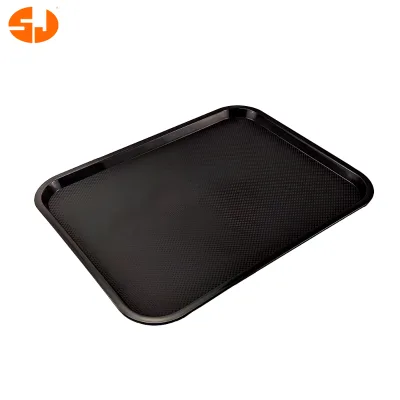
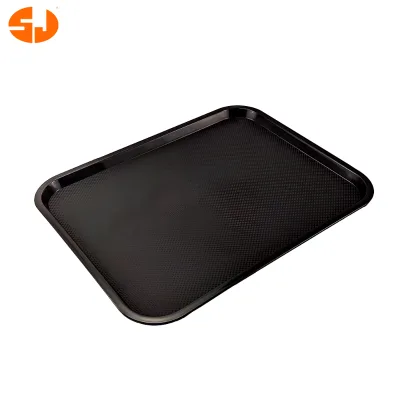


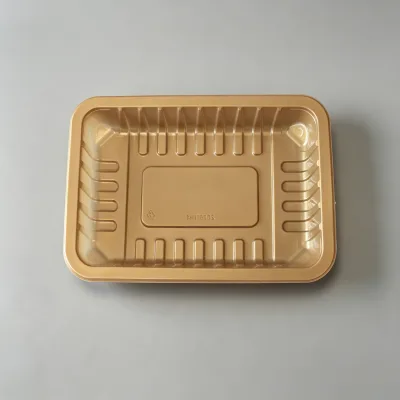
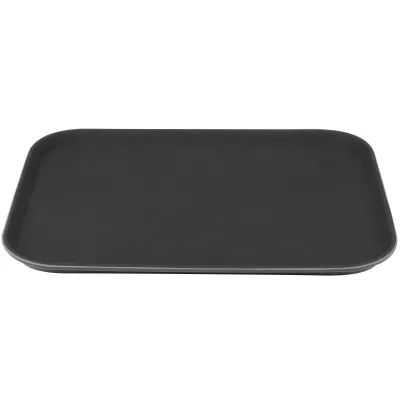
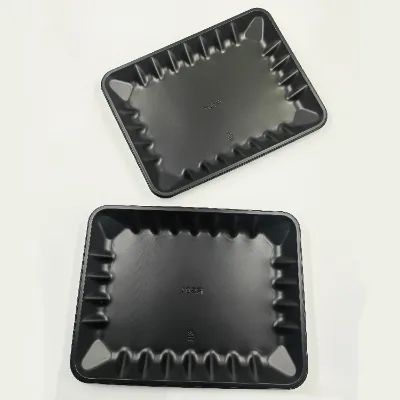
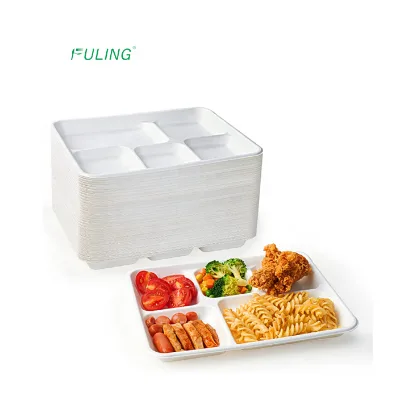


Comprehensive Sourcing Guide
Leak Proof PP Serving Tray Sourcing Guide
Procuring leak-proof polypropylene serving trays requires a strategic approach that balances material integrity with functional design. Buyers must prioritize trays constructed from high-quality PP resin to ensure durability and chemical resistance. The material choice directly impacts the tray’s ability to contain liquids without deforming under heat or stress. Understanding the specific grade of polypropylene used by manufacturers is essential for maintaining product performance in demanding food service environments.
Sourcing decisions should also account for the manufacturing process, particularly pulp moulding techniques for eco-friendly options or injection moulding for rigid plastic variants. Each method offers distinct advantages regarding cost, lead time, and environmental impact. Evaluating these production methods helps buyers align their procurement strategy with sustainability goals and budget constraints. This foundational understanding ensures that the selected trays meet both operational needs and corporate responsibility standards.
Product Scope and Observed Listing Signals
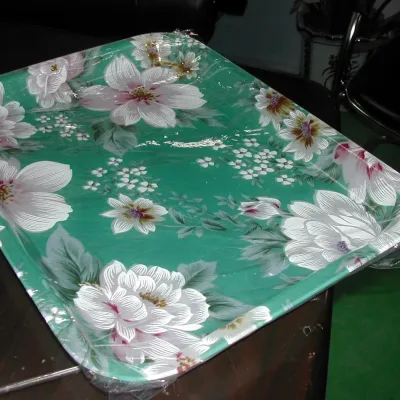
The market offers a diverse range of serving trays, including specialized models like the Rx-170 and SE3002, which cater to specific use cases such as parties, weddings, and restaurant service. These products often feature customizable colors, such as orange, green, white, or blue, allowing businesses to match their branding or event themes. The presence of handles on certain models, like the GQ-SE3006, enhances usability for staff carrying multiple items, while flat designs suit buffet-style setups.
Observed listings indicate that many suppliers accept customization for logos and patterns, supporting OEM requirements for branded merchandise. Products are frequently marketed as disposable or eco-friendly, appealing to venues seeking to reduce waste or comply with environmental regulations. The variety in net weights, ranging from 820g to 1650g, suggests differences in material thickness and durability. Buyers should carefully review these specifications to ensure the selected tray aligns with their expected usage frequency and load-bearing requirements.
Technical Specifications to Verify
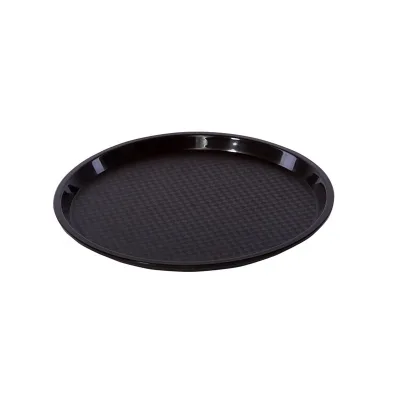
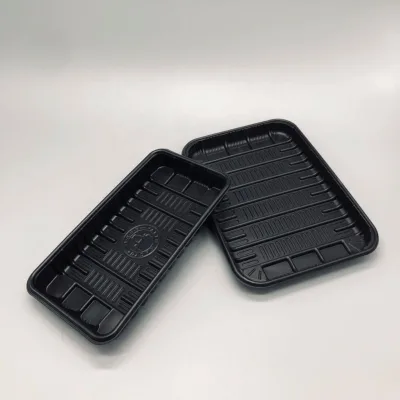
Verifying dimensional accuracy is critical for ensuring trays fit existing storage racks and serving equipment. Standard sizes observed include 47.5x35.5x4.2cm and 40x21x3cm, with some models offering round or rectangular configurations. Buyers must confirm that the internal depth and wall thickness are sufficient to prevent leakage, especially for liquid-heavy foods. The packing dimensions, such as 27x37x26cm for bulk shipments, also influence logistics planning and warehouse space allocation.
Material composition and structural integrity should be validated through supplier documentation. While some trays are described as eco-friendly, buyers should request details on recyclability or biodegradability claims. The inclusion of features like reinforced edges or non-slip bases can enhance safety and functionality. Additionally, checking the compatibility of the tray with microwave or dishwasher use, if claimed, is vital for operational efficiency. Clear specification sheets from the supplier help mitigate risks associated with mismatched product expectations.
Compliance and Safety Documentation
Food contact safety is paramount when sourcing serving trays, requiring verification of compliance with relevant food-grade standards. Buyers should request certificates confirming that the polypropylene material meets regulatory requirements for direct food contact. This ensures that no harmful chemicals leach into food, particularly when trays are used for hot or acidic items. Documentation from reputable testing laboratories adds credibility to the supplier’s claims and protects the buyer from liability issues.
Environmental compliance may also be a key consideration, especially for suppliers marketing eco-friendly products. Buyers should inquire about certifications related to sustainable sourcing or recycling programs. While ISO 9001:2015 is mentioned in background contexts, its specific application to the product line should be confirmed with the supplier. Ensuring that all safety and environmental claims are backed by verifiable documentation helps maintain brand reputation and regulatory adherence in international markets.
Cost Drivers and Commercial Terms
Pricing for serving trays is influenced by material costs, customization levels, and order volume. Observed minimum order quantities (MOQs) range from 50 to 100,000 units, with specific models like the Rx-170 requiring 1,000 units and the SE3002 needing 1,200 pieces. Higher customization, such as unique colors or printed logos, typically increases the unit price and may extend lead times. Buyers should negotiate volume discounts to optimize costs for large-scale procurement needs.
Shipping and packaging methods also impact the total cost of ownership. Products are often packed in cartons, with quantities like 24 pieces per carton for the Rx-170 or 60 pieces for the SE3002. Sea freight is a common shipping method, which affects delivery timelines and freight costs. Understanding the total landed cost, including duties and handling fees, is essential for accurate budgeting. Clear commercial terms regarding payment methods and return policies further protect the buyer’s interests.
Supplier Qualification and Quality Control
Evaluating supplier capabilities is crucial for ensuring consistent product quality and reliable delivery. Buyers should assess the manufacturer’s production capacity, quality control processes, and history of fulfilling orders. Factories located in regions like Fuzhou and Guangdong, China, often have established supply chains for plastic and pulp-based products. Requesting samples before placing bulk orders allows buyers to physically inspect the trays for defects, such as cracks or uneven surfaces.
Quality control checks should include verifying the accuracy of dimensions, color consistency, and structural strength. Suppliers who offer OEM services should demonstrate their ability to maintain brand standards across production batches. Communication efficiency and responsiveness are also key indicators of a reliable partner. Establishing a clear quality assurance protocol, including acceptance criteria and rejection procedures, helps minimize the risk of receiving substandard goods.
Long-Term Procurement Checks
Building a sustainable supply chain requires ongoing monitoring of supplier performance and market trends. Buyers should regularly review supplier compliance with safety and environmental standards to ensure continued adherence to regulations. Tracking changes in material costs and shipping rates helps in anticipating price fluctuations and adjusting procurement strategies accordingly. Maintaining open communication with suppliers fosters collaboration and can lead to improved product designs or cost-saving opportunities.
Long-term relationships with trusted suppliers can provide stability in supply and access to new product innovations. Buyers should periodically reassess their inventory needs and explore alternative suppliers to mitigate risks associated with single-source dependency. Documenting lessons learned from past procurement experiences helps refine future sourcing strategies. By staying informed about industry developments and maintaining rigorous quality standards, buyers can ensure the continued success of their serving tray procurement initiatives.
FAQs
What customization options are available for leak proof pp serving trays?
Customization is acceptable for these serving trays, allowing buyers to tailor products to specific needs. Features such as pattern types can be customized, and logos can be added based on customer requirements. This flexibility supports branding efforts for events, hotels, or retail distribution channels effectively.
Can leak proof pp serving trays be used for food service?
Yes, these trays are explicitly designed for food usage. They are suitable for restaurants, parties, weddings, and household use. The durable plastic construction ensures they remain stable during transport and service, making them a practical choice for both casual dining and formal catering environments.
What are the standard specifications for the RX-170 model?
The RX-170 model measures 47.5 by 35.5 by 4.2 cm and weighs 1650g. It is available in orange and green colors. The product is manufactured using pulp moulding processes, offering an eco-friendly option. These dimensions provide ample space for serving various food items securely.
What is the minimum order quantity for these serving trays?
The minimum order quantity varies by model, typically ranging from 1000 to 1200 pieces. Some models require 1000 units, while others like the SE3002 require 1200 pieces. Buyers should check specific product listings for exact MOQ requirements to ensure their order meets supplier thresholds.
How are the serving trays packaged for shipping?
Packaging methods include carton boxes with specific counts per unit. For example, some models ship with 24 pieces per carton, while others have 60 pieces per carton. Customized packaging options are also available to meet specific logistical needs, ensuring safe transport via sea or other methods.
Where are these leak proof pp serving trays manufactured?
These trays are manufactured in China, with origins in Fuzhou and Guangdong provinces. This location allows for efficient production and export logistics. Buyers can expect consistent quality standards and competitive pricing due to the established manufacturing infrastructure in these regions.