Source eco-friendly gold edge wedding plates for Hotels, Restaurants, and Events
Compare 30 listings for eco-friendly gold edge wedding plates featuring ceramic and porcelain materials. Options include CE/EU and FDA certified dinnerware with customized packaging and logo printing for home, hotel, and restaurant use; compare the available evidence and request quotations based on your requirements.
Updated
Key considerations
Products List
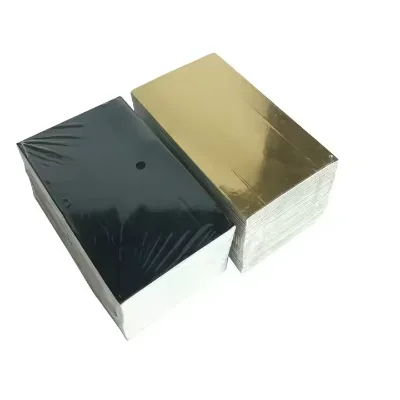
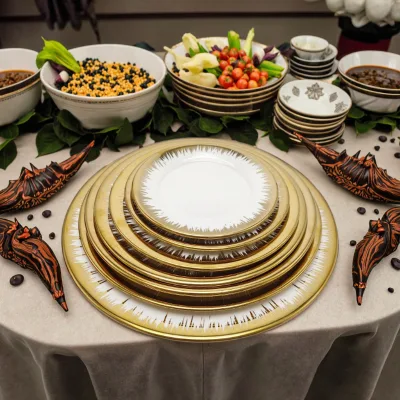


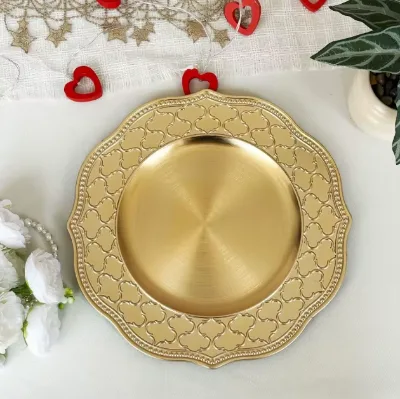
Modern Crossroad Pattern Dinner Plates with Gold Trim for Contemporary Dining
$27.00 - $30.00
MOQ: 100 Pieces
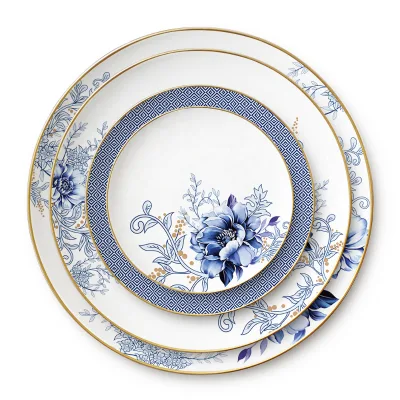
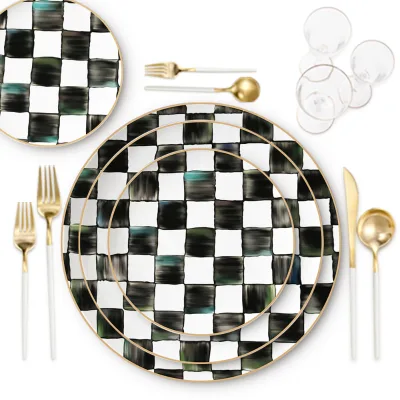
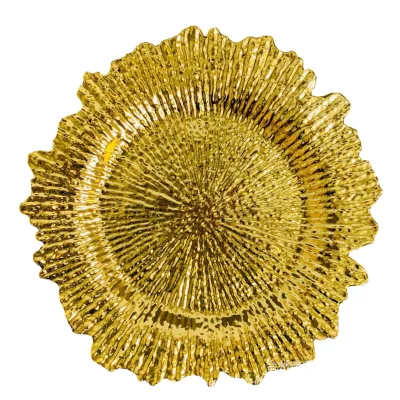


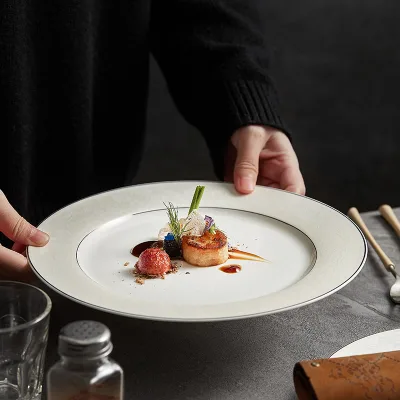
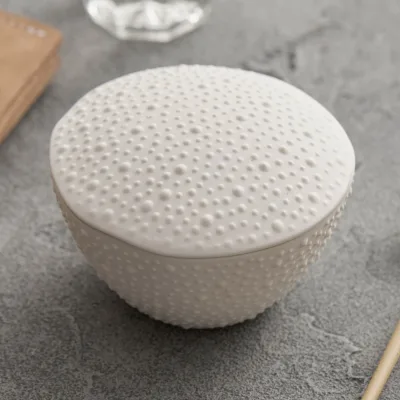

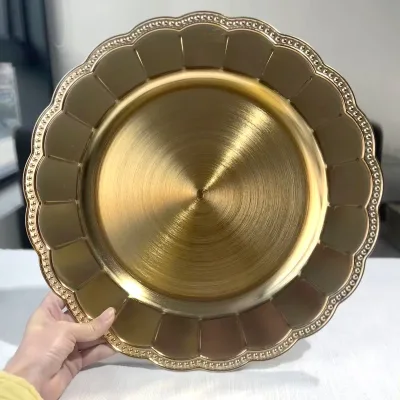
Sustainable Eco-Friendly Salad Plates for Outdoor Weddings and Events
$0.0138 - $0.038
MOQ: 10000 Pieces


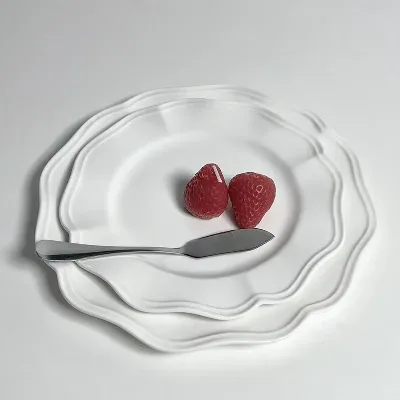
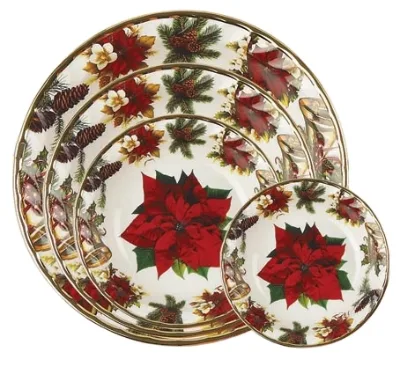
White Gold Rim Wedding Flatware Set Black and Gold Design Dinner Plate Set
$15.91 - $17.04
MOQ: 300 Sets


Comprehensive Sourcing Guide
Eco-Friendly Gold Edge Wedding Plates Sourcing Guide
Sourcing high-quality dinnerware for large-scale events requires balancing aesthetic appeal with functional durability. Buyers often seek pieces that complement formal themes while remaining practical for high-volume service. The market offers various materials, from disposable options to reusable ceramics, each with distinct logistical implications. Understanding these differences is critical for aligning procurement with event goals.
This guide focuses on verifying product attributes that matter most for wedding planners and hospitality buyers. It covers material integrity, compliance standards, and commercial terms based on observed listing signals. By adhering to evidence-based verification steps, buyers can mitigate risks associated with quality inconsistencies and supply chain delays.
Product Scope and Observed Listing Signals
The observed product landscape includes items described as eco-friendly, with specific finishes like gold edges and solid patterns. Listings indicate a range of shapes, including round and square designs, catering to diverse table settings. Some products are explicitly marked as non-disposable, suggesting a focus on reusable ceramic or porcelain materials suitable for repeated use in hotels and restaurants.
Other listings highlight customizable packaging and logo printing, which are essential for branded wedding events. Observed attributes include luxury design styles and simple modern aesthetics, allowing buyers to match specific venue themes. It is crucial to distinguish between stock items and custom orders, as lead times and minimum order quantities vary significantly between these categories.
Technical Specifications to Verify
Buyers must confirm material composition, as listings mention ceramic, porcelain, and pottery types. Verifying the grade of the material, such as AB grade, helps assess durability and resistance to chipping. Specifications like diameter, for example, 7.5-inch plates, should be cross-checked against table dimensions to ensure proper fit with other dinnerware components.
Printing techniques and surface finishes, including embossing, UV coating, and matt lamination, affect both appearance and maintenance. Buyers should verify if the gold edge is applied via on-glazed techniques or other methods that impact dishwasher safety. Confirming single package dimensions and gross weight is also vital for calculating shipping costs and storage requirements efficiently.
Compliance and Safety Documentation
Food safety certifications are non-negotiable for wedding catering and hospitality procurement. Listings may reference CE/EU, FDA, and CIQ certifications, which indicate compliance with international safety standards. Buyers must request valid certificates for each batch to ensure the materials are safe for direct food contact and do not leach harmful substances.
Additionally, verifying dishwasher safety is essential for operational efficiency in large venues. Products marked as dishwasher-safe reduce labor costs and improve hygiene standards. Buyers should also check for eco-friendly claims, ensuring that any sustainability assertions are backed by verifiable data rather than vague marketing terms.
Cost Drivers and Commercial Terms
Pricing structures are influenced by material quality, customization levels, and order volume. Observed minimum order quantities range widely, from small batches to tens of thousands of pieces. Buyers should negotiate tiered pricing based on volume, as larger orders often yield better unit costs. Clear communication about packaging costs is also necessary, as customized packaging can add significant expenses.
Production lead times vary, with some suppliers offering one-week turnaround for stock items. For custom orders, lead times may extend significantly. Buyers must align production schedules with event dates, accounting for potential delays. Understanding the total landed cost, including shipping and insurance, is crucial for accurate budgeting and avoiding unexpected financial burdens.
Supplier Qualification and Quality Control
Evaluating supplier reliability involves checking their production capabilities and quality control processes. Suppliers with OEM and ODM capabilities offer greater flexibility for custom designs. Buyers should verify the supplier’s experience in producing dinnerware for weddings and hospitality sectors, as this indicates familiarity with industry standards and expectations.
Requesting pre-production samples is a critical step to assess physical quality, including the finish of gold edges and the integrity of the ceramic body. Buyers should also inquire about defect rates and return policies. Establishing clear quality acceptance criteria before production begins helps prevent disputes and ensures that the final delivery meets the required standards for aesthetic and functional performance.
Long-Term Procurement Checks
Building a sustainable supply chain requires ongoing monitoring of supplier performance. Buyers should track delivery consistency, product quality over time, and responsiveness to issues. Regular audits or periodic sample checks can help maintain quality standards, especially for large repeat orders. Maintaining open communication with suppliers facilitates smoother negotiations and better service levels.
Additionally, buyers should stay informed about market trends and new material innovations. This knowledge can inform future procurement decisions, allowing for strategic upgrades or cost-saving measures. By establishing a robust vendor management process, buyers can ensure a reliable supply of high-quality dinnerware for future events, reducing risk and enhancing overall operational efficiency.
FAQs
Can these gold edge plates be customized for weddings?
Yes, customization is available for these ceramic dinner plates. The supplier accepts OEM and ODM workable requests, allowing for customized logos and packaging. This feature supports specific wedding themes or branding needs while maintaining the luxury design style and gold color finish required for formal events.
What certifications do the gold edge plates have?
The ceramic porcelain plates hold CE/EU, FDA, and CIQ certifications. These credentials ensure the products meet international safety and quality standards for food contact. This makes them suitable for professional use in hotels, restaurants, and weddings where regulatory compliance is essential for service providers.
Are the gold edge plates dishwasher safe?
Yes, the ceramic and porcelain plates are dishwasher safe. They are designed to be durable and withstand repeated washing cycles without damage. This practical feature ensures longevity for commercial users in hotels and restaurants, as well as for home users who prefer convenient cleaning methods after large gatherings.
What is the minimum order quantity for these plates?
The minimum order quantity is 200 sets for the ceramic dinner plates. This MOQ allows buyers to test the product quality before committing to larger volumes. It provides flexibility for small to medium-sized wedding planners or hospitality businesses looking to source high-quality, gold-edged ceramic tableware.
How long does production take for these plates?
The production time is approximately one week for the ceramic plates. This relatively short lead time facilitates quicker order fulfillment for event planners. Buyers can plan their procurement schedules more effectively, ensuring timely delivery for upcoming weddings or restaurant inventory replenishment needs without excessive waiting periods.
What material are the gold edge plates made of?
The plates are made from ceramic and porcelain materials. This composition provides a sturdy and elegant finish suitable for luxury dining settings. The on-glazed technique enhances the gold edge appearance, ensuring a premium look that complements various table settings for weddings, hotels, and high-end restaurant services.