Source LED Bulb Lamp Converter for Landscape, Spot, and Accent Lighting
Source the LED Bulb Lamp Converter for landscape accent and spot lighting applications. Compare 30 available models including ITD57L, MR16, and A60 variants with options for 5W to 50W power and IP ratings. Find suppliers in Zhejiang, China, offering customization and 2-year warranties.
Updated
Key considerations
Products List


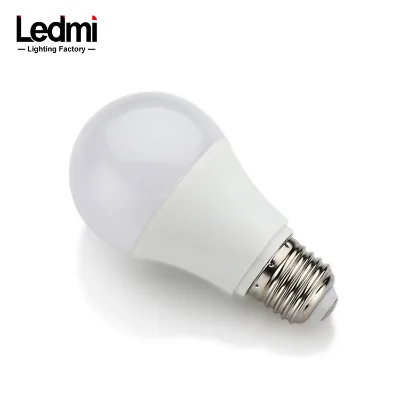


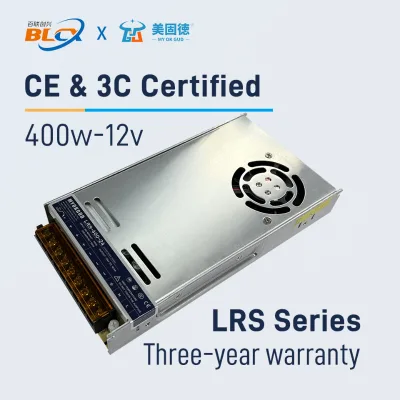
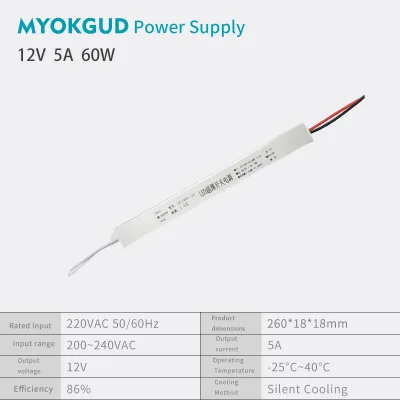

Comprehensive Sourcing Guide
LED Bulb Lamp Converter Sourcing Guide
Procuring LED bulb lamp converters requires a precise understanding of the electrical interface between legacy fixtures and modern solid-state lighting. Buyers must distinguish between direct replacement bulbs and actual driver converters that regulate current for specific LED arrays. The supplied data indicates a wide range of models, from ITD57L to MR16 variants, suggesting that the market offers both integrated units and separate conversion components. Sourcing decisions should begin by defining whether the goal is to retrofit existing housings or to install new luminaires with built-in driver technology.
The observed product attributes reveal significant variability in input voltage and power ratings, which directly impacts converter selection. Listings show input voltages ranging from 100-240V to specific 220V or 85-265V ranges, indicating that global compatibility is not universal. Furthermore, power outputs vary from low-power 3W units to higher wattage options like 20W or 50W. Buyers must verify that the converter’s electrical characteristics match the load requirements of the LED chips to prevent premature failure or flickering, ensuring the selected component integrates seamlessly with the intended lighting architecture.
Product Scope and Observed Listing Signals
The product scope encompasses a diverse array of LED lamp formats, including MR16, A60, G45, and P45 models, each requiring specific driver configurations. Observed listings highlight customization availability, allowing buyers to tailor specifications for unique project needs. Packaging methods vary from simple bags to OPP + Inner Box and Color Box options, reflecting different supply chain requirements for retail versus industrial procurement. The presence of models like SW-T008 and R63-SBL suggests that the market includes specialized fixtures for landscape accent and spot lighting applications, necessitating careful matching of form factor to function.
Brand presence is noted as "Sunbright or OEM," indicating that many suppliers operate under private label arrangements. This flexibility is crucial for distributors seeking to brand products for specific regional markets. The origin is consistently listed as China, with Zhejiang province specifically mentioned, pointing to a concentrated manufacturing hub for these components. Buyers should leverage this geographic concentration to streamline logistics but must remain vigilant about quality consistency across different OEM factories. The wide range of observed models underscores the importance of verifying exact part numbers rather than relying on generic category descriptions.
Technical Specifications to Verify
Voltage compatibility is the most critical technical parameter to verify before placing orders. The data shows inputs such as 100-240V, 220-240V, and 85-265V, meaning a converter rated for 220V may fail in a 110V region. Buyers must confirm the exact input range matches the local grid standards and the output voltage aligns with the LED module’s requirements. Additionally, power ratings span from 5W to 50W, requiring precise calculation of total load to avoid overloading the driver. Mismatched voltage or power specs are the primary cause of early field failures in LED installations.
Lighting performance metrics such as CRI and color temperature also demand scrutiny. Listings indicate a CRI greater than 80 and color temperatures ranging from Warm White (2700K) to a broad 2700K-6400K spectrum. Some products feature gradual changing capabilities, which may require specific dimming-compatible converters. The lamp body material is often plastic or PC+Alu, affecting heat dissipation and thus the driver’s thermal environment. Buyers should request datasheets that confirm these optical and thermal specifications to ensure the converter supports the desired light quality and longevity of the LED source.
Compliance and Safety Documentation
Safety certifications are non-negotiable for electrical components, yet the provided data only explicitly lists ISO9001: 2000 for quality management. Buyers must independently verify that the converters hold relevant electrical safety certifications for their target markets, such as CE, RoHS, or UL listings. The absence of explicit safety marks in the observed attributes suggests that buyers cannot assume compliance based on product descriptions alone. It is essential to request valid test reports from accredited laboratories to confirm that the internal circuitry meets international safety standards for insulation, leakage current, and fire resistance.
Regulatory compliance extends beyond safety to include electromagnetic compatibility (EMC). While IEC 61347-2-13 is mentioned as a background standard, its applicability to specific models is not confirmed in the listing data. Buyers should ensure that the supplier can provide EMC test results demonstrating that the converter does not generate excessive interference with other electronic devices. Additionally, verifying that the product meets regional energy efficiency regulations is crucial. Documentation should clearly state the efficiency class and power factor, with some listings noting a PF greater than 0.5, which may be insufficient for stricter regulatory environments.
Cost Drivers and Commercial Terms
Pricing in this sector is influenced by component quality, certification status, and order volume. The observed price range of $0.1 to $500,000 USD reflects the disparity between simple low-power drivers and complex, high-wattage industrial systems. Buyers should expect unit prices to correlate with the complexity of the driver circuit and the inclusion of features like dimming or gradual changing. MOQs range from 1 to 10,000 units, offering flexibility for small trials but requiring larger commitments for optimal pricing. Understanding the cost structure helps buyers negotiate effectively and avoid hidden fees associated with customization or special packaging.
Commercial terms such as shipping and payment conditions significantly impact the total cost of ownership. The data indicates a shipping lead time of 30 days after receiving the deposit, which buyers must factor into their inventory planning. Payment terms typically involve an upfront deposit, which carries financial risk if production delays occur. Buyers should clarify whether the quoted prices include packaging costs, such as the observed OPP + Inner Box or Color Box options. Clear agreement on Incoterms and liability for transit damage is essential, especially when sourcing from distant manufacturing hubs like Zhejiang, China.
Supplier Qualification and Quality Control
Supplier qualification should begin with verifying the ISO9001: 2000 certification mentioned in the data, ensuring a baseline level of process control. However, buyers must go further by assessing the supplier’s ability to maintain consistency across large production runs. Requesting samples for rigorous testing is a critical step to validate electrical performance and thermal management before committing to bulk orders. Buyers should also inquire about the supplier’s defect rate history and their process for handling non-conforming products. A reliable supplier will have clear protocols for root cause analysis and corrective actions.
Quality control processes should include incoming material inspection and final output testing. Buyers should confirm that the supplier tests each converter for voltage regulation, power output, and safety parameters. The use of materials like PC+Alu for lamp bodies suggests attention to durability, but the internal components must also be of high grade. Buyers should ask for details on the supplier’s testing equipment and frequency of calibration. Additionally, verifying the supplier’s capacity to handle OEM requirements, as indicated by the "Sunbright or OEM" branding, ensures they can meet specific branding and packaging needs without compromising quality.
Long-Term Procurement Checks
Long-term success depends on establishing a robust supply chain relationship that prioritizes continuous improvement and adaptability. Buyers should schedule regular performance reviews with suppliers to assess product reliability and customer feedback from end-users. Monitoring field failure rates is essential to identify any emerging quality issues early. Suppliers should be encouraged to provide updates on component availability and technological advancements that could improve efficiency or reduce costs. Maintaining open communication channels helps in anticipating supply chain disruptions and adjusting procurement strategies accordingly.
Sustainability and regulatory changes will continue to shape the LED converter market. Buyers should stay informed about evolving energy efficiency standards and environmental regulations that may impact product design. Ensuring that suppliers are proactive in adapting to these changes is crucial for maintaining compliance and market competitiveness. Additionally, buyers should consider the end-of-life disposal and recycling options for the converters, as environmental concerns become increasingly important. Building a partnership based on transparency and shared goals will help mitigate risks and ensure a steady supply of high-quality LED lighting solutions.
FAQs
Can led bulb lamp converters be customized for specific projects?
Yes, customization is available for led bulb lamp converters to meet unique project requirements. Buyers can specify particular models such as ITD57L or IP15 to ensure compatibility with existing fixtures. This flexibility allows for tailored solutions that align with specific design needs and technical constraints.
What input voltage ranges do these led bulb lamps support?
These led bulb lamps support a wide input voltage range of 100-240V, ensuring compatibility with various global power standards. Some models also accommodate 85-265V or 220-240V inputs. This broad voltage tolerance makes them suitable for diverse electrical environments without requiring additional voltage regulation equipment.
Which certifications are associated with these led bulb lamp products?
The products are associated with ISO9001: 2000 certification, indicating adherence to quality management standards. This certification ensures that manufacturing processes meet international benchmarks for consistency and reliability. Buyers can rely on this standard for quality assurance when sourcing led bulb lamps for commercial or industrial applications.
What is the typical warranty period for these led bulb lamps?
The typical warranty period for these led bulb lamps is 2 years. This warranty covers manufacturing defects and ensures product reliability during the specified timeframe. Buyers benefit from this coverage as it provides assurance of quality and support for the duration of the warranty period.
How are these led bulb lamps packaged for shipping?
These led bulb lamps are packaged in various formats including bags, boxes, OPP + Inner Box, and Color Box. The packaging choice depends on the specific model and order requirements. This variety ensures safe transport and protection of the products during shipping, maintaining their condition upon arrival.
What is the lead time for orders of these led bulb lamps?
The lead time for orders is typically 30 days after getting the deposit. This timeframe allows for production and quality checks before shipment. Buyers should plan their procurement schedules accordingly to ensure timely delivery and integration of the led bulb lamps into their projects.
What materials are used in the construction of these led bulb lamps?
The lamp body material is primarily plastic, while some models use PC+Alu for enhanced durability and heat dissipation. These materials are selected for their lightweight nature and resistance to environmental factors. The choice of material contributes to the overall performance and longevity of the led bulb lamps.