Source Liquid Oil Candle Making Slime for DIY, Flavor, and Fragrance
Compare 30 listings for Liquid Oil Candle Making Slime from verified suppliers. Buyers can evaluate purity, scent options, and packaging sizes ranging from 100ml bottles to 25kg drums for daily flavor and candle applications; compare the available evidence and request quotations based on your requirements.
Updated
Key considerations
Products List
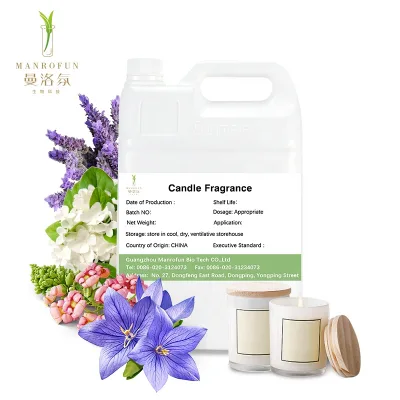
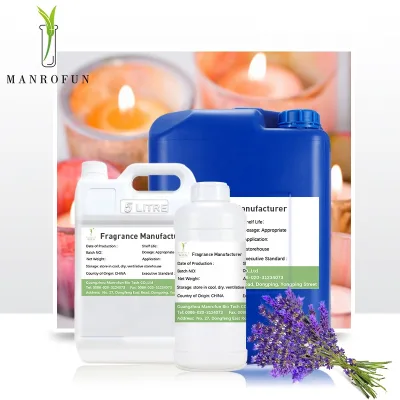
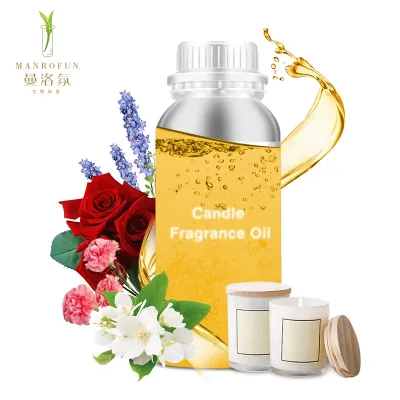
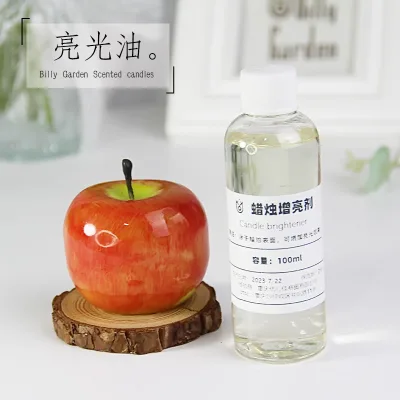
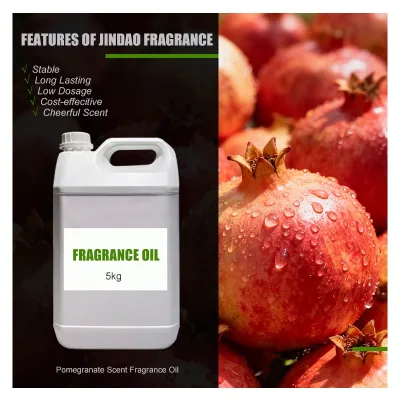
Kids Recreational Products Slime Making Fragrance Oil Plasticine Slime Fragrances Candle Scented Oil
$19.418 - $30.6665
MOQ: 1 kilograms
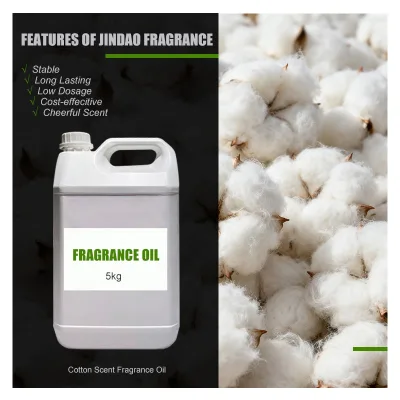
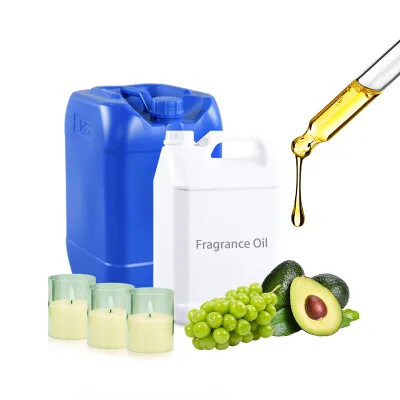

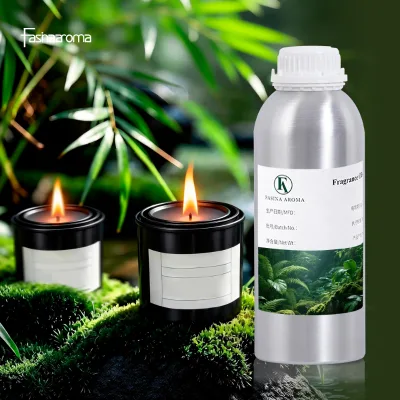
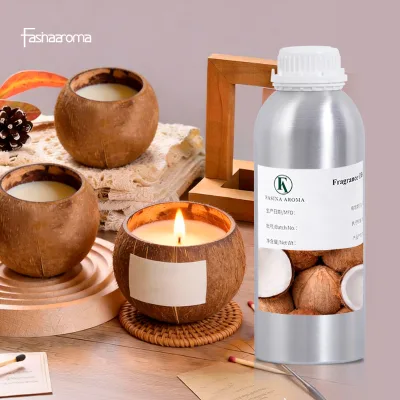
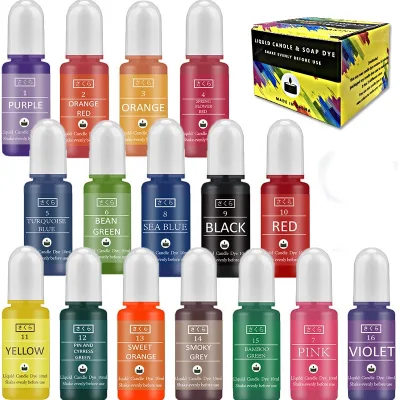


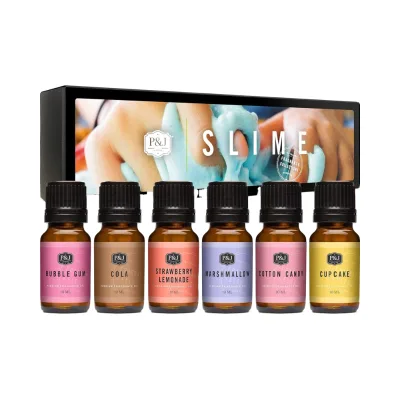


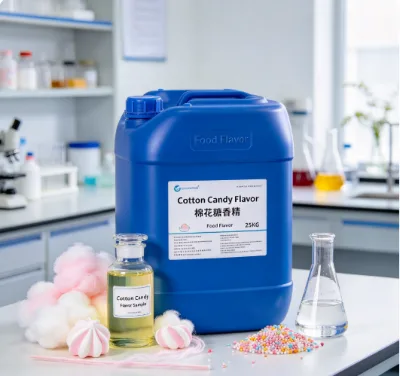
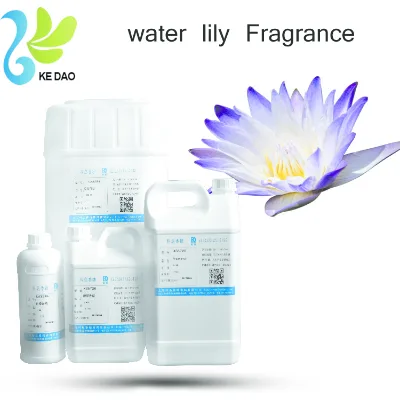
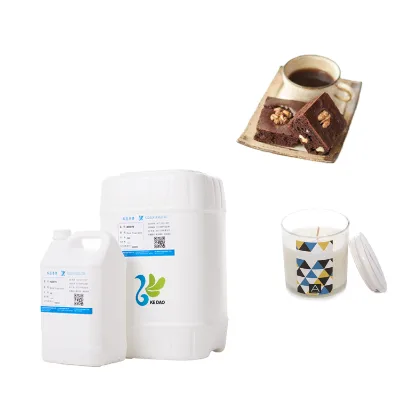
Chocolate Fudge Brownie fragrance oil used for candle making soy wax
$10.3746 - $20.7477
MOQ: 20 Minimum

Comprehensive Sourcing Guide
Liquid Oil Candle Making Slime Sourcing Guide
Sourcing liquid oil for candle making and slime applications requires a disciplined approach to verifying product attributes, as the market presents a wide array of synthetic fragrances and functional additives. Buyers must navigate a landscape where product names often overlap, such as "candle fragrance oil" or "candle brightener," which may serve distinct purposes in formulation. The observed data indicates a significant variation in origin, with suppliers primarily located in Guangdong and Henan, China, suggesting a concentrated manufacturing hub for these specialized chemical blends. Understanding these geographic and categorical distinctions is the first step in building a reliable supply chain that meets specific aesthetic and functional requirements.
Procurement teams should focus on the physical form and intended usage of the liquid oil, as these factors dictate storage, handling, and end-product performance. The available listings highlight liquid oil forms with scents ranging from floral notes like Freesia and Lily Sage to neutral options like Cotton, catering to diverse consumer preferences in DIY and commercial markets. It is critical to distinguish between products designed for daily flavoring and those strictly for candle making or diffuser use, as cross-contamination or misuse can lead to product failure. By aligning the specific scent profile and application with the supplier’s stated capabilities, buyers can ensure that the raw material integrates seamlessly into their final slime or candle formulations without compromising quality or safety.
Product Scope and Observed Listing Signals
The current market signals reveal a diverse product scope centered around synthetic flavor and fragrance oils, with specific models like CFO01 and MRF-R2360962 indicating specialized formulations for candle and slime applications. Buyers will encounter products labeled as "candle brightener" or "candle fragrance oil," which suggests a focus on enhancing the visual and olfactory appeal of the final product. The presence of brands such as MANROFUN and DanQingYin highlights the competitive nature of this sector, where differentiation is often achieved through unique scent profiles and packaging options. These signals indicate that suppliers are catering to both small-scale DIY enthusiasts and larger commercial manufacturers by offering flexible packaging sizes, such as 100ml or 500ml bottles, to suit varying production volumes.
Observations of product attributes further clarify the scope, with many listings emphasizing features like plant oil content and modern styling, which appeal to eco-conscious and aesthetically driven buyers. The availability of samples, ranging from free 10-20ml portions to freely provided charges, serves as a critical signal of supplier confidence and buyer engagement opportunities. These sample offerings allow procurement teams to test the viscosity, scent throw, and compatibility of the liquid oil with slime bases or candle wax before committing to larger orders. Additionally, the mention of specific model numbers and single package sizes provides a level of transparency that helps buyers compare offerings across different suppliers, ensuring that they select products that align with their technical and aesthetic standards.
Technical Specifications to Verify
Verifying technical specifications is paramount when sourcing liquid oil for candle making and slime, as attributes like purity, form, and model number directly impact performance. Buyers should confirm that the product is a liquid oil with a purity level of 99.9% or 99%, ensuring consistency in scent intensity and chemical stability. The model numbers, such as JD-203995 or unspecified variants, serve as unique identifiers that help in tracking batches and verifying supplier claims. It is essential to cross-reference these model numbers with the supplier’s technical data sheets to ensure that the product meets the specific viscosity and density requirements for slime elasticity or candle burning characteristics, preventing formulation issues downstream.
Storage conditions and shelf life are other critical technical specifications that must be verified to maintain product integrity during transit and storage. Listings indicate a shelf life of 1-3 years and recommend storage in cool, dry places, which are standard but vital guidelines for preserving the chemical stability of fragrance oils. Buyers should also verify the single gross weight and package dimensions, such as 1.5 kg or 1.000 kg per unit, to calculate accurate freight costs and warehouse space requirements. Additionally, confirming the packaging type, whether it is 1kg/5kg/10kg bulk or smaller bottles, ensures that the supply chain can handle the product safely and efficiently, minimizing the risk of leakage or degradation during handling.
Compliance and Safety Documentation
Compliance and safety documentation are non-negotiable elements in the procurement of liquid oil for candle making and slime, given the potential health and safety risks associated with chemical handling. Buyers must insist on comprehensive documentation, including MSDS, COA, TDS, IFRA, and SDS certificates, which provide critical information on hazardous ingredients, handling procedures, and regulatory compliance. These documents serve as the primary verification tool for ensuring that the product meets international safety standards and is suitable for its intended use, whether in consumer-facing candles or tactile slime products. The presence of ISO certification further indicates a supplier’s commitment to quality management systems, reducing the risk of non-compliant batches entering the supply chain.
In addition to standard safety sheets, buyers should verify the FEMA number and other regulatory identifiers, although some listings indicate these as NA or N, which may require further clarification from the supplier. It is crucial to ensure that the product does not contain prohibited substances and that the scent profiles, such as Freesia, Lily Sage, or Cotton, are approved for use in the target market. Procurement teams should also check for any specific industry standards or grade classifications, such as Industry Standard grade, to ensure that the product meets the quality expectations for commercial use. By rigorously reviewing these compliance documents, buyers can mitigate legal and reputational risks associated with selling non-compliant or unsafe consumer products.
Cost Drivers and Commercial Terms
Cost drivers in the liquid oil market are influenced by factors such as purity, scent complexity, and packaging, which directly impact the final price and commercial terms. The observed price range of 0.28-950 USD reflects the vast disparity between basic bulk fragrances and specialized, high-purity formulations, requiring buyers to align their budget with their quality expectations. Minimum Order Quantities (MOQ) vary significantly, with some suppliers offering MOQs as low as 1 bottle or 1 kg, while others may require larger commitments. Understanding these MOQ structures is essential for managing inventory costs and cash flow, particularly for small businesses or those testing new product lines with limited initial demand.
Commercial terms also include the availability of samples and their associated costs, which can serve as a hidden cost driver if not managed properly. While many suppliers offer free samples, buyers should clarify any shipping or handling fees that may apply, as these can add up over multiple testing iterations. Additionally, the packaging options, ranging from small bottles to large bulk containers, affect the unit cost and logistics expenses. Buyers should negotiate clear terms regarding payment methods, lead times, and return policies for defective goods to ensure a smooth procurement process. By carefully evaluating these commercial terms, buyers can optimize their total cost of ownership and establish a sustainable relationship with their suppliers.
Supplier Qualification and Quality Control
Supplier qualification is a critical step in ensuring the reliability and consistency of liquid oil supplies for candle making and slime applications. Buyers should prioritize suppliers with verifiable origins, such as those in Guangdong or Henan, China, and assess their production capabilities through site audits or third-party inspections. The presence of multiple model numbers and brand names, such as Jindao or DanQingYin, suggests a diverse supplier base, but buyers must verify the authenticity and reputation of each entity to avoid counterfeit or substandard products. Establishing a clear quality control protocol, including regular sampling and testing, is essential to maintain product consistency and meet customer expectations.
Quality control measures should also include verifying the supplier’s ability to provide consistent scent profiles and physical properties across batches. Buyers should request batch-specific COAs and test results to ensure that the purity, viscosity, and scent intensity remain within acceptable limits. Additionally, monitoring the supplier’s response to quality issues and their willingness to provide corrective actions is a key indicator of their reliability. By implementing a robust supplier qualification and quality control process, buyers can minimize the risk of supply chain disruptions and ensure that their final products meet the highest standards of quality and safety.
Long-Term Procurement Checks
Long-term procurement checks involve continuous monitoring of supplier performance, market trends, and regulatory changes to ensure sustained supply chain resilience. Buyers should regularly review supplier certifications, such as ISO and IFRA compliance, to ensure they remain up-to-date with evolving industry standards. Additionally, tracking changes in raw material costs and market dynamics can help buyers anticipate price fluctuations and negotiate favorable long-term contracts. By maintaining open communication with suppliers and staying informed about new product developments, buyers can proactively address potential issues and capitalize on emerging opportunities in the liquid oil market.
Furthermore, buyers should establish a feedback loop with their end-users to gather insights on product performance and satisfaction, which can inform future sourcing decisions. This customer-centric approach ensures that the liquid oil meets the practical needs of candle makers and slime enthusiasts, fostering brand loyalty and repeat business. Regularly auditing the supply chain for ethical and environmental compliance is also crucial, as consumers increasingly demand sustainable and responsibly sourced products. By integrating these long-term checks into their procurement strategy, buyers can build a robust, adaptable, and competitive supply chain that delivers value over time.
FAQs
What is the purity level of the Liquid Oil Candle Making Slime?
The Liquid Oil Candle Making Slime typically features a purity of 99.9% or 99%. This high-grade synthetic fragrance ensures consistent scent throw in DIY projects. Buyers should verify specific batch certifications like COA or TDS to confirm quality standards before large-scale production runs.
Can I get free samples of Liquid Oil Candle Making Slime?
Yes, suppliers often provide free samples ranging from 10 to 20 ml. These samples allow buyers to test scent profiles like Freesia or Cotton before committing to bulk orders. Availability is usually confirmed upon request, helping ensure the fragrance meets your specific candle making requirements.
What is the minimum order quantity for Liquid Oil Candle Making Slime?
The minimum order quantity varies by supplier, starting from one bottle or one kilogram. Some vendors require a minimum of one kilogram per scent selection. Buyers should check individual listings for specific MOQs, which can range from single units to larger bulk quantities depending on the brand.
Which certifications are available for Liquid Oil Candle Making Slime?
Common certifications include MSDS, COA, TDS, IFRA, and ISO standards. These documents verify safety and quality for candle making applications. Buyers should request these files to ensure compliance with international regulations and to confirm the product is suitable for daily flavor or fragrance use.
Where are Liquid Oil Candle Making Slime products manufactured?
Products are primarily manufactured in Guangdong and Henan provinces in China. These regions are known for producing synthetic fragrances and candle accessories. Buyers can filter suppliers by these locations to manage logistics and lead times more effectively for their specific sourcing needs.
How should Liquid Oil Candle Making Slime be stored?
Store the liquid oil in a cool, dry place to maintain quality. Proper storage prevents degradation of the fragrance notes like Freesia or Lily Sage. Keeping the product away from direct sunlight and heat sources ensures the shelf life remains within the typical one to three-year range.