Water Soluble Menthol Crystal Suppliers and Manufacturers
Compare 25 verified suppliers offering Water Soluble Menthol Crystal with varying lead times, certifications, and response speeds. Review product attributes like purity and packaging before contacting vendors for quotes; review the available evidence before requesting comparable quotations from suitable candidates.
Updated
Suppliers List

Sinochem Supply Chain Management Co., Ltd.
- Verified by TUVRHEINLAND
- Trading Company
- China Shandong
- Lead time15 days
- Avg. response≤ 13h
Main productsSodium Benzoate, Benzoic Acid, Calcium Propionate, Vanillin, Aspartame, Allicin, Sodium Butyrate, Potassium Sorbate, Menthol Crystal, Sucralose
Main marketsSouth America,Eastern Europe,Mid East,North America,Southeast Asia,Eastern Asia,Oceania,Western Europe,Africa

- Verified by BV
- Trading Company
- China Liaoning
- Lead time30 days
- Avg. response≤ 3h
Main productsCitric Acid, Xanthan Gum, Vitamin C Ascorbic Acid, Aspartame, Phosphoric Acid, Sodium Benzoate, Msg/Monosodium Glutamate, TCCA, Ringtab Bottle Cap, Beverage Production Line
Main marketsAfrica,Southeast Asia/ Mideast
Guangzhou Anrui Food Ingredients Co., Ltd.
- Verified by Intertek
- Manufacturer, Trading Company
- Lead time5 days
- Avg. response≤ 3h
Main productsSweeteners, Thickeners, Preservative, Enzyme Preparations, Food Colorants
Main marketsSoutheast Asia(20%), North America(15%), Oceania(15%)
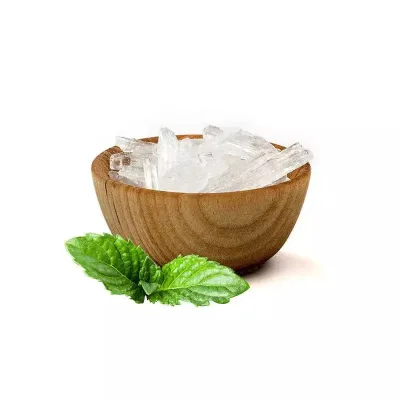
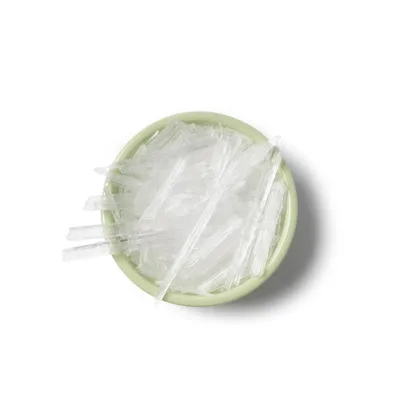
Natural Flavour&Fragrances L- Menthol Crystal/Menthol Crystals Natural Menthol
$18.0836 - $20.5296
MOQ: 100 kilograms
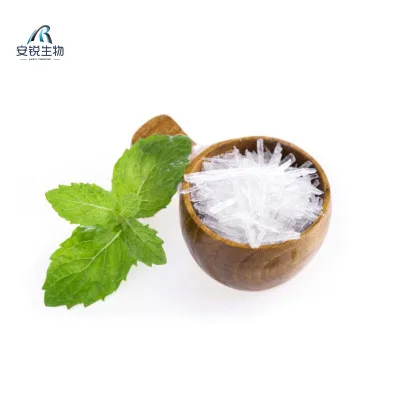
Premium Natural Menthol Crystals - High Purity for Food, Cosmetics & Pharmaceuticals
$16.6759 - $18.1929
MOQ: 1 kilograms
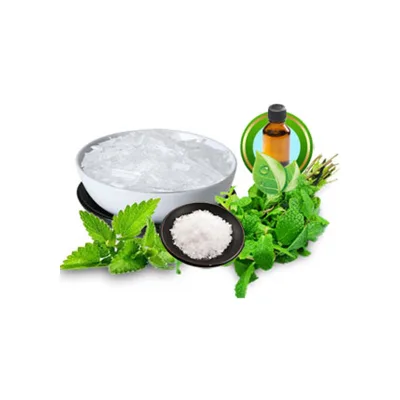
$18.3484 - $20.5431
MOQ: 50 kilograms
Jiangxi Hairui Natural Plant Co., Ltd.
- Verified by SGS Group
- Manufacturer, Trading Company
- Lead time7 days
- Avg. response≤ 2h
Main productsNatural Plant Oil, Medicinal Spice Oil, Hair Essential Oil, Other Beauty & Personal Care Products, Carrier Oil
Main marketsNorth America(15%), Eastern Europe(11%), Oceania(11%)
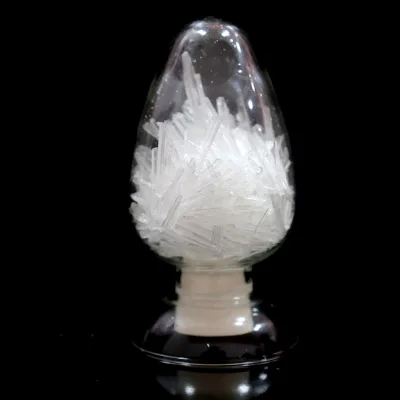
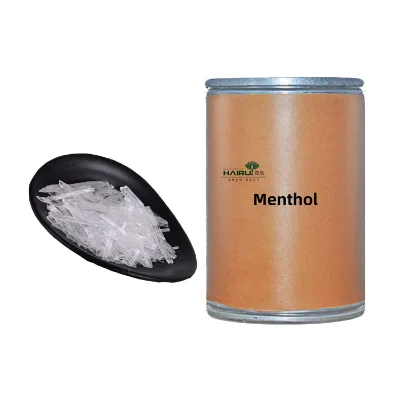
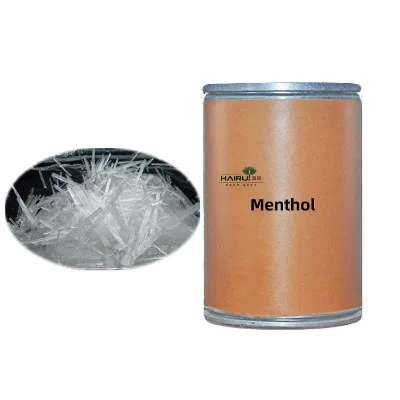
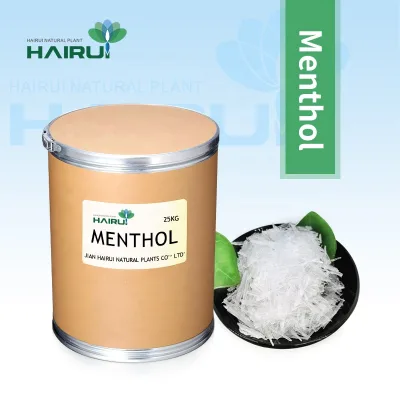
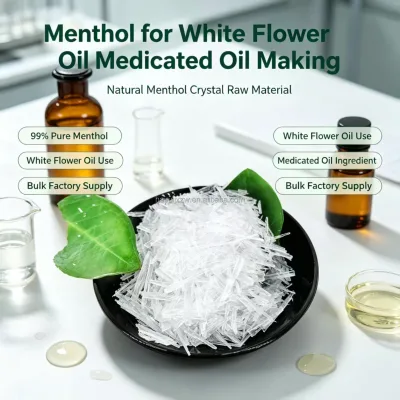
HAIRUI Supply 1KG Menthol Crystal for Food Grade 99% Natural Menthol Crystal
$19.80 - $22.00
MOQ: 1 kilograms

- Verified by TUVRHEINLAND
- Trading Company
- China Shandong
- Lead time15 days
- Avg. response≤ 5h
Main productsNeotame, Sucralose, Stevia Extract, Erythritol, Soya Lecithin, Food Thickener Pullulan, Coenzyme Q10, L-Glutathione, Entecavir Monohydrate, Caramel Color
Main marketsSouth America,Africa,Others(foreignTradeCapacity.exportBusinessCapacityMarketOther),Southeast Asia/ Mideast,Europe,North America

Guangzhou Zio Chemical Co., Ltd.
- Verified by BV
- Trading Company
- China Guangdong
- Lead time0 days
- Avg. response≤ 3h
Main productsAcid Citric, Vitamin C, Xanthan Gum, Aspartame, Erythritol, Propylene Glycol, Menthol Crystal, Modified Starch, Sorbitol, Potassium Sorbate

Factory Supply Food Grade Price Crystal Menthol Usese Flavors Menthol Crystal
$18.00 - $19.00
MOQ: 25 kg


Shaanxi Tai Ma Health Biological Co., Ltd.
- Trading Company
- Shaanxi, China
- Lead time3 days
- Avg. response≤ 5h
Main productsCooling Agent, Sweetener, Flavor, Food Flavor, Food Additives
Main marketsNorth America(25.00%), Western Europe(13.00%), Southern Europe(13.00%), Northern Europe(13.00%), Eastern Europe(13.00%), Mid East(6.00%), South America(5.00%), South Asia(2.00%), Eastern Asia(2.00%), Oceania(2.00%), Central America(2.00%), Africa(2.00%), Southeast Asia(2.00%)

Shaanxi Hongkang Biological Technology Co., Ltd.
- Verified by TUVRHEINLAND
- Trading Company,Manufacturer/Factory
- China Shaanxi
- Lead time15 days
- Avg. response≤ 4h
Main productsCosmetic Raw Materials, High Concentrate Liquid Flavor, Food Additive Matcha Powder, Food Grade Matcha Powder, Shilajit Extract, Menthol Crystals, Flavor for Heating, Moringa Powder, Mushroom Extract, Essential Oil
Main marketsSouth America,Eastern Europe,Mid East,North America,Southeast Asia,Eastern Asia,Oceania,Western Europe,Africa

- Verified by TUVRHEINLAND
- Trading Company
- China Hebei
- Lead time30 days
- Avg. response≤ 7h
Main productsSLES 70%, LABSA 96%, SLS/K12, Soap Noodles, HPMC, Titanium Dioxide, Soy Wax, Aos 35% 92%, Monohydrous/Anhydrous Citric Acid, Petroleum Jelly
Main marketsSoutheast Asia/ Mideast

High Quality Raw Material Increased Cooling Feeling Flavor Grade Menthol Crystal
$13.00 - $19.90
MOQ: 1 kg


Free Sample Best Price Top Quality L-Menthol 100% Natural Food Grade Menthol Crystal
$13.00 - $19.90
MOQ: 1 kg


Free Sample Dl-Menthol High Purity Natural Crystal CAS 89-78-1 Food Grade Menthol
$15.00 - $20.00
MOQ: 25 kg
- Trading Company
- Guangxi, China
- Lead time7 days
- Avg. response≤ 6h
Main productsZinc Chemical,Tin Chemical,Cuprous Chemical,Reclaimed Rubber,Metal Products
Main marketsSoutheast Asia(30.00%), Africa(20.00%), Eastern Asia(10.00%), Mid East(10.00%), Eastern Europe(10.00%), South America(5.00%), Western Europe(5.00%), North America(1.00%)
Ji'an Hairui Natural Plant Co., Ltd.
- Manufacturer
- Jiangxi, China
- Lead time10 days
- Avg. response≤ 2h
Main productsMedicinal Spice Oil,Natural Plant Oil,Essential Oil,Natural Extract,Hydrosol
Main marketsNorth America(15.00%), Oceania(11.00%), Eastern Europe(11.00%), Central America(10.00%), Western Europe(10.00%), South America(10.00%), Southern Europe(5.00%), Northern Europe(5.00%), Southeast Asia(5.00%), South Asia(5.00%), Eastern Asia(5.00%), Mid East(5.00%), Domestic Market(2.00%), Africa(1.00%)
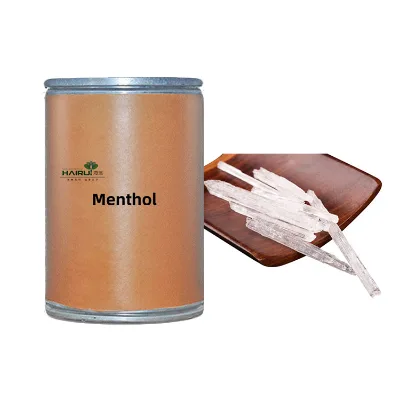
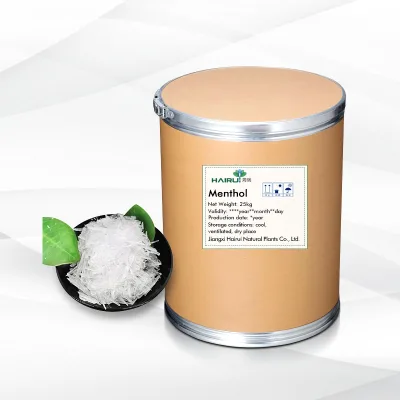
Wholesale 99% Purity Natural DL Menthol Crystal Ice Food Grade Menthol Mint Extract
$15.883 - $18.7524
MOQ: 2 kilograms
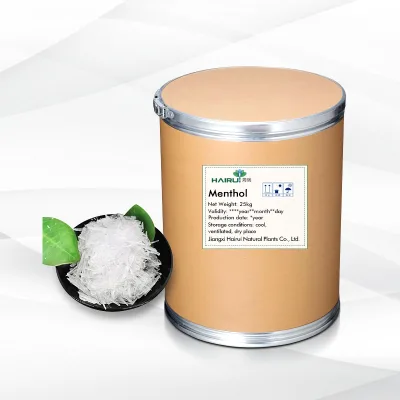
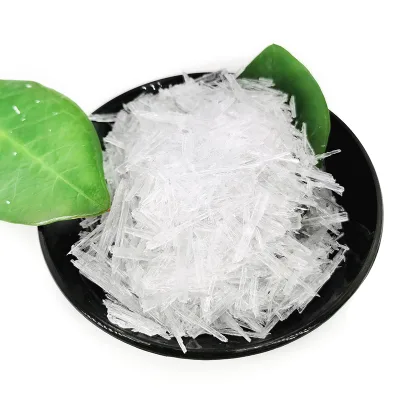
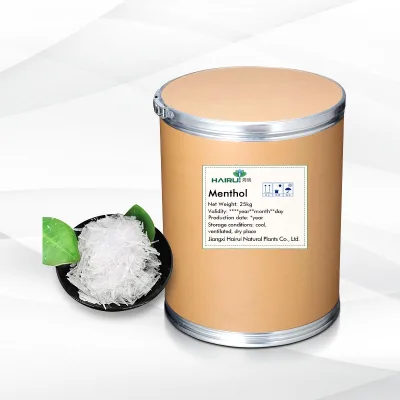
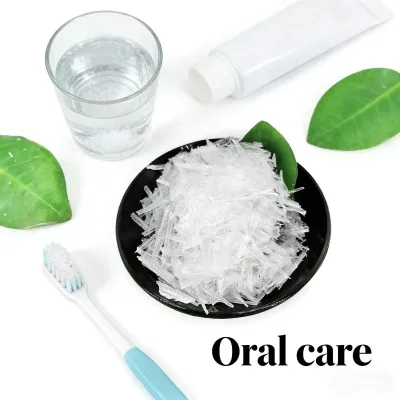
Natural Flavour Menthol Crystal Widely Use for Toothpaste Plant Extract Menthol
$16.3947 - $18.2392
MOQ: 2 kilograms

Tianjin Zhuofeng Biotechnology Co., Ltd.
- Verified by BV
- Trading Company
- China Tianjin
- Lead time15 days
- Avg. response≤ 6h
Main productsFood Additives, Plant Extract, Amino Acid, Nutrient Supplements, Feed Additives, Vitamin, Water Treatment, Coffee Bean/Cacao Beans, Cocoa Butter Cocoa Powder, Plastic Particle
Main marketsSoutheast Asia/ Mideast


High Pure Natural Menthol Crystal Food Preservatives Dl-Menthol Crystal Menthol Price
$5.20 - $6.30
MOQ: 1000 kg


Shandong Jinqi Chemical Co., Ltd.
- Verified by SGS Group
- Trading Company
- Lead time10 days
- Avg. response≤ 7h
Main productsPVC Resin, MDI, Caustic Soda, Paraffin Wax, Calcium Carbide
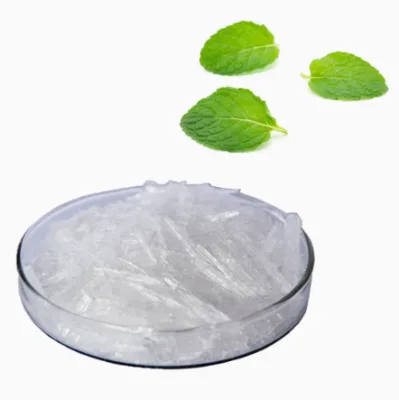
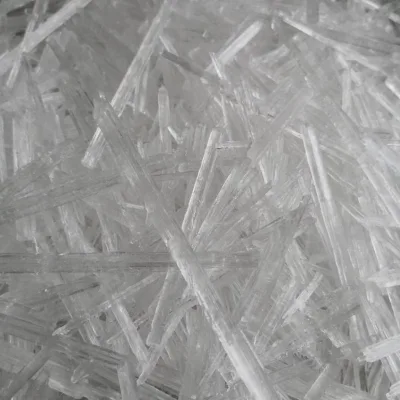
Raw Material 100% Natural Refreshing Menthol Crystals Food Grade CAS 89-78-1
$24502.00 - $24510.00
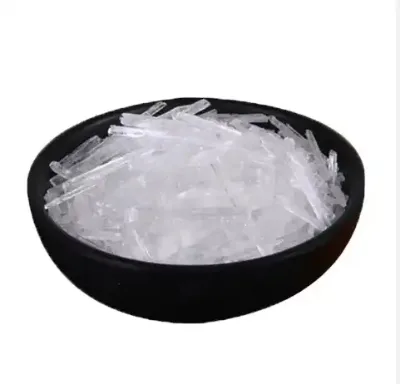
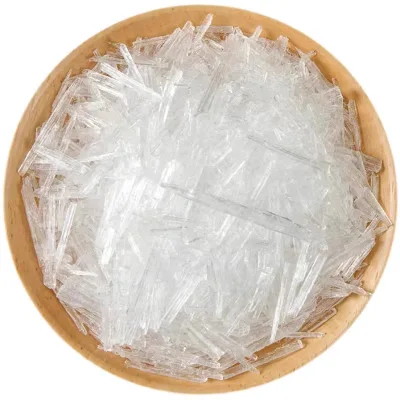
Free Sample Dl-Menthol High Purity Natural Crystal CAS 89-78-1 Plant Extract L-Menthol
$24502.00 - $24510.00
MOQ: 1 tons

Shandong Yifan Chemical Technology Co., Ltd.
- Verified by SGS
- Trading Company,Manufacturer/Factory
- China Shandong
- Lead time0 days
- Avg. response≤ 2h
Main productsChemical, Nmn, Daily Flavor


Food Ingredient High Purity 99.5% L-Menthol, Dl-Menthol, Menthol Crystal 89-78-1
$18.00 - $80.00
MOQ: 1 kg
- Trading Company
- Anhui, China
- Lead time0 days
- Avg. response≤ 5h
Main productsFood Additives,Vitamins,Amino Acids,flavor & fragrance,Fine Chemicals
Main marketsNorth America(20.00%), Eastern Europe(15.00%), Western Europe(10.00%), Southern Europe(10.00%), Northern Europe(10.00%), Central America(10.00%), Oceania(5.00%), Mid East(5.00%), South America(5.00%), South Asia(2.50%), Africa(2.50%), Eastern Asia(2.50%), Southeast Asia(2.50%)
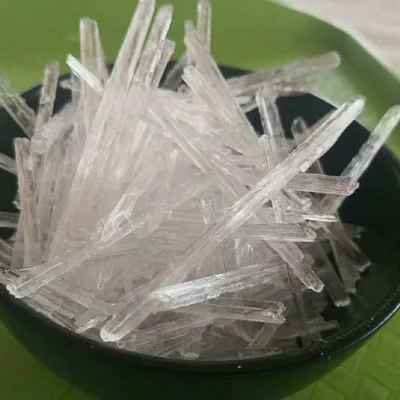
LIFELONG Plant Extract Food Grade Menthol Menthol Flavor Enhancer Freshener Menthol Crystals
$10.7592 - $18.9573
MOQ: 1 Minimum

- Verified by SGS
- Manufacturer/Factory
- China Liaoning
- Lead time30 days
- Avg. response≤ 6h
Main productsCosmetic Ingredients, Cosmetic Preservatives, Biocides, Molecular Sieve, Color Developer, Glyoxylic Acid, PARA Nitrobenzoic Acid, Benzoic Acid, 6-Methyluracil, Methyl Salicylate
Main marketsSouth America,Eastern Europe,Mid East,North America,Southeast Asia,Eastern Asia,Oceania,Western Europe,Africa


100% Food Grade Purity Organic Intermediate 2216-51-5 Naturally Crystal Menthol
$17.00 - $17.20
MOQ: 25 kg

Hangzhou Golden Flavors Co., Ltd
- Verified by SGS
- Combined
- China Zhejiang
- Lead time23 days
- Avg. response≤ 4h
Main productsFood Flavor, Food Preservative, Food Thickerning, Food Sweetener
Main marketsDomestic

Tianjin Sino Chemical Co., Ltd
- Verified by TUVRHEINLAND
- Trading Company,Manufacturer/Factory
- China Tianjin
- Lead time15 days
- Avg. response≤ 8h
Main productsCyanuric Acid, Poly Aluminium Chloride/PAC, Polyacrylamide/PAM, Aluminum Hydroxide, Sodium Lauryl Ether Sulfate/SLES, Cocamidopropyl Betaine/Capb, Cocamide Diethanolamine/Cdea, Monosodium Glutamate/Msg, Sodium Carboxymethyl Cellulose/CMC, Sorbitol
Main marketsSouth America,Eastern Europe,Mid East,North America,Southeast Asia,Eastern Asia,Oceania,Western Europe,Africa

High Pure Natural Menthol crystal Cosmetic Grade Food Grade Herb Menthol Crystal
$16.00 - $18.00
MOQ: 2000 kg


Hebei Haody Technology Co., Ltd.
- Verified by BV
- Trading Company
- China Hebei
- Lead time15 days
- Avg. response≤ 3h
Main productsSLES70%, Glycerin, LABSA96%, Cdea 6501, Cab-35, Soap Noodles 80/20, HPMC, Aeo 3/5/7/9, Aos Powder/Liquid, SLS K12
Main marketsOthers(foreignTradeCapacity.exportBusinessCapacityMarketOther)


High Purity Menthol Crystal L-Menthol Dl-Menthol Wholesale for Global Distributors
$25.00 - $30.00
MOQ: 5 kg


Jiangxi Hengshuo Spice Co., Ltd.
- Verified by SGS Group
- Manufacturer, Trading Company
- Jiangxi, China
- Lead time7 days
- Avg. response≤ 1h
Main productsEssential Oils And Gift Sets, Natural Vegetable Oils, Massage Oils, Hair Oil, Perfume Oil
Main marketsNorth America(20%), Western Europe(20%), Southeast Asia(15%)
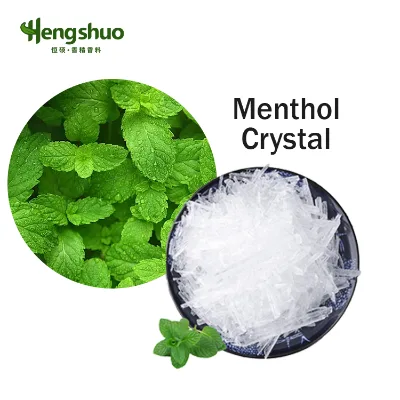
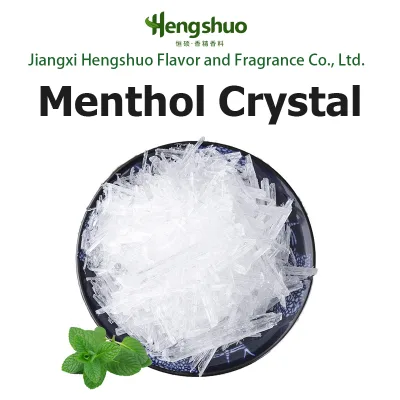
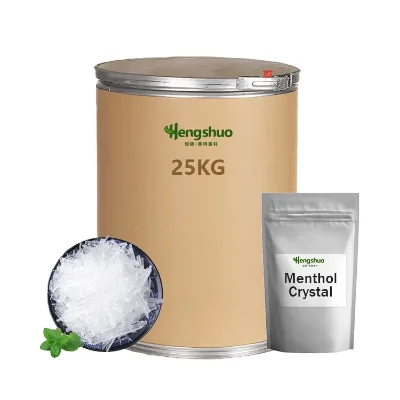
Wholesale Food Grade Raw Material Menthol100% Pure Natural Crystal Menthol Mint
$15.00 - $22.00
MOQ: 1 kilograms
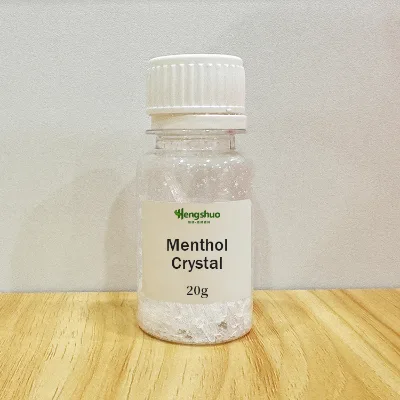
$16.5099 - $19.3283
MOQ: 1 kilograms
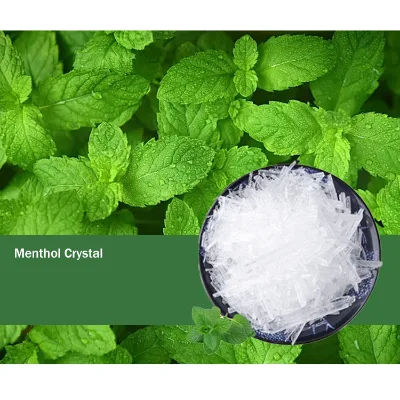
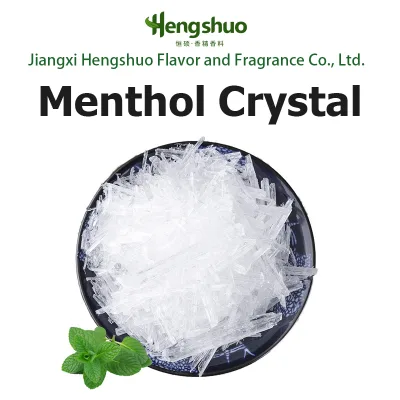
Natural Menthol Crystals 99.5% Pure for Pharmaceuticals Cosmetics Oral Care Products
$14.20 - $18.90
MOQ: 1
- Verified by SGS Group
- Trading Company
- Lead time10 days
- Avg. response≤ 5h
Main productsAscorbic Acid, Citric Acid, Creatine, Saccharin Sodium, Monosodium Glutamate, Sodium Lauryl Ether Sulphate, Melamine, Xanthan Gum, Polyvinyl Chloride, Phosphoric Acid
Main marketsSouth Asia(60%), Eastern Europe(40%)

Jiangxi Baicao Pharmaceutical Co., Ltd.
- Verified by BV
- Combined
- China Jiangxi
- Lead time15 days
- Avg. response≤ 13h
Main productsEssential Oil, Plant Extract, Fragrance Oil, Flavor Oil, Tea Tree Oil, Eucalyptus Oil, Peppermint Oil, Citronella Oil, Pine Oil, Cassia Oil /Cinnamon Oil
Main marketsSoutheast Asia/ Mideast,East Asia(Japan/ South Korea),Europe


Global Exporter Factory Wholesale Price Pure Natural China Mint Menthol Crystal
$23.00 - $25.00
MOQ: 1 kg


Xi'an Lynsey Biotech Co., Ltd.
- Trading Company
- Shannxi, China
- Lead time5 days
- Avg. response≤ 10h
Main productsCooling Agent,Food Additives,Cosmetic Material,Mica Powder,Flavors
Main marketsSouthern Europe(20.00%), North America(20.00%), South Asia(10.00%), South America(10.00%), Northern Europe(10.00%), Central America(10.00%), Western Europe(10.00%), Mid East(10.00%), Africa(10.00%), Southeast Asia(10.00%), Eastern Europe(10.00%)
Shaanxi Bohong Health Industry Co., Ltd.
- Verified by SGS Group
- Manufacturer, Trading Company
- Lead time5 days
- Avg. response≤ 2h
Main productsMatcha powder, UBE powder, Pdrn powder, Moringa powder, Mushroom coffee
Main marketsNorth America(40%), Western Europe(10%), Northern Europe(10%)
Jiangxi Global Natural Spice Co., Ltd.
- Manufacturer, Trading Company
- Jiangxi, China
- Lead time7 days
- Avg. response≤ 3h
Main productsessential oil,plant oil,spice oil,terpene,herbs oil
Main marketsDomestic Market(7.14%), South Asia(7.14%), Southern Europe(7.14%), Northern Europe(7.14%), Central America(7.14%), Western Europe(7.14%), Eastern Asia(7.14%), Mid East(7.14%), Oceania(7.14%), Africa(7.14%), Southeast Asia(7.14%), Eastern Europe(7.14%), South America(7.14%), North America(7.14%)






Comprehensive Sourcing Guide
Water Soluble Menthol Crystal Supplier Concentration and Factory Types
The current supplier landscape for menthol crystals reveals a distinct geographic concentration in China, with specific operational hubs identified in Shandong and Liaoning provinces. These regions host a mix of trading companies and direct manufacturers, offering buyers a diverse range of sourcing options depending on their specific volume and customization needs. In Shandong, the available entities are primarily classified as trading companies, which often serve as intermediaries connecting buyers with broader supply chains. These trading firms typically manage a wide array of chemical and food-grade products, including sodium benzoate, benzoic acid, and various other preservatives and flavorings alongside menthol. This diversification suggests that buyers seeking menthol crystals from this region may benefit from consolidated shipping or bundled procurement strategies if they require multiple chemical inputs for their production lines. The presence of these trading companies indicates a mature logistical infrastructure in Shandong, capable of handling complex export documentation and international compliance requirements efficiently.
Conversely, the suppliers located in Liaoning province present a different operational profile, with some entities explicitly identified as manufacturers or a hybrid of manufacturer and trading company. This distinction is critical for buyers who prioritize direct factory access for quality control or custom formulation work. The Liaoning-based suppliers often highlight capabilities in OEM and ODM services, suggesting a flexibility in production that trading companies might not offer directly. Furthermore, the main product lists for these suppliers include items like citric acid, xanthan gum, and vitamin C, indicating a specialization in food additives and flavorings. This thematic consistency implies that the Liaoning cluster may have specialized expertise in food-grade menthol production, potentially offering higher purity standards or specific certifications relevant to the food and beverage industry. Buyers should carefully distinguish between these factory types to align their sourcing strategy with their need for direct manufacturing control versus the logistical convenience of a trading partner.
How to Verify Water Soluble Menthol Crystal Suppliers
Verification of suppliers requires a multi-layered approach that combines platform-issued credentials with independent third-party audits to ensure reliability and compliance. The current data indicates that several suppliers have undergone rigorous verification processes by recognized international bodies. For instance, some entities in Shandong are verified by TÜV Rheinland, a globally respected provider of testing, inspection, and certification services. This verification status provides a baseline level of confidence regarding the supplier’s business legitimacy and operational stability. Similarly, suppliers in Liaoning have been verified by BV (Bureau Veritas) and Intertek, two other major players in the quality assurance sector. These third-party verifications are crucial because they validate that the supplier’s physical existence, legal registration, and core business activities have been independently confirmed. Buyers should prioritize suppliers with these specific verification badges, as they significantly reduce the risk of engaging with fraudulent or non-existent entities.
Beyond basic verification, buyers must scrutinize the specific certifications held by the suppliers to ensure product compliance with international standards. The available product evidence shows that many menthol crystal offerings carry certifications such as HACCP, FDA, ISO, and BRC. These certifications are particularly important for food-grade and pharmaceutical-grade menthol, as they demonstrate adherence to strict hygiene, safety, and quality management protocols. For example, some suppliers explicitly list HACCP and ISO certifications, which are essential for food processing facilities. Additionally, the presence of COA (Certificate of Analysis) and MSDS (Material Safety Data Sheet) in product attributes indicates a commitment to transparency and safety documentation. Buyers should request these documents directly to verify that the specific batch of menthol crystals meets their required purity levels and regulatory standards. It is also advisable to check for Halal and Kosher certifications if the end product targets specific religious dietary markets, as some suppliers in the current results explicitly hold these credentials.
What to Compare Across Water Soluble Menthol Crystal Suppliers
When evaluating potential suppliers, buyers should systematically compare key operational metrics such as lead times, minimum order quantities (MOQs), and response speeds to determine the best fit for their supply chain. The data reveals significant variation in these areas, with lead times ranging from as short as five days to as long as thirty days. Suppliers with shorter lead times, such as those in Liaoning with a five-day turnaround, are ideal for buyers requiring rapid restocking or just-in-time delivery. In contrast, suppliers with longer lead times may offer more stable pricing or larger production capacities. Similarly, MOQs vary widely, with some suppliers requiring as little as twenty-five kilograms, while others set the bar at one hundred or two hundred kilograms. This flexibility allows buyers to test new suppliers with smaller orders or commit to larger volumes for better economies of scale. Response time is another critical factor, with some suppliers responding within two hours, while others take over twelve hours. Faster response times often correlate with better customer service and quicker resolution of pre-sales inquiries.
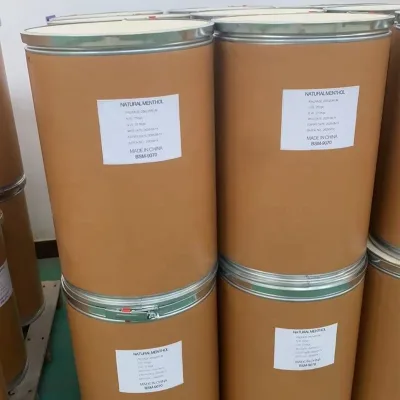
Price and product specifications are equally important dimensions for comparison, as they directly impact the total cost of ownership and product suitability. The price range for menthol crystals in the current results spans from approximately ten dollars to twenty-one dollars per unit, depending on the grade, quantity, and supplier. Buyers should not solely focus on the lowest price but should consider the value proposition, including packaging quality and certification coverage. For instance, some suppliers offer pharmaceutical-grade menthol with specific purity levels, such as ninety-nine percent, which may command a higher price but offer greater reliability for sensitive applications. Additionally, the availability of customization services, such as OEM and ODM, can be a decisive factor for buyers seeking branded products or specific formulations. The product attributes also highlight differences in packaging, with options ranging from twenty-five-kilogram drums to plastic packaging materials. Buyers should assess whether the packaging aligns with their storage capabilities and shipping requirements to avoid additional costs or product damage.
Common Water Soluble Menthol Crystal Sourcing Risks
One of the primary risks in sourcing menthol crystals is the potential discrepancy between claimed product specifications and actual delivered quality. While suppliers may advertise high purity levels, such as ninety-nine percent natural or synthetic menthol, the actual product may vary due to differences in extraction methods or manufacturing processes. For example, some suppliers specify supercritical carbon dioxide extraction, which is generally considered a premium method for preserving natural compounds, while others may use synthetic processes. Buyers must ensure that the extraction method aligns with their product requirements, especially if they are marketing the product as natural or organic. Additionally, the shelf life of menthol crystals can vary, with some suppliers offering a shelf life of over twelve months and others specifying twenty-four months. This difference can impact inventory management and product freshness, particularly for buyers with long supply chains or slow-moving inventory. Buyers should request recent batch test results to verify the current quality and stability of the product before placing large orders.
Another significant risk is the reliability of supply and the potential for logistical disruptions. Suppliers located in different regions of China may face varying logistical challenges, including port congestion, customs delays, or transportation bottlenecks. For instance, suppliers in Shandong and Liaoning may have different access to major shipping ports, which can affect transit times and costs. Additionally, the type of supplier, whether a trading company or a manufacturer, can influence supply chain resilience. Trading companies may have multiple sources for their products, which can provide flexibility but also introduce complexity in quality control. Manufacturers, on the other hand, may have more direct control over production schedules but could be vulnerable to raw material shortages or equipment failures. Buyers should assess the supplier’s capacity and backup plans to ensure consistent supply. It is also advisable to establish clear communication channels and regular updates to monitor production progress and anticipate any potential delays.
Water Soluble Menthol Crystal Regional Sourcing and Logistics
Sourcing menthol crystals from China offers access to a well-established industrial base, but buyers must navigate the logistical nuances of different regions to optimize their supply chain. The current results highlight two main sourcing hubs: Shandong and Liaoning provinces. Shandong, with its concentration of trading companies, may offer a broader selection of suppliers and potentially more competitive pricing due to the competitive nature of the trading sector. However, buyers should be aware that trading companies may add a markup to the final price. Liaoning, with its mix of manufacturers and trading companies, may provide more direct access to production facilities, which can be beneficial for buyers seeking custom formulations or higher quality control. The choice between these regions should be based on the buyer’s specific needs, such as the desired balance between price, customization, and supply chain transparency. Buyers should also consider the proximity of the supplier to major shipping ports, as this can significantly impact transit times and freight costs.
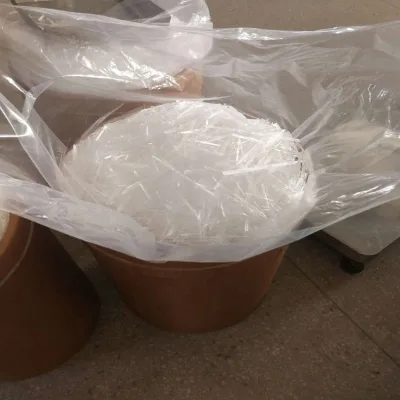
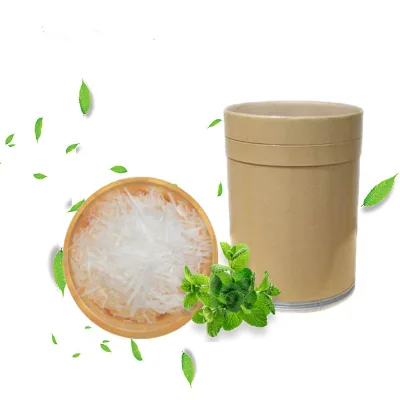
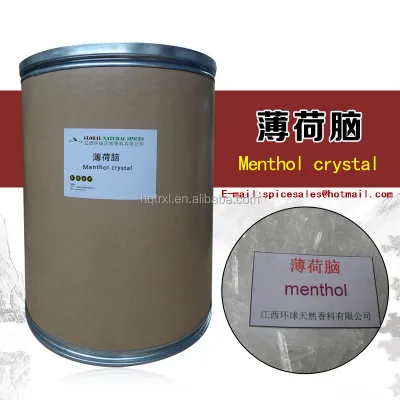
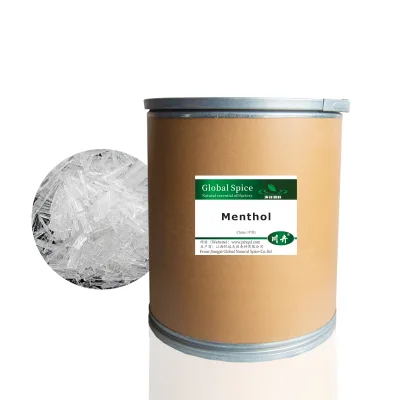
Logistics planning should also account for the specific packaging and handling requirements of menthol crystals. The product evidence indicates that menthol crystals are typically packaged in twenty-five-kilogram drums, which are standard for bulk chemical and food-grade products. However, some suppliers offer plastic packaging materials, which may provide additional protection against moisture or contamination. Buyers should ensure that the packaging is suitable for long-distance shipping and storage, especially if the product will be transported in humid or extreme temperature conditions. Additionally, the storage method specified by suppliers, such as normal storage or sealed in dry conditions, should be considered when planning warehouse management. Buyers should also verify the supplier’s ability to provide proper documentation, such as certificates of origin and customs clearance documents, to facilitate smooth import processes. Understanding these logistical details can help buyers avoid unexpected costs and delays, ensuring a more efficient and reliable supply chain.
Water Soluble Menthol Crystal Commercial Terms and Order Planning
Effective order planning for menthol crystals requires a clear understanding of the commercial terms offered by suppliers, including payment methods, shipping terms, and after-sales support. The current data suggests that many suppliers are open to customization and offer sample availability, which is crucial for buyers who need to test product quality before committing to large orders. Buyers should take advantage of these sample opportunities to evaluate the product’s purity, appearance, and performance in their specific applications. Additionally, the availability of OEM and ODM services indicates that suppliers are flexible in meeting unique buyer requirements, such as custom branding or specific packaging configurations. Buyers should clearly communicate their needs during the initial inquiry phase to ensure that the supplier can accommodate their requests. It is also advisable to negotiate favorable payment terms, such as partial upfront payment and balance upon shipment, to mitigate financial risk.
Long-term order planning should also consider the supplier’s capacity and scalability to meet growing demand. Suppliers with established production capabilities, such as those with own brand, OEM, and ODM capacities, are better positioned to handle volume increases without compromising quality. Buyers should assess the supplier’s historical performance and reliability to ensure they can consistently meet delivery schedules and quality standards. Additionally, buyers should establish a robust communication protocol with their suppliers to maintain visibility into production progress and address any issues promptly. Regular reviews of supplier performance, including metrics such as response time, lead time, and product quality, can help identify areas for improvement and strengthen the business relationship. By carefully planning commercial terms and order volumes, buyers can build a resilient and efficient supply chain for menthol crystals, ensuring consistent product availability and competitive pricing.
FAQs
What is the price range for water soluble menthol crystals?
Water soluble menthol crystals typically range from $10.00 to $21.50 per kilogram. Prices vary based on purity levels, certification requirements, and order volume. Buyers should expect minimum order quantities between 25 and 200 kilograms. Specific pricing depends on whether the product is natural or synthetic grade.
What certifications are available for menthol crystals?
Suppliers offer HACCP, FDA, ISO, and BRC certifications for menthol crystals. Some manufacturers also provide HALAL and Kosher certifications. Additional documentation includes COA and MSDS reports. These certifications ensure compliance with food and pharmaceutical standards for international trade and regulatory approval.
What is the typical lead time for menthol crystal orders?
Lead times for menthol crystals generally range from 5 to 30 days. Faster delivery is available from suppliers with stock or optimized production lines. Standard manufacturing lead times are around 15 to 30 days. Buyers should confirm specific timelines with suppliers based on order quantity and customization needs.
What is the minimum order quantity for menthol crystals?
Minimum order quantities vary from 25 to 200 kilograms. Some suppliers accept orders as low as 25 kilograms for samples or small batches. Larger orders may require 100 or 200 kilograms. MOQs depend on the supplier type and whether the product is standard or customized.
How quickly do suppliers respond to inquiries?
Supplier response times range from 2.02 to 12.67 hours. Faster responses are typical for verified manufacturers and trading companies. Buyers can expect replies within a few hours for urgent inquiries. Quick response times indicate active customer service and efficient communication channels for sourcing negotiations.
Where are menthol crystal suppliers located?
Menthol crystal suppliers are primarily located in China, specifically in Shandong and Liaoning provinces. Some manufacturers operate in Guangzhou. These regions are known for chemical and food additive production. Buyers can source from verified facilities in these key industrial hubs for reliable supply chains.
What packaging options are available for menthol crystals?
Menthol crystals are typically packaged in 25kg drums or plastic containers. Standard packing is 25kg per drum for bulk shipments. Some suppliers offer customization for packaging materials. Proper storage in dry, room temperature conditions ensures product stability and maintains the specified shelf life of over 12 months.