Source Luxury Gold Lid Cosmetic Jar for Tea, Food, and Chemical
Compare 30 listings for the Luxury Gold Lid Cosmetic Jar featuring plastic or aluminum materials, various capacities, and eco-friendly options. Buyers can evaluate customization, sealing types, and lead times from verified Chinese manufacturers.
Key considerations
Products List


Luxury 50ml 60ml 80ml 180ml Round Cosmetic Lid Tin Container Jar Aluminum Jar
$0.10 - $0.30
MOQ: 10000 Pieces


Silver Black Gold Cosmetic Containers Empty Aluminum Pot Jars with Lids
$0.05 - $0.50
MOQ: 1000 Pieces

Aluminum Jar - 5ml-700ml Gold Cosmetic Containers with Round Airtight Lids
$0.05 - $0.50
MOQ: 1000 Pieces


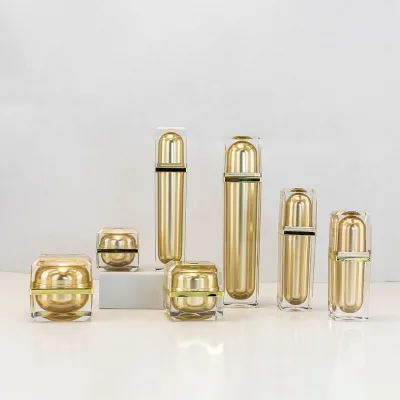


Cosmetics Gold Packaging White Lid Skincare Cosmetics Cans and Bottles
$0.15 - $0.65
MOQ: 10000 Pieces


High Quality Round Glass Cosmetic Cream Jar with Wood-Look Plastic Lid
$0.12 - $0.75
MOQ: 10000 Pieces


Comprehensive Sourcing Guide
Strategic Sourcing Guide for Luxury Gold Lid Cosmetic Jars
Understanding Material Composition and Structural Integrity
When sourcing luxury cosmetic packaging, the foundation of product quality lies in the material selection and structural design. The market for high-end cosmetic jars often presents a dichotomy between plastic and aluminum constructions, each offering distinct advantages for different brand positioning strategies. Plastic variants are frequently cited as the primary material for mass-market luxury items due to their versatility in molding complex shapes and their resistance to breakage during transit. These containers often feature screw cap sealing types, which provide a reliable barrier against contamination and evaporation, essential for preserving the integrity of creams and serums.
In contrast, aluminum options offer a premium tactile experience and superior barrier properties against light and oxygen, which can be critical for sensitive formulations. The observed product data indicates that aluminum jars are often categorized as small package tanks, suitable for concentrated products where weight and volume efficiency are paramount. The structural integrity of these jars is further defined by their dimensions and weight. For instance, specific models in the market have been observed with heights around 84mm and diameters of 90mm, weighing approximately 268g. These physical attributes are not merely aesthetic; they influence the perceived value and the functional capacity of the packaging. Buyers must verify that the chosen material aligns with the viscosity of the cosmetic product and the intended retail environment. A jar that is too light may feel cheap, while one that is too heavy may increase shipping costs unnecessarily. The choice between plastic and aluminum often dictates the manufacturing process, with plastic allowing for intricate molding and aluminum requiring different forming techniques.
Technical Specifications and Customization Capabilities
The technical specifications of a luxury cosmetic jar extend beyond simple volume measurements to include precise dimensional tolerances and customization options. The market offers a range of standard sizes, such as 30ml, 50ml, and 100g capacities, which serve as baseline models for various product lines. However, the true value in luxury packaging often comes from the ability to customize these specifications. Data indicates that customization is widely available, allowing brands to tailor the shape, color, and surface finish to their unique identity. For example, jars are available in transparent or customized colors, enabling brands to create a cohesive visual language across their product range.
Customization extends to the printing and branding elements. Silk screen printing is a common technique observed in the market, allowing for high-quality logo application and decorative patterns. Brands can also request specific color matching and logo placement, ensuring that the packaging reflects the luxury status of the product inside. The shape of the jar is another critical specification; round shapes are prevalent, offering a classic and elegant aesthetic that appeals to a broad consumer base. Additionally, the cap design plays a significant role in the overall luxury feel. Double-wall caps are observed in some high-end models, providing enhanced insulation and a more substantial feel when held.
The packaging dimensions for shipping are also a technical consideration. Standard export packages often utilize carton dimensions such as 573840cm, containing 100 pieces per carton. This standardization helps in logistics planning and cost estimation. However, for custom orders, the packing requirements may vary, necessitating a clear discussion with the supplier regarding layer packing and carton reinforcement. The ability to accommodate specific volume requirements, such as 50g or 30g, alongside custom sizing, ensures that the packaging fits the product perfectly without excessive headspace, which can affect the product's stability and presentation.
Compliance, Certification, and Regulatory Standards
Navigating the regulatory landscape is a critical component of sourcing luxury cosmetic packaging. Suppliers in the industry are expected to adhere to international standards that ensure safety and quality. The presence of certifications such as ISO and CE is a strong indicator of a supplier's commitment to quality management systems and product safety. These certifications suggest that the manufacturing processes have been audited and meet specific criteria for consistency and reliability. For buyers, verifying these certifications is not just a formality but a risk mitigation strategy to ensure that the packaging materials are safe for contact with cosmetics.
In addition to general certifications, buyers must consider the specific standards relevant to the cosmetic industry. While specific numerical standards may vary by region, the general expectation is that materials must be food-grade or cosmetic-grade, ensuring they do not leach harmful substances into the product. The observed product data mentions standards such as 30ml and 50ml, which often correlate with regulatory limits on product labeling and volume declarations. Furthermore, the eco-friendly attribute is increasingly becoming a standard requirement. Suppliers offering eco-friendly options demonstrate an awareness of sustainability trends, which is crucial for brands aiming to appeal to environmentally conscious consumers.
Buyers should also verify the origin of the products, as this can impact compliance with local regulations. Products originating from China, specifically regions like Zhejiang, are common in the global supply chain. However, the origin does not inherently guarantee compliance; it is the supplier's adherence to international standards that matters. The lead time for production, often ranging from 15 to 35 days depending on the complexity of the order, should also be factored into the compliance timeline. Delays in production can disrupt the supply chain, so it is essential to confirm that the supplier can meet the required delivery schedules while maintaining quality standards.
Cost Drivers and Economic Considerations
The cost of luxury cosmetic jars is influenced by a complex interplay of factors, including material costs, customization requirements, and order volume. The observed price range in the market spans from $0.05 to $2.20 per unit, reflecting the diversity in product complexity and material quality. Lower-priced items typically correspond to standard plastic models with minimal customization, while higher-priced items often involve aluminum construction, intricate designs, or specialized finishes. The minimum order quantity (MOQ) is another significant cost driver, with observed ranges varying from 2 to 12,000 pieces. High MOQs, such as 10,000 or 5,000 pieces, can lower the unit cost but require a larger upfront investment and storage capacity.
Customization adds a layer of cost complexity. Requests for specific colors, printing, or logo application can increase the unit price due to the additional setup and labor required. The lead time also impacts cost; longer lead times, such as 35 days, may be associated with more complex production runs or higher quality control measures. Buyers must balance the desire for customization with the budget constraints, understanding that premium features often come at a premium price. Payment terms, such as T/T (Telegraphic Transfer), are standard in the industry and should be negotiated to ensure cash flow management.
Additionally, the cost of shipping and packaging should be considered. Standard export packages are designed to protect the goods during transit, but custom packing requirements may increase these costs. The weight and dimensions of the jars, such as the 268g weight and 84mm height, directly influence shipping costs, especially for international orders. Buyers should request detailed quotes that include all these variables to get a comprehensive view of the total cost of ownership.
Typical Applications and Market Positioning
Luxury gold lid cosmetic jars are designed to meet the demands of a wide range of applications within the beauty and personal care industry. The primary usage categories include tea, food, aerosol, and chemical products, indicating the versatility of these containers. However, in the context of luxury cosmetics, the focus is often on high-end skincare, anti-aging creams, and premium serums. The gold lid serves as a visual cue of luxury, signaling quality and exclusivity to the consumer. The round shape and double-wall cap design contribute to a premium tactile experience, enhancing the unboxing experience and brand perception.
The market positioning of these jars is often aligned with brands that emphasize quality, sustainability, and aesthetic appeal. The eco-friendly attribute observed in some products suggests a growing trend towards sustainable luxury, where brands seek to balance high-end design with environmental responsibility. The ability to customize the color and print allows brands to differentiate themselves in a crowded market. For instance, a brand targeting women may opt for specific color schemes and printing styles that resonate with their target demographic. The medium-sized packaging pots and small package tanks offer flexibility for different product types, from full-body creams to concentrated eye treatments.
The applications also extend to the retail environment. The standard export packaging ensures that the jars arrive in pristine condition, ready for display on shelves. The dimensions and weight of the jars are optimized for shelf presence, ensuring they are easy to handle and visually appealing. The use of silk screen printing allows for high-quality branding that withstands the rigors of retail display. Overall, the typical applications of luxury gold lid cosmetic jars are diverse, but they all share a common goal: to elevate the perceived value of the product inside.
Supplier Evaluation and Quality Control Protocols
Selecting the right supplier is a critical step in the sourcing process, requiring a thorough evaluation of their capabilities and track record. Buyers should look for suppliers that offer free samples, which allow for a hands-on assessment of the product quality. The availability of samples within 7 days is a positive indicator of a supplier's efficiency and responsiveness. When evaluating suppliers, it is essential to verify their certifications, such as ISO and CE, to ensure they meet international quality standards. The origin of the products, often from regions like Zhejiang, China, should be considered in the context of the supplier's reputation and reliability.
Quality control protocols are another vital aspect of supplier evaluation. Buyers should inquire about the supplier's internal quality control processes, including inspection methods and defect rates. The ability to produce consistent results is crucial for maintaining brand reputation. The lead time, which can range from 15 to 35 days, should be realistic and achievable, ensuring that the supply chain remains stable. Payment terms, such as T/T, should be clear and agreed upon to avoid any financial disputes. Additionally, the supplier's willingness to accommodate customization requests, including coloring, printing, and logo application, is a key indicator of their flexibility and customer service.
Buyers should also consider the supplier's capacity to handle large orders, as indicated by the observed MOQs. A supplier with a high capacity can ensure timely delivery even for large-scale production runs. The packaging methods, such as layer packing in cartons, should be robust enough to prevent damage during transit. Finally, the supplier's commitment to sustainability, as evidenced by eco-friendly options, should be a factor in the decision-making process. By thoroughly evaluating these aspects, buyers can identify suppliers that are capable of delivering high-quality luxury cosmetic jars that meet their specific needs.
Long-Term Procurement and Supply Chain Resilience
Establishing a long-term procurement strategy for luxury cosmetic jars requires a focus on supply chain resilience and adaptability. The market dynamics, including material costs and regulatory changes, can fluctuate, making it essential for buyers to build relationships with suppliers who can adapt to these changes. The observed lead times and MOQs provide a baseline for planning, but buyers should negotiate flexible terms that allow for adjustments based on demand fluctuations. The ability to source custom designs and materials ensures that the brand can evolve its packaging strategy over time without being locked into a single supplier or product line.
Sustainability is a long-term consideration that cannot be overlooked. As consumer preferences shift towards eco-friendly products, suppliers who offer sustainable options will become increasingly valuable. Buyers should prioritize suppliers who are committed to reducing their environmental impact, whether through material choices, manufacturing processes, or packaging solutions. This commitment not only aligns with brand values but also future-proofs the supply chain against potential regulatory changes.
Furthermore, the cost drivers discussed earlier, such as material costs and customization, should be monitored regularly. Building a strong relationship with the supplier can lead to better pricing and more favorable terms over time. The payment terms, such as T/T, should be structured to support the financial health of both parties, ensuring a stable and mutually beneficial partnership. By focusing on these long-term considerations, buyers can ensure a reliable and resilient supply chain that supports the growth and success of their luxury cosmetic brand.
FAQs
What materials are used for luxury gold lid cosmetic jars?
These jars are commonly made from plastic or aluminum to ensure durability and a premium feel. Plastic offers versatility for molding complex shapes, while aluminum provides superior barrier properties against light and oxygen for sensitive formulations.
Can I customize the size and color of these cosmetic jars?
Customization is widely available for shape, color, and surface finish to match your brand identity. Buyers can request transparent or customized colors, along with specific volume capacities like 30ml, 50ml, or 50g to fit their product lines perfectly.
Which certifications do suppliers typically hold for these jars?
Suppliers often hold ISO and CE certifications to demonstrate adherence to international quality and safety standards. These certifications indicate that manufacturing processes are audited to ensure the materials are safe for contact with cosmetics and other sensitive products.
How long is the lead time for production of these jars?
Production lead times typically range from 15 to 35 days depending on order complexity and customization. Simple standard orders may be completed in 15 days, while intricate custom designs with specific printing requirements can extend the timeline to 35 days.
What is the minimum order quantity for these cosmetic containers?
Minimum order quantities vary significantly, ranging from as low as 2 pieces up to 12,000 pieces for bulk orders. Specific models often require MOQs of 5,000 or 10,000 pieces, which helps lower the unit cost but requires a larger upfront investment.
Where are these luxury cosmetic jars manufactured?
Most of these products originate from China, with specific manufacturing hubs located in regions like Zhejiang. Buyers should verify the specific origin and supplier reputation to ensure compliance with local and international shipping regulations.
What sealing types are available for these cosmetic jars?
Screw cap sealing types are frequently used to provide a reliable barrier against contamination and evaporation. Some high-end models also feature double-wall caps, which offer enhanced insulation and a more substantial tactile experience for the consumer.