Source Magnetic Wire Thread Screwdriver for Repair, Decoration, and Assembly
Compare 30 Magnetic Wire Thread Screwdriver options from verified suppliers. These tools feature high carbon steel construction, customizable logos, and are suitable for indoor and outdoor professional applications. Buyers can review diverse sizes, magnetic tips, and various handle materials to find the right fit for their specific project needs and requirements.
Updated
Key considerations
Products List


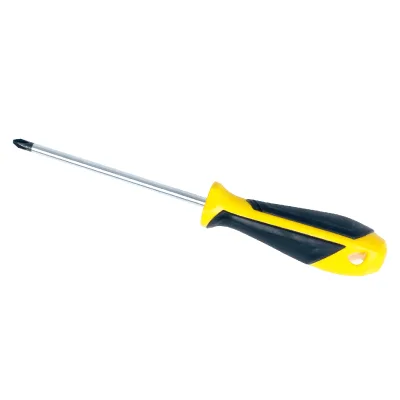
$1.80 - $2.00
MOQ: 300 pieces
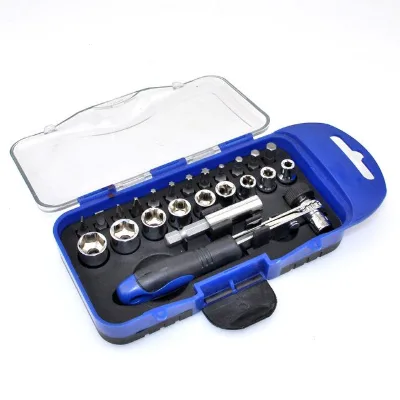


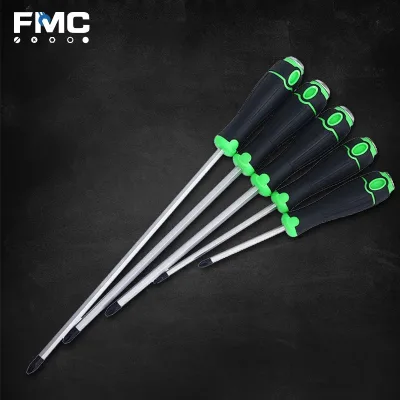
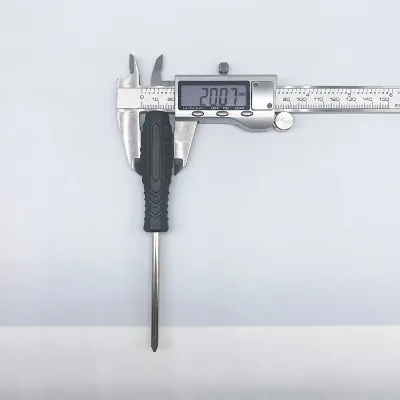
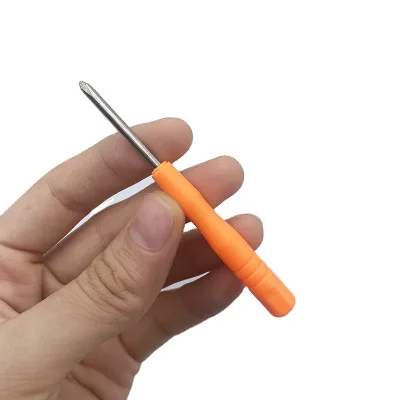
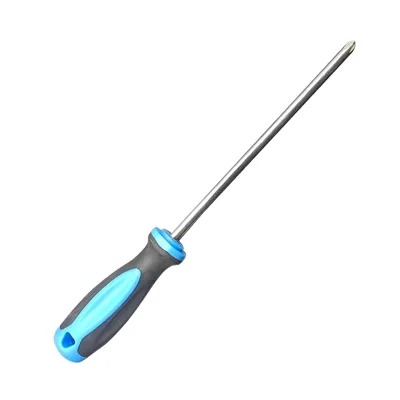
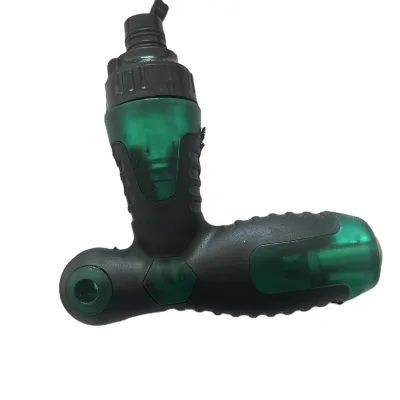
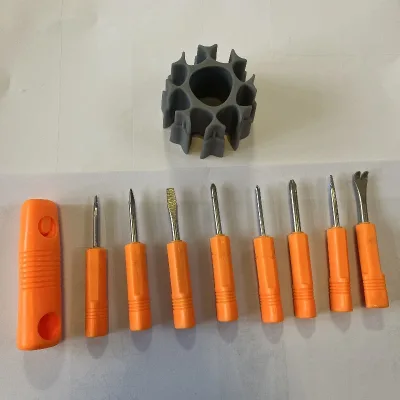
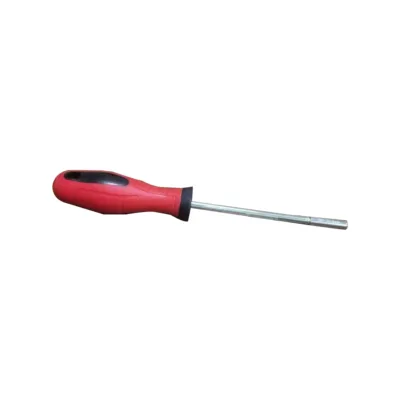




Manual Screwdriver Phillips Screwdrivers Hardware Tool Slotted Screwdriver
$0.40 - $0.45
MOQ: 1200 Pieces

Comprehensive Sourcing Guide
Magnetic Wire Thread Screwdriver Sourcing Guide
Sourcing magnetic wire thread screwdrivers requires a nuanced understanding of tool geometry, material composition, and functional design. These specialized hand tools are engineered to secure fasteners in tight or hard-to-reach spaces, leveraging magnetic tips to prevent dropouts during assembly or repair tasks. Buyers must distinguish between standard slotted drivers and those specifically optimized for wire thread inserts, which often feature unique tip geometries to engage with fine threads without stripping. The procurement process begins with identifying the precise application environment, whether it involves automotive repair, aerospace maintenance, or general industrial assembly, as these contexts dictate the necessary torque resistance and durability standards.
The market offers a diverse array of options ranging from basic carbon steel models to high-carbon professional-grade instruments. Observations indicate that suppliers provide customization options, including logo printing and color variations, which are critical for brand identity in corporate toolkits. However, the core value lies in the tool’s structural integrity and magnetic retention capability. Procurement teams should prioritize suppliers who demonstrate consistent manufacturing processes for the handle and shaft connection, ensuring that the magnetic feature does not compromise the mechanical strength of the driver. Understanding these foundational differences is essential for selecting tools that meet both operational efficiency and long-term reliability requirements.
Product Scope and Observed Listing Signals
Current market listings reveal a wide spectrum of product attributes, with prices ranging from $0.06 to $16.50 USD and minimum order quantities (MOQs) spanning from 1 to 10,000 units. This variance suggests a market segmented by volume and quality tier, where low-cost options may serve general-purpose needs while premium items cater to professional industrial applications. Listings frequently highlight features such as "magnetic tip," "high carbon steel" construction, and "professional level" quality grades. Buyers should note that while many products claim multi-purpose functionality, specific design styles like "modern" or "straight type" structures indicate distinct ergonomic and operational profiles that must be matched to user preference.
Packaging and branding signals are prominent in supplier descriptions, with options including individual plastic boxes, bulk packing, and blister cards with color labels. These packaging choices often correlate with the target customer segment, where retail-ready packaging appeals to distributors, while bulk shipments suit large-scale industrial procurement. Additionally, the availability of OEM services and customized logos indicates that many manufacturers are equipped to produce white-label goods. Procurement specialists must verify whether the observed "common" sizes and "jobber-length" specifications align with their inventory needs, as mismatched dimensions can lead to operational inefficiencies. The presence of "colorful" handles and "customized" colors further suggests that aesthetic customization is a standard offering, allowing companies to maintain visual consistency across their tool fleets.
Technical Specifications to Verify
Verifying technical specifications is paramount to ensuring tool performance and compatibility. Key attributes to validate include the screw head type, which listings indicate may be "slotted" or "hex," and the structure, which is often described as "straight type" or "folded." Buyers must confirm the exact length and diameter specifications, as observed ranges include lengths from 65mm to 240mm and specific models like 6*300mm. The material composition is another critical factor, with "high carbon steel" and "carbon steel" being common, while handles are frequently made from "polypropylene" for durability and grip. Ensuring that the magnetic tip is securely integrated and retains its strength under torque is essential for preventing fastener loss during use.
Further verification should focus on the tool’s grade and finish, with listings mentioning "industrial" grade and various finishes. The "special feature" of a magnetic tip must be tested for retention force, especially when handling small or lightweight fasteners. Additionally, the bit style and head style should be cross-referenced with the specific wire thread insert standards used in your operations. While some listings claim "high-class" standards, buyers should request detailed technical datasheets that specify the hardness, tensile strength, and magnetic flux density of the tools. Confirming these parameters ensures that the selected screwdrivers can withstand the mechanical stresses of wire thread installation without bending, breaking, or losing their magnetic properties over time.
Compliance and Safety Documentation
Compliance with international standards is a non-negotiable aspect of professional tool procurement. Listings indicate that suppliers may offer certifications such as CE and ISO, along with adherence to DIN and ANSI standards. Buyers must verify the specific versions of these standards and ensure that the tools meet the regulatory requirements of their target markets. For instance, CE marking confirms conformity with health, safety, and environmental protection standards for products sold within the European Economic Area. Similarly, ISO certification suggests that the manufacturer follows rigorous quality management systems, which can be a proxy for product consistency and reliability.
Safety documentation should also include material safety data sheets (MSDS) if the tools involve any chemical treatments or coatings, although most hand tools are primarily mechanical. Buyers should request evidence of material traceability, ensuring that the steel used meets specified grade requirements and is free from harmful impurities. Additionally, packaging compliance, such as the use of shrink wrap and warning labels, should be verified to ensure that the products are safely transported and stored. Understanding the full scope of compliance requirements helps mitigate legal risks and ensures that the tools can be legally imported and used in various jurisdictions without hindrance.
Cost Drivers and Commercial Terms
Cost structures for magnetic wire thread screwdrivers are influenced by material quality, manufacturing complexity, and order volume. The observed price range of $0.06 to $16.50 USD reflects significant differences in quality tiers, with higher prices typically correlating with superior materials like high-carbon steel and enhanced magnetic retention. MOQs ranging from 1 to 10,000 units allow for flexibility, but larger orders often yield better unit economics. Buyers should analyze the total cost of ownership, including potential savings from bulk purchasing versus the risks of inventory holding costs for large quantities.
Commercial terms such as payment methods, lead times, and shipping arrangements also impact the overall cost. Suppliers offering OEM services may charge additional fees for logo customization and packaging design, which should be factored into the budget. It is crucial to negotiate clear terms regarding quality assurance and returns in case of defective products. Additionally, understanding the supplier’s production capacity and lead times can help in planning procurement cycles to avoid stockouts. By carefully evaluating these commercial factors, buyers can optimize their spending while ensuring a steady supply of high-quality tools for their operations.
Supplier Qualification and Quality Control
Supplier qualification involves assessing the manufacturer’s production capabilities, quality control processes, and track record. Buyers should verify the supplier’s ability to maintain consistent quality across batches, particularly for critical attributes like magnetic strength and material hardness. Requesting samples for rigorous testing is a standard practice to validate claims before committing to large orders. Suppliers with ISO certification and a history of producing professional-grade tools are generally more reliable, as they are likely to have robust internal quality management systems in place.
Quality control checks should include visual inspections for defects, dimensional accuracy measurements, and functional tests of the magnetic tip. Buyers should also inquire about the supplier’s defect rate and their process for handling non-conforming products. Establishing a clear communication channel for quality issues ensures that problems are addressed promptly. Additionally, considering the supplier’s location, such as China, may impact logistics and lead times, so buyers should factor this into their supply chain strategy. A thorough qualification process helps mitigate risks and ensures that the sourced tools meet the required performance standards.
Long-Term Procurement Checks
Long-term procurement success depends on continuous monitoring of supplier performance and product quality. Establishing key performance indicators (KPIs) such as on-time delivery, defect rates, and responsiveness to issues helps in evaluating supplier reliability over time. Regular audits, whether on-site or virtual, can provide insights into the supplier’s operational practices and identify areas for improvement. Maintaining a diversified supplier base can also reduce dependency on a single source and mitigate supply chain disruptions.
Feedback loops with end-users are essential for gathering insights on tool performance in real-world applications. This feedback can inform future procurement decisions, such as adjusting specifications or switching suppliers if necessary. Additionally, staying informed about industry trends and technological advancements in hand tool manufacturing can help buyers stay ahead of the curve. By implementing a structured long-term procurement strategy, organizations can ensure a consistent supply of high-quality magnetic wire thread screwdrivers that support their operational efficiency and safety standards.
FAQs
What materials are used for magnetic screwdrivers?
Magnetic screwdrivers are typically crafted from high carbon steel or carbon steel for the shaft to ensure durability and strength. The handles are often made from polypropylene to provide a comfortable and secure grip during use. These materials support professional-level quality grades suitable for both indoor and outdoor applications.
Can I customize the logo on these tools?
Yes, customized logos are available for magnetic screwdrivers. Suppliers offer OEM support, allowing buyers to add their branding to the product. This customization is ideal for businesses looking to enhance brand visibility. The tools can be produced with specific color labels and warning labels to meet corporate identity requirements.
What certifications do these screwdrivers have?
These magnetic screwdrivers typically hold CE certification, ensuring they meet European health, safety, and environmental protection standards. Some products may also adhere to ISO standards for quality management. These certifications verify that the tools are safe for professional use and comply with international regulatory requirements for hand tools.
What is the typical MOQ for ordering?
The minimum order quantity for magnetic screwdrivers ranges from 1 to 10,000 pieces. This flexibility allows both small businesses and large enterprises to place orders that fit their inventory needs. Buyers can select quantities based on their specific project requirements or distribution plans without facing excessive minimum purchase barriers.
How are these tools packaged for shipping?
Packaging options include individual plastic bags, blister packs with color cards, and bulk cartons. Some items are packed in plastic boxes with color and warning labels. This variety ensures products are protected during transit. The packaging methods are designed to maintain product integrity while offering flexibility for different retail or industrial distribution channels.
Are these screwdrivers adjustable or fixed?
Most magnetic screwdrivers in this category are unadjustable and feature a straight type structure. They are designed as fixed tools with specific sizes, such as 6*300mm or lengths ranging from 65mm to 240mm. This fixed design ensures precision and reliability for specific screw head types, particularly slotted heads.