Source CNC Lathe Machine Carbide Insert for Steel and Aluminum
Source 30 CNC Lathe Machine Carbide Insert options from Zhuzhou City, China. Compare specifications including PNMU090508-F50 and APMT1135 models with ceramic or cemented carbide materials. Evaluate features like PVD/CVD coatings, corner radii, and indexable structures for roughing and finishing applications.
Updated
Key considerations
Products List


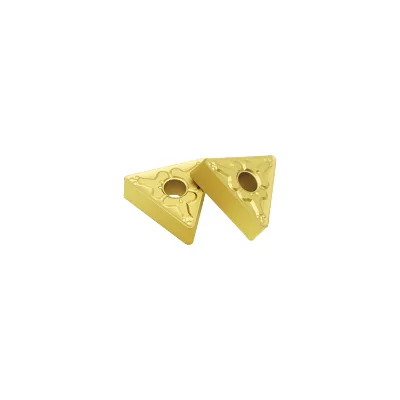
Carbide Thread Insert Turning Milling Cutting Tools CNC Machine Tools Insert
$7.50 - $8.00
MOQ: 10 Pieces




Comprehensive Sourcing Guide
CNC Lathe Machine Carbide Insert Sourcing Guide
Procuring carbide inserts for CNC lathe machines requires a disciplined approach to technical verification and supplier qualification. Buyers must navigate a complex landscape of material grades, geometric designs, and coating technologies to ensure optimal tool life and surface finish. The following guide outlines the critical steps for sourcing these precision components, focusing on evidence-based decision-making rather than generic advice.
This document serves as a practical framework for procurement professionals and engineering managers. It emphasizes the importance of aligning insert specifications with specific machining operations, such as roughing, semi-finishing, or finishing. By adhering to the structured verification steps below, buyers can mitigate supply chain risks and secure high-performance cutting tools that meet rigorous industrial standards.
Product Scope and Observed Listing Signals
The market for CNC lathe carbide inserts presents a diverse range of options, with observed price points spanning from $0.50 to $38.80 USD. This wide variance reflects differences in material quality, coating complexity, and brand reputation. Buyers should interpret these prices as indicative of the broader market rather than fixed rates, as final costs depend heavily on order volume and specific customization requirements.
Observed minimum order quantities (MOQs) typically range from 1 to 500 pieces, offering flexibility for both prototyping and mass production needs. Suppliers often provide customization options, including logo printing and specific geometric adjustments, to meet unique operational demands. Understanding these baseline signals helps buyers set realistic expectations for inventory management and budget planning during the initial sourcing phase.
Technical Specifications to Verify
Verification of technical specifications is paramount when selecting carbide inserts for CNC applications. Key attributes include the insert material, which is often cemented carbide or tungsten steel, and the coating type, such as PVD or CVD, which enhances durability and heat resistance. Buyers must confirm the corner radius, which can range from 0.2 to 3.2 mm, to ensure compatibility with the desired surface finish and cutting forces.
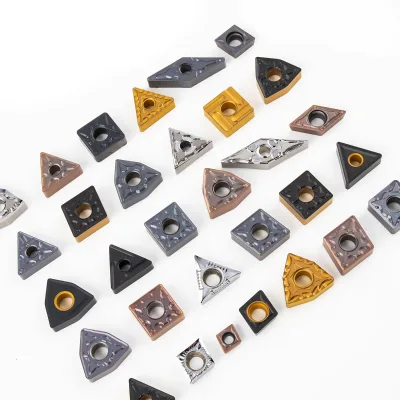
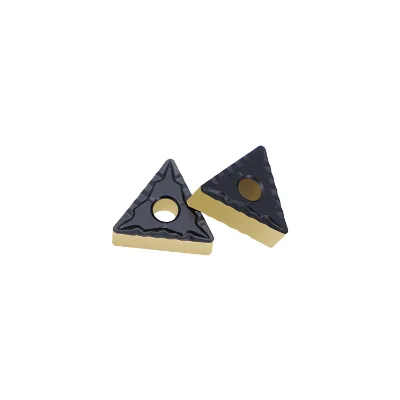
Geometric details such as the clearance angle, hole configuration, and number of cutting edges also play a crucial role in performance. Common types include Cnmg, Dnmg, and Tnmg, each suited for specific machining tasks like turning steel, cast iron, or stainless steel. Additionally, the tolerance class, often specified as H, ensures precise fitment in the tool holder, preventing vibration and ensuring consistent machining accuracy.
Compliance and Safety Documentation
Compliance with international standards is essential for ensuring the safety and reliability of carbide inserts. Certifications such as CE, GS, and ISO 9001 indicate that the manufacturer adheres to rigorous quality management and safety protocols. Buyers should request valid certification documents to verify that the supplier’s production processes meet recognized industry benchmarks for consistency and safety.
Furthermore, understanding the standard specifications, such as APKT11T304 or customized models, is vital for regulatory compliance in specific regions. These standards define the geometric dimensions and performance criteria that the inserts must meet. Buyers must ensure that the supplied products align with these standards to avoid operational failures and ensure that the tools are suitable for their intended industrial applications.
Cost Drivers and Commercial Terms
Several factors influence the total cost of ownership for carbide inserts, including material composition, coating technology, and packaging requirements. High-performance coatings and specialized materials like ceramic or stainless steel variants can increase unit costs but may offer longer tool life and better efficiency. Buyers should evaluate these trade-offs carefully to determine the most cost-effective solution for their specific machining needs.
Commercial terms such as delivery time, typically around 30 days, and supply ability, often cited as 50,000 pieces per month, impact inventory planning and production scheduling. Packaging methods, ranging from plastic interior boxes to standard export cartons, also affect logistics costs and product protection. Understanding these commercial variables allows buyers to negotiate favorable terms and ensure a stable supply chain.
Supplier Qualification and Quality Control
Supplier qualification involves assessing the manufacturer’s production capabilities and quality control systems. Buyers should verify the supplier’s origin, such as Zhuzhou City, China, a known hub for carbide tool manufacturing, and evaluate their ability to meet customized standards. A robust quality control process ensures that each insert meets the specified tolerance classes and material properties, reducing the risk of defective products.
Additionally, buyers should inquire about the supplier’s testing procedures and performance guarantees. While specific test results may not always be publicly listed, reputable suppliers should be able to provide data on tool life and cutting performance under standard conditions. Establishing a clear communication channel for quality issues and returns is also crucial for maintaining long-term supplier relationships and operational continuity.
Long-Term Procurement Checks
Long-term procurement success depends on continuous monitoring of supplier performance and market trends. Buyers should regularly review key performance indicators such as delivery reliability, product consistency, and after-sales support. Establishing a feedback loop with the supplier allows for timely adjustments to specifications or order volumes, ensuring that the procurement strategy remains aligned with evolving production needs.
Furthermore, staying informed about advancements in carbide technology and coating materials can provide a competitive edge. Buyers should periodically reassess their insert specifications to incorporate new innovations that may offer improved efficiency or cost savings. By maintaining a proactive approach to supplier management and technology adoption, organizations can optimize their CNC machining operations and achieve sustained operational excellence.
FAQs
What materials are used for these carbide inserts?
The inserts are primarily manufactured from cemented carbide and tungsten steel to ensure high hardness and wear resistance. Some variants also utilize ceramic materials for specialized applications. These robust materials allow the tools to effectively cut hard metals, steel, cast iron, stainless steel, and aluminum with precision and durability during machining operations.
Which certifications do the cutting tools hold?
The products hold CE, GS, and ISO 9001 certifications, ensuring compliance with international quality and safety standards. These credentials verify that the manufacturing processes meet rigorous industry requirements. Buyers can rely on these documented standards when sourcing cutting tools for critical machining applications that demand consistent quality and operational safety.
Can the inserts be customized for specific needs?
Yes, customization is available for these cutting tools. Buyers can request specific modifications to meet unique machining requirements. The standard export packaging includes a plastic interior box within a carton, ensuring safe delivery. Customized standards and logo printing options may be arranged directly with the manufacturer in Zhuzhou City, China.
What is the typical delivery time for orders?
The standard delivery time is 30 days for completed orders. This lead time applies to the manufacturing and preparation of the carbide inserts. The supply ability is listed as 50,000 pieces per month, indicating robust production capacity. Buyers should plan their procurement schedules accordingly to align with this production timeline.
What is the minimum order quantity for these inserts?
The minimum order quantity ranges from 1 to 500 pieces, offering flexibility for various buyer needs. This low MOQ allows for trial orders or small-scale production runs. The pricing for these items generally falls between 0.5 and 38.8 USD, depending on the specific model and quantity purchased. This structure supports diverse procurement strategies.
What types of machining operations are these tools for?
These indexable tools are designed for finish, semi-finish, and roughing machining operations. They are suitable for use in milling machines and lathes. The specific models, such as TNMG and APMT1135, support various cutting edge configurations. This versatility allows them to handle different workpiece materials including steel, cast iron, and aluminum effectively.