Source Manual Gua Sha Facial Massager for Face, Neck, and Body
Source a Manual Gua Sha Facial Massager from 30 available options. Compare materials like brass, zinc alloy, and jade, along with features such as online technical support and customized logos. Evaluate specifications including single gross weight and package dimensions to find the right tool for face, neck, and body applications.
Updated
Key considerations
Products List
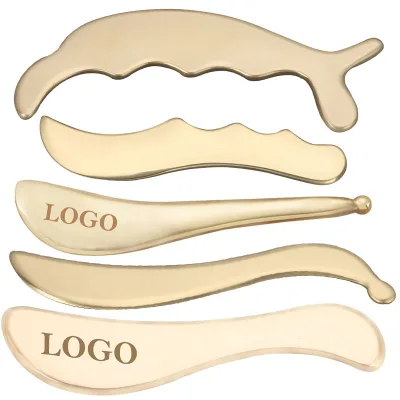
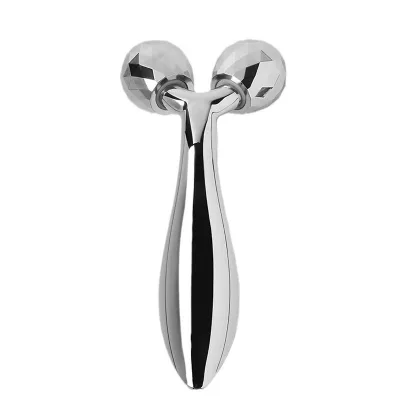
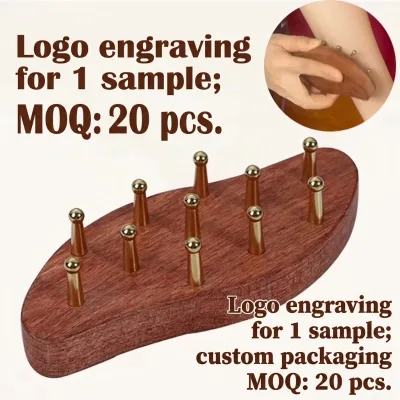
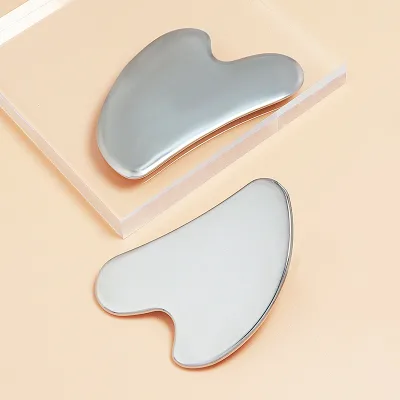


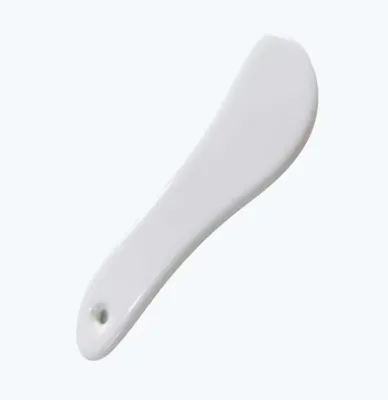
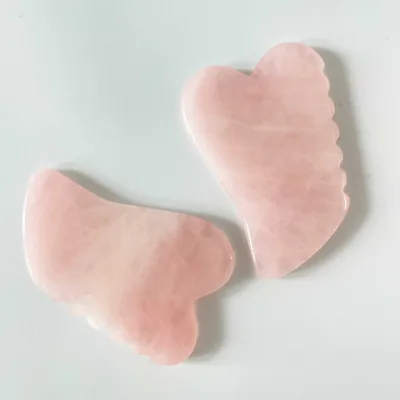
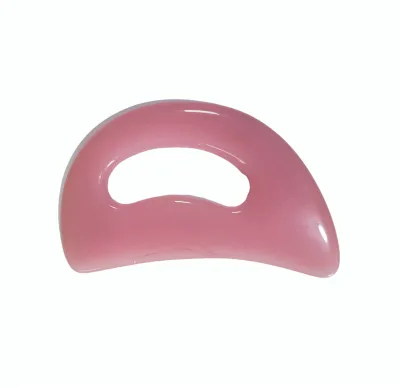
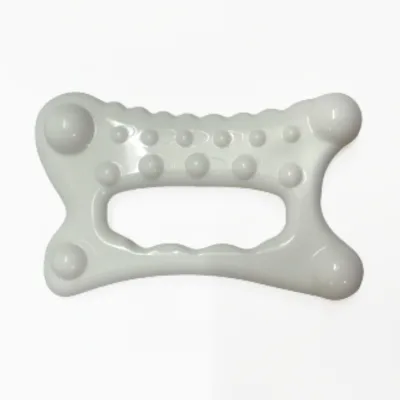
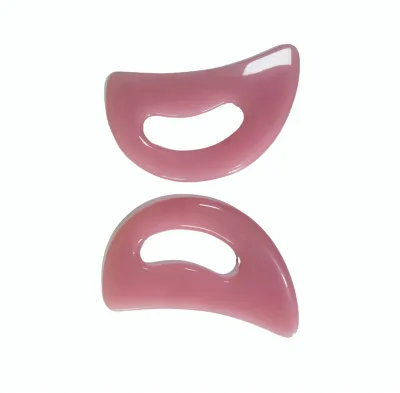
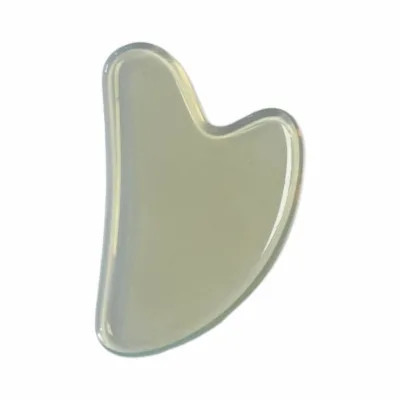
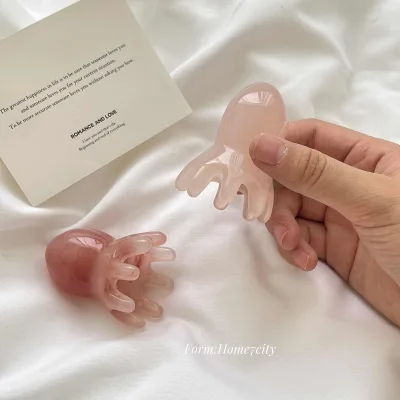

Portable Facial Massage Electric Face Body Guasha Natural Stone Massager
$6.90 - $8.36
MOQ: 100 Pieces


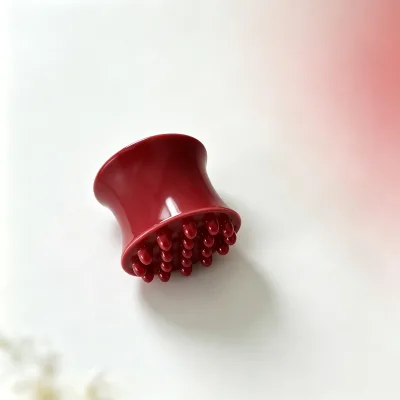
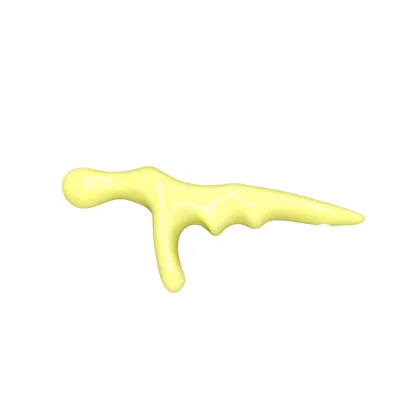
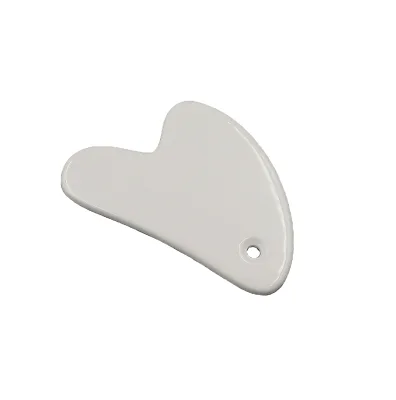
Comprehensive Sourcing Guide
Manual Gua Sha Facial Massager Sourcing Guide
The Manual Gua Sha Facial Massager market presents a diverse array of tools designed for specific therapeutic applications, ranging from general facial contouring to targeted muscle relaxation. Based on observed listings, these devices are frequently categorized by their material composition, with options including pure brass, zinc alloy, and jade, each offering distinct tactile properties for the user. Buyers must recognize that while the core function remains manual manipulation, the specific design intent varies significantly between products labeled for body massage versus those optimized for delicate facial zones.
Procurement decisions should prioritize the intended application area, as the supplied data indicates a split between tools marketed for the face, neck, and eyes, and others designed for broader body use. The functional attributes observed include manual-wired control mechanisms and specific features like musical functions or specialized contact points such as round tips or nail-like protrusions. Sourcing strategies must align with the specific therapeutic goal, ensuring the selected tool matches the required massage area, whether it is for relaxing muscles, addressing fascia, or providing a general cooling and lifting effect on the skin.
Product Scope and Observed Listing Signals
Buyers should carefully evaluate the material composition listed in product specifications, as the observed range includes pure brass, zinc alloy, and jade, which directly influence the weight, temperature retention, and durability of the massager. The product names and descriptions often highlight these materials as primary selling points, yet the actual construction may vary between a solid brass body and a zinc alloy frame with different surface treatments. It is critical to verify the exact material grade and finish to ensure the tool meets the desired aesthetic and functional requirements for the target market.
The functional scope of these devices extends beyond simple scraping, with some listings indicating additional features such as musical functions or specialized shapes like cat, frog, or antler designs. These variations suggest a market segment that values novelty and specific ergonomic shapes alongside traditional utility. Procurement teams must distinguish between standard facial rollers and specialized tools like Kansa wands or fascia bats, as the application and user experience differ substantially depending on whether the product is a simple roller or a complex multi-point massager.
Technical Specifications to Verify
Verification of physical dimensions and weight is essential for logistics planning and user comfort, as observed single package sizes range from 12.5x3.5x2.0 cm to 15x10x5 cm with gross weights varying between 0.080 kg and 0.200 kg. These specifications directly impact shipping costs and the perceived quality of the item in the hands of the consumer. Buyers should confirm the exact single gross weight and package dimensions for each SKU to ensure accurate freight calculations and to guarantee that the product feels substantial enough to be effective without being cumbersome.
Power source and control mechanisms require strict attention, as the data indicates a mix of manual operation and plug-in options, with some models explicitly noted as having no USB connectivity. While the core keyword implies manual operation, some listings describe plug-in power sources or manual-wired controls, creating potential confusion regarding the actual user experience. Sourcing teams must clarify whether the device is purely mechanical or requires an external power source to avoid mismatches between marketing claims and the physical product delivered to the end user.
Compliance and Safety Documentation
Safety compliance for tools intended for direct skin contact, particularly those used on the face and eyes, necessitates rigorous verification of material safety and surface finish quality. Although specific certification names are not provided in the supplied context, buyers must ensure that materials like brass, zinc alloy, and jade are free from harmful heavy metals and that any coatings or finishes are non-toxic and hypoallergenic. The absence of explicit certification data in the listings means that third-party testing reports should be requested to validate that the product meets international safety standards for cosmetic and therapeutic devices.
Documentation regarding the manufacturing origin and supply chain transparency is equally critical, as the observed place of origin is Guangxi, China, with some products listing a general China origin. Buyers should require detailed documentation confirming the manufacturing location and the specific factory conditions to ensure ethical labor practices and consistent quality control. Without explicit certification status in the provided facts, the procurement process must include a requirement for the supplier to provide proof of compliance with relevant regional safety regulations before finalizing any order.
Cost Drivers and Commercial Terms
The commercial landscape for these massagers is characterized by a wide observed price range of 0.48 to 8.36 USD, driven by factors such as material cost, design complexity, and the inclusion of additional features like customized logos or musical functions. The low entry price point suggests a highly competitive market with significant volume potential, yet the upper end of the range indicates opportunities for premium products with superior materials or unique ergonomic designs. Buyers must analyze the cost structure relative to the material and feature set to determine the appropriate margin strategy for their specific market segment.
Minimum Order Quantities (MOQ) and supply capabilities vary significantly, with observed MOQs ranging from 1 piece to 1000 pieces and supply abilities noted as 500 pieces per month for some suppliers. This variability allows for flexible sourcing strategies, from small trial orders to larger volume commitments, but requires careful negotiation to align with the supplier's production capacity. Procurement teams should verify the actual lead times and production schedules to ensure that the supplier can meet demand fluctuations without compromising on quality or delivery timelines.
Supplier Qualification and Quality Control
Supplier qualification should focus on the availability of after-sales support and customization capabilities, as the data highlights online technical support and acceptable OEM/ODM services as key differentiators. The presence of customized logo availability and multiple color options suggests that suppliers are equipped to handle branding requirements, but buyers must verify the quality of these customization processes to ensure consistency across batches. Establishing a clear communication channel for technical support is vital for resolving any product issues that may arise post-delivery.
Quality control protocols must be established to verify the consistency of product attributes such as color, material, and finish, given the observed variety in styles and colors ranging from silver to multiple customized options. Buyers should implement a sampling process to test the physical attributes of the massagers, including the contact type and the durability of the materials like brass or jade. It is essential to define clear acceptance criteria for the product's physical condition and functionality to prevent the receipt of substandard goods that could damage the brand reputation.
Long-Term Procurement Checks
Long-term procurement success depends on the supplier's ability to maintain consistent quality and supply stability over time, particularly given the observed monthly supply limits of 500 pieces for some vendors. Buyers should establish a performance review mechanism to monitor the supplier's adherence to delivery schedules and their ability to scale production as demand grows. Regular audits of the manufacturing process and material sourcing will help ensure that the product quality remains consistent with the initial samples and agreed-upon specifications.
Continuous market monitoring is necessary to track changes in product trends, such as the introduction of new shapes like the cat, frog, or antler designs, and to assess the competitive landscape. Buyers should stay informed about emerging standards and safety requirements that may affect the importation of these devices into their target markets. By maintaining a proactive approach to supplier relationship management and market analysis, organizations can adapt to changing consumer preferences and ensure a steady supply of high-quality manual gua sha facial massagers.
FAQs
What materials are used for manual gua sha facial massagers?
Manual gua sha facial massagers are crafted from various materials including pure brass, zinc alloy, and jade. These materials provide different tactile experiences and durability levels. Buyers can select based on preference for weight, thermal conductivity, and aesthetic finish to suit specific skincare routines and professional applications.
Can I customize the logo on these facial massagers?
Yes, customized logos are available for manual gua sha facial massagers. Many suppliers accept OEM and ODM requests to brand products with specific designs. This allows businesses to create unique inventory for retail or promotional purposes, ensuring brand visibility while maintaining the functional integrity of the manual massage tools.
What is the typical MOQ for these products?
The minimum order quantity for manual gua sha facial massagers ranges from 1 piece to 1000 pieces. Some suppliers offer low MOQs starting at just one unit or one set, making it accessible for small buyers. Higher volumes may unlock better pricing tiers, but flexible options exist for various business scales.
How are these massagers powered or operated?
These devices are primarily manual, requiring no electricity or batteries for operation. Some variants may feature plug-in power sources for specific electronic functions, but the core gua sha tools rely on hand-held pressure. This manual operation ensures portability and ease of use without the need for charging or external power connections.
Where are these facial massagers manufactured?
Most manual gua sha facial massagers are manufactured in China, with specific origins noted in Guangxi. This region is known for producing various beauty tools and accessories. Buyers can expect consistent manufacturing standards and supply chain efficiency from these locations, facilitating reliable sourcing for global distribution and retail needs.
What after-sale services are provided for these items?
Online technical support is commonly provided for manual gua sha facial massagers. This assistance helps buyers resolve usage questions or troubleshoot minor issues. While physical warranties may vary, digital support ensures that customers can maintain their products effectively, enhancing satisfaction and reducing return rates for international B2B transactions.