Source Map Ready Disposable Plastic Trays for food fruit packaging
Find 30 verified options for Map Ready Disposable Plastic Trays suitable for food, fruit, and household use. Buyers can compare specifications like material type, thickness, and certifications including FDA and ISO9001 to select the right supplier for their needs.
Key considerations
Products List
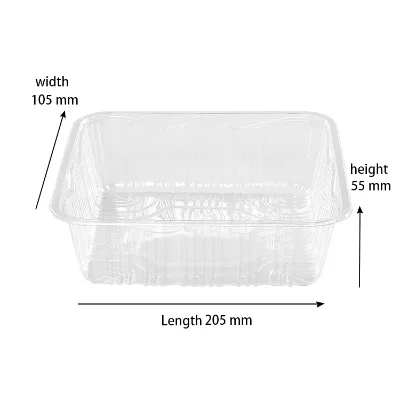


Plastic Tray Food Disposable Containers Plastic Food Plastic Container
$0.04 - $0.08
MOQ: 50000 Pieces


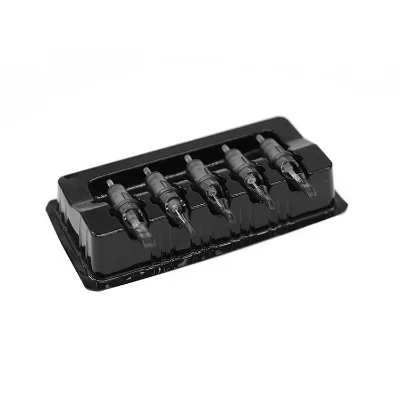


Custom Logo Bagasse Disposable Map Food Tray Biodegradable Food Trays with 1/2/3 Dividers
$0.04 - $0.05
MOQ: 20000 pieces

Disposable Round PP Plastic Tray with Lid
$0.04 - $0.36
MOQ: 50000 Pieces
JIANGSU JINCAI POLYMER MATERIALS SCIENCE AND TECHNOLOGY CO., LTD.




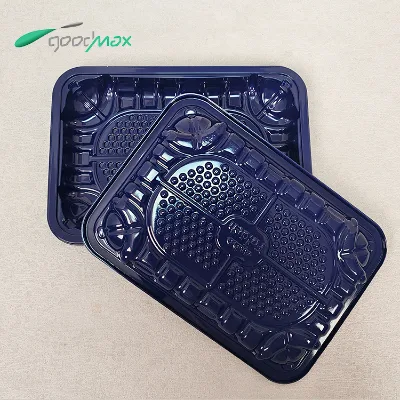
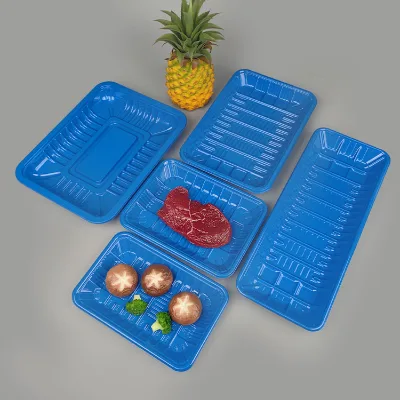

Comprehensive Sourcing Guide
Strategic Sourcing Guide for Map-Ready Disposable Plastic Trays
Understanding Product Specifications and Material Variability
When sourcing map-ready disposable plastic trays, buyers must first establish a clear understanding of the technical specifications that define product suitability for their specific supply chain needs. The term "map-ready" in this context often implies a product that is standardized, scalable, and ready for immediate integration into logistics or retail workflows without requiring custom tooling for every order. The core material composition is a primary differentiator in this category. Market observations indicate a prevalence of two distinct plastic types: PET (Polyethylene Terephthalate) and PP (Polypropylene). PET variants are frequently noted for their clarity and rigidity, often appearing in transparent or clear finishes, while PP options may present in white or custom colors, offering different thermal and chemical resistance profiles.
The physical dimensions of these trays vary significantly based on the intended application. Specific product data reveals standard dimensions such as 20520555mm for certain fruit packaging models, while others may be defined by carton dimensions like 423142cm for bulk shipping units. The thickness of the material is another critical specification, with observed values around 0.35mm, which directly influences the structural integrity and the tray's ability to protect contents during transit. Buyers should verify the exact thickness required for their load-bearing needs, as thinner gauges may reduce material costs but increase the risk of deformation under heavy loads. Furthermore, the weight of individual units, observed at approximately 24 grams, serves as a proxy for material density and overall cost efficiency. The product type is consistently categorized as a "Tray," designed for industrial uses ranging from food and household applications to specific uses for eggs, toys, and medicine.
Compliance Framework and Certification Verification
Navigating the regulatory landscape is essential for any procurement strategy involving food-contact plastics. The supply chain for disposable trays is heavily regulated, particularly when the end use involves food packaging. Buyers must rigorously verify that suppliers possess valid certifications that align with the destination market's legal requirements. Available data points to several key certifications, including ISO9001:2008, FDA approval, and SGS standards. The presence of FDA certification is particularly critical for products intended for the North American market, ensuring the plastic does not leach harmful substances into food items. Similarly, CE / EU certification indicates compliance with European safety and health standards, which is mandatory for trade within the European Economic Area.
It is important to distinguish between different types of certifications. While ISO9001:2008 relates to the quality management system of the manufacturing facility, FDA and SGS certifications are product-specific or material-specific validations. Some listings indicate a combination of certifications, such as FDA, SGS, and ISO9001, suggesting a robust compliance framework. However, buyers should not assume that a single supplier holds all certifications for all product lines. The verification process must include requesting current, valid certificates for the specific model number being purchased. For instance, a model designated as "YL2020-T" might carry different compliance documentation than a model labeled "JX-0060." Additionally, the "Food Container Feature" of being microwavable requires specific testing to ensure the plastic can withstand thermal stress without degrading, a claim that must be backed by the aforementioned material safety data and test results.
Cost Drivers and Pricing Dynamics
The pricing structure for disposable plastic trays is influenced by a complex interplay of material costs, order volume, and customization requirements. The observed price range in the market spans from $0 to $8.54 USD, a wide variance that reflects differences in unit specifications, material grades, and order quantities. The Minimum Order Quantity (MOQ) is a significant cost driver, with observed ranges extending from 1 unit to 500,000 units. High-volume orders typically benefit from economies of scale, reducing the per-unit cost, while low-volume or sample orders may carry a premium. Some suppliers offer a free sample option, which can be a strategic starting point for evaluation without incurring immediate material costs, though shipping fees may still apply.
Customization is another major factor affecting the final price. While many suppliers accept custom orders and offer logo customization, these services often require additional tooling fees or higher MOQs. The standard MOQ observed is 5000 units, which suggests that smaller orders might incur higher per-unit costs or require a different pricing tier. The choice of color also impacts pricing; while clear or transparent options are standard, requests for specific colors like white or custom requests may involve additional pigment costs or production complexity. Furthermore, the packaging method, whether it is a simple plastic bag or a robust export carton, influences the total landed cost. Buyers must balance the need for customization against the budget constraints, understanding that "map-ready" standard items are generally more cost-effective than fully bespoke solutions.
Typical Applications and Usage Scenarios
The versatility of disposable plastic trays makes them suitable for a diverse array of industrial and consumer applications. The primary usage category is food packaging, specifically for fruits, vegetables, and general food items. The "Food" and "Household" applications are frequently cited, indicating a broad utility in retail environments where fresh produce is displayed. Beyond food, these trays are utilized for packaging eggs, toys, and medicines, highlighting their adaptability to different product shapes and fragility levels. The "Industrial Use" classification further confirms their role in commercial logistics and storage.
The specific design features, such as the "Blister" process type, suggest that some trays are designed for point-of-sale display, allowing products to be securely held while remaining visible to consumers. The "Eco-Friendly" and "Recyclable" features are increasingly important for buyers aiming to meet sustainability goals. While the material is plastic, the recyclability of PET and PP offers a pathway for responsible disposal, which is a key selling point for modern brands. The "Single item" selling unit designation implies that these trays can be sold individually for small-scale needs or in bulk for large-scale distribution. The ability to customize the usage for specific items like "Fruit, Egg, Toy, Medicine, Food" underscores the need for buyers to match the tray's dimensions and structural strength to the specific product being packaged.
Supplier Evaluation and Operational Capabilities
Selecting the right supplier requires a thorough evaluation of their operational capabilities and geographic location. The majority of suppliers in this sector are located in Guangdong, China, with specific mentions of Guangzhou as a production hub. This concentration of manufacturing in the region suggests a mature supply chain with access to raw materials and specialized labor. Buyers should verify the "Place of Origin" for each product, as regional differences can impact quality control standards and shipping logistics. The "Custom Order" acceptance capability is a vital metric, indicating a supplier's flexibility in adapting to unique client needs.
Key evaluation criteria should include the supplier's ability to handle varying order sizes, from single items to massive bulk orders of 500,000 units. The "Sample" availability is a practical indicator of a supplier's willingness to engage in the pre-procurement phase. Buyers should also assess the "Printing Page" capabilities, as single-page printing is common for branding, but multi-page or complex printing may require different equipment. The "Standard" of the product, whether it is a custom standard or a specific industry standard like SGS, should be clearly defined. Additionally, the "Process Type" such as "Blister" manufacturing should be confirmed to ensure it aligns with the desired production method. A supplier's ability to provide "Export Carton" or "Plastic Bag + Carton" packaging options is also crucial for ensuring the products arrive in good condition.
Quality Control and Long-Term Procurement Strategy
Implementing a robust quality control (QC) strategy is essential for maintaining product consistency and minimizing risk. Given the wide range of observed specifications, buyers must establish clear acceptance criteria before production begins. This includes verifying the exact dimensions, thickness, and weight of the trays against the agreed-upon specifications. The "Carton size" and "Product packing" details must be confirmed to ensure compatibility with existing logistics systems. For example, a carton size of 423142cm must align with the pallet configuration of the buyer's warehouse.
Long-term procurement considerations involve building a relationship with suppliers who can scale with the buyer's growth. The "Customization" availability and "Logo" customization options allow for brand consistency over time. Buyers should also consider the "Feature" set, such as "Disposable" and "Eco-Friendly" attributes, as these may become regulatory requirements in the future. Regular audits of the supplier's certification status, particularly for FDA and ISO standards, are necessary to ensure ongoing compliance. Finally, the "Lead time" and "MOQ" flexibility should be negotiated to allow for agile responses to market fluctuations. By focusing on these strategic elements, buyers can secure a reliable supply of high-quality disposable plastic trays that meet both current operational needs and future regulatory demands.
FAQs
What certifications do these trays hold for food safety?
These trays hold FDA, SGS, and ISO9001 certifications for food safety. Some listings specifically mention FDA and CE/EU compliance, ensuring the plastic does not leach harmful substances into food items during storage or transport.
Which plastic types are available for these disposable trays?
The available plastic types include PET and PP materials. PET variants often appear in clear or transparent finishes, while PP options may present in white or custom colors, offering different thermal and chemical resistance profiles for various applications.
Can I request custom colors and logos for these trays?
Yes, custom colors and logos are available upon request. Buyers can choose from clear, transparent, or white options, and suppliers accept custom orders with logo customization, though these services may require specific tooling or higher order volumes.
What are the standard dimensions and thickness of the trays?
Standard dimensions include 205*205*55mm for fruit packaging models with a thickness of 0.35mm. Carton sizes for bulk shipping are typically 42*31*42cm, and individual unit weights are observed at approximately 24 grams for structural integrity.
How does the minimum order quantity affect pricing for these trays?
The minimum order quantity ranges from 1 to 500,000 units, significantly impacting per-unit costs. High-volume orders benefit from economies of scale, while standard MOQs are often 5000 units, with some suppliers offering free samples for evaluation.
Where are the manufacturers of these trays located?
Manufacturers are primarily located in Guangdong, China, with specific hubs in Guangzhou. This regional concentration suggests a mature supply chain with access to raw materials, though buyers should verify the specific place of origin for each product model.
Are these trays suitable for microwave use and recycling?
Some trays are designed to be microwavable and feature eco-friendly, recyclable properties. These features depend on the specific material type and testing results, so buyers must verify the food container features and recycling capabilities for their intended use case.