Source Micro Insert Gemstone Beaded Bracelet for gifts, decor, and health
Compare 30 listings of Micro Insert Gemstone Beaded Bracelet featuring natural stones like tiger eye and amethyst. Buyers can evaluate customization options, materials, and pricing for formal occasions, gifts, and health uses; compare the available evidence and request quotations based on your requirements.
Updated
Key considerations
Products List



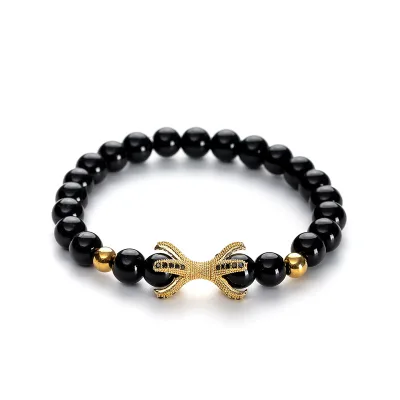
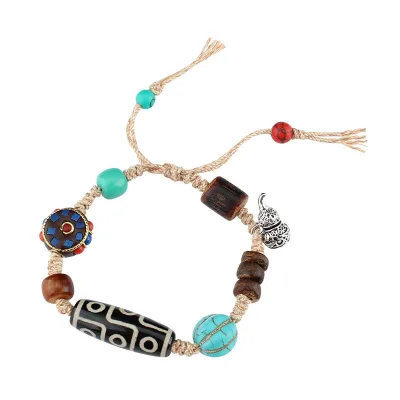
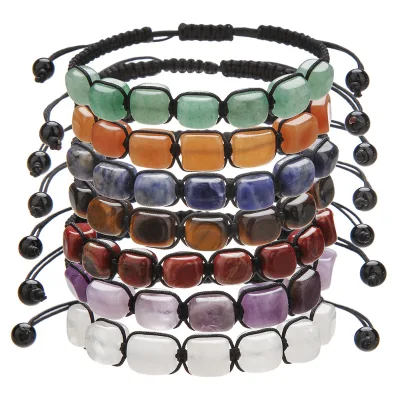
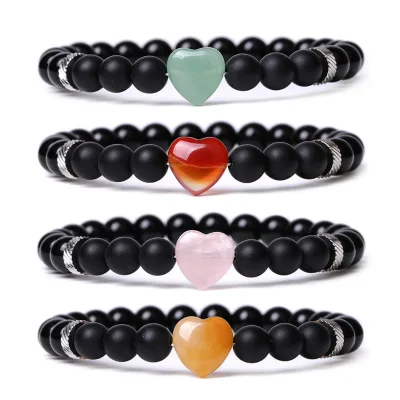
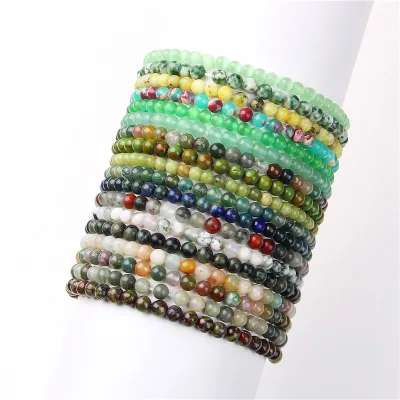


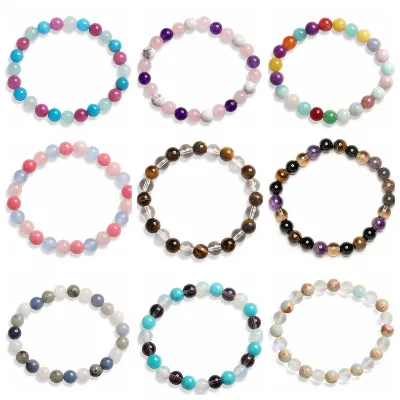
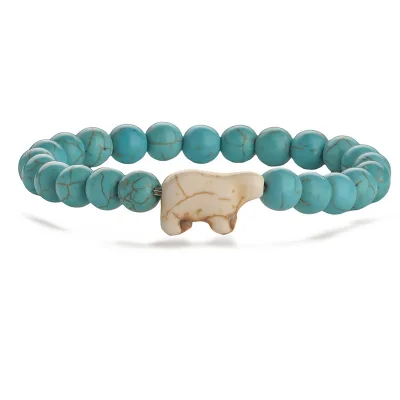
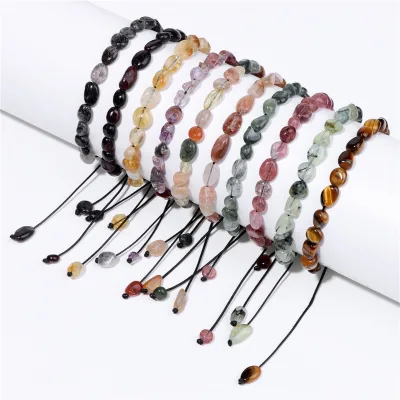
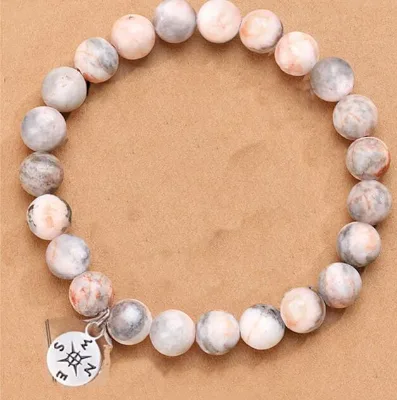
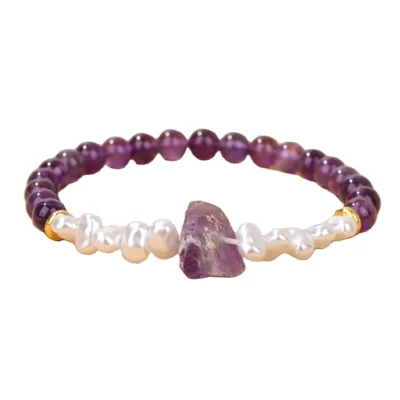
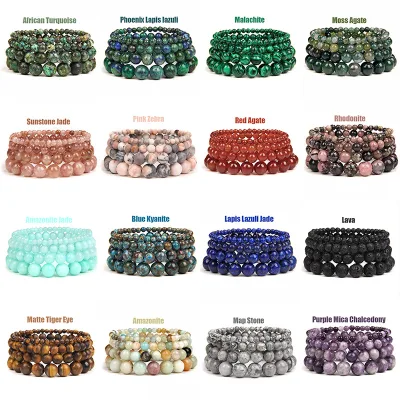
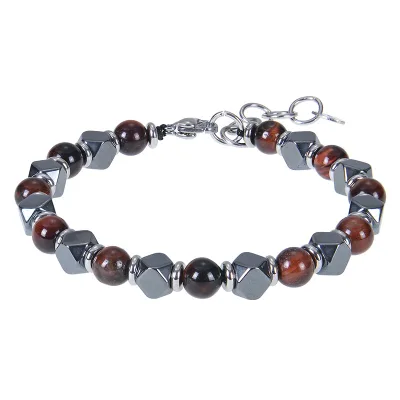
Comprehensive Sourcing Guide
Micro Insert Gemstone Beaded Bracelet Sourcing Guide
Sourcing micro insert gemstone beaded bracelets requires a nuanced understanding of material authenticity and manufacturing precision. Buyers must distinguish between natural stone varieties and synthetic alternatives, as the visual appeal often hinges on the specific cut and clarity of the embedded gems. The observed market data indicates a diverse range of styles, including natural, star fashion, and classic designs, catering to both male and female demographics. This versatility demands careful selection of suppliers who can maintain consistency across different gender-specific and occasion-based product lines, ensuring that the final output meets the aesthetic expectations of formal occasions or daily wear.
The procurement process is further complicated by the variability in stone colors and shapes, ranging from irregular cuts to precise oval shapes. Buyers should prioritize suppliers who offer customization options, as this allows for tailored solutions that align with specific brand identities or target market preferences. The presence of multicolour and single-color options, such as green or gold, suggests that inventory management must be robust to handle diverse SKUs. Understanding these variations is critical for developing a product catalog that appeals to a broad audience while maintaining the integrity of the gemstone materials used in each piece.
Product Scope and Observed Listing Signals
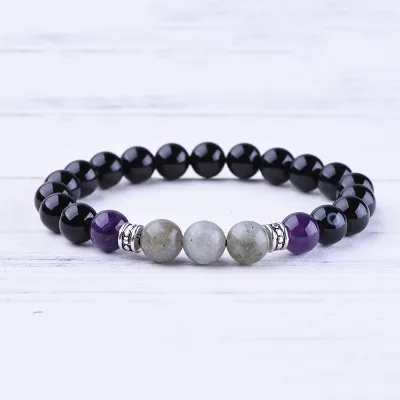
The current market landscape for beaded bracelets reveals a wide spectrum of product attributes, including materials like crystal, black onyx, labradorite, and amethyst. These materials are often combined with silver plating or other finishes to enhance durability and visual appeal. The observed listings highlight a significant emphasis on customization, with suppliers offering bespoke packing solutions and model-specific configurations. This flexibility is crucial for buyers looking to create unique product lines that stand out in competitive markets, allowing for the integration of specific brand elements or packaging requirements that resonate with end consumers.
Price points and minimum order quantities (MOQs) vary considerably, with observed ranges indicating entry-level pricing as low as $0.19 and higher-end options reaching up to $8.96. MOQs can start as low as 10 pieces, facilitating small-batch testing, while larger orders may require up to 4,700 units. This disparity suggests that buyers should align their procurement strategy with their sales volume projections, leveraging low MOQs for market testing and scaling up with established suppliers for bulk production. The diversity in pricing and order requirements underscores the importance of evaluating suppliers based on their ability to support both agile and large-scale procurement needs.
Technical Specifications to Verify
Verifying technical specifications is paramount to ensuring product quality and consistency. Key attributes to confirm include stone dimensions, such as 4mm, 6mm, or 7mm beads, and overall bracelet length, which is often standardized at 7 inches. Buyers should also inspect the plating thickness, with some listings specifying values like 0.1μm, to ensure durability and resistance to tarnishing. The shape of the stones, whether ball, irregular, or oval cut, must align with design specifications, as these details significantly impact the final aesthetic and tactile experience of the bracelet.
Model numbers and product codes, such as ESB012156 or LYC0160, serve as critical identifiers for tracking inventory and communicating with suppliers. Buyers must ensure that these codes are accurately reflected in purchase orders and shipping documents to avoid discrepancies in delivery. Additionally, the origin of the products, often listed as China or specific provinces like Zhejiang, should be verified to assess supply chain risks and compliance with import regulations. Confirming these technical details upfront helps mitigate the risk of receiving non-conforming goods and ensures that the final product meets the intended design and quality standards.
Compliance and Safety Documentation
Compliance with international safety standards is essential for selling gemstone jewelry, particularly in markets with strict regulatory requirements. Buyers must verify that suppliers provide necessary documentation, such as material safety data sheets and compliance certificates, to ensure that the products are free from harmful substances like lead or nickel. This is especially important for items intended for children or individuals with sensitive skin, as non-compliance can lead to legal liabilities and brand damage. Understanding the specific regulatory landscape of the target market is crucial for selecting suppliers who can meet these stringent requirements.
Packaging standards also play a role in compliance, with some suppliers offering paper box packaging that may need to meet specific environmental or labeling regulations. Buyers should ensure that the packaging materials are sustainable and that all required labels, including country of origin and material composition, are accurately displayed. This attention to detail not only ensures regulatory compliance but also enhances the product's appeal to environmentally conscious consumers. By prioritizing suppliers who adhere to robust compliance protocols, buyers can protect their brand reputation and ensure a smooth entry into regulated markets.
Cost Drivers and Commercial Terms
Several factors influence the cost structure of micro insert gemstone beaded bracelets, including material quality, labor intensity, and customization complexity. Natural stones and intricate designs typically command higher prices due to the scarcity of materials and the skill required for assembly. Buyers should negotiate clear commercial terms that address pricing tiers based on order volume, ensuring that cost savings are realized as production scales. Understanding these cost drivers allows for more accurate budgeting and helps in identifying opportunities for cost optimization without compromising on quality.
Lead times and payment terms are also critical components of the commercial agreement. Buyers should establish realistic expectations for production and shipping durations, factoring in potential delays due to material sourcing or customization requests. Flexible payment terms, such as partial upfront payments and balance upon shipment, can help manage cash flow and reduce financial risk. By negotiating favorable commercial terms, buyers can enhance their operational efficiency and maintain a competitive edge in the market, ensuring that they can respond swiftly to changing demand patterns.
Supplier Qualification and Quality Control
Qualifying suppliers involves a thorough assessment of their manufacturing capabilities, quality control processes, and track record. Buyers should request samples to evaluate the craftsmanship, stone alignment, and overall finish of the bracelets. It is essential to verify that the supplier has robust quality control measures in place, including inspections at various stages of production to identify and rectify defects early. This proactive approach helps ensure that the final products meet the specified standards and reduces the likelihood of receiving substandard goods.
Building a strong relationship with suppliers through regular communication and performance reviews is key to long-term success. Buyers should establish clear quality metrics and feedback loops to address any issues promptly. Additionally, conducting periodic audits of the supplier’s facilities can provide insights into their operational practices and commitment to quality. By investing time in supplier qualification and ongoing quality control, buyers can mitigate risks and ensure a consistent supply of high-quality gemstone bracelets that meet their customers' expectations.
Long-Term Procurement Checks
Long-term procurement success depends on continuous monitoring of supplier performance and market trends. Buyers should regularly review supplier metrics, such as on-time delivery rates, defect rates, and responsiveness to issues, to identify areas for improvement. Staying informed about emerging trends in gemstone jewelry, such as new stone varieties or design innovations, allows buyers to adapt their product offerings and maintain relevance in the market. This proactive stance helps in anticipating changes in consumer preferences and adjusting procurement strategies accordingly.
Diversifying the supplier base is another critical strategy for mitigating risk and ensuring supply chain resilience. By engaging with multiple suppliers, buyers can reduce dependency on a single source and gain flexibility in responding to disruptions. Regularly evaluating the competitive landscape and exploring new supplier options can also lead to better pricing and innovation opportunities. By implementing these long-term procurement checks, buyers can build a robust and adaptable supply chain that supports sustained growth and profitability in the dynamic gemstone jewelry market.
FAQs
What materials are used in these beaded bracelets?
The bracelets are crafted from crystal, black onyx, labradorite, and amethyst stones. Some styles also feature tiger eye and rose quartz. The jewelry main material varies by model, with options including silver-plated components. These natural stones are selected for their durability and sparkling appearance, ensuring a high-quality finish suitable for formal occasions and daily wear.
Can I customize the packaging for my order?
Yes, customization is available for packaging requirements. Suppliers can create packing according to your specific request, such as using paper boxes. This flexibility allows you to align the product presentation with your brand identity. You can specify dimensions or styles to ensure the bracelets arrive safely and attractively, enhancing the unboxing experience for your end customers.
What is the typical length and size of the bracelets?
The standard length is typically 7 inches, with some models specified as 7 inches with 4mm or 6mm bead sizes. The product standard often aligns with this 7-inch measurement. Bead sizes like 6mm are common for irregular shape designs. These dimensions ensure a comfortable fit for most wrists, making them suitable for both male and female wearers as unisex accessories.
Are these bracelets suitable for men and women?
Yes, these bracelets are designed for both male and female wearers. Some models are explicitly labeled as suitable for females, while others are marked as unisex. The styles range from classic to star fashion, with colors including green, gold, and multicolour options. This versatility makes them ideal for various occasions, including formal events, and they can serve as decorative gifts or health accessories.
What is the minimum order quantity for these items?
The minimum order quantity ranges from 10 to 4700 units, depending on the specific supplier and model. This wide range allows for flexibility, whether you need a small sample batch or a large bulk order. You can compare suppliers based on their MOQ requirements to find the best fit for your inventory needs. Customization options may also influence the minimum order thresholds set by manufacturers.
Where are these bracelets manufactured?
These bracelets are manufactured in China, with specific origins noted in Zhejiang province. Suppliers from this region provide various models, such as ESB012156 and LYC0160. The production location ensures access to established supply chains for materials like crystal and gemstones. Buyers can source directly from these factories to benefit from competitive pricing and efficient logistics for international shipping.