Source Letter Design Polymer Clay Bracelets for gifts, parties, and fashion
Compare 30 listings of Letter Design Polymer Clay Bracelets featuring adjustable lengths, silver or gold plating, and custom colors. Buyers can evaluate options for gifts, parties, and fashion decoration with varying MOQs and materials; compare the available evidence and request quotations based on your requirements.
Updated
Key considerations
Products List
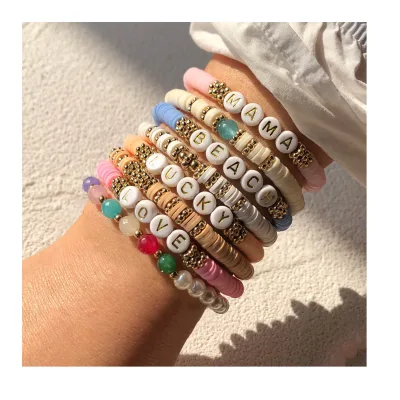
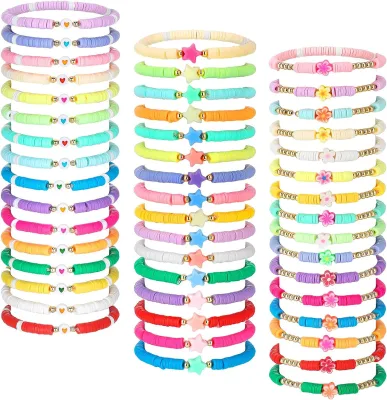
Pentagram Polymer Clay Bracelet Love Beaded Bracelet Flower Bracelet
$0.1559 - $0.2398
MOQ: 100 pieces
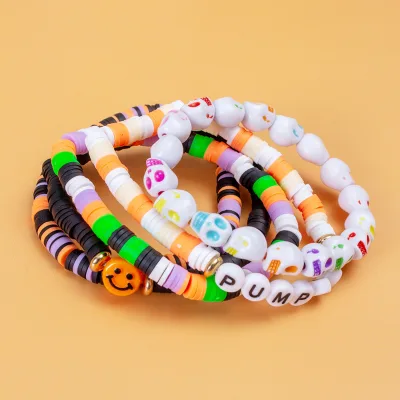
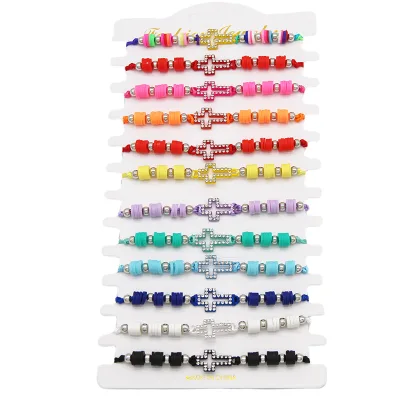


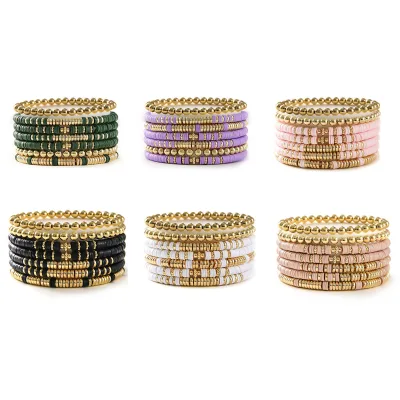
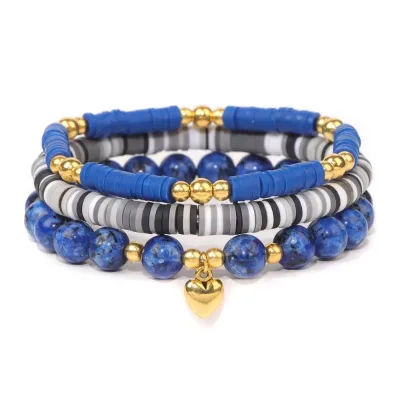
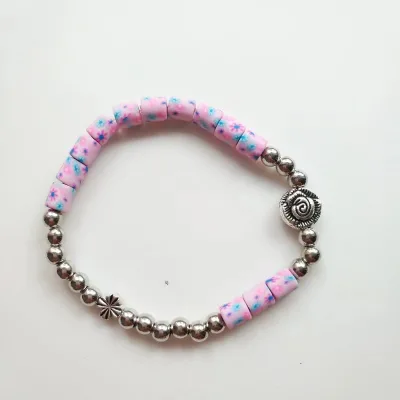
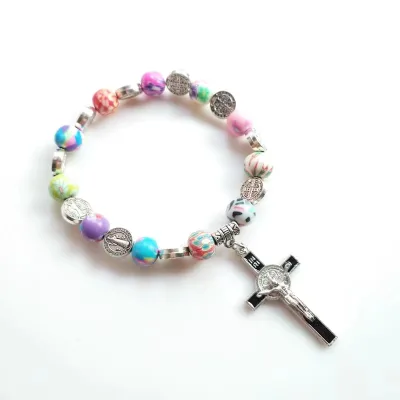
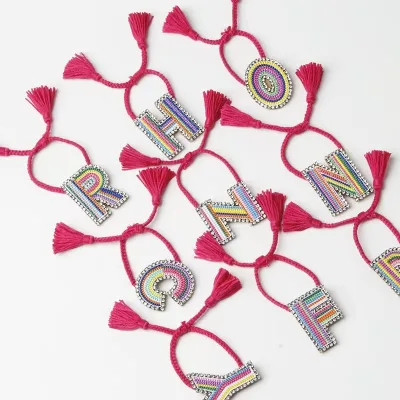
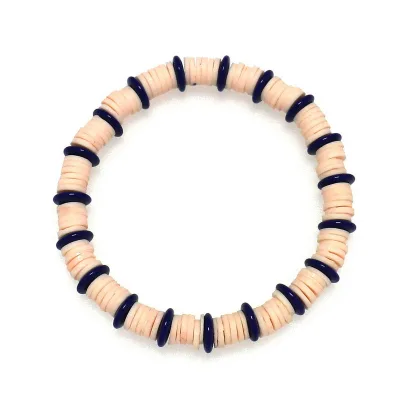
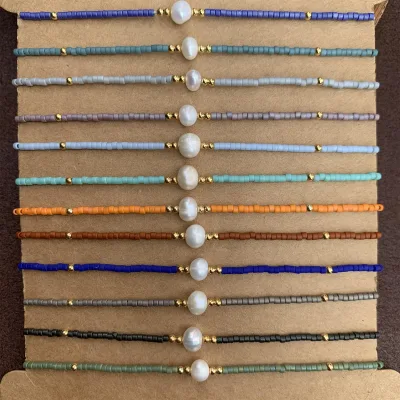
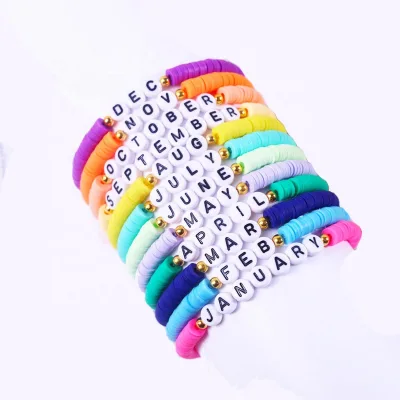
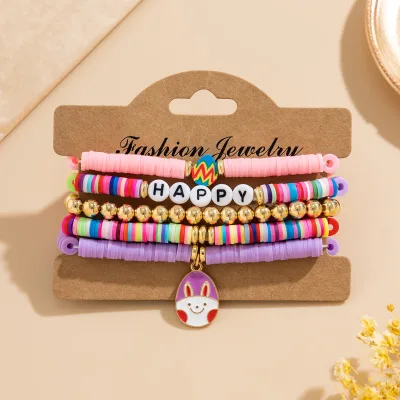
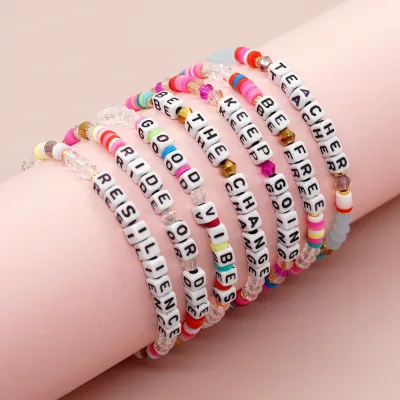
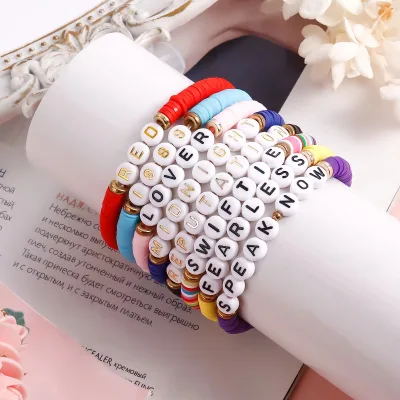
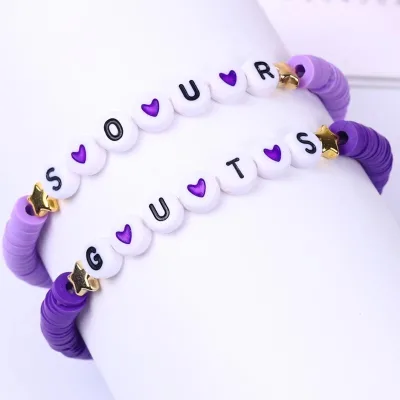
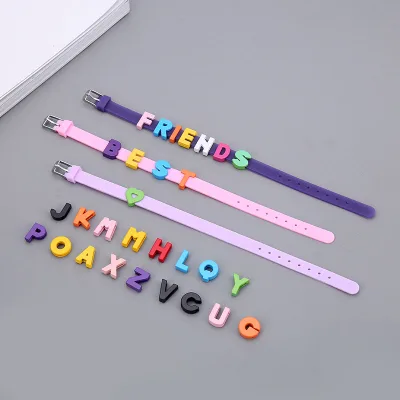
2024 Custom Adjustable Bangle Charm DIY Letter Wristband Bracelet Silicone Bracelet
$0.1342 - $0.5381
MOQ: 100 pieces
Comprehensive Sourcing Guide
Letter Design Polymer Clay Bracelets Sourcing Guide
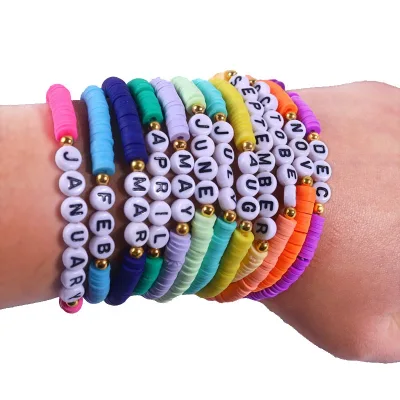
Sourcing Letter Design Polymer Clay Bracelets requires a nuanced understanding of material properties and customization capabilities. These items are primarily crafted from clay, often described as soft or polymer clay, allowing for extensive personalization in colors and specific lettering. Buyers should note that the product category includes variations such as geometric patterns and bohemian styles, catering to unisex audiences seeking fashionable jewelry decorations. The core appeal lies in the ability to create unique, custom pieces that serve as meaningful gifts for occasions like anniversaries.
Procurement teams must distinguish between different clay formulations and finishing techniques. While some listings highlight silver or gold plating on crystal or rhinestone accents, the primary material remains clay-based. This distinction is critical for quality control, as the durability and finish of the clay can vary significantly between suppliers. Buyers should verify whether the clay is treated for longevity and whether the inlay technology, such as micro-insert methods, ensures that decorative elements remain secure during daily wear.
Product Scope and Observed Listing Signals
The observed market signals indicate a diverse range of product attributes within this category. Listings frequently mention adjustable perimeters, typically around 18cm, which accommodate various wrist sizes for a comfortable fit. The style ranges from simple and trendy to bohemian and geometric, with some designs specifically tailored for events like Halloween parties. Buyers should expect to see options for custom polymer clay colors and letters, which serve as a key advantage for brands looking to offer personalized merchandise.
Packaging and logistical details also vary across suppliers. Single package sizes can be as small as 1x1x1 cm for basic items or larger, such as 10x5x1 cm, for more complex designs. The gross weight per unit is generally low, often around 6g, but can increase to 50g for heavier or more elaborate pieces. These physical characteristics impact shipping costs and inventory management, so buyers should align their logistics planning with the specific dimensions and weights of the chosen product variants.
Technical Specifications to Verify
Verifying technical specifications is essential to ensure the product meets your quality standards. Key attributes to confirm include the model number, which helps in tracking specific designs and revisions. Buyers should also check the jewelry type, ensuring it aligns with your catalog, whether it is classified as a beaded bracelet, charm bracelet, or bangle. The length and adjustability features must be clearly defined to prevent customer complaints regarding fit issues, especially for unisex items that need to accommodate a wide range of wrist sizes.
Material composition and finishing details require close scrutiny. Confirm whether the main stone is crystal or rhinestone and how these are integrated into the clay structure. The plating options, such as silver or gold, should be verified for durability and resistance to tarnishing. Additionally, check the inlay technology used to secure stones or letters, as this affects the overall structural integrity of the bracelet. Ensuring these technical details are consistent across your order is crucial for maintaining brand reputation and product reliability.
Compliance and Safety Documentation
Safety and compliance are paramount when sourcing jewelry, especially items that come into direct contact with skin. Buyers must request documentation confirming that the products are lead-free, nickel-free, and eco-friendly. These claims should be supported by third-party appraisals or relevant test reports to ensure they are not merely marketing assertions. Verifying these certifications helps mitigate risks associated with allergic reactions and regulatory non-compliance in target markets.
In addition to material safety, buyers should inquire about the specific standards the supplier adheres to. While general eco-friendly claims are common, specific compliance with international jewelry safety standards provides a higher level of assurance. Requesting copies of third-party appraisal certificates allows procurement teams to validate these claims independently. This due diligence is particularly important for products marketed as high-quality or suitable for sensitive audiences, ensuring that all safety thresholds are met before bulk ordering.
Cost Drivers and Commercial Terms
Several factors influence the cost structure of Letter Design Polymer Clay Bracelets. The primary driver is the level of customization required, including specific clay colors, letter choices, and packaging designs. Suppliers often accept OEM and ODM requests, which can impact pricing based on the complexity of the customizations. Buyers should also consider the minimum order quantity (MOQ), which can range from 10 to 500 pieces, affecting the per-unit cost and initial investment required.
Packaging and logistics also play a significant role in total landed costs. The use of OPP bags, bubble bags, and cartons adds to the material and labor expenses. Buyers should negotiate clear terms regarding packaging specifications to avoid unexpected charges. Additionally, understanding the lead times for custom orders is crucial for inventory planning. Clear communication about commercial terms, including payment methods and shipping responsibilities, helps in accurately forecasting the total cost of procurement.
Supplier Qualification and Quality Control
Evaluating supplier qualifications is a critical step in the sourcing process. Buyers should verify the supplier’s location, with many manufacturers based in Zhejiang, China, a hub for jewelry production. Assessing their experience with OEM and ODM projects provides insight into their flexibility and capability to handle custom orders. It is also important to check their track record for delivering consistent quality, particularly regarding the durability of clay materials and the precision of lettering and plating.
Implementing a robust quality control plan is essential to maintain product standards. Buyers should define clear acceptance criteria for defects, such as chipped clay, loose stones, or uneven plating. Conducting pre-shipment inspections or requesting sample approvals before bulk production can help identify potential issues early. Establishing a feedback loop with the supplier for continuous improvement ensures that any quality concerns are addressed promptly, maintaining the integrity of your brand and customer satisfaction.
Long-Term Procurement Checks
Long-term success in sourcing Letter Design Polymer Clay Bracelets depends on ongoing relationship management and market adaptation. Buyers should regularly review supplier performance metrics, including on-time delivery rates and defect percentages. Maintaining open communication channels allows for timely adjustments to orders based on changing market trends or customer preferences. This proactive approach helps in building a resilient supply chain that can adapt to fluctuations in demand.
Staying informed about industry trends and regulatory changes is also vital. As consumer preferences shift towards more sustainable and personalized products, suppliers may need to update their materials and processes. Buyers should encourage suppliers to innovate while maintaining compliance with safety standards. Regularly reassessing the product portfolio and exploring new design options can help keep your offerings fresh and competitive in the evolving jewelry market.
FAQs
What materials are used for Letter Design Polymer Clay Bracelets?
These bracelets are crafted from high-quality polymer clay, often featuring crystal or rhinestone accents. The jewelry main material is clay, with options for silver or gold plating on metal components. The design allows for custom polymer clay colors and letters, ensuring a unique and fashionable accessory for various occasions.
Can I customize the colors and letters on these bracelets?
Yes, customization is available for both colors and letters. The product advantage includes custom polymer clay colors and letters to suit specific preferences. OEM and ODM services are accepted, allowing buyers to customize materials, sizes, cards, and packaging. This flexibility ensures the final product matches your brand or gift requirements precisely.
What is the minimum order quantity for these clay bracelets?
The minimum order quantity is typically 10 pieces per item. Some listings indicate an MOQ range of 5 to 500 pieces depending on the specific supplier and product variant. Buyers should verify the exact MOQ with the supplier, as it may vary based on customization requirements and the specific model number selected for the order.
Are these bracelets safe for sensitive skin?
Yes, the bracelets are designed to be safe for sensitive skin. They are lead-free, nickel-free, and eco-friendly, ensuring comfort during wear. The high-quality materials and careful manufacturing process contribute to their safety. These features make them suitable for unisex wear and appropriate for various occasions, including anniversaries and daily fashion use.
What is the adjustable length of these bracelets?
The bracelets feature an adjustable perimeter of 18cm, ensuring a comfortable fit for most wrists. Some variants may have a fixed length of 20cm. The adjustable design allows for versatility in wear, making them suitable for different wrist sizes. This flexibility is a key feature for buyers seeking a one-size-fits-most solution for their jewelry needs.
Where are these polymer clay bracelets manufactured?
These bracelets are manufactured in Zhejiang, China. The place of origin is clearly stated as Zhejiang, which is a known hub for jewelry production. Buyers can expect products to originate from this region, which is recognized for its manufacturing capabilities in fashion accessories and jewelry items, ensuring consistent quality and supply chain efficiency.