Source Minimalist Glass Mug for Office, Cafe, and Home Use
Source a Minimalist Glass Mug from 30 verified listings. Compare options featuring single or double wall designs, custom logos, and various capacities to find the right fit for your business needs; compare the available evidence and request quotations based on your requirements.
Updated
Key considerations
Products List


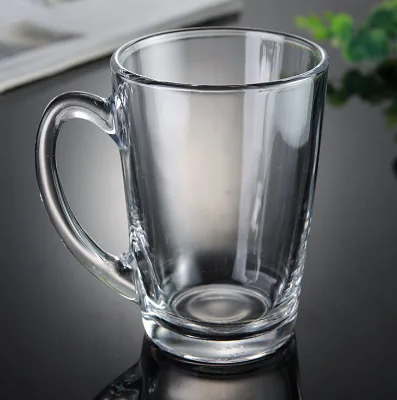
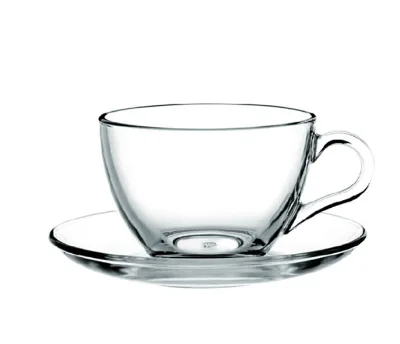
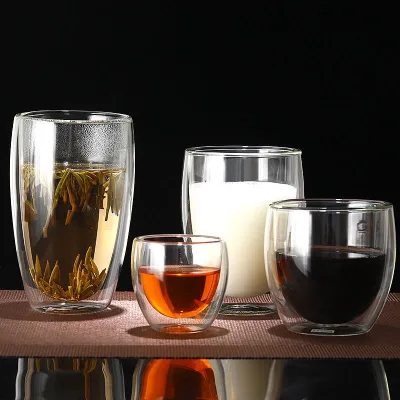
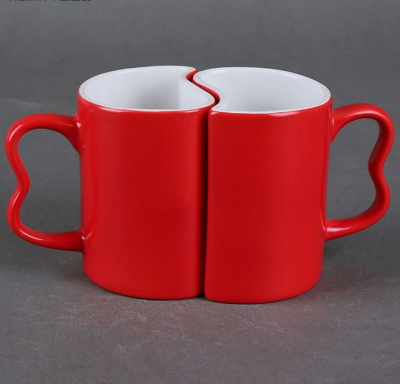
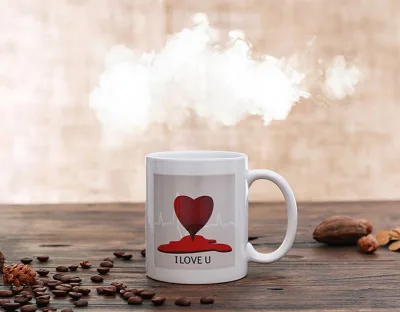
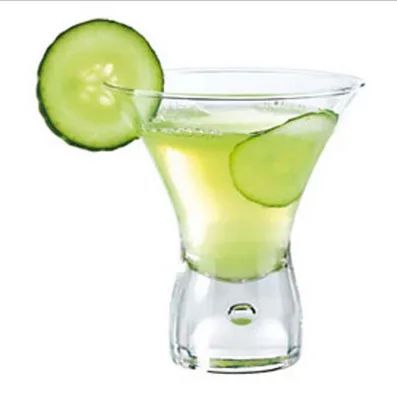


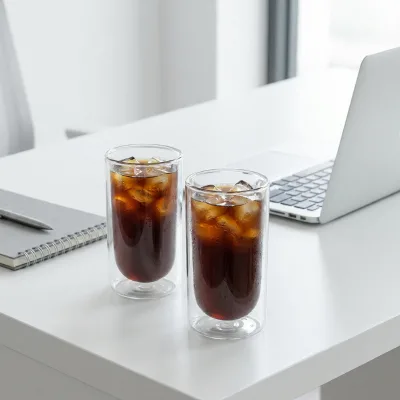
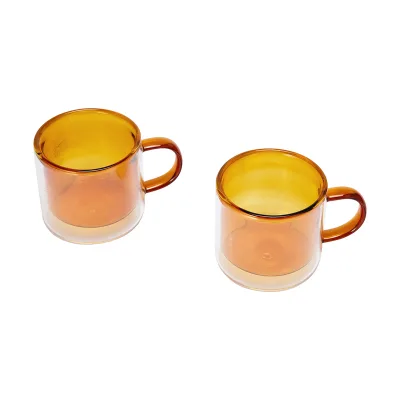
Clear High Borosilicate Double Wall Glass Coffee Mug with Customizable Pattern
$0.39 - $0.426
MOQ: 3000 Pieces

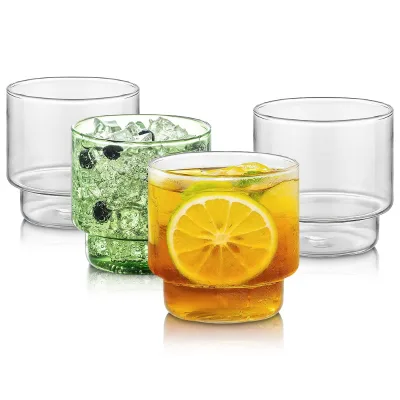
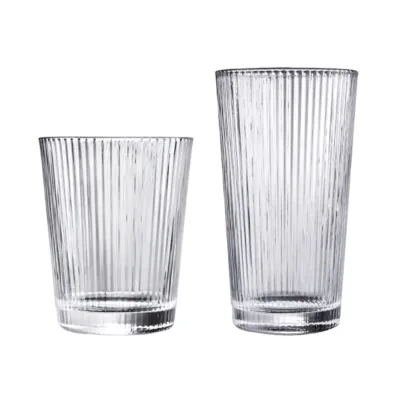
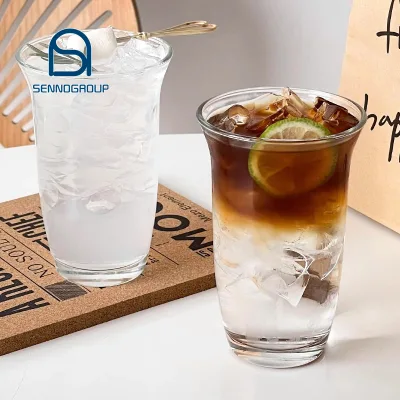
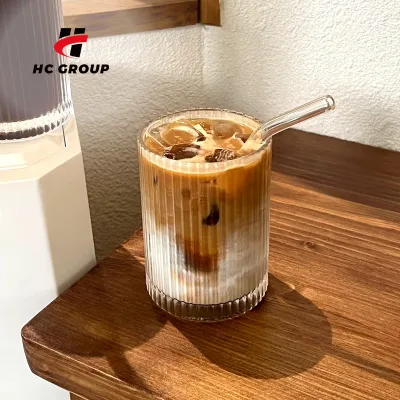


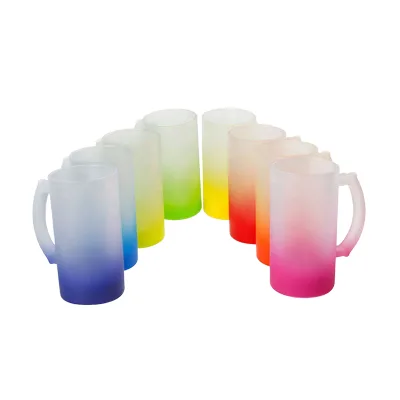
Comprehensive Sourcing Guide
Minimalist Glass Mug Sourcing Guide
Sourcing minimalist glass mugs requires a careful balance between aesthetic simplicity and functional durability, particularly when targeting B2B clients who value clean design and practical utility. The current market offers a diverse range of options, from single-wall clear glass cups with golden handles to double-wall latte cups designed for thermal insulation. Buyers must navigate these variations by understanding that "minimalist" often implies a lack of excessive ornamentation, yet suppliers may still offer customization through decals, screen printing, or customized logos. This guide helps procurement professionals identify the right product specifications, verify technical integrity, and manage commercial risks effectively.
The observed product landscape includes items with irregular shapes, cylindrical forms, and specific capacities ranging from 12 oz to over 400 ml. While some products emphasize eco-friendly features and simple styles, others focus on specialized functions like glass filters or lids. Understanding these distinctions is crucial for aligning supplier offerings with end-user expectations. Procurement teams should prioritize suppliers who demonstrate flexibility in OEM services and customization, as this allows for brand differentiation even within a minimalist design framework. By focusing on verified attributes rather than marketing claims, buyers can ensure that the final product meets both aesthetic and performance standards.
Product Scope and Observed Listing Signals
The observed product listings reveal a wide spectrum of glass mug types, including single-wall office cups, double-wall coffee cups, and specialized tea cups with filters. Key attributes such as "Clear Glass," "Simple Style," and "Colorless" suggest a strong market preference for transparent, unadorned designs that highlight the material itself. However, the presence of "Golden Handle" and "Decal Decorated" options indicates that minimalist aesthetics can still incorporate subtle decorative elements. Buyers should note that while the core keyword emphasizes minimalism, suppliers often provide customization options that may alter the perceived simplicity, requiring careful review of product images and descriptions.
Capacity and shape are critical differentiators in this category, with observed models ranging from 12 oz irregular shapes to 16 oz cylindrical forms and larger 401-500 ml double-wall cups. The "Hand Blown" craft technique suggests a premium segment, while "Screen Printing" and "Customized Logo Acceptable" point to branding opportunities. Procurement teams must verify whether the "Minimalist" label applies to the base product or if it is a customizable feature. Understanding these signals helps in filtering suppliers who offer true minimalist designs versus those who provide heavily decorated alternatives that may not align with the intended brand identity.
Technical Specifications to Verify
Technical verification begins with confirming the glass type and wall structure, as these directly impact durability and thermal performance. Observed listings include both "Single Wall" and "Double Wall" options, with the latter often preferred for hot beverages due to improved insulation. Buyers should verify the exact glass thickness and clarity, ensuring that "Clear Glass" does not contain unwanted tints or impurities. Additionally, the "Irregular Shape" and "Cylindrical Shape" attributes require precise dimensional checks to ensure compatibility with existing packaging and shelf displays. The "Hand Blown" craft implies potential variations in weight and balance, necessitating sample testing for consistency.
Capacity and accessory compatibility are also vital technical considerations. Listings show capacities from 12 oz to over 400 ml, with some models including "Glass Filter" or "Glass Lid" accessories. Buyers must verify that these accessories fit securely and do not compromise the mug's structural integrity. The "Standard" dimensions provided, such as 101015cm and 151520cm, should be cross-referenced with actual product measurements to avoid discrepancies in logistics planning. Furthermore, the "Eco-Friendly" feature should be substantiated by material safety data, ensuring that the glass is free from harmful chemicals and suitable for food contact.
Compliance and Safety Documentation
Compliance with food safety standards is non-negotiable for glass drinkware, requiring suppliers to provide relevant certifications such as FDA or LFGB compliance for materials used in contact with beverages. Buyers must request documentation that verifies the glass is lead-free and cadmium-free, especially for products with decorative elements like decals or printed logos. The "Customized Logo Acceptable" and "OEM Welcomed" attributes suggest that additional printing processes are involved, which must also adhere to safety regulations to prevent chemical leaching. Without proper documentation, buyers risk regulatory penalties and reputational damage in strict markets.
Packaging standards also play a role in compliance and product protection. Observed packing methods include "Carton Box" and "Bubble Bag + Carton," which should be evaluated for their ability to prevent breakage during transit. Buyers should verify that the packaging materials are recyclable or biodegradable if the "Eco-Friendly" claim is a key selling point. Additionally, the "Custom Packing Acceptable" option allows for tailored solutions, but buyers must ensure that any custom packaging does not introduce new compliance issues. Clear labeling and handling instructions on the packaging are essential for maintaining product integrity and meeting retailer requirements.
Cost Drivers and Commercial Terms
Cost drivers in the Minimalist Glass Mug market include material quality, craftsmanship, and customization levels. "Hand Blown" glass typically commands a higher price due to labor intensity, while "Screen Printing" and "Decal Decorated" options add to the unit cost. Buyers should analyze the price range of $0.1 to $8 observed in listings, noting that lower prices may correlate with simpler designs or higher MOQs. The MOQ range of 10 to 5000 pieces offers flexibility, but smaller orders may incur higher per-unit costs. Understanding these variables helps in negotiating favorable terms and budgeting accurately for different product tiers.
Commercial terms such as payment methods, lead times, and shipping conditions significantly impact the total cost of ownership. Buyers should clarify whether the quoted price includes packaging and labeling services, especially for "Customized Logo" orders. The "OEM Welcomed" attribute suggests that suppliers are open to tailored agreements, but buyers must define clear expectations for quality control and delivery schedules. Additionally, the origin of the products, such as "Hebei, China," may influence logistics costs and import duties. Establishing transparent commercial terms early in the sourcing process helps avoid unexpected expenses and ensures smooth transaction execution.
Supplier Qualification and Quality Control
Supplier qualification requires a thorough assessment of manufacturing capabilities, quality management systems, and past performance. Buyers should verify that suppliers have experience in producing minimalist glass designs and can consistently meet specified dimensions and aesthetic standards. The "Customization: Available" and "Highly Welcomed" attributes indicate flexibility, but buyers must ensure that the supplier has robust processes to handle custom orders without compromising quality. Requesting references or case studies from previous clients can provide insights into the supplier's reliability and responsiveness.
Quality control measures should be integrated into the procurement process, including pre-production samples and in-line inspections. Buyers should define clear acceptance criteria for visual defects, structural integrity, and accessory fit. The "Feature: Eco-Friendly" claim should be validated through material testing and supplier audits. Additionally, establishing a clear communication channel for addressing defects or discrepancies is crucial for maintaining product quality. By implementing rigorous quality control protocols, buyers can minimize the risk of receiving substandard products and ensure customer satisfaction.
Long-Term Procurement Checks
Long-term procurement success depends on continuous monitoring of supplier performance and market trends. Buyers should regularly review supplier metrics such as on-time delivery, defect rates, and responsiveness to issues. The "Customized Logo Acceptable" and "OEM Welcomed" attributes suggest ongoing collaboration opportunities, but buyers must ensure that the supplier remains competitive in terms of price and quality. Regular audits and feedback sessions can help identify areas for improvement and strengthen the partnership. Additionally, staying informed about new materials and design trends can help buyers stay ahead of the competition.
Sustainability and regulatory changes also require ongoing attention. Buyers should monitor updates to food safety regulations and environmental standards to ensure continued compliance. The "Eco-Friendly" feature may become a more significant differentiator in the future, so buyers should explore opportunities to enhance the sustainability profile of their glass mug offerings. By maintaining a proactive approach to supplier management and market analysis, buyers can build a resilient supply chain that supports long-term business growth and customer loyalty.
FAQs
Can I get a customized logo on the glass mug?
Yes, customized logos are acceptable for this glass mug product. The supplier welcomes OEM requests and allows printing of logos on the clear glass surface. This customization option is available for the single wall and double wall variants listed in the catalog.
What is the capacity of the glass tea cup?
The glass tea cup with a filter has a capacity of 16 oz. Another model, the drinking glass cup with a golden handle, holds 12 oz. A double wall coffee cup is also available with a capacity ranging between 401 and 500 ml for different usage needs.
Which glass type is used for these minimalist mugs?
The products utilize clear glass as the primary material. Some items feature a colorless finish while others come in white or unicolor options. The glass is crafted using hand-blown techniques or screen printing for decorative effects on the surface.
How is the product packed for shipping?
Packaging options include bubble bags combined with carton boxes for protection. Some items are shipped in standard carton boxes, while custom packing is acceptable upon request. This ensures the glass mugs arrive safely without damage during transit to the buyer.
What is the origin location of these glass cups?
The glass cups originate from Hebei, China. This location is the primary manufacturing hub for the listed products including the double wall latte cups and the single wall drinking glasses. Buyers can expect sourcing from this specific region for these items.
Can I order a double wall glass coffee cup?
Yes, double wall glass coffee cups are available in the product range. These mugs are designed for coffee and tea sets and feature a double wall construction. They come with options for customized colors and printing of OEM logos on the glass surface.
What customization options are available for the glass mug?
Customization is available for logos, colors, and packaging. The supplier accepts OEM orders and allows for customized logo printing on the glass. While some items are non-customized, others highly welcome customization requests for specific buyer requirements regarding design and branding.