Source Eco Friendly Can Cooler for Daily Use, Promotion, and Portable Storage
Find 30 Eco Friendly Can Cooler options featuring neoprene insulation and custom printing. Compare models like AW-CE316 and AG-BAN series for daily use, promotional gifts, and portable beverage storage with customized capacities and colors; compare the available evidence and request quotations based on your requirements.
Updated
Key considerations
Products List


$0.40 - $1.35
MOQ: 500 Pieces
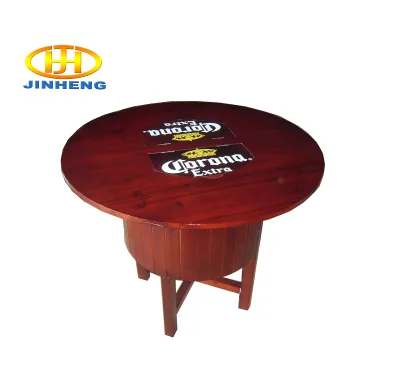
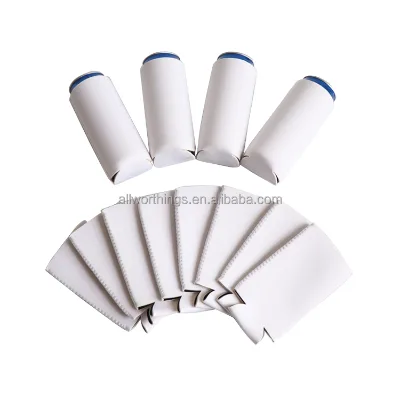


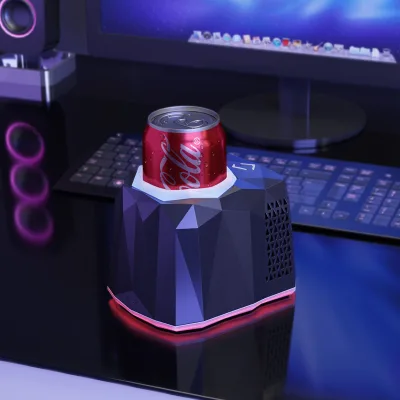
Portable Small Beer Can Cooler Keep Can Cold Cola Keeping Cold Can Cooler with Timer on Sale
$15.2801 - $16.5203
MOQ: 1000 pieces
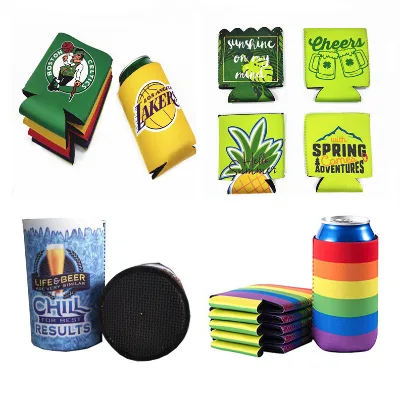
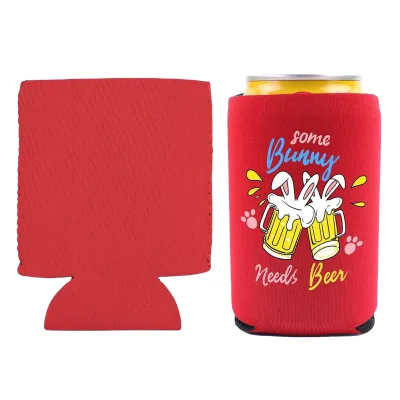
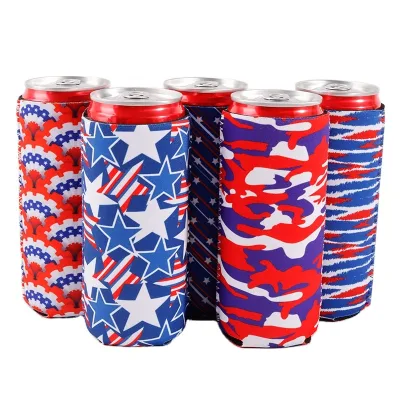
Wholesales Custom 16oz Can Cooler Reusable Beer Cans Cooler Sleeve Can Cooler
$0.2379 - $0.6523
MOQ: 50 pieces
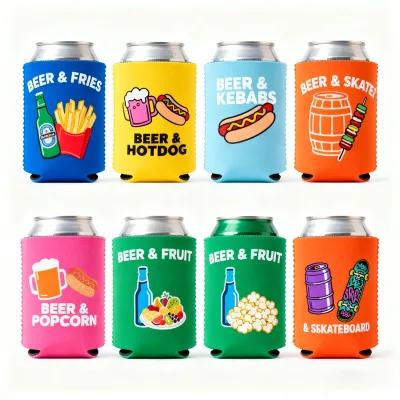
Newly Foam Can Cooler Sublimation Blank Can Cooler 12 Oz Can Durable Solid Color
$0.2573 - $0.4114
MOQ: 100 pieces


Comprehensive Sourcing Guide
Eco Friendly Can Cooler Sourcing Guide
Procuring eco-friendly can coolers requires a strategic balance between sustainable material selection and functional performance, ensuring that the final product meets both environmental goals and practical usage demands. Buyers must first define whether their priority lies in biodegradability, recycled content, or durable reusability, as these choices significantly impact material sourcing and manufacturing processes. The market offers various options, from neoprene sleeves to insulated fabric covers, each presenting distinct advantages in terms of thermal retention and aesthetic customization. Understanding these material differences is crucial for aligning product specifications with brand values and target consumer expectations.
Beyond material composition, the customization capabilities of suppliers play a pivotal role in the procurement process. Many manufacturers support OEM services, allowing for tailored designs, logo printing, and specific color schemes that enhance brand visibility. Buyers should evaluate the extent of customization available, including options for unique patterns, closures, and packaging formats. This level of personalization not only differentiates the product in a crowded market but also ensures that the coolers serve as effective promotional tools. Assessing these capabilities early in the sourcing journey helps in selecting partners who can deliver both quality and brand alignment.
Product Scope and Observed Listing Signals
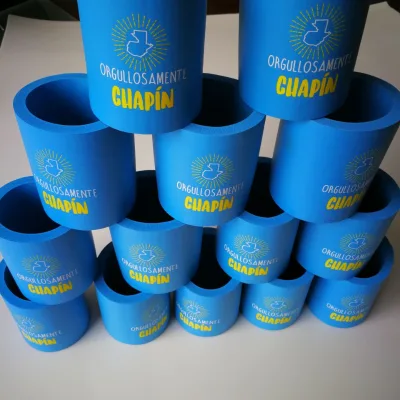
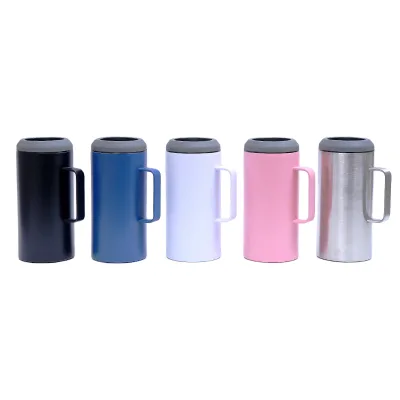
The current market landscape for eco-friendly can coolers reveals a diverse range of product types, primarily focusing on insulated sleeves and holders designed for daily use and promotional activities. Observed listings indicate a strong emphasis on customization, with suppliers offering services such as logo printing and tailored designs to meet specific client requirements. These products are often marketed with attributes like portability and fine workmanship, suggesting a focus on both utility and aesthetic appeal. The presence of various color options, including standard hues like black, white, and red, alongside custom color requests, highlights the flexibility available to buyers seeking unique branding solutions.
Technical specifications observed in listings provide further insight into product capabilities and physical characteristics. For instance, some products feature neoprene material, known for its insulation properties and durability, while others may utilize different fabrics or composite materials. Dimensions and packaging details, such as single package sizes and gross weights, are critical for logistics planning and cost estimation. Additionally, features like insulated construction and specific closure types, such as cut edges or zippers, influence the user experience and product longevity. Buyers should carefully review these specifications to ensure they align with their functional needs and quality standards.
Technical Specifications to Verify
When evaluating technical specifications, buyers must prioritize the material composition and its environmental impact. Neoprene, a common material for can coolers, offers excellent insulation but raises questions about its recyclability and end-of-life disposal. It is essential to verify whether the neoprene used is sourced from recycled materials or if alternative eco-friendly fabrics are available. Additionally, the thickness and density of the material affect thermal performance and durability, so requesting detailed material data sheets is crucial. Buyers should also inquire about the sourcing of raw materials to ensure they meet sustainability criteria, such as being free from harmful chemicals or derived from responsible suppliers.
Beyond material, the construction quality and functional features require thorough verification. Insulation effectiveness, often measured by ice retention time, is a key performance indicator for can coolers. Buyers should request test results or specifications regarding how long the cooler can maintain temperature, with some listings indicating retention times of up to one day. Furthermore, the durability of closures, stitching, and printed logos must be assessed to ensure they withstand regular use and washing. Understanding these technical aspects helps in selecting products that offer both environmental benefits and reliable performance, reducing the risk of premature failure or customer dissatisfaction.
Compliance and Safety Documentation
Compliance with international standards and safety regulations is paramount when sourcing eco-friendly can coolers, particularly for markets with strict environmental and product safety laws. Buyers should verify that suppliers adhere to recognized certifications such as ISO 9001 for quality management, which indicates a systematic approach to manufacturing consistency. Additionally, certifications like REACH ensure that the materials used are free from restricted substances, protecting both consumer health and the environment. It is crucial to request valid certification documents from suppliers and to confirm their authenticity through independent verification channels, as these credentials serve as a baseline for product safety and regulatory compliance.
Beyond certifications, documentation related to the product's environmental claims must be scrutinized. Terms like "eco-friendly" can be vague, so buyers should seek specific evidence supporting these claims, such as lifecycle assessments or material composition reports. Suppliers should provide clear information on the recyclability or biodegradability of the product components. Furthermore, compliance with labor standards, such as BSCI, ensures ethical manufacturing practices, which is increasingly important to consumers and retailers. By demanding comprehensive documentation, buyers can mitigate risks associated with non-compliance and ensure that their procurement activities align with corporate social responsibility goals.
Cost Drivers and Commercial Terms
Understanding the cost drivers for eco-friendly can coolers involves analyzing material costs, customization complexity, and order volumes. The choice of material significantly impacts pricing, with recycled or specialized eco-friendly fabrics often commanding a premium over standard neoprene. Customization features, such as intricate logo printing or unique color matching, add to the production cost due to additional setup and processing time. Buyers should negotiate based on these variables, seeking volume discounts that can offset the higher unit costs associated with sustainable materials. Clear communication about cost expectations and budget constraints helps in aligning supplier proposals with financial objectives.
Commercial terms, including minimum order quantities (MOQ) and payment conditions, also play a crucial role in the procurement process. Observed MOQs can range widely, from small batches for testing to large volumes for mass distribution, affecting inventory management and cash flow. Buyers should assess their storage capacity and sales forecasts to determine appropriate order sizes. Additionally, lead times and shipping terms must be considered to ensure timely delivery and avoid stockouts. Negotiating favorable payment terms, such as partial upfront payments or letters of credit, can help manage financial risk. A thorough understanding of these commercial aspects enables buyers to structure deals that are both cost-effective and operationally feasible.
Supplier Qualification and Quality Control
Supplier qualification is a critical step in ensuring the reliability and quality of eco-friendly can coolers. Buyers should conduct thorough due diligence, including site visits or virtual audits, to assess manufacturing capabilities, quality control processes, and ethical labor practices. Verifying the supplier's experience in producing similar products and their ability to meet specific customization requirements is essential. Additionally, checking references from previous clients can provide insights into the supplier's consistency, communication, and problem-solving abilities. A qualified supplier should demonstrate a commitment to quality and sustainability, with transparent processes and a track record of successful deliveries.
Quality control measures must be integrated into the procurement process to maintain product standards. Buyers should establish clear quality specifications and inspection criteria, including checks for material defects, stitching integrity, and print accuracy. Implementing pre-production samples and third-party inspections can help identify and rectify issues before mass production begins. Furthermore, establishing a feedback loop with the supplier for continuous improvement ensures that any quality concerns are addressed promptly. By prioritizing supplier qualification and robust quality control, buyers can minimize the risk of receiving substandard products and ensure that their eco-friendly can coolers meet both functional and aesthetic expectations.
Long-Term Procurement Checks
Long-term procurement success depends on establishing ongoing relationships with suppliers and continuously monitoring performance. Regular reviews of supplier metrics, such as on-time delivery rates, defect rates, and responsiveness to issues, help in identifying areas for improvement. Buyers should maintain open communication channels to address any emerging challenges and to explore opportunities for innovation or cost reduction. Additionally, staying informed about changes in sustainability standards and material technologies allows buyers to adapt their sourcing strategies accordingly. This proactive approach ensures that the procurement process remains aligned with evolving market demands and corporate sustainability goals.
Furthermore, evaluating the lifecycle impact of the products is essential for long-term sustainability. Buyers should assess the end-of-life options for the can coolers, such as recycling programs or take-back schemes, to minimize environmental footprint. Engaging with suppliers on circular economy initiatives can enhance the overall sustainability profile of the product line. Additionally, monitoring consumer feedback and market trends helps in refining product designs and features to better meet user needs. By focusing on long-term checks and continuous improvement, buyers can build resilient supply chains that deliver value while adhering to environmental and ethical standards.
FAQs
What material is used for the Eco Friendly Can Cooler?
The Eco Friendly Can Cooler is constructed from neoprene material, which provides durability and insulation. This material supports the product's reusable nature, ensuring it remains non-disposable for daily use. The soft texture and eco-friendly composition make it suitable for promotional items and general daily application while maintaining effective temperature retention for beverages.
Can I customize the logo on the Eco Friendly Can Cooler?
Yes, customization is available for the Eco Friendly Can Cooler through OEM services. Buyers can request custom printing logos on the product surface. The customization options allow for various colors including yellow, pink, brown, green, red, orange, blue, white, and black. This feature supports branded promotional campaigns and specific design requirements for corporate gifts.
What is the minimum order quantity for the Eco Friendly Can Cooler?
The minimum order quantity for the Eco Friendly Can Cooler ranges from 50 to 10,000 units. This flexible MOQ accommodates both small promotional batches and large-scale distribution needs. Buyers can select quantities based on their specific marketing campaigns or inventory requirements. The supplier supports various order sizes to ensure accessibility for different business scales and budget constraints.
Where are the eco friendly can coolers manufactured?
The eco friendly can coolers are manufactured in Guangdong, China. This location serves as the primary place of origin for the products. The manufacturing facility ensures fine workmanship and competitive quality standards. Buyers sourcing from this region benefit from established supply chain efficiencies and access to a wide range of customization options for their specific product needs.
What packaging options are available for the Eco Friendly Can Cooler?
Packaging for the Eco Friendly Can Cooler includes 1 piece per polybag and 100 pieces per big bag. This standard packing method ensures safe transport and easy inventory management. The single package size is approximately 13x15x0.5 cm with a gross weight of 0.045 kg. This efficient packaging supports bulk shipping and reduces handling costs for international buyers.
Is the Eco Friendly Can Cooler suitable for promotional use?
Yes, the Eco Friendly Can Cooler is explicitly designed for daily use and promotional activities. Its customizable logo printing and attractive color options make it ideal for marketing campaigns. The product features fine workmanship and eco-friendly materials, enhancing brand image. Companies frequently use these coolers as corporate gifts or event giveaways to engage customers effectively.