Source Reusable PP Plastic Cocktail Cup for Bars, Parties, and Events
Find 30 listings for the Reusable PP Plastic Cocktail Cup, featuring PP and PET materials with wide-mouthed designs. Compare options from Chinese suppliers offering OEM customization, screen printing, and various capacities like 16 oz and 500ml for personal care or chemical applications.
Updated
Key considerations
Products List


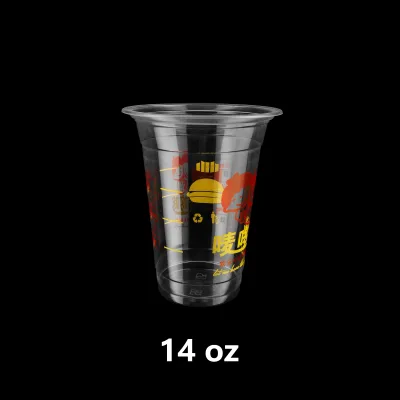

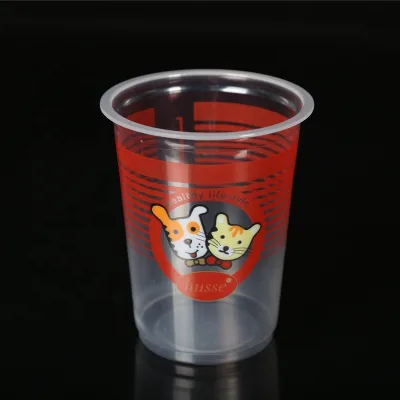
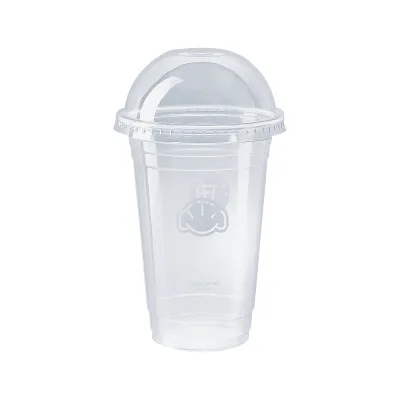
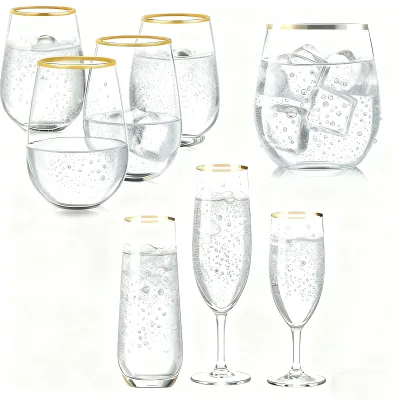
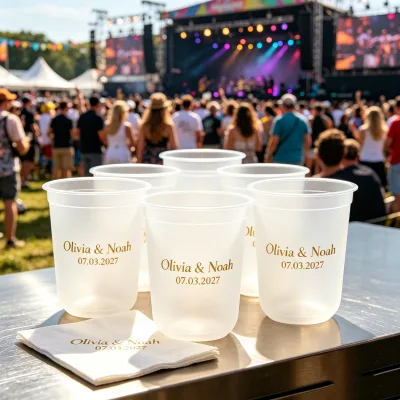
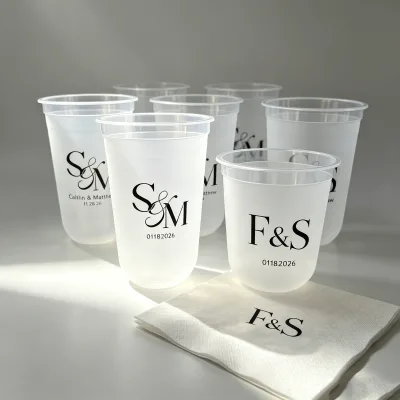
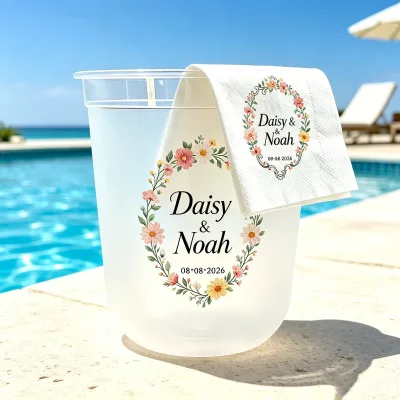
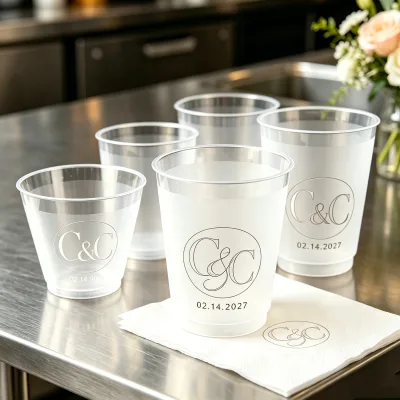
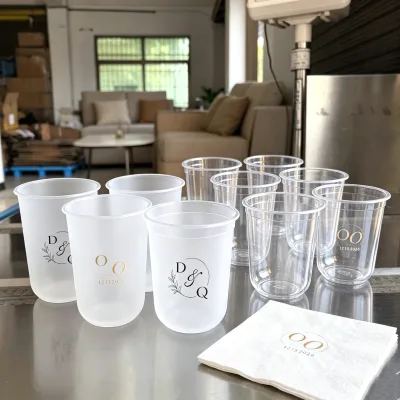
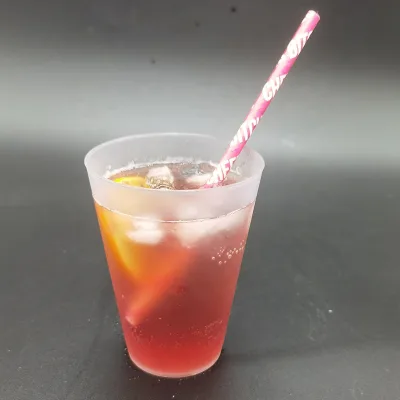


Disposable Plastic Transparent PP Drink Cup Customize Color and Size 180/200ml
$0.004 - $0.007
MOQ: 20000 Pieces
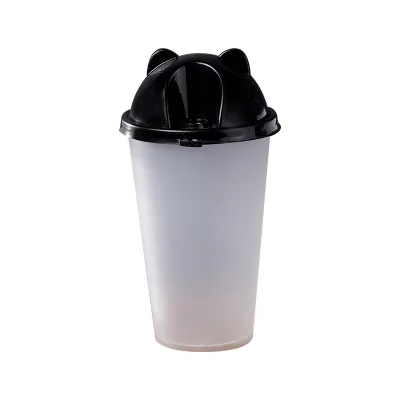
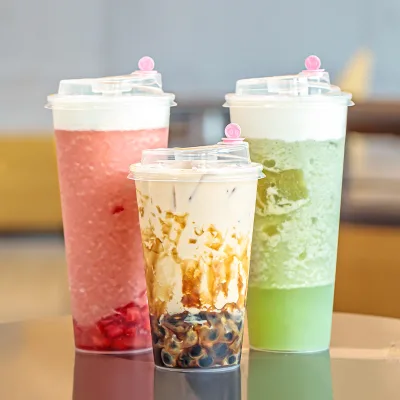


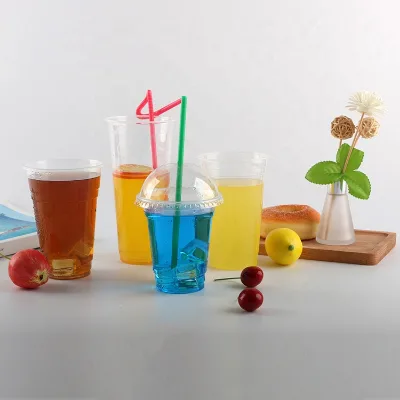
Recyclable PP Plastic Drinking Cups with Colorful Straws for Beverages
$0.02 - $0.04
MOQ: 49999 Pieces
Comprehensive Sourcing Guide
Reusable PP Plastic Cocktail Cup Sourcing Guide
Sourcing reusable polypropylene cocktail cups requires a careful balance between material durability, aesthetic customization, and commercial viability. The observed market data indicates a diverse range of offerings, from simple single-use styles to more complex, handle-equipped designs. Buyers must navigate varying material compositions, including pure PP, PET, PS, and mixed blends, to ensure the final product meets specific functional requirements for temperature resistance and clarity. Understanding these material distinctions is critical for preventing product failure during service or cleaning cycles.
The procurement landscape also features significant variability in minimum order quantities and customization options. While some suppliers offer low MOQs starting at just one piece, others require bulk commitments up to fifty thousand units. This disparity impacts inventory management and cash flow planning. Furthermore, the availability of OEM services and custom logo printing allows brands to differentiate their offerings, but it necessitates rigorous verification of printing techniques and surface handling capabilities to ensure longevity and brand integrity in high-volume environments.
Product Scope and Observed Listing Signals
The current market listings reveal a broad spectrum of product attributes, primarily centered around plastic construction with specific polymer types like PP, PET, and PS. Observed models include items labeled as "Plastic Tumbler" and "Plastic Cup," with capacities ranging from 14 oz to 16 oz, and volumes up to 540 ml. Some listings explicitly mention features such as handles, while others focus on simple, round shapes suitable for general beverage service. The presence of "Disposable" and "Non-Disposable" tags in the same dataset highlights the need for precise specification alignment, as the term "reusable" must be explicitly confirmed against the supplier's actual product design and intended lifecycle.
Color and aesthetic customization are prominent signals in the available data, with options ranging from multicolor and mixed color variations to specific printed designs. Surface handling techniques like screen printing are noted, supporting the potential for branded cocktail cups. Additionally, packaging methods vary from individual polybag packing to standard OPP bags and cartons, with some listings specifying quantities like 100 or 200 pieces per carton. These logistical details are essential for calculating landed costs and storage requirements, ensuring that the physical dimensions and weight of the packaged goods align with your supply chain capabilities.
Technical Specifications to Verify
Verifying the specific plastic type is paramount, as PP offers superior heat resistance compared to PS or PET, making it more suitable for warm cocktails or repeated washing cycles. Buyers should confirm whether the product is strictly PP or a blend, as this affects both performance and recycling classification. The observed data includes references to "Wide Mouthed Bottle" necks and pump sprayers, which may indicate compatibility with other packaging components or specialized dispensing needs. Clarifying the exact bottleneck style and wall thickness ensures the cup can withstand the mechanical stress of handling and cleaning without cracking or deforming.
Capacity and volume consistency must be validated against your operational standards, as observed listings show variations such as 14 oz, 16 oz, and 500 ml. It is crucial to determine if these measurements are nominal or actual fill levels, especially for cocktails where precise portion control affects cost and customer experience. Additionally, the presence of accessories like handles adds structural complexity and potential failure points. Confirming the attachment method and material integrity of these components is necessary to prevent breakage during service, ensuring a seamless user experience and reducing waste due to product defects.
Compliance and Safety Documentation
Safety certifications are a critical component of the procurement process, with observed listings mentioning QS and FDA certifications. These marks indicate that the manufacturer has met specific regulatory standards for food contact materials, which is non-negotiable for beverage service applications. Buyers must request valid, up-to-date certification documents for each batch or product line, ensuring that the claims are backed by independent testing or official regulatory approval. The absence of ethylene oxide sterilization in some listings suggests that these products are not intended for medical use, but it also implies that standard food-grade hygiene protocols are the primary focus.
Beyond initial certifications, ongoing compliance with international food safety standards is essential for maintaining brand reputation and legal compliance. Buyers should verify that the manufacturing facility adheres to Good Manufacturing Practices (GMP) and that the raw materials used are free from harmful contaminants. The customization process, including inks and adhesives used for logos, must also be evaluated for toxicity and migration risks. Ensuring that all components, from the plastic resin to the packaging materials, comply with relevant local and international regulations protects the buyer from liability and ensures consumer safety.
Cost Drivers and Commercial Terms
The cost structure for reusable PP cocktail cups is influenced by several key factors, including material prices, customization complexity, and order volume. The observed MOQ range, spanning from one piece to fifty thousand units, significantly impacts unit pricing, with higher volumes typically yielding better economies of scale. Buyers should analyze the total cost of ownership, considering not just the unit price but also shipping costs, which can be substantial due to the volume-to-weight ratio of plastic products. Understanding these dynamics allows for more accurate budgeting and negotiation strategies.
Commercial terms such as sample availability and lead times also play a crucial role in the procurement process. Some suppliers offer samples with freight collect arrangements, allowing buyers to evaluate quality before committing to large orders. Sample times can be as short as one day, facilitating rapid decision-making. However, production lead times for customized orders may vary based on the complexity of the design and the current factory workload. Negotiating clear terms for payment, delivery, and quality assurance is essential to mitigate risks and ensure a smooth transaction process.
Supplier Qualification and Quality Control
Evaluating supplier qualifications involves assessing their manufacturing capabilities, quality control systems, and track record. Buyers should prioritize suppliers who offer OEM services and have demonstrated experience in producing customized plastic products. The presence of certifications like QS and FDA is a positive indicator, but it should be complemented by on-site audits or third-party inspections to verify actual production standards. Suppliers with a history of consistent quality and reliable delivery are less likely to encounter issues during large-scale orders.
Quality control measures should be clearly defined and agreed upon before production begins. This includes specifying acceptable tolerances for dimensions, color consistency, and structural integrity. Buyers should request pre-shipment inspections to ensure that the final products meet the agreed-upon specifications. Additionally, establishing a clear protocol for handling defects or non-conforming goods is essential for maintaining supply chain reliability. Regular communication with the supplier regarding production progress and any potential issues can help prevent delays and ensure timely delivery of high-quality products.
Long-Term Procurement Checks
Long-term procurement success depends on establishing a robust supplier relationship and implementing continuous improvement strategies. Regular performance reviews should be conducted to assess supplier reliability, quality consistency, and responsiveness to issues. This includes monitoring delivery times, defect rates, and customer feedback on the products. By maintaining open lines of communication and providing constructive feedback, buyers can foster a collaborative environment that encourages suppliers to innovate and improve their offerings over time.
Sustainability and environmental considerations are increasingly important in the procurement of plastic products. Buyers should explore options for recyclable materials and eco-friendly packaging solutions to align with corporate sustainability goals. The observed data mentions recyclable features, which can be leveraged to enhance brand image and meet consumer demand for environmentally responsible products. Additionally, staying informed about regulatory changes and market trends ensures that the procurement strategy remains compliant and competitive in the long run.
FAQs
Can reusable pp plastic cocktail cups be customized with a logo?
Yes, customization is available for these plastic cups. The product page indicates that OEM services are supported, allowing buyers to add their own branding. The surface handling includes screen printing, which facilitates the application of custom logos or designs onto the plastic material. This option is suitable for businesses seeking branded packaging for events or retail distribution.
What certifications do these plastic cups hold?
The plastic cups hold QS and FDA certifications. These credentials indicate that the products meet specific quality and safety standards for food contact. The material used is primarily plastic, including PP, PET, and PS types. Buyers can rely on these certifications to ensure compliance with regulatory requirements for personal care and chemical applications, as well as general food service use.
What is the minimum order quantity for these cups?
The minimum order quantity varies by supplier but can be as low as one piece. Some listings specify an MOQ of 100, while others allow for single-piece samples. This flexibility supports both small-scale testing and large-volume procurement. Buyers should verify the specific MOQ with the supplier, as it depends on whether they are ordering standard sizes or customized options with specific packaging requirements.
How are the plastic cups packaged for shipping?
Packaging methods include polybags, OPP bags, and cartons. Individual cups may be packed in polybags, while bulk orders are often shipped in standard cartons containing 100 to 200 pieces. The single package size is approximately 10x10x10 cm. This standardized packaging ensures efficient storage and transportation, protecting the cups from damage during transit from origins like Shanghai or Anhui, China.
What materials are used to make these plastic cups?
These cups are made from various plastic types, including PP, PET, and PS. The material choice depends on the specific product model and intended application. PP is commonly used for its durability and heat resistance, while PET and PS offer clarity and rigidity. The cups are designed to be recyclable and are often non-disposable, supporting sustainable usage in personal care or chemical contexts.
Are these cups suitable for wide-mouthed bottles?
Yes, the product attributes indicate compatibility with wide-mouthed bottles. The cups are designed with a specific shape and size to fit standard wide-mouthed bottle openings. This makes them ideal for use as cocktail cups or serving vessels in various settings. The round shape and plastic construction ensure a secure fit, preventing leaks and enhancing the overall user experience for both personal care and beverage applications.