Source Modern Creative Ceramic Mug and Plate Set for Home, Office, and Gifts
Explore 23 listings of Modern Creative Ceramic Mug and Plate Set options featuring eco-friendly materials, heat resistance, and custom designs. Buyers can compare styles, sizes, and MOQs for daily use, office settings, and promotional giveaways; compare the available evidence and request quotations based on your requirements.
Updated
Key considerations
Products List


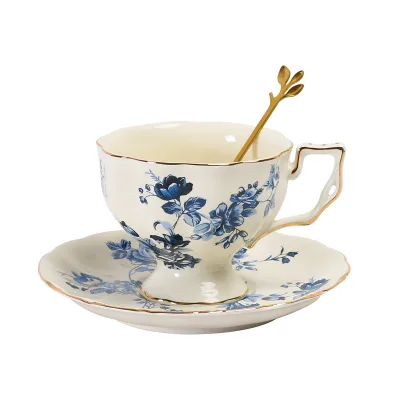
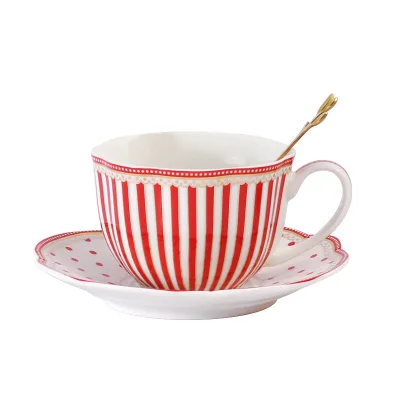
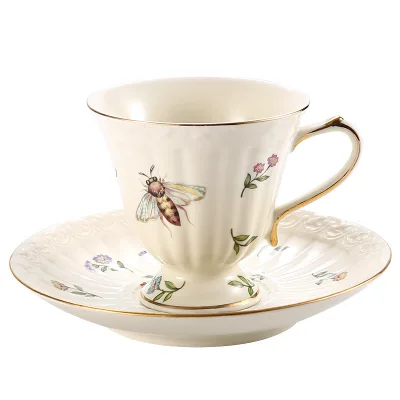


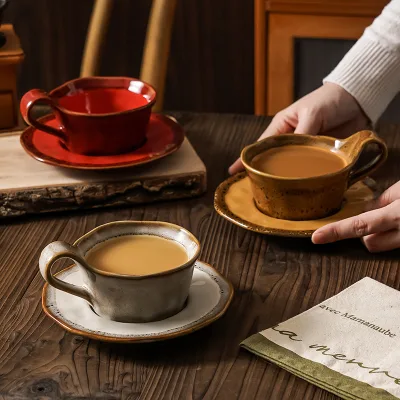
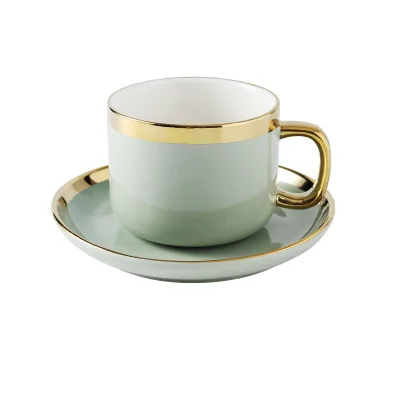
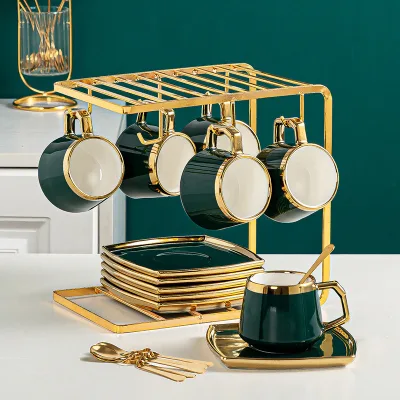
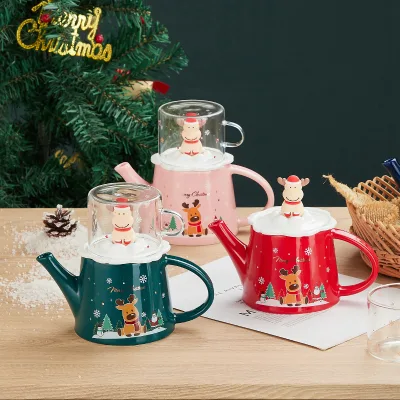
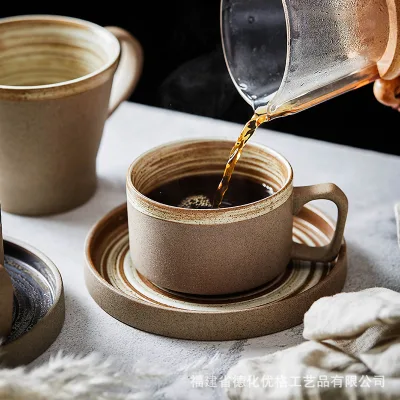

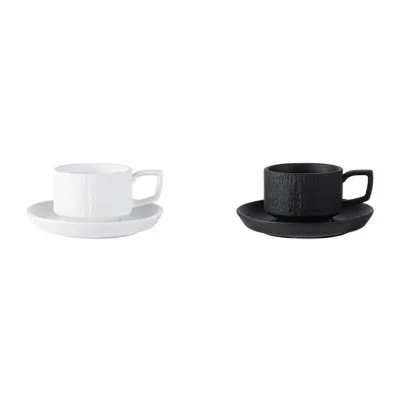
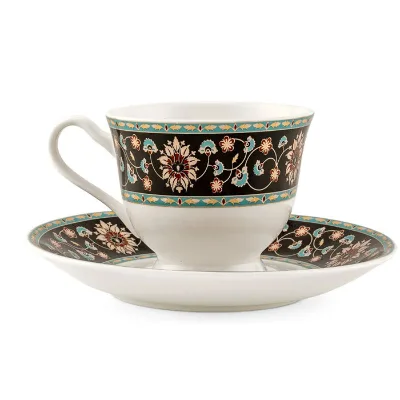
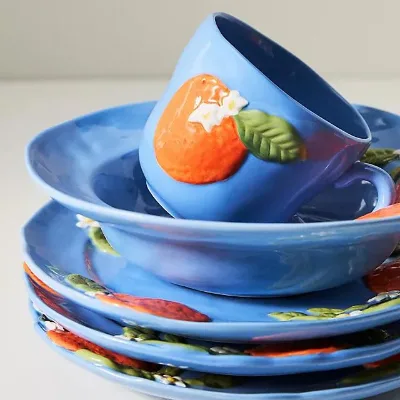
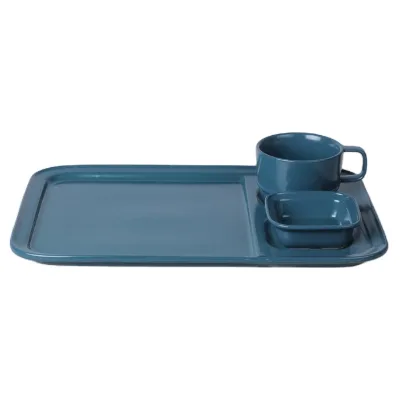

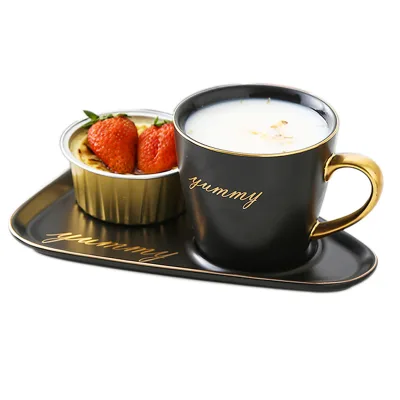
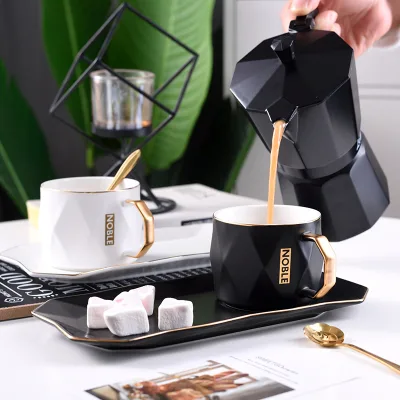
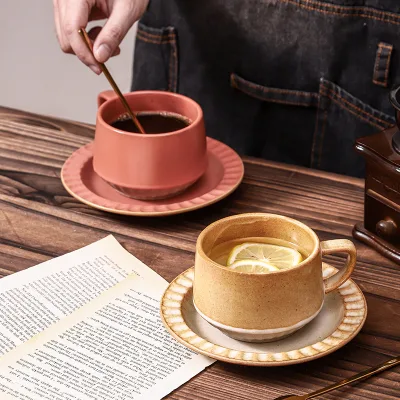
Comprehensive Sourcing Guide
Modern Creative Ceramic Mug and Plate Set Sourcing Guide
Sourcing modern creative ceramic mug and plate sets requires a strategic balance between aesthetic innovation and functional durability. Buyers must navigate a market where customization is readily available, allowing for tailored designs that align with specific brand identities or interior themes. The observed product landscape indicates a strong emphasis on eco-friendly materials and simple, contemporary styles that appeal to both home and office environments. This trend suggests that procurement teams should prioritize suppliers who demonstrate flexibility in design while maintaining consistent quality in their ceramic compositions.
The diversity in observed listings highlights the importance of verifying specific material properties and functional attributes before committing to large orders. Products range from basic daily-use items to more elaborate sets featuring intricate patterns or specialized features like heat resistance. Understanding these variations is crucial for selecting the right supplier who can deliver the desired balance of creativity and practicality. Buyers should focus on suppliers who provide clear specifications regarding material composition, such as ceramic or pottery, to ensure the final product meets the intended use case and safety standards.
Product Scope and Observed Listing Signals
The current market for ceramic drinkware shows a wide range of styles, from simple and contemporary to cute and Asian Zen aesthetics. Observed listings indicate that customization is a key feature, with many suppliers offering logo acceptance and tailored designs. This flexibility allows buyers to create unique product lines that stand out in competitive markets. The presence of multicolor options and printed fancy elements suggests that visual appeal is a significant driver for consumer interest, making it essential for buyers to evaluate sample quality closely.
Functional attributes also play a critical role in product selection, with many items marketed as heat-resistant and suitable for high temperatures. This feature is particularly important for mugs and plates that are used for hot beverages, ensuring safety and durability during daily use. The observed data includes various shapes, such as round designs, and specific dimensions that cater to different volume requirements. Buyers should pay attention to these specifications to ensure the products meet the practical needs of their target audience, whether for home use or office settings.
Technical Specifications to Verify
Verifying technical specifications is essential to ensure that the ceramic sets meet the required performance and dimensional standards. Buyers should confirm the exact dimensions of each item, as observed listings show variations in size, such as 13.313.59.8CM for certain models and 10.3*6.9CM for others. These measurements are crucial for packaging efficiency and shelf space planning. Additionally, the material composition, whether ceramic or pottery, should be clearly defined to assess durability and thermal properties.
The volume capacity of the mugs is another critical specification, with observed ranges indicating volumes between 201-300ml for some items. This information helps buyers determine the suitability of the products for specific beverage types, such as coffee or tea. Furthermore, the weight of the single package, observed to be around 3.000 kg or 5.000 kg depending on the set, impacts shipping costs and handling requirements. Buyers must verify these details to accurately calculate logistics expenses and ensure the products can withstand transportation without damage.
Compliance and Safety Documentation
Compliance with safety standards is paramount when sourcing ceramic drinkware, especially for products intended for food and beverage contact. Buyers should request documentation that verifies the materials used are free from harmful substances and meet relevant food safety regulations. While specific standards like ISO 6486 or EN 1388-2 are mentioned in background contexts, buyers must confirm which standards apply to their target markets and ensure suppliers can provide valid certificates. This due diligence helps mitigate risks associated with product liability and ensures consumer safety.
In addition to material safety, buyers should inquire about the testing procedures used by suppliers to verify the heat resistance and durability of the ceramic sets. Products marketed as heat-resistant should undergo rigorous testing to ensure they can withstand high temperatures without cracking or releasing toxins. Buyers should also check for any additional certifications related to eco-friendly claims, as many observed listings highlight this feature. Ensuring that suppliers have robust quality control processes in place is essential for maintaining brand reputation and customer trust.
Cost Drivers and Commercial Terms
Understanding the cost drivers in ceramic mug and plate set procurement is vital for effective budget management. The observed price range of 0.77-99 USD indicates significant variation based on factors such as material quality, design complexity, and customization options. Buyers should analyze these price differences to determine the value proposition of each supplier and avoid overpaying for features that do not align with their brand strategy. Additionally, the minimum order quantity (MOQ) ranges from 2 to 5000 pieces, allowing for flexibility in order sizes based on inventory needs and cash flow considerations.
Commercial terms, including lead times and sample availability, also impact the overall cost and efficiency of the procurement process. Observed data suggests that samples can be provided within 7 days, which is beneficial for quick evaluation and decision-making. Buyers should negotiate clear terms regarding payment methods, shipping responsibilities, and return policies to minimize financial risks. It is also important to consider the packaging details, such as paper or carton packing, as these can affect product protection and shipping costs.
Supplier Qualification and Quality Control
Supplier qualification is a critical step in ensuring the reliability and consistency of ceramic drinkware supplies. Buyers should assess suppliers based on their production capabilities, quality control processes, and ability to meet customization requests. The observed data indicates that many suppliers are located in Guangdong, China, a region known for its manufacturing expertise in ceramics. Buyers should verify the supplier's track record, including their experience with similar products and their ability to maintain consistent quality across large orders.
Quality control measures should be clearly defined and agreed upon before placing orders. Buyers should request detailed quality assurance plans that include inspection points for material sourcing, production, and final packaging. The observed listings show various models and styles, indicating that suppliers must have robust systems in place to manage diverse product lines. Additionally, buyers should consider conducting third-party inspections or audits to verify that the supplier's quality control processes are effective and compliant with industry standards.
Long-Term Procurement Checks
Long-term procurement success depends on establishing strong relationships with suppliers who can adapt to changing market demands and maintain high quality standards. Buyers should regularly review supplier performance metrics, including on-time delivery rates, product defect rates, and responsiveness to issues. The observed data shows a variety of product models and styles, suggesting that suppliers must be agile in their production processes to accommodate new designs and trends. Maintaining open communication channels with suppliers is essential for addressing any concerns promptly and ensuring continuous improvement.
Additionally, buyers should stay informed about industry trends and regulatory changes that may impact the ceramic drinkware market. This includes monitoring shifts in consumer preferences for eco-friendly materials and sustainable production practices. By proactively adapting to these changes, buyers can ensure that their product offerings remain relevant and competitive. Regularly updating supplier contracts to reflect current market conditions and quality expectations is also crucial for maintaining a resilient and efficient supply chain.
FAQs
Can I customize the logo on these ceramic mug and plate sets?
Yes, logo customization is acceptable for these modern creative ceramic mug and plate sets. The supplier accepts custom branding to meet specific business needs. This feature allows buyers to enhance brand visibility through personalized designs. Customization options are available for various order quantities, ensuring flexibility for different procurement scales and marketing strategies.
What is the minimum order quantity for these ceramic products?
The minimum order quantity for these ceramic mug and plate sets is 100 pieces. This MOQ applies to standard customization requests. Buyers should note that some listings may show different quantities, but 100 PCS is the confirmed baseline. This threshold supports small to medium business orders while maintaining production efficiency for the supplier.
Are these ceramic sets suitable for daily office and home use?
Yes, these ceramic mug and plate sets are designed for daily use in both home and office environments. They feature heat-resistant properties and withstand high temperatures, making them practical for hot beverages. The simple style and eco-friendly materials ensure durability and safety for regular consumption, catering to everyday consumer needs effectively.
What are the standard dimensions for the ceramic cup and saucer?
Standard dimensions vary by model, with one common size being 13.3 by 13.5 by 9.8 centimeters. Another model measures 10.3 by 6.9 centimeters. These specifications ensure compatibility with standard table settings. Buyers should verify the exact model number, such as SIL20-090508 or SIL18-090905, to confirm the precise dimensions required for their specific application.
How long does it take to receive a sample of these sets?
It typically takes seven days to receive a sample of these ceramic mug and plate sets. This lead time allows buyers to evaluate product quality, design, and material before placing larger orders. The sample process ensures that the final production matches the expected standards for customization, packaging, and overall aesthetic appeal for the target market.
What packaging options are available for these ceramic products?
Packaging options include paper and carton materials for these ceramic mug and plate sets. The choice depends on the specific model and order requirements. Paper packaging is used for certain items, while carton packaging is utilized for others, such as the JBM brand sets. This flexibility helps protect the products during transit and meets various logistical needs.