Source Mitsubishi Excavator Engine Assembly for Construction, Mining, and Agriculture
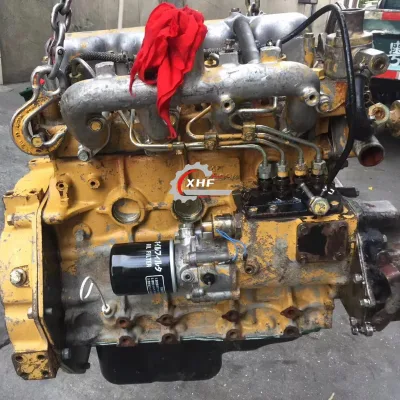
Find 30 listings for Mitsubishi Excavator Engine Assembly from verified suppliers. Compare specifications including cylinder count, cooling type, and condition to identify suitable units for heavy machinery repair and replacement needs.
Key considerations
Products List
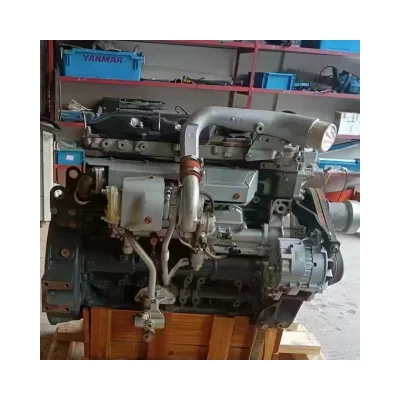
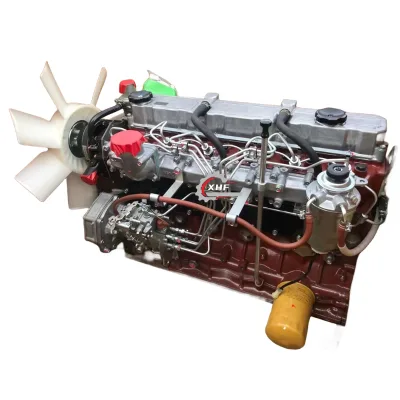
Excavator Engine Mitsubishi 4M50 Engine Motor for Mitsubishi Engine Assembly
$3000.00 - $3585.00
MOQ: 1 pieces

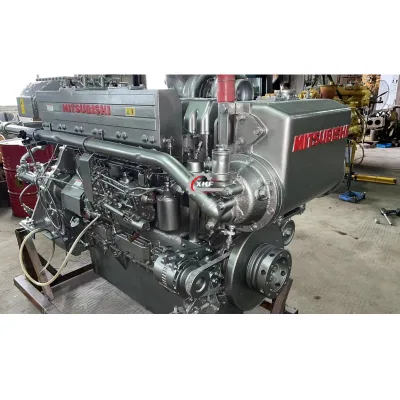
Japanese Original New 6D34 Engines Excavator Diesel Engine Assembly for Mitsubishi
$1000.00 - $1500.00
MOQ: 1 Pieces

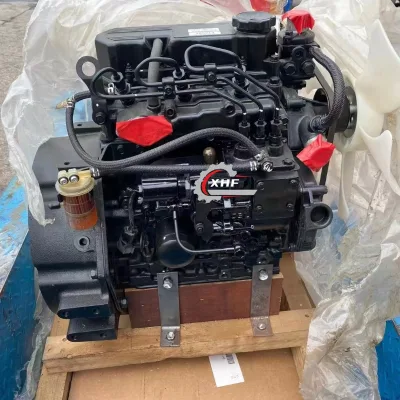
Excavator Engine Assembly Yanmar 4tnv88 Mechanical Engine Excavator Engine Assembly
$1000.00 - $2000.00
MOQ: 1 Pieces

High Quality Excavator Diesel Engine S4K Engine Motor for Mitsubishi Engine Excavator
$3999.00 - $4999.00
MOQ: 1 Pieces

Cat Excavator Engine C4.4 Engine Assembly Caterpillar Engine Assembly
$2000.00 - $3000.00
MOQ: 1 Pieces

Original Doosan De12tis Engine Assembly for Doosan Excavator Engine Assy
$2500.00 - $5000.00
MOQ: 1 Pieces

High Quality Doosan Excavator Diesel Engine Assembly De12 Engine Assembly
$1496.81 - $1500.00
MOQ: 1 Pieces


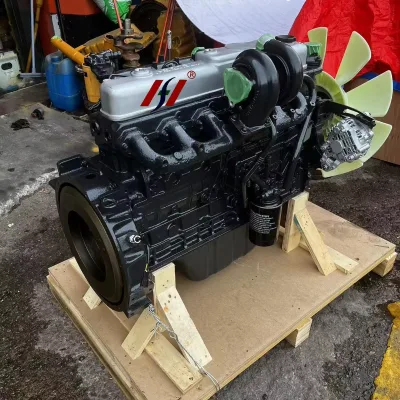
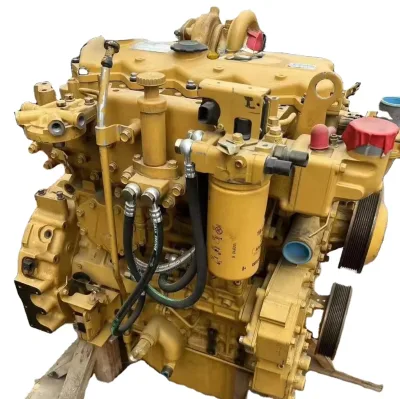


Excavator Engine Parts Qsb6.7 Qsb6.7-C260 Diesel Engine Assembly with Cheap Price
$3000.00 - $70000.00
MOQ: 1 Pieces


3066 Engine Assembly for 320b 320c 320d Excavator Replacement Diesel Engine
$4800.00 - $5000.00
MOQ: 1 Pieces


Comprehensive Sourcing Guide
Mitsubishi Excavator Engine Assembly Sourcing Guide
Procuring a replacement or upgrade engine for heavy construction equipment requires a disciplined approach to technical verification and commercial due diligence. The Mitsubishi Excavator Engine Assembly market presents a mix of original equipment manufacturer (OEM) parts, refurbished units, and alternative sourcing options that vary significantly in origin, condition, and compliance status. Buyers must navigate a landscape where listing data often contains conflicting attributes, such as differing origins, model numbers, and condition descriptors. This guide provides a structured framework for evaluating these listings, ensuring that the selected engine assembly meets the operational demands of your machinery while minimizing procurement risk.
The core challenge in this category lies in distinguishing between genuine Mitsubishi components and generic or repurposed units that may share similar physical dimensions but lack the necessary performance characteristics. Listings frequently reference multiple model numbers, such as the Mitsubishi 4M50, 6D34, and S4K, alongside other brands like Yanmar and Caterpillar, which can create confusion regarding compatibility. A rigorous verification process is essential to confirm that the specific engine block, cylinder head, and internal components match the exact specifications required for your excavator’s hydraulic system and powertrain. This guide outlines the critical steps for validating these technical details before committing to a purchase.
Product Scope and Observed Listing Signals
The current market for Mitsubishi excavator engine assemblies displays a wide variance in product attributes, reflecting a mix of new, used, and refurbished inventory. Observed listings indicate a price range that spans from entry-level alternatives to high-end OEM replacements, with minimum order quantities (MOQ) typically set at one unit, allowing for single-unit procurement flexibility. Buyers should note that while some listings claim a "Reasonable" price point, the actual cost is heavily influenced by the engine’s condition, origin, and included accessories. The presence of "Second Hand Engine" keywords alongside "Condition: Used" suggests a significant portion of the market deals in reclaimed units, which require thorough inspection to ensure longevity and reliability.
Origin data presents a notable divergence, with some listings specifying Japan as the place of origin, while others indicate China. This discrepancy often reflects the difference between genuine Mitsubishi-manufactured engines and aftermarket or rebadged units produced in regional facilities. Additionally, the "Type" attribute varies across listings, with some identifying the product as an "Electric Motor" or "External Combustion Engine," which are technically inaccurate for standard diesel excavator powerplants. These inconsistencies highlight the importance of cross-referencing model numbers and physical specifications rather than relying solely on generic product titles. Buyers must treat these listing signals as initial data points that require validation through direct supplier communication and technical documentation.
Technical Specifications to Verify
Accurate model identification is the first critical step in ensuring compatibility. The Mitsubishi 4M50 and 6D34 are distinct engine families with different displacement, mounting patterns, and electrical interfaces. Buyers must verify the exact model number against their excavator’s service manual or existing engine plate. The 4M50 is a four-stroke, water-cooled, six-cylinder diesel engine, often characterized by its L-shaped cylinder arrangement and high-speed operation. In contrast, other models like the Yanmar 4TNV88 or Caterpillar C4.4 represent entirely different powertrain architectures. Confirming the specific model ensures that the new assembly will fit the engine bay and interface correctly with the hydraulic pump and transmission.
Beyond model numbers, key performance and structural attributes must be validated. The engine should be a diesel-powered, electric ignition unit with a reciprocating piston movement, designed for heavy-duty cyclic loading. Cooling system compatibility is paramount; the assembly must match the excavator’s radiator and coolant flow requirements, typically water-cooled for thermal stability under load. Additionally, the intake system configuration, such as supercharging, must align with the original equipment’s air filtration and turbocharger setup. Buyers should request detailed dimensional drawings and weight specifications to ensure the engine assembly fits within the designated space and does not exceed the machine’s weight distribution limits.
Compliance and Safety Documentation
Regulatory compliance and safety standards are non-negotiable for heavy machinery operations. Listings may reference certifications such as CE or ISO9001, but buyers must verify the validity and scope of these certifications. CE marking indicates conformity with health, safety, and environmental protection standards for products sold within the European Economic Area, while ISO9001 certifies the supplier’s quality management system, not the product itself. It is crucial to distinguish between product-specific certifications and general company accreditations. Buyers should request copies of these certificates and verify their expiration dates and issuing bodies to ensure they are current and applicable to the specific engine model.
Documentation regarding emissions and operational safety is equally important. Depending on the region of operation, the engine may need to comply with specific emissions standards, such as EPA Tier or EU Stage regulations. Buyers should inquire about the engine’s emissions rating and whether it includes necessary after-treatment systems or modifications to meet local legal requirements. Furthermore, safety documentation should include detailed operating manuals, maintenance schedules, and torque specifications for critical components. These documents are essential for proper installation and ongoing maintenance, ensuring that the engine operates within safe parameters and reduces the risk of catastrophic failure.
Cost Drivers and Commercial Terms
The total cost of ownership for an excavator engine assembly extends beyond the initial purchase price. Factors such as the engine’s condition (new, used, or refurbished), origin, and included accessories significantly impact the final cost. Used engines may offer a lower upfront price but could require additional investment in seals, gaskets, and immediate maintenance. New or remanufactured engines typically command a higher price but come with a warranty and greater reliability. Buyers should evaluate the "Reasonable" price claims in the context of these variables, comparing the total investment against the expected lifespan and performance of the unit.
Commercial terms, including minimum order quantity, packaging, and delivery time, also play a crucial role in procurement planning. While many listings specify an MOQ of one, buyers should confirm whether bulk discounts are available for fleet replacements. Packaging is typically described as a wooden box or package, which is essential for protecting the engine during transit. Buyers must verify that the packaging meets international shipping standards to prevent damage. Delivery time is often listed as "Negotiable," indicating that lead times can vary based on stock availability and shipping method. Establishing clear delivery timelines and penalty clauses for delays is advisable to mitigate operational downtime.
Supplier Qualification and Quality Control
Supplier qualification is a critical step in mitigating procurement risk. Buyers should assess the supplier’s track record, including their experience in the heavy machinery parts industry and their ability to provide technical support. Listings may mention "Original and Alternative" quality options, which requires careful evaluation to ensure that alternative parts meet OEM specifications. Suppliers should be transparent about their sourcing channels and able to provide traceability for the engine’s components. Verifying the supplier’s business license and financial stability can also help ensure their long-term viability as a partner.
Quality control processes should be clearly defined and agreed upon before purchase. Buyers should request detailed inspection reports, including video outgoing-inspection data, to visually verify the engine’s condition and completeness. This is particularly important for used or refurbished engines, where hidden defects may not be apparent from static images. Suppliers should offer a warranty period, typically one year for these types of assemblies, to cover manufacturing defects or premature failures. Establishing a clear return policy and dispute resolution mechanism is essential in case the delivered product does not meet the agreed-upon specifications.
Long-Term Procurement Checks
Establishing a long-term procurement strategy requires ongoing monitoring of supplier performance and product reliability. Buyers should track the performance of the installed engine assembly, including fuel efficiency, maintenance frequency, and any unexpected failures. This data can be used to evaluate the supplier’s product quality and support responsiveness over time. Regular communication with the supplier regarding updates in engine technology or model revisions can help ensure that future replacements remain compatible and efficient. Building a relationship with a reliable supplier can lead to better pricing, priority service, and access to exclusive parts.
Continuous improvement in the procurement process involves refining technical verification steps and expanding the supplier base to include competitive alternatives. Buyers should periodically review market listings to identify new suppliers or improved product offerings. Engaging with technical experts or third-party inspection services for periodic audits can provide an additional layer of quality assurance. By maintaining a disciplined approach to verification, compliance, and supplier management, buyers can secure a stable supply of high-quality Mitsubishi excavator engine assemblies that support their operational goals and minimize total cost of ownership.
FAQs
What is the condition of the Mitsubishi Excavator Engine Assembly?
The engine assembly is available in used condition as a second-hand item. Some listings also offer new units with original and alternative quality options. Buyers can expect a one-year warranty on the supplied units regardless of their condition status.
Which specifications are available for the Mitsubishi engine models?
Available models include the Mitsubishi 4m50, 6D34, and S4K variants. These engines feature six cylinders, water cooling, and are designed as high-speed diesel units. The cylinder arrangement is typically L-shaped with four-stroke operation and electric ignition modes.
Can I customize the packaging for the engine assembly?
Yes, customization is available for the engine assembly packaging. Options include standard wooden packages or wooden boxes tailored to specific needs. Buyers can also select attachments and request customized colors to match their operational requirements.
What is the minimum purchase quantity for these engines?
The minimum purchase quantity is one single item for most listings. Some suppliers may have an observed MOQ range starting from one unit up to five units. This allows buyers to source individual engines without needing bulk commitments.
Where are these engine assemblies manufactured or sourced from?
Engine assemblies are sourced from origins including Japan and China. Specific models like the Mitsubishi 4m50 originate from Japan, while other variants may come from Chinese manufacturers. Buyers should verify the specific place of origin for each listed product.
What certifications apply to the new engine units?
New engine units may carry CE and ISO9001 certifications. These standards ensure quality and compliance for specific product listings. Buyers should check individual product pages to confirm which certifications apply to the specific model they intend to purchase.
How is the delivery time determined for these engines?
Delivery time is negotiable between the buyer and the supplier. Lead times vary based on the specific model, location, and customization requirements. Buyers should discuss specific timelines directly with vendors to finalize the shipping schedule.