Source Mitsubishi Pajero Fuel Filter for Engines, Trucks, and Off-Road
Compare 30 listings for Mitsubishi Pajero Fuel Filter from verified suppliers. View specifications including OE numbers, materials, and lead times to find suitable options for automotive engine maintenance and replacement needs.
Key considerations
Products List






Comprehensive Sourcing Guide
Strategic Sourcing Guide for Mitsubishi Pajero Fuel Filters
Understanding the Technical Landscape of Fuel Filtration
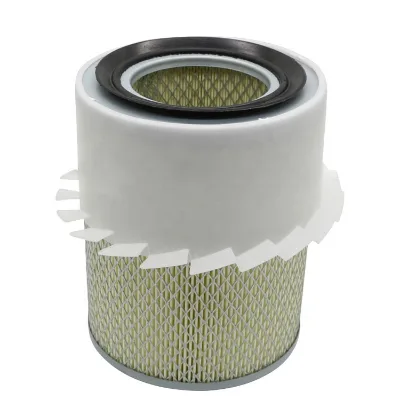
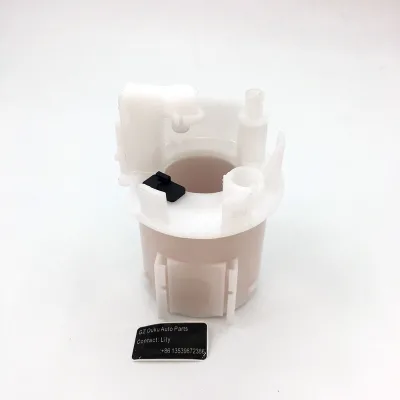
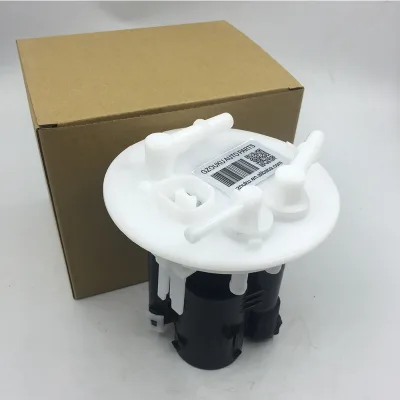
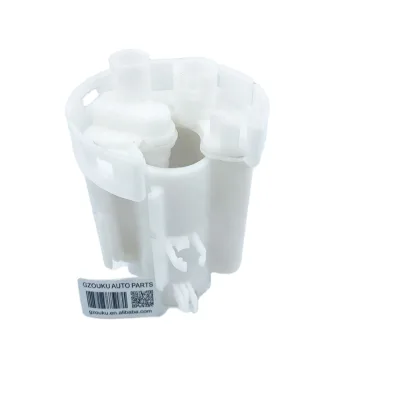
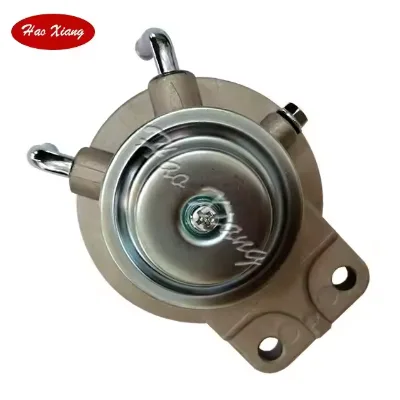
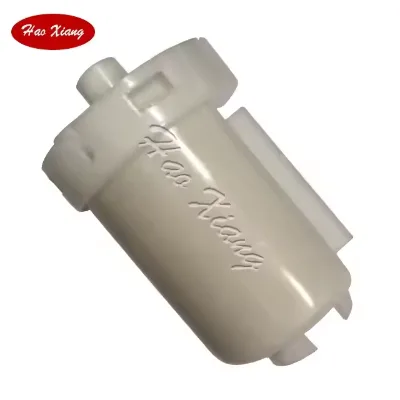
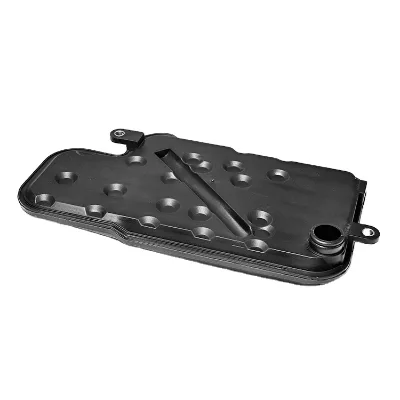
When sourcing replacement components for the Mitsubishi Pajero, specifically the fuel filter, buyers must navigate a complex matrix of technical specifications that often vary between vehicle generations and regional market requirements. The core keyword "Mitsubishi Pajero Fuel Filter" implies a need for a component that ensures the engine receives clean fuel, protecting sensitive injection systems from particulate contamination. Based on available product data, the market offers filters classified under distinct structural types, including "Cartridge Filter," "Filter Element/Assy," and "Panel Filter." While some listings explicitly mention "Air Filter" or "Liquid" application contexts, the specific requirement for a fuel filtration system demands a rigorous verification of the "Structure" attribute to ensure compatibility with the Pajero's fuel delivery architecture.
The material composition is a critical differentiator in this category. Observed data indicates the use of "Filter Paper," "Non-Woven" materials, and "Paper Core" constructions. These materials are selected for their ability to trap contaminants while maintaining fuel flow rates. However, the "Filtration Grade" varies significantly across listings, ranging from "Pre Filter" to "Hepa Filter." For a heavy-duty vehicle like the Pajero, the filtration grade must be appropriate for the specific fuel type and engine design. A "Pre Filter" might be suitable for initial coarse filtration, whereas the main fuel filter requires a higher efficiency grade to protect the high-pressure common rail system. Buyers should not assume that a "Hepa Filter" designation, often associated with air purification, is directly applicable to liquid fuel systems without explicit manufacturer confirmation. The "Pattern" is noted as "Dry," which is standard for most fuel filtration applications, but the physical dimensions, such as the "Original Size" or specific package dimensions like "20X5X3 cm," must be cross-referenced against the vehicle's service manual to ensure a proper fit within the fuel line housing.
Compliance Verification and Certification Standards
In the B2B procurement of automotive parts, particularly for international markets, verifying compliance and certification is paramount. The supplied product information references a "Standard" classification and mentions "High-Quality" and "Safe and Durable" attributes. However, these are general marketing descriptors rather than specific regulatory certifications. Buyers must independently verify if the products meet international automotive standards such as ISO/TS 16949 (now IATF 16949) for quality management systems in the automotive sector. The origin of the products is listed as "Hebei, China" or "Gaungzhou/China," indicating a concentration of manufacturing in specific industrial hubs. While the "Standard" attribute is mentioned, the specific standard number (e.g., GB, JIS, or ISO) is not provided in the general data.
Procurement teams should request explicit documentation regarding the "prod_standard" to ensure the filters meet the emission and safety regulations of the destination country. For instance, if importing into the European Union, the component must comply with REACH regulations regarding chemical substances. Similarly, for markets in North America, adherence to SAE (Society of Automotive Engineers) standards is often required. The "Quality" attribute is frequently described as "High-Quality," but this is an observation rather than a verified claim. Buyers should demand third-party test reports that validate the filtration efficiency, burst pressure resistance, and material compatibility with diesel or gasoline fuels. Without specific certification data in the initial listing, the burden of proof shifts to the buyer to conduct a pre-shipment audit or request a Certificate of Analysis (CoA) from the supplier. The "Warranty" terms, such as "10000 Miles" or "Half Year," provide a baseline for performance expectations but do not substitute for formal quality certifications.
Cost Drivers and Pricing Dynamics
The pricing structure for Mitsubishi Pajero fuel filters is influenced by several variables, including material costs, manufacturing complexity, and logistics. The observed price range in the market spans from $0.99 to $36.00 USD. This wide disparity suggests a significant variation in product quality, brand reputation, and specification accuracy. The lower end of the spectrum, around $0.99, likely corresponds to generic, unbranded, or "Neutral Packing" items that may lack advanced filtration media or rigorous quality control. In contrast, the higher price points, approaching $36.00, may reflect branded products, such as those associated with the "XYWPER" brand, or filters with specialized features like enhanced "Hepa Filter" grades or specific "Cartridge Filter" designs tailored for high-performance engines.
Several factors drive these costs. The "Material" used, whether "Filter Paper" or "Non-Woven," impacts the unit price. Higher-grade materials that offer superior contaminant retention and longer service life command a premium. Additionally, the "Single gross weight" of 0.300 kg and the "Single package size" of 20X5X3 cm influence shipping costs, which are a significant component of the total landed cost for international buyers. The "MOQ" (Minimum Order Quantity) ranges from 1 to 500 units, allowing flexibility for both small retailers and large distributors. Buyers should be aware that "Neutral Packing" is a common option, which can reduce packaging costs but may affect the perceived value in certain retail markets. The "Price" attribute often states "Reasonable" or directs inquiries for the "Latest Price," indicating that the final cost is subject to negotiation based on volume and payment terms. Understanding these cost drivers helps buyers balance the trade-off between initial acquisition cost and long-term reliability.
Typical Applications and Vehicle Compatibility
The primary application for these fuel filters is the "Auto Engine," specifically designed for the "MITSUBISHI Canter (FE5, FE6) 6.Generation" as noted in the product data. However, the core keyword focuses on the "Mitsubishi Pajero," a distinct vehicle platform. This discrepancy highlights a critical risk in sourcing: the potential for misidentification of part numbers across different Mitsubishi models. The "OE NO." (Original Equipment Number) listed as "MD620563" and "MR450555" must be meticulously matched against the specific Pajero model year and engine code. While some listings mention "For MITSUBISHI Canter," buyers must verify if the same part number or a compatible variant exists for the Pajero. The "Classification" is listed as both "Air Filter" and "Fuel Filter" in different entries, necessitating a careful review of the "Application" field to ensure the product is intended for "Liquid" fuel systems rather than air intake.
The "Structure" of the filter, whether "Filter Element/Assy" or "Cartridge Filter," must align with the Pajero's fuel system design. Some Pajero models utilize a spin-on cartridge, while others may require a replaceable element within a housing. The "Color" of the filter, observed as "Yellow" or "Black," can sometimes serve as a visual identifier for specific part families, but it should not be the sole criterion for selection. Buyers should prioritize the "prod_model" numbers, such as "MR571476" or "MR450555," as the primary reference for compatibility. The "Customization" attribute being "Available" suggests that suppliers may offer tailored solutions, but this should be approached with caution to ensure that customizations do not compromise the filter's integrity or the vehicle's warranty.
Supplier Evaluation and Service Capabilities
Selecting a reliable supplier is as important as selecting the right part. The data indicates that suppliers offer "24h/7days" service and "Good Service," but these are general claims that require validation. A robust supplier evaluation should include an assessment of their "Delivery" capabilities, with some listings noting "Two Days After Receive Your Payment." This rapid turnaround is advantageous for urgent procurement needs but may indicate a drop-shipping model or a warehouse located near major logistics hubs. The "Shipping" options, including "Air Sea Express Delivery," provide flexibility for different budget and time constraints.
Buyers should verify the "Sample" availability, as the data confirms "Sample Is Ok.Available." Requesting a physical sample is a critical step in the evaluation process to inspect the build quality, material thickness, and sealing integrity. The "Payment" terms are described as "as Your Request," suggesting flexibility, but buyers should establish clear terms regarding currency, payment methods, and credit limits. The "Brand Name" "XYWPER" appears in the data, but the market also contains numerous unbranded or "Neutral" options. A reputable supplier should be able to provide a clear supply chain history, including the "Place of Origin" (Hebei or Guangzhou), and demonstrate a track record of consistent quality. The "Warranty" terms, such as "10000 Miles" or "Half Year," should be clearly defined in the contract, outlining the process for claims and replacements.
Quality Control and Long-Term Procurement Strategy
Ensuring long-term success in sourcing fuel filters requires a proactive quality control strategy. The "Quality" attributes listed as "High-Quality" and "Safe and Durable" are observations that must be validated through testing. Buyers should implement a sampling plan based on the "MOQ" range, inspecting a statistically significant number of units from each batch. Key quality checks include verifying the "Filtration Grade," ensuring the "Material" matches the specification (e.g., "Paper Core" vs. "Non-Woven"), and confirming the "Structure" integrity. The "Pattern" being "Dry" should be confirmed to ensure there are no moisture-related defects in the paper media.
For long-term procurement, buyers should consider the "Customization" options to align the product with specific operational requirements. Establishing a long-term partnership with a supplier who offers "Good Service" and reliable "Delivery" times can mitigate supply chain disruptions. The "Package" details, such as "Neutral Plastic Bag and Neutral Outer Carton," should be evaluated for their ability to protect the product during transit, especially given the "Single gross weight" of 0.300 kg. A well-packaged product reduces the risk of damage and ensures the filter arrives in optimal condition. Finally, buyers should maintain a clear record of the "prod_model" and "OE NO." for each batch to facilitate future reordering and ensure continuity in the supply chain. By adhering to these rigorous standards, buyers can secure high-performance fuel filters that meet the demanding requirements of the Mitsubishi Pajero.
FAQs
What material is used for the Mitsubishi Pajero Fuel Filter?
The filter uses Filter Paper, Non-Woven, or Paper Core materials. These materials are selected to trap contaminants while maintaining fuel flow rates for the auto engine application.
Which structure types are available for this fuel filter?
Available structures include Filter Element/Assy, Panel Filter, and Cartridge Filter. Buyers must verify the specific structure matches the Pajero fuel system design before purchasing.
Can I find a Mitsubishi Pajero Fuel Filter with a warranty?
Yes, some listings offer a warranty of 10000 Miles or Half Year. These terms provide a baseline for performance expectations but do not substitute for formal quality certifications.
How is the product packaged for shipping?
The product typically uses Neutral Packing, Neutral Plastic Bag, or Neutral Outer Carton. This packaging protects the item during transit while reducing initial packaging costs for bulk orders.
What is the lead time for delivery after payment?
Delivery occurs Two Days After Receive Your Payment for some suppliers. This rapid turnaround is advantageous for urgent needs but may indicate a warehouse near major logistics hubs.
Which locations manufacture these auto parts?
Products originate from Hebei, China, or Gaungzhou, China. These locations indicate a concentration of manufacturing in specific industrial hubs within the region.
What is the minimum order quantity for this item?
The MOQ ranges from 1 to 500 units depending on the supplier. This flexibility allows both small retailers and large distributors to place orders without excessive inventory commitment.
Can I request a sample before placing a bulk order?
Yes, samples are available upon request for quality inspection. Requesting a physical sample is a critical step to verify build quality and material thickness before committing to a large purchase.