Source Modern Aluminum Outdoor Dining Table and Chair Set for Bar Hotel Restaurant
Compare 30 listings of Modern Aluminum Outdoor Dining Table and Chair Set options from verified suppliers. Buyers can evaluate customization, materials, and delivery times for bar, hotel, and restaurant applications; compare the available evidence and request quotations based on your requirements.
Updated
Key considerations
Products List


Modern Outdoor Leisure Aluminum Restaurant Dining Table and Chairs Garden Set
$99.00 - $297.00
MOQ: 1 Pieces


Aluminum Outdoor Furniture with Six Chairs and Table Garden Dining Set
$870.00 - $899.00
MOQ: 10 Pieces


Modern Patio Outdoor Garden Furniture Dining Aluminum Table and Chair Set
$175.00 - $185.00
MOQ: 100 Sets

Modern Outdoor Leisure Aluminum Restaurant Dining Table and Chairs Garden Set
$175.00 - $200.00
MOQ: 100 Sets


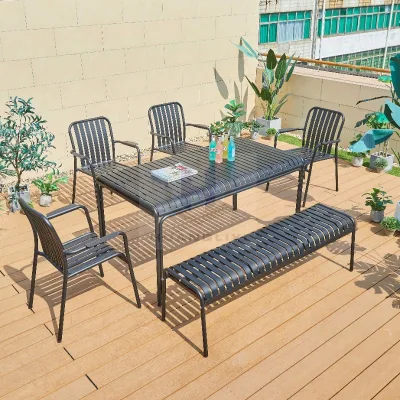


Durable Restaurant Outdoor Furniture Aluminum Dining Table and Chair Set
$69.99 - $259.99
MOQ: 10 Pieces


Aluminum Dining Table and Chair Outdoor Wood Dining Table Set for Restaurant
$209.00 - $229.00
MOQ: 2 Pieces


Bar Luxury Modern Outdoor Furniture Aluminum Garden Dining Table and Chairs Set
$69.99 - $299.99
MOQ: 5 Pieces

Outdoor Furniture Leisure Style Dining Aluminum Table and Chair Set for Restaurant
$109.00 - $229.00
MOQ: 10 Sets
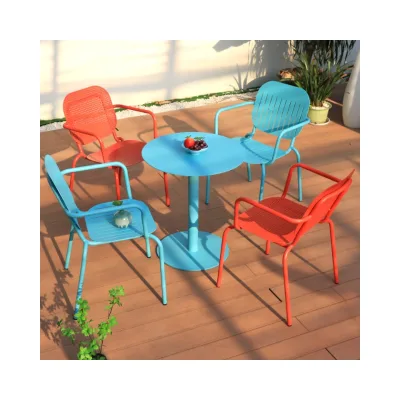
Modern Garden Yard Outdoor Aluminum Dining Table and Chair Set Outdoor Garden Furniture Sets
$263.3878 - $296.2729
MOQ: 10 sets
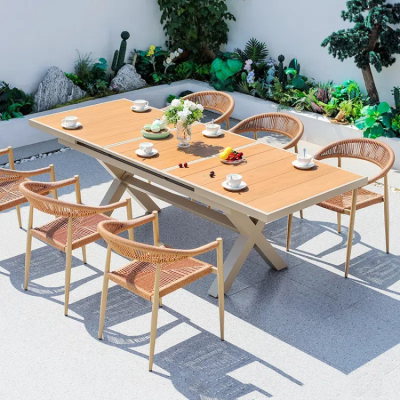
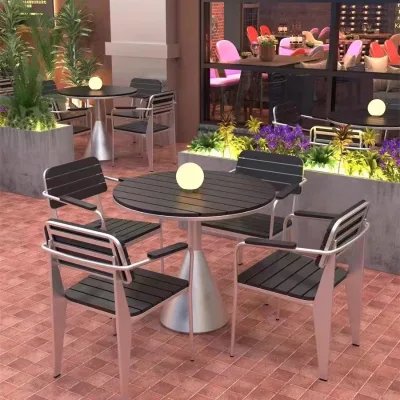

Comprehensive Sourcing Guide
Modern Aluminum Outdoor Dining Table and Chair Set Sourcing Guide
Procuring modern aluminum outdoor dining sets requires a strategic balance between aesthetic appeal and structural durability, particularly for high-traffic commercial environments. Buyers must recognize that while aluminum offers superior corrosion resistance compared to steel, the quality of the alloy and the finishing process significantly impact longevity. The observed market data indicates a wide price range from $33.50 to $3,000, reflecting variations in material thickness, design complexity, and included accessories such as waterproof cushions. Understanding these cost drivers is essential for establishing realistic budget expectations and avoiding low-quality imports that may fail under rigorous outdoor conditions.
The sourcing landscape is dominated by manufacturers in Foshan and Guangdong, China, which are established hubs for furniture production. These regions offer robust supply chains for both aluminum frames and complementary materials like wood or metal mesh. Buyers should prioritize suppliers who demonstrate flexibility in customization, as many listings support OEM and ODM services. This capability allows businesses to tailor dimensions, colors, and styles to match specific brand identities or architectural themes. Verifying the supplier’s ability to handle custom orders ensures that the final product aligns with the intended application, whether it is a beachfront cafe, a hotel patio, or a private residence.
Product Scope and Observed Listing Signals
The current market offers diverse configurations, ranging from simple folding tables to comprehensive dining sets with integrated seating. Observed listings highlight products like the KM2380, which utilizes wood materials and adheres to European styling, catering to buyers seeking a classic aesthetic with modern durability. In contrast, models such as the KM7508 and DT2604A focus on aluminum alloy construction, emphasizing lightweight portability and modern design. These variations allow buyers to select products based on specific usage scenarios, such as outdoor parks, restaurants, or hotel apartments, ensuring that the furniture meets both functional and visual requirements.
Packaging and delivery methods are critical signals of product quality and supplier reliability. Many suppliers offer carton or wooden box packaging to protect items during transit, with some providing mail packing options for smaller components. The observed fast delivery times of 7-35 days suggest efficient logistics networks, which are crucial for projects with tight deadlines. Buyers should verify the specific packing standards, such as standard packing or customized solutions, to ensure that items arrive without damage. Additionally, the availability of unfolded or folded states impacts storage and installation logistics, making it a key consideration for large-scale procurement.
Technical Specifications to Verify
Frame construction is the primary determinant of structural integrity for aluminum dining sets. Buyers must verify the type of aluminum alloy used, as powder-coated aluminum frames offer enhanced resistance to weathering and physical impact. Specifications such as the HKE202601031728 model indicate customizable sizes and colors, allowing for precise integration into existing outdoor spaces. The presence of quick-drying foam and outdoor fabric cushions adds comfort and functionality, but buyers should confirm the waterproof properties of these materials to prevent mold and degradation. Ensuring that the frame and cushions are compatible with the intended environment is essential for long-term satisfaction.
Dimensional accuracy and weight capacity are vital for safety and usability. Standard dimensions like 800800600 provide a baseline for table sizes, but customization options allow for tailored solutions. Buyers should request detailed technical drawings to verify load-bearing capabilities and stability, especially for sets intended for high-traffic areas. The absence of armrests in some models, such as the KM7508, may be suitable for space-constrained environments, while others may require specific ergonomic features. Confirming these technical details with the supplier prevents mismatches between product specifications and site requirements, reducing the risk of returns or modifications.
Compliance and Safety Documentation
Certifications serve as a critical indicator of manufacturing quality and regulatory compliance. The presence of ISO9001, FSC, and EN581 certifications in observed listings suggests adherence to international standards for quality management, sustainable forestry, and outdoor furniture safety. Buyers should request valid certification documents to verify that the supplier maintains these standards consistently. EN581, in particular, is relevant for outdoor furniture, ensuring that products meet specific safety and performance criteria. These certifications provide assurance that the materials and construction processes have been independently evaluated, reducing liability risks for the buyer.
Warranty terms and after-sales support are essential components of the procurement agreement. Observed warranties range from 2 to 5 years, reflecting the supplier’s confidence in their product’s durability. Buyers should clearly define the scope of the warranty, including coverage for frame integrity, cushion fabric, and finish degradation. A comprehensive warranty policy indicates a supplier’s commitment to long-term customer satisfaction. Additionally, understanding the claim process and response times is crucial for managing potential issues efficiently. Clear documentation of warranty terms protects the buyer’s investment and ensures that defects are addressed promptly.
Cost Drivers and Commercial Terms
Minimum Order Quantities (MOQ) vary significantly, ranging from 1 set to 134 units, influencing the total cost per unit. Lower MOQs are beneficial for small businesses or trial orders, while higher volumes often result in better pricing due to economies of scale. Buyers should negotiate MOQs based on their storage capacity and sales projections to avoid excess inventory. The observed MOQ of 1 set for some products offers flexibility for niche markets, while the 5 PCS MOQ for aluminum sets suggests a balance between accessibility and production efficiency. Understanding these thresholds helps in planning procurement cycles and managing cash flow effectively.
Lead times and payment terms are key commercial factors that impact project timelines. Delivery times of 30-40 days are common for customized orders, while faster options of 7-35 days may be available for standard items. Buyers should align lead times with their installation schedules to avoid delays. Payment terms, such as deposits and balance payments upon shipment, should be negotiated to mitigate financial risk. Clear communication regarding production schedules and shipping logistics ensures that both parties are aligned. Flexibility in these terms can provide competitive advantages and smoother project execution.
Supplier Qualification and Quality Control
Supplier location and manufacturing capabilities are important indicators of reliability. Proximity to production hubs like Foshan and Guangdong often correlates with better access to raw materials and skilled labor. Buyers should assess the supplier’s production capacity and quality control processes to ensure consistent output. Requesting factory audits or third-party inspections can provide insights into manufacturing standards and operational efficiency. Suppliers who support OEM and ODM services demonstrate adaptability and technical expertise, which are valuable for custom projects. Verifying these qualifications reduces the risk of supply chain disruptions and quality issues.
Quality control measures should be integrated into the procurement process to ensure product consistency. Buyers should specify inspection points, such as frame welding, powder coating thickness, and cushion stitching, in the purchase agreement. Pre-shipment inspections are recommended to verify that products meet agreed-upon specifications before dispatch. Establishing clear quality benchmarks and communication channels with the supplier facilitates timely resolution of any discrepancies. A proactive approach to quality control enhances product reliability and customer satisfaction, protecting the buyer’s brand reputation in the market.
Long-Term Procurement Checks
Sustainability and material sourcing are increasingly important considerations for modern buyers. The use of FSC-certified wood and recycled aluminum supports environmental responsibility and appeals to eco-conscious consumers. Buyers should inquire about the supplier’s sustainability practices, including waste management and energy efficiency in production. Aligning procurement with sustainability goals can enhance brand value and comply with emerging regulatory requirements. Long-term partnerships with suppliers who prioritize sustainable practices contribute to a resilient and responsible supply chain.
Maintenance and lifecycle costs are critical for evaluating the total cost of ownership. Aluminum furniture generally requires low maintenance, but buyers should confirm cleaning and care instructions to preserve appearance and functionality. Regular inspections and timely repairs can extend the lifespan of the furniture, reducing replacement costs. Buyers should develop a maintenance plan that includes routine checks for frame stability and cushion condition. Investing in high-quality materials and proper care ensures that the furniture remains attractive and functional over time, delivering long-term value to the business.
FAQs
Can I customize the color and size of the aluminum outdoor dining set?
Yes, customization is available for both color and size. The product supports OEM and ODM services, allowing style modifications and specific dimension requests. This ensures the furniture fits your unique outdoor space requirements while maintaining the durable aluminum frame construction.
What certifications do the outdoor dining furniture sets hold?
The products hold ISO9001, FSC, and En-581 certifications. These standards ensure quality management, sustainable material sourcing, and compliance with European safety norms for outdoor furniture. Buyers can verify these credentials to meet specific regulatory or sustainability requirements for their projects.
What is the typical lead time for delivery of these sets?
Fast delivery times range from 7 to 35 days, while standard delivery may take 30 to 40 days. The exact timeline depends on order volume and customization needs. Buyers should confirm specific schedules with suppliers to align with their project deadlines effectively.
What materials are used in the frame and cushions?
Frames are constructed from powder-coated aluminum alloy for durability. Cushions feature outdoor fabric and quick-drying foam, which are waterproof and designed for long-term outdoor use. Some variants may include wood elements, but the primary structural material remains robust aluminum for weather resistance.
What is the minimum order quantity for these dining sets?
The MOQ varies by product model, ranging from 1 set to 5 pieces. Specific models like KM2380 have an MOQ of 1 set, while others like HKE202601031728 require 5 pieces. Buyers should check the specific model requirements to determine the exact minimum order.
Where are these aluminum dining sets manufactured?
These sets are manufactured in Foshan, Guangdong, China. The region is known for its furniture production capabilities. Buyers can source directly from these locations to ensure quality control and efficient logistics for international shipping of the outdoor dining furniture collections.