Source Waterproof UV-Resistant Outdoor Daybed for Hotels Parks
Compare 30 waterproof uv-resistant outdoor daybed options from verified suppliers. These units feature aluminum or teak frames, foam cushions, and durable fabrics suitable for hotels, parks, and courtyards. Buyers can review modern designs, eco-friendly materials, and specific use cases like leisure facilities or schools to find the right fit for their outdoor projects.
Updated
Key considerations
Products List
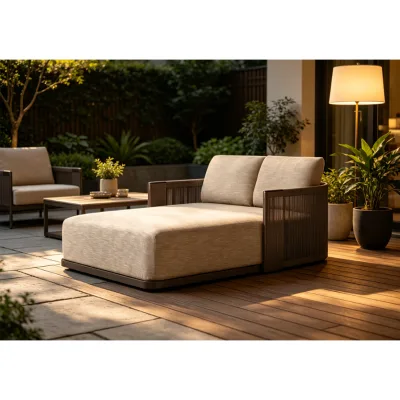
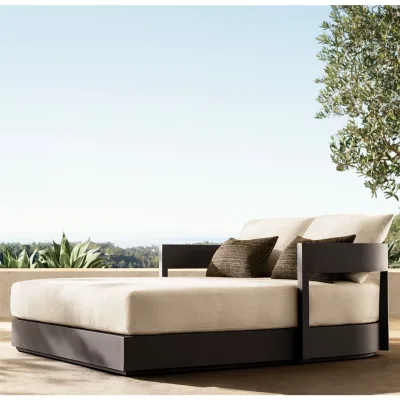
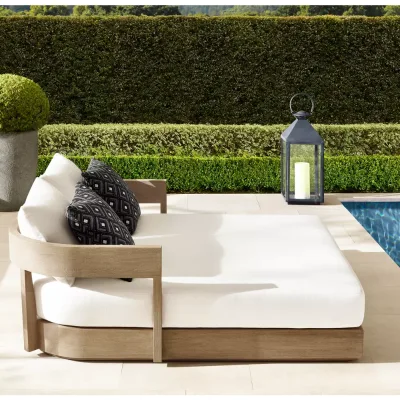
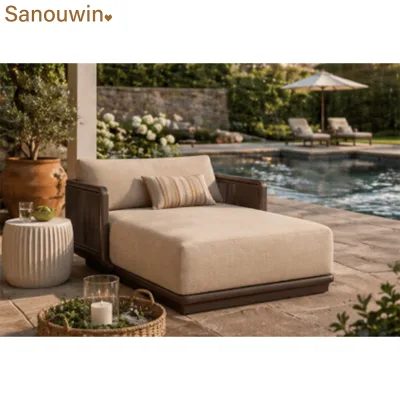


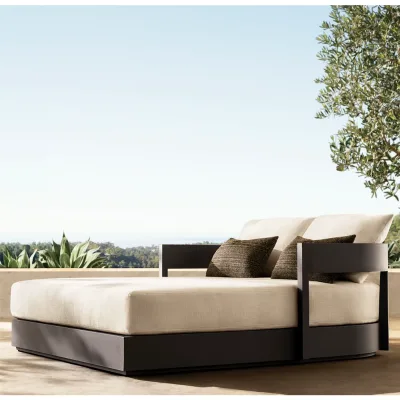
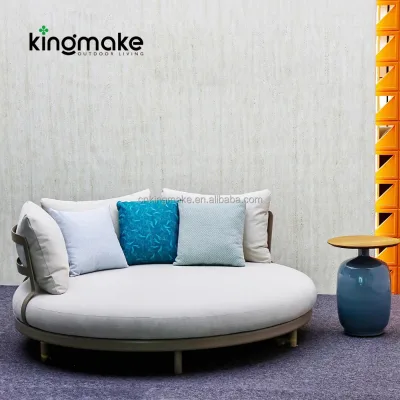
UV-Resistant Waterproof Outdoor Garden Furniture Daybed for Hotel&Villa
$870.00 - $910.00
MOQ: 5 Pieces

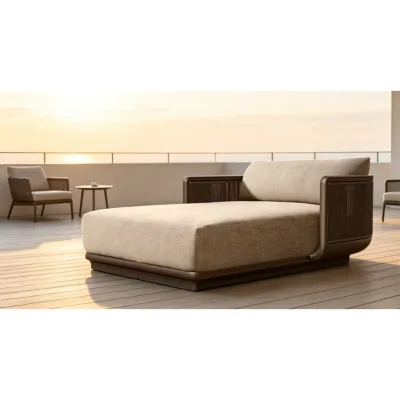
Hotel Outdoor Weather Resistant Daybed for Sunbathing Swimming Pool Garden Backyard
$219.00 - $320.00
MOQ: 1 Pieces


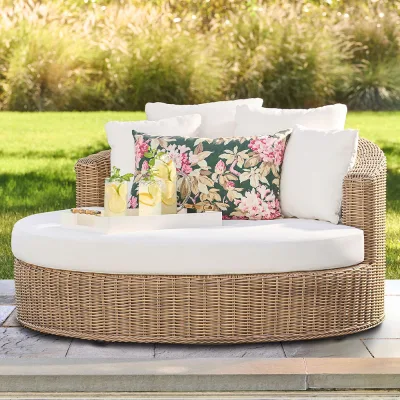
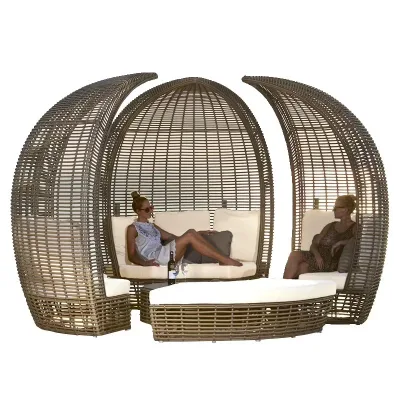
Luxury Waterproof Wicker Outdoor Daybed with High-Resiliency Foam Core Cushiong
$300.00 - $350.00
MOQ: 5 Pieces

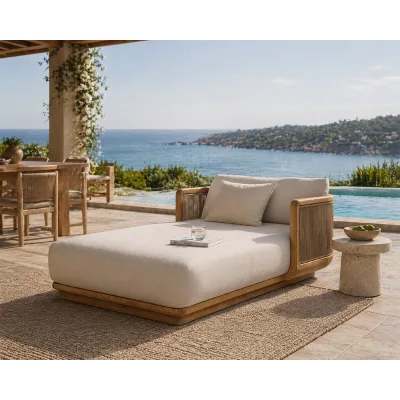
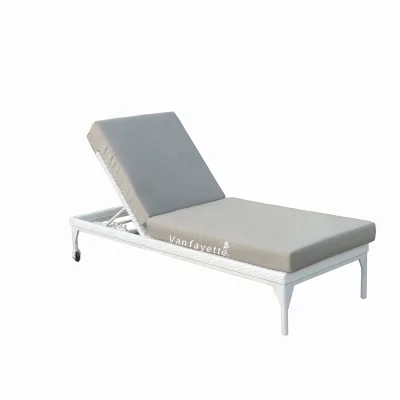
Waterproof Adjustable Reclining Aluminum Garden Outdoor Furniture Daybed with Canopy
$940.00 - $980.00
MOQ: 5 Pieces

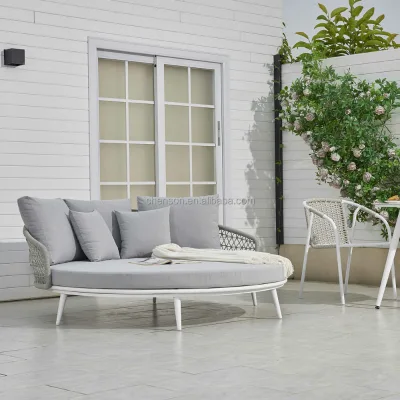
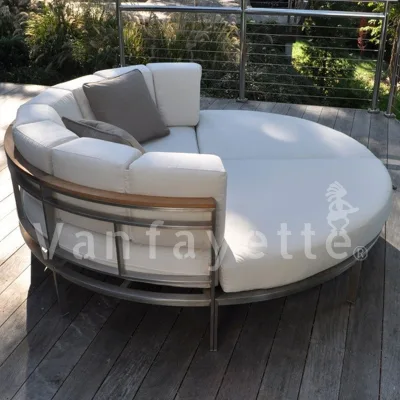
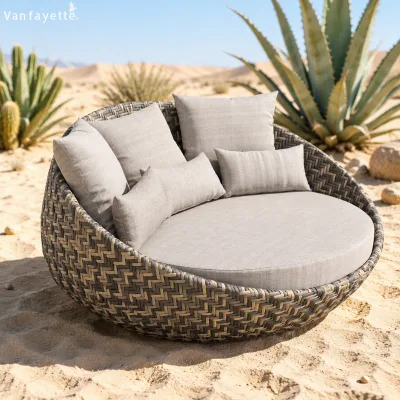
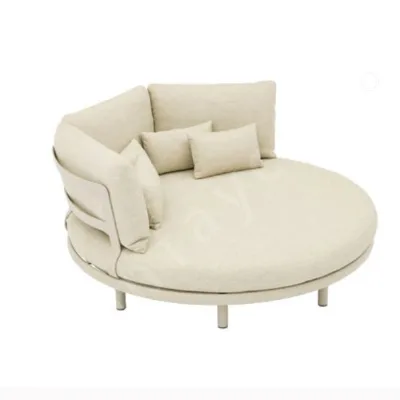


Comprehensive Sourcing Guide
Waterproof UV-Resistant Outdoor Daybed Sourcing Guide
Procuring high-performance outdoor daybeds requires a strategic focus on material integrity and environmental resilience, particularly for projects in high-sunlight or humid climates. Buyers must prioritize products that explicitly combine waterproof fabrics with UV-resistant treatments to prevent premature fading, cracking, or structural degradation. The observed market signals indicate a strong preference for modern aesthetics paired with durable construction, where aluminum and solid wood serve as primary frame materials. Aluminum offers lightweight corrosion resistance, while solid wood, such as teak, provides natural durability and a premium tactile experience. Understanding these material distinctions is the first step in aligning product selection with specific project requirements, whether for luxury hotels, public parks, or private courtyards.
Beyond material selection, the integration of high-quality cushioning systems is critical for both comfort and longevity. Successful sourcing involves verifying that foam cores are encased in water-resistant, colorfast fabrics that resist mold and mildew growth. The presence of embossed logos or specific back styles, such as solid backs, can influence brand identity and user experience, requiring careful attention to detail during the design phase. Buyers should also consider the functional aspects of the daybed, ensuring that features like tapered legs or specific dimensions align with spatial constraints. By focusing on these tangible attributes, procurement teams can mitigate risks associated with poor weather performance and ensure that the final installation meets both aesthetic and functional expectations.
Product Scope and Observed Listing Signals
The current market landscape for outdoor daybeds reveals a diverse range of options tailored to various commercial and residential applications. Listings frequently highlight suitability for outdoor settings, including hotels, schools, leisure facilities, parks, and courtyards, indicating a broad applicability across different sectors. The observed product attributes suggest a strong emphasis on modern design elements, with many items featuring sleek lines and contemporary finishes. Buyers should note that while some products are marketed as sun loungers, others are classified as garden furniture or patio seating, which may influence installation requirements and user interaction. Understanding these categorizations helps in selecting the right product for specific use cases, ensuring that the furniture not only looks appropriate but also functions effectively in its intended environment.
In addition to design and application, the availability of customization options plays a significant role in the sourcing decision. Many suppliers offer tailored solutions, allowing buyers to specify colors, fabrics, and even structural modifications to meet unique project needs. The presence of features such as armrests, specific cushion types, and waterproof fabrics further enhances the versatility of these products. Buyers should also consider the condition of the products, with new items being the standard offering in the market. By leveraging these customization capabilities, procurement teams can create cohesive outdoor spaces that reflect brand identity while meeting the practical demands of high-traffic areas. This flexibility is particularly valuable for large-scale projects where consistency and quality control are paramount.
Technical Specifications to Verify
When evaluating technical specifications, buyers must scrutinize the dimensional accuracy and structural integrity of the daybeds. Observed sizes vary, with common dimensions including widths around 57-59 inches and depths near 68-69 inches, providing ample space for relaxation. It is crucial to verify the height specifications, particularly the difference between the frame height and the total height with cushions, as this impacts accessibility and aesthetic proportion. The inclusion of cushions is a standard feature, but the quality of the foam and the water-resistant properties of the fabric must be confirmed through detailed product descriptions or direct supplier inquiry. Ensuring that the cushioning system is robust and resistant to moisture will significantly extend the lifespan of the daybed and maintain its comfort over time.
Material composition is another critical technical aspect that requires careful verification. Aluminum frames are often chosen for their lightweight nature and resistance to rust, making them ideal for coastal or humid environments. Conversely, solid wood options, such as teak, offer superior durability and a natural aesthetic that ages gracefully. Buyers should confirm the type of wood used and whether it has been treated for UV resistance and waterproofing. Additionally, the fabric used for cushions should be explicitly described as UV protection, water-proof, and colorfast to ensure it can withstand prolonged exposure to sunlight and rain. By focusing on these technical details, buyers can make informed decisions that balance aesthetic appeal with long-term performance and maintenance requirements.
Compliance and Safety Documentation
While specific certification standards are not explicitly detailed in the observed listings, buyers should proactively request documentation related to material safety and environmental compliance. Products marketed as eco-friendly should be supported by verifiable claims regarding sustainable sourcing or manufacturing processes. For outdoor furniture, it is essential to ensure that the materials used do not contain harmful chemicals that could leach into the environment or pose health risks to users. Buyers should inquire about the presence of any relevant safety certifications, particularly for the foam and fabric components, to ensure they meet international standards for flammability and toxicity. This due diligence is crucial for maintaining brand reputation and ensuring compliance with local regulations, especially in public spaces like schools and parks.
Furthermore, warranty terms provide valuable insights into the manufacturer's confidence in their product's durability. The observed warranty periods of 3-5 years suggest a reasonable expectation of product longevity, but buyers should clarify what is covered under this warranty. Understanding the scope of coverage, including whether it extends to fabric fading or frame corrosion, is vital for risk management. Buyers should also verify the supplier's return and replacement policies in case of defects or damage during transit. By establishing clear expectations regarding compliance and warranty, procurement teams can protect their investments and ensure that the purchased daybeds meet the required safety and quality standards throughout their lifecycle.
Cost Drivers and Commercial Terms
Several factors influence the cost structure of outdoor daybeds, with material choice being a primary driver. Aluminum frames typically offer a competitive price point due to mass production efficiencies, while solid wood options, particularly teak, command higher prices due to material scarcity and processing complexity. The inclusion of high-density foam and specialized waterproof fabrics also adds to the overall cost, reflecting the enhanced durability and comfort they provide. Buyers should consider the total cost of ownership, which includes maintenance and replacement costs over time, rather than just the initial purchase price. Investing in higher-quality materials and construction can lead to significant savings in the long run by reducing the frequency of replacements and repairs.
Commercial terms, such as minimum order quantities (MOQ) and lead times, also play a significant role in the procurement process. Observed MOQs range from 1 to 1000 units, offering flexibility for both small-scale and large-scale projects. Buyers should negotiate terms that align with their inventory management strategies and project timelines. Additionally, the availability of customization options may impact pricing and lead times, so it is important to discuss these details early in the sourcing process. By understanding the cost drivers and commercial terms, buyers can develop a realistic budget and timeline, ensuring that the procurement process runs smoothly and that the final delivery meets the project's deadlines and financial constraints.
Supplier Qualification and Quality Control
Selecting the right supplier is critical to ensuring the quality and reliability of the outdoor daybeds. Buyers should prioritize suppliers with a proven track record in manufacturing high-quality outdoor furniture, particularly those with experience in exporting to international markets. Verifying the supplier's production capabilities, including their facility size and equipment, can provide insights into their ability to meet large orders consistently. Additionally, buyers should assess the supplier's quality control processes, including inspection protocols and testing procedures, to ensure that the products meet the specified standards. Requesting samples before placing a bulk order is a prudent step to evaluate the actual quality of the materials and craftsmanship.
Communication and responsiveness are also key indicators of a reliable supplier. Buyers should look for suppliers who are transparent about their processes and willing to provide detailed information about their products. This includes clear descriptions of materials, dimensions, and customization options, as well as prompt responses to inquiries and concerns. Establishing a strong relationship with the supplier can facilitate smoother negotiations and better support throughout the procurement process. By focusing on supplier qualification and quality control, buyers can mitigate risks and ensure that they receive products that meet their expectations in terms of quality, performance, and service.
Long-Term Procurement Checks
To ensure sustained value from outdoor daybed procurement, buyers should implement regular checks on product performance and supplier reliability. Monitoring the condition of the daybeds after installation can provide valuable feedback on their durability and resistance to environmental factors. Buyers should establish a maintenance schedule that includes regular cleaning and inspection of the cushions and frames to prevent premature wear and tear. This proactive approach can extend the lifespan of the furniture and maintain its aesthetic appeal over time. Additionally, gathering feedback from end-users can help identify any issues or areas for improvement, allowing for adjustments in future procurement decisions.
Supplier performance should also be evaluated periodically to ensure continued alignment with the buyer's needs. This includes assessing the supplier's ability to meet delivery deadlines, maintain consistent quality, and provide adequate after-sales support. Building a long-term partnership with a reliable supplier can lead to better pricing, priority service, and access to new product innovations. By implementing these long-term procurement checks, buyers can optimize their outdoor furniture investments and ensure that their spaces remain attractive and functional for years to come. This strategic approach to procurement not only enhances the user experience but also contributes to the overall success of the project.
FAQs
What materials are used for waterproof uv-resistant outdoor daybeds?
These daybeds are typically constructed from aluminum or solid teak wood. The aluminum frames provide lightweight durability, while teak offers natural resistance to weathering. Both materials are paired with high-density foam cushions covered in waterproof, UV-resistant, and colorfast fabric to ensure long-term performance in outdoor environments.
Can I customize the design of an outdoor daybed?
Yes, customization is available for many models. Buyers can often select specific colors, fabric patterns, and dimensions to suit their project needs. The product listings indicate that customized options are supported, allowing for tailored solutions that match specific architectural styles or interior design requirements for hotels and parks.
What is the typical warranty period for these daybeds?
The standard warranty period for these outdoor daybeds ranges from 3 to 5 years. This coverage typically applies to structural integrity and material defects. Buyers should verify specific warranty terms with the supplier, as conditions may vary based on the material choice, such as aluminum versus solid wood, and usage patterns.
How do I determine the correct size for my space?
Standard sizes include dimensions like 59 inches wide by 68 inches deep or 57 inches wide by 69 inches deep. The height is approximately 24 inches, rising to 31 or 32 inches with the cushion included. Measuring your available courtyard or patio area against these specifications ensures a proper fit.
Are the cushions included with the daybed frame?
Yes, cushions are included with the daybed. They are made from high-density, high-resilience foam and covered in waterproof outdoor fabric. This fabric is designed to be UV-resistant and colorfast, ensuring that the cushions maintain their appearance and comfort even after prolonged exposure to sunlight and outdoor weather conditions.
What is the minimum order quantity for bulk purchases?
The minimum order quantity ranges from 1 to 1000 units, depending on the supplier and customization requirements. Single item purchases are available for sampling, while larger orders benefit from bulk pricing. Buyers should confirm the specific MOQ with the manufacturer, as it may vary based on material selection and packaging needs.