Source Multi-use Camping Folding Table for Beach, Park, Mountain
Explore 30 listings for the multi-use camping folding table, comparing features like aluminum construction, foldable designs, and weights ranging from 2.5kg to 3.2kg. Buyers can evaluate options for beach, park, and mountain applications with various models available; compare the available evidence and request quotations based on your requirements.
Updated
Key considerations
Products List


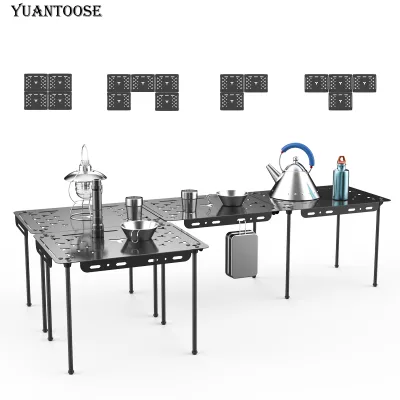
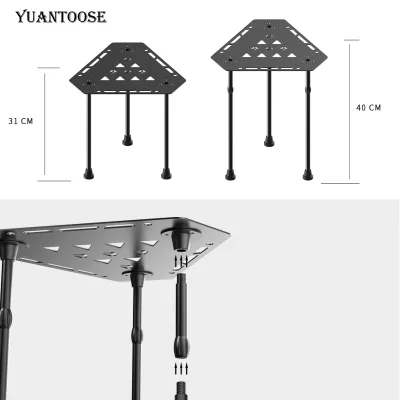
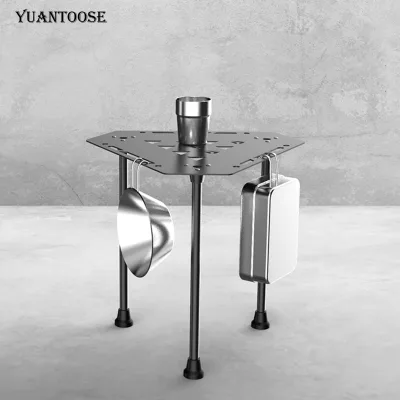
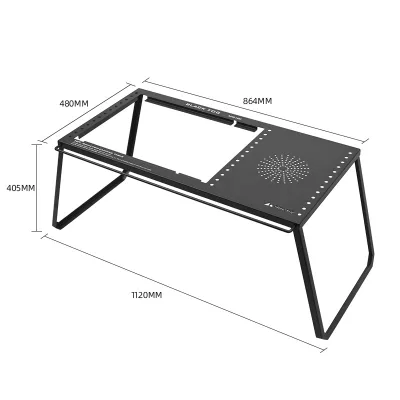
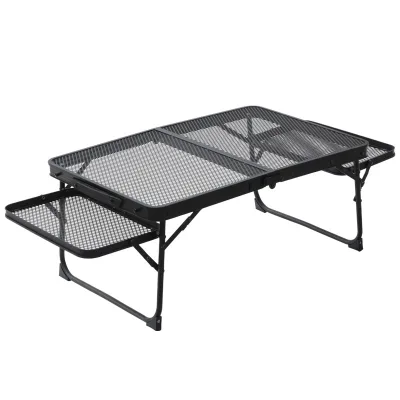


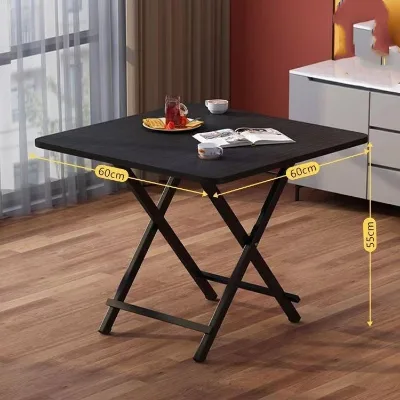
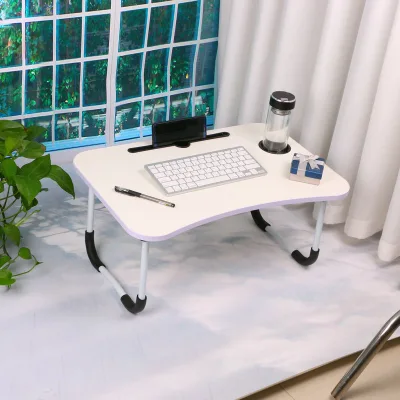
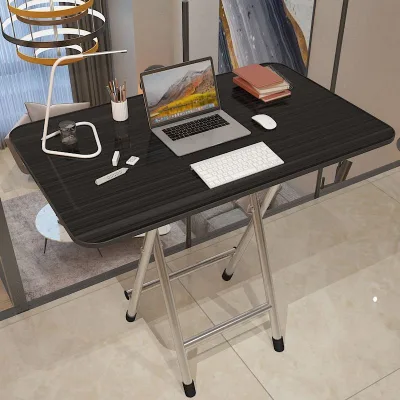
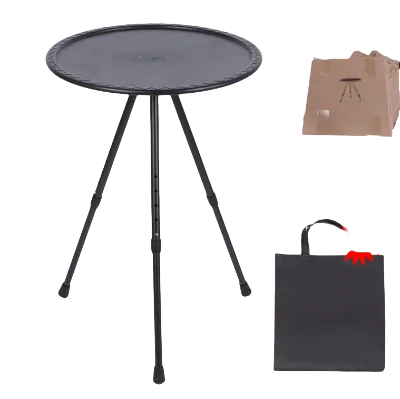
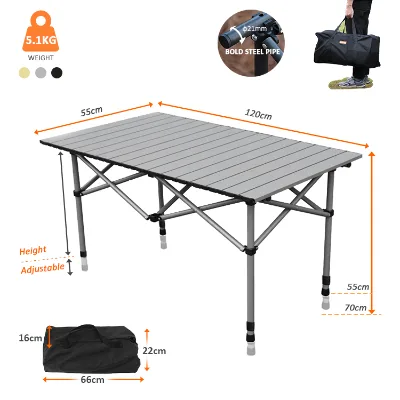


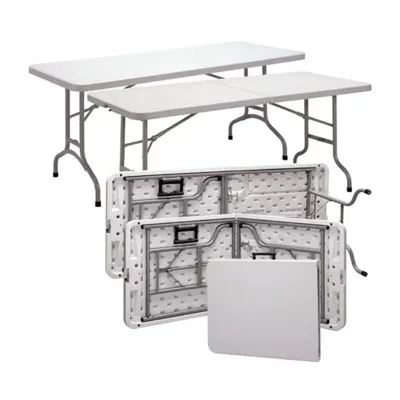

Eco-Friendly Wood Folding Table Multi-Layer Storage Camping Table for Outdoor
$16.16 - $21.00
MOQ: 200 Pieces


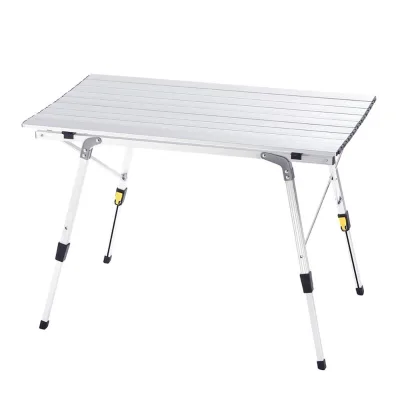
Height Adjustable Collapsible Camping Folding Table with Carrying Bag
$19.2412 - $25.0528
MOQ: 500 Minimum
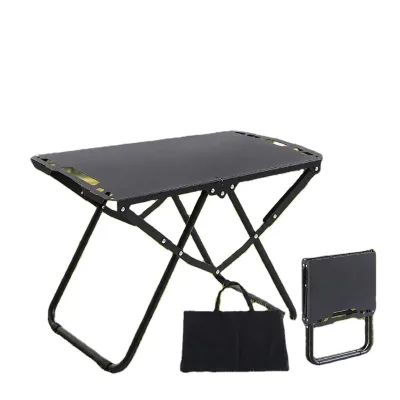
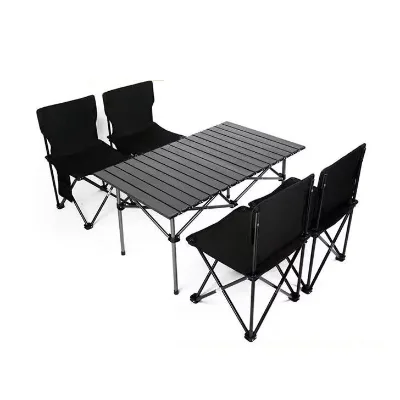


Folding Table Portable Outdoor Camping Picnic Garden Plastic Folding Table
$10.00 - $20.00
MOQ: 500 Pieces
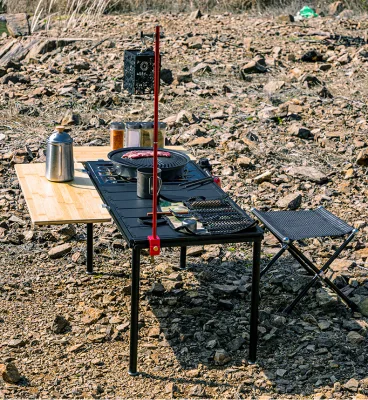
Comprehensive Sourcing Guide
Multi-Use Camping Folding Table Sourcing Guide
Procurement teams must first distinguish between static dining units and portable field equipment when sourcing multi-use camping folding tables. The available market data indicates a split between products designed for beach or park dining and those engineered specifically for hiking and travel. Buyers should verify whether the listed "Chinese" style or "Simple" design aligns with their specific operational environment, as the observed inventory includes items explicitly marked for "Outdoor Camping Hiking Travelling" alongside those intended for general "Kitchen" or "Park" use.
A critical initial decision involves confirming the customization status of the inventory, as the supply chain presents conflicting signals regarding product standardization. While some listings explicitly state "Customization: Available" and accept "Customized Logo," other entries are categorized as "Non-Customized" with no stock currently available. Sourcing managers must clarify if the requirement is for immediate off-the-shelf delivery of standard units or if the project timeline allows for a customized order, as the "No Stock" attribute suggests potential lead time delays for specific configurations.
Product Scope and Observed Listing Signals
The observed product scope reveals a diverse range of materials, primarily Aluminum Alloy and Carbon Steel, which dictates the intended weight class and durability profile for the buyer. Listings specify weights ranging from 2.5kg to 3.2kg, with dimensions varying significantly from compact 43x33x40.5 cm units to larger 59.5x29.5x46 cm packages. Buyers must carefully match these physical attributes to their logistical constraints, ensuring the selected table fits within their transport capacity while providing sufficient surface area for the intended "Multi-function Tools" or dining applications.
Signal analysis of the listings highlights a critical distinction between "Folded" and "Collapsible" features, alongside varying packing standards that affect shipping costs. Some products are described with "Carton" packing and specific single package sizes, while others note "Mail packing" as either "Y" or "N," indicating different levels of protection during transit. Procurement officers should prioritize items with verified packing details to prevent damage, especially when sourcing from "Zhejiang, China," where shipping distances may expose lighter aluminum units to handling risks if not properly secured.
Technical Specifications to Verify
Buyers must rigorously verify the dimensional specifications against their site requirements, as the observed data includes specific model numbers like E-2.0, FZ-01, and SZ-01 with distinct size profiles. The standard dimensions observed include a height of 31cm and a footprint of 43x33x40.5 cm, which may be insufficient for certain dining scenarios but ideal for compact hiking gear. It is essential to confirm the exact folded dimensions and the unfolded surface area to ensure the table meets the spatial needs of the "Outdoor Equipment Hiking Camping" application without compromising portability.
Material composition requires precise validation to ensure the table can withstand the intended environmental stressors, as the supply chain lists both "Aluminum" and "Carbon Steel" options. While aluminum is noted for its lightweight properties suitable for "Hiking Travelling," carbon steel variants may offer different structural rigidity for heavier loads. Procurement teams should request material test reports to confirm the "Metal Type" matches the product description, ensuring the selected unit possesses the necessary strength-to-weight ratio for its specific "General Use" classification.
Compliance and Safety Documentation
Safety documentation for outdoor furniture often lacks universal mandatory standards, yet buyers should verify if any products adhere to recognized industry benchmarks like ASTM F2743 or REACH regulations. Although these standards appear in background context, they should not be assumed as present in every listing without explicit confirmation from the supplier. Sourcing managers must request specific compliance certificates to ensure the materials used, particularly the "Aluminum Alloy" or "Carbon Steel," do not contain hazardous substances that could violate import regulations in the destination market.
Environmental and chemical compliance is increasingly critical for products marketed for "Beach, Mountain, Park" usage where direct contact with users is common. Buyers should inquire about surface treatments and coatings applied to the "Foldable" mechanisms to prevent corrosion or skin irritation during extended outdoor exposure. Since the "Product Name" often implies "Lightweight Compact Travel" utility, verifying that the finish meets safety standards for recreational equipment is a necessary step to mitigate liability and ensure user safety in public spaces.
Cost Drivers and Commercial Terms
Pricing structures for these tables vary significantly based on material composition, with observed ranges spanning from 2.45 to 120 USD, reflecting differences in aluminum versus steel construction and branding. The "Selling Units" are typically listed as "Single item," but the "MOQ" ranges from 2 to 1000 units, creating a complex cost landscape for small versus large procurement orders. Buyers must analyze the unit price against the minimum order quantity to determine the most economical path, considering that higher volume orders may unlock better rates but require larger upfront capital investment.
Commercial terms are heavily influenced by the "Stock" availability and the "Customization" requirements, which can drastically alter lead times and final costs. Listings indicating "No Stock" or requiring "Customized Logo" application often incur longer production cycles compared to ready-to-ship standard models. Procurement teams should negotiate clear delivery schedules and payment terms that account for these variables, ensuring that the "Place of Origin" in China does not result in unexpected delays that could disrupt the project timeline for "Outdoor Camping" events.
Supplier Qualification and Quality Control
Supplier qualification should focus on verifying the "Place of Origin" and the specific manufacturing capabilities in "Zhejiang, China" to ensure consistent quality control. Buyers must assess the supplier's ability to maintain the "New" condition of products and their track record for delivering items that match the described "Design Style" and "Function." It is advisable to request samples of the "Foldable" mechanisms to test the durability of the hinges and the stability of the legs before committing to a bulk order, as these are common failure points in portable furniture.
Quality control protocols must address the specific "Feature" set of each product, such as "Collapsible" designs or "Multi-function" capabilities, to ensure they perform as advertised. Since the "Product Name" often includes terms like "DIY Splicing" or "Portable," the assembly process should be straightforward and robust. Procurement teams should establish clear acceptance criteria for the "Single gross weight" and "Single package size" to verify that the delivered goods match the specifications provided in the initial listing, preventing discrepancies in the final shipment.
Long-Term Procurement Checks
Long-term procurement strategies require monitoring the consistency of the "Material" and "Weight" attributes across multiple orders to ensure product reliability over time. Buyers should track whether the "Aluminum" or "Carbon Steel" components maintain their structural integrity after repeated folding and unfolding cycles, as this directly impacts the lifespan of the equipment. Establishing a feedback loop with the supplier regarding any reported defects or wear patterns will help maintain the quality standards expected for "Outdoor Furniture" used in demanding environments.
Sourcing managers must also evaluate the supplier's responsiveness to "Customization" requests and their ability to adapt to changing market demands for "Outdoor Equipment." As the "Keyword" landscape shifts towards more specialized uses like "Kitchen" or "Park" applications, the supplier should demonstrate flexibility in modifying product designs or packaging. Regular audits of the supply chain will ensure that the "Brand Name" and product identity remain consistent, protecting the buyer's reputation when distributing these multi-use tables to end consumers.
FAQs
Can I customize the logo on the folding table?
Yes, customized logos are accepted for the multi-use camping folding table. The product supports customization options to meet specific branding needs. Buyers can request tailored designs to align with their corporate identity or event themes. This service allows for unique identification of the equipment during outdoor activities or commercial use.
What is the weight of the Yuantoose camping table?
The Yuantoose brand camping table weighs 2.5kg. This lightweight design facilitates easy transport for hiking and outdoor camping trips. The compact weight ensures that users can carry the table without significant burden. It is suitable for portable outdoor furniture requirements where mobility and ease of setup are essential priorities.
What are the dimensions of the E-2.0 model?
The E-2.0 model has a standard specification of 470*450*530mm. These dimensions provide a stable surface area for dining or general use. The size is optimized for outdoor environments such as parks, beaches, and mountains. Buyers should verify these measurements to ensure compatibility with their specific camping gear and space constraints.
Is the table made of aluminum or carbon steel?
The multi-use camping folding table is available in both aluminum alloy and carbon steel materials. Aluminum variants offer lightweight portability, while carbon steel options provide durability. The specific metal type depends on the model selected, such as the FZ-01 or SZ-01. Buyers should check the product details to confirm the material composition for their intended application.
What is the minimum order quantity for this table?
The minimum order quantity ranges from 2 to 1000 units. This flexible MOQ accommodates both small sample orders and larger bulk purchases. Buyers can negotiate quantities based on their specific sourcing requirements. The range allows for scalable procurement strategies for retailers, distributors, or individual outdoor enthusiasts seeking reliable camping equipment.
Where is the camping table manufactured?
The camping table is manufactured in Zhejiang, China. This location is a known hub for outdoor furniture production. Buyers sourcing from this region benefit from established supply chains and manufacturing capabilities. The origin ensures consistent quality standards and efficient logistics for international shipments to global markets.
Does the table come with a warranty?
The product is listed as new condition with no specific warranty details provided in the current facts. Buyers should contact suppliers directly to inquire about warranty terms and after-sales support. Understanding the warranty coverage is crucial for long-term use in outdoor environments. It is recommended to verify service agreements before placing bulk orders.