Fiberglass Single Pebble Patio Chair Suppliers and Manufacturers
Compare 23 verified suppliers offering fiberglass single pebble patio chairs with customizable colors, OEM support, and lead times ranging from 7 to 35 days. Review product specifications and response times to select a factory in Guangdong, China for your outdoor furniture needs.
Updated
Suppliers List

Dongguan Feiyue FRP Products Co., Ltd.
- Verified by CTI
- Combined
- China Guangdong
- Lead time38 days
- Avg. response≤ 3h
Main productsFiberglass Sculpture, Fiberglass Chair, Fiberglass Shell, Bumper Car, Fiberglass Planter, FRP Medical Shell, Telephone Booth, Portable Toilet, Table and Chairs, Fiberglass Auto Parts
Main marketsDomestic


Chair Factory Outdoor Garden Patio Fiberglass Chair Pool Chair Beach Chair Lounge Chair
$300.00 - $490.00
MOQ: 10 Pieces


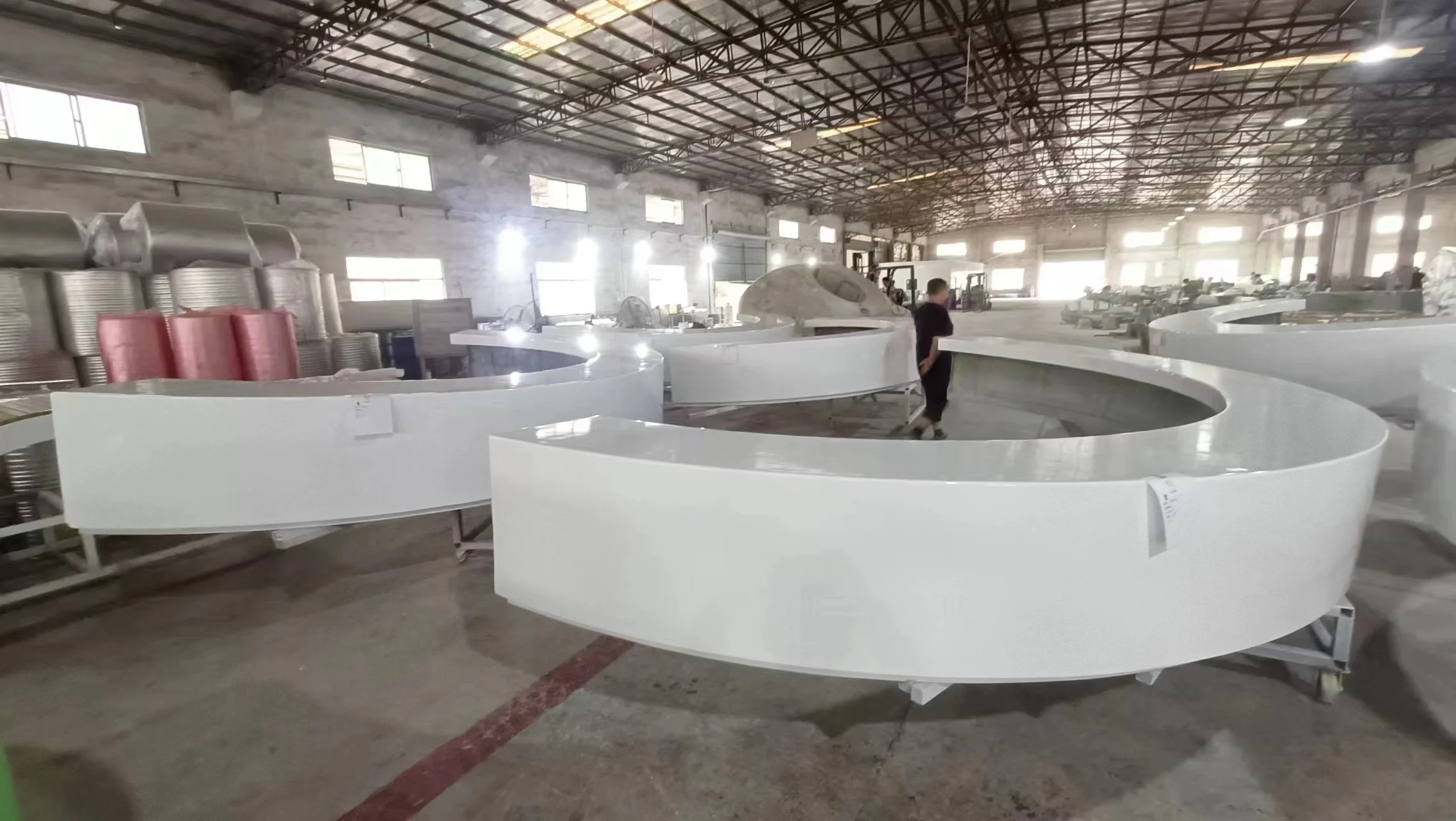
Shenzhen Hand Craftsman Frp Furniture Co., Ltd.
- Manufacturer, Trading Company, Distributor/Wholesaler
- Guangdong, China
- Lead time35 days
- Avg. response≤ 1h
Main productsOutdoor furniture,Fiberglass /metal/Rattan Furniture,Planter Pot,Statue,Bench
Main marketsNorth America(35.00%), Mid East(25.00%), Northern Europe(15.00%), South America(5.00%), Eastern Europe(5.00%), Western Europe(5.00%), Domestic Market(4.00%), Oceania(3.00%), Southern Europe(2.00%), Africa(1.00%)
Foshan Yulin Furniture Co., Ltd.
- Trading Company, Buying Office, Distributor/Wholesaler
- Guangdong, China
- Lead time0 days
- Avg. response≤ 6h
Main productsoutdoor tables,outdoor chairs,sofas,daybed,swing
Main marketsNorth America(20.00%), Western Europe(20.00%), Mid East(15.00%), Oceania(10.00%), Central America(10.00%), Northern Europe(10.00%), Eastern Europe(5.00%), Southern Europe(5.00%), Domestic Market(3.00%), South Asia(2.00%)
Foshan City Longang Furniture Co., Ltd.
- Verified by TüVRheinland
- Manufacturer, Trading Company
- Lead time15 days
- Avg. response≤ 6h
Main productsOutdoor Furniture, Rope Sofa Set, Mesh Dining Set, Rope Dining Set, Aluminum Sofa Set
Main marketsDomestic Market(52%), North America(5%), Eastern Europe(5%)
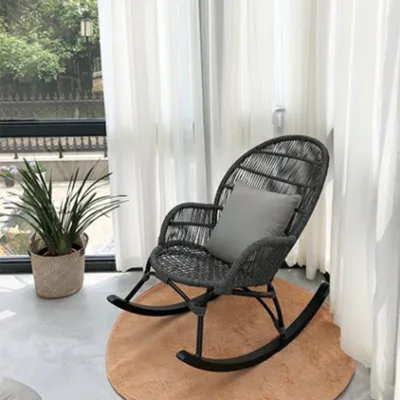
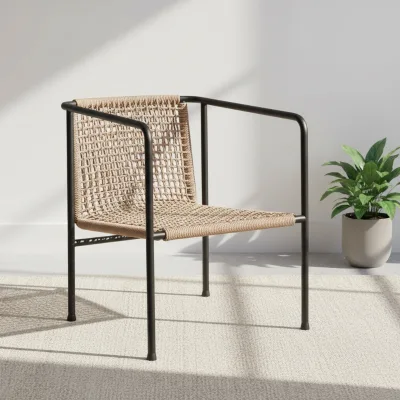
outdoor rope woven chair garden reclining lounge chair balcony rocking sofa chair
$62.898 - $125.7946
MOQ: 2 pieces
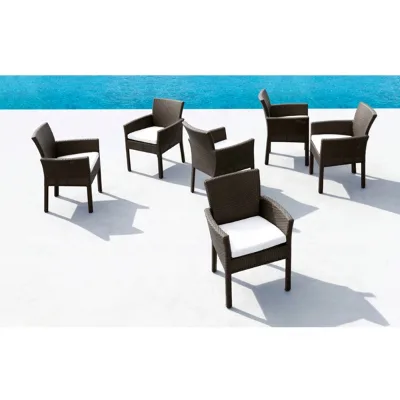

Shenzhen Prima Industry Co., Ltd.
- Manufacturer/Factory
- China Guangdong
- Lead time45 days
- Avg. response≤ 11h
Main productsStaircase, Railing, Kitchen, Wardrobe, Building Glass, Movable Partition, Shower, Window&Door, Tiles&Flooring, Bathroom Accessories
Main marketsSouth America,Eastern Europe,Mid East,North America,Southeast Asia,Eastern Asia,Oceania,Western Europe,Africa
Guangxi Shangzhifan Furniture Co., Ltd.
- Verified by SGS Group
- Trading Company
- Lead time30 days
- Avg. response≤ 1h
Main productsOutdoor Tables and Chairs, Outdoor Umbrellas, Outdoor Gazebo, Outdoor Swing, Garden Sofa
Main marketsNorth America(40%), Eastern Europe(10%), Southeast Asia(10%)

- Verified by CTI
- Trading Company
- China Anhui
- Lead time23 days
- Avg. response≤ 2h
Main productsFurniture, Home Furniture
Main marketsSoutheast Asia/ Mideast
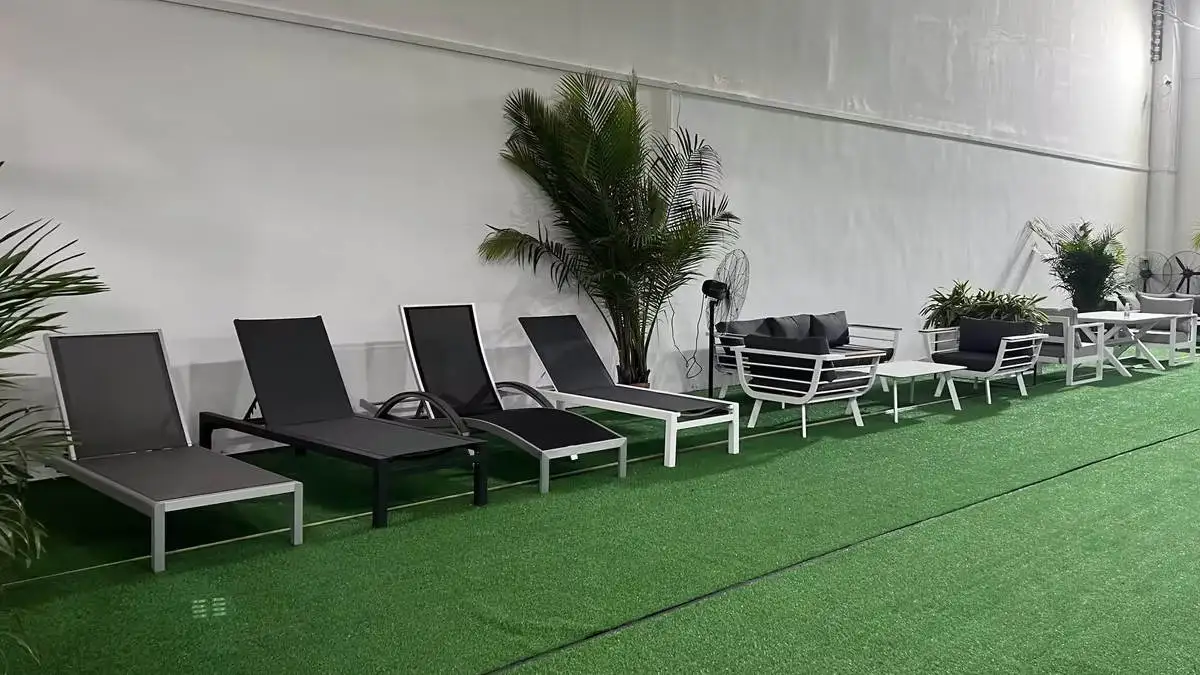
Guangzhou Beacon Peace Home Decor Co., Limited
- Trading Company
- Guangdong, China
- Lead time20 days
- Avg. response≤ 4h
Main productsOutdoor Garden Rope Dining Set, Outdoor Garden Rope Sofa Set, Outdoor Sun Lounger, Outdoor Garden Rattan Sofa Set, Outdoor Garden Rattan Dining Set
Main marketsNorth America(15.00%), Mid East(15.00%), South America(10.00%), Western Europe(10.00%), Eastern Europe(10.00%), South Asia(5.00%), Eastern Asia(5.00%), Oceania(5.00%), Southern Europe(5.00%), Central America(5.00%), Northern Europe(5.00%), Southeast Asia(5.00%), Africa(3.00%), Domestic Market(2.00%)
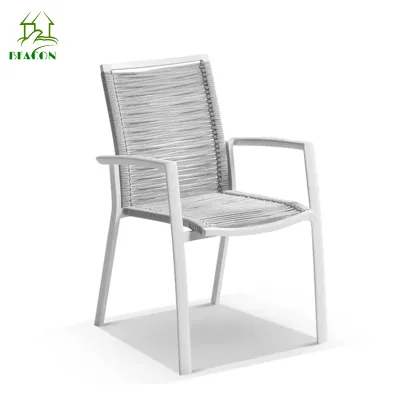
HIgh quality strong beach arm chair luxury patio outdoor porch chairs in rope
$43.00 - $49.00
MOQ: 100 pieces
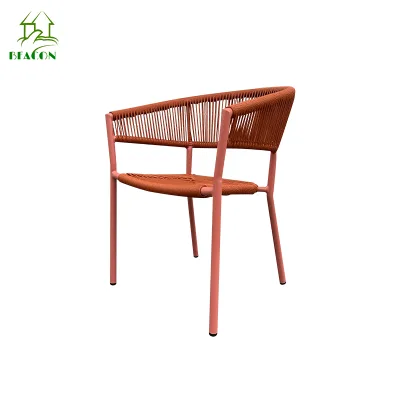

Zhongshan Uptop Furnishings Co., Ltd.
- Verified by BV
- Combined
- China Guangdong
- Lead time15 days
- Avg. response≤ 2h
Main productsRestaurant Furniture, Restaurant Table and Chair, Hotel Table and Chair, Cafeteria Table and Chair, Bar Table and Chair, Canteen Furniture, Plastic Chair, Cafe Furniture, Contract Furniture, Commercial Furniture
Main marketsSouth America,Africa,Southeast Asia/ Mideast,East Asia(Japan/ South Korea),Europe,Australia,North America

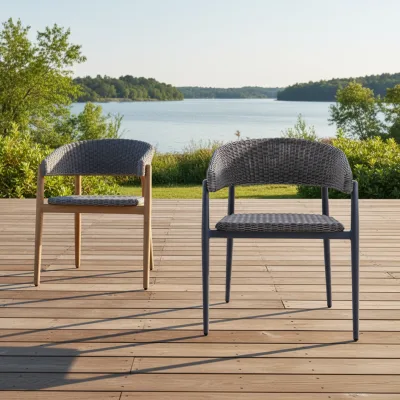
Garden Furniture PE Rattan Chair Aluminum Outdoor Furniture Dining Chair
$37.00 - $60.00
MOQ: 20 Pieces


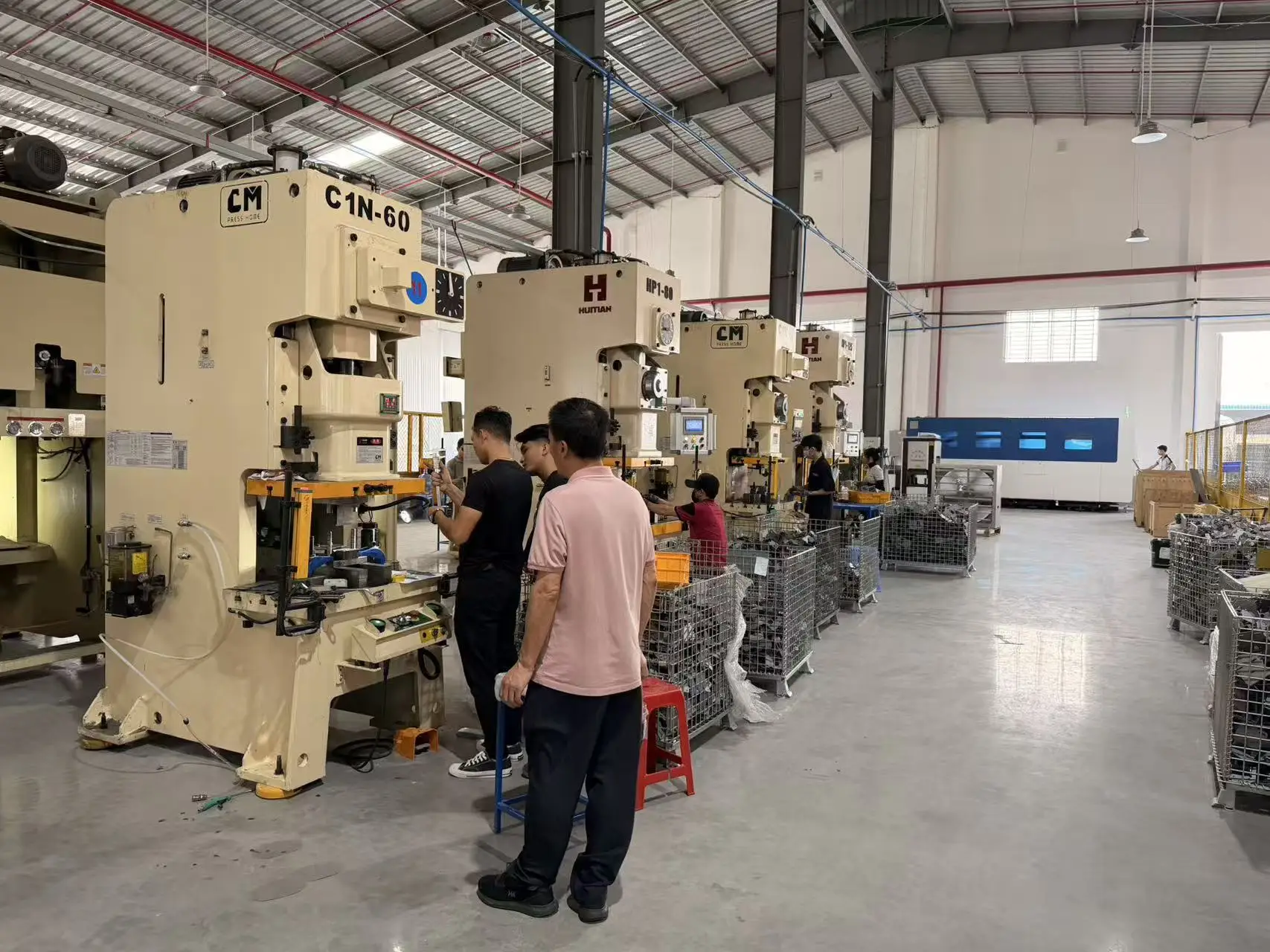
Zhangzhou Liqiang Fabricating Co.,ltd.
- Manufacturer, Trading Company
- Fujian, China
- Lead time45 days
- Avg. response≤ 5h
Main productsWrought iron baluster,Balusters and Swivel Shoes,Aluminum Die Casting,Door Hinge,Guardrails and accessories
Main marketsWestern Europe(50.00%), North America(30.00%), Northern Europe(20.00%)
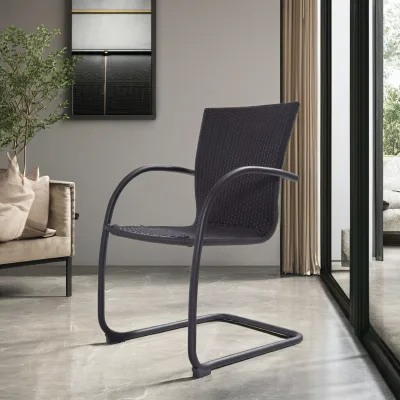
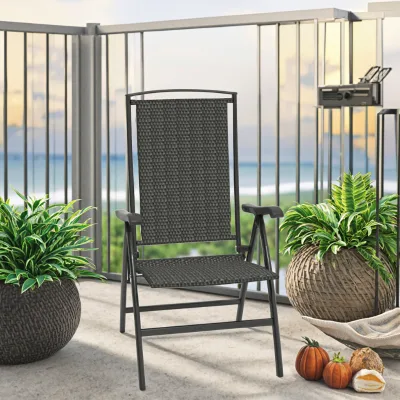
Casual Folding Rattan Chair Comfortable for Garden Patio Balcony Roof Use
$58.00 - $62.00
MOQ: 1 pieces

Shenzhen Wild Art Decoration Co.,Ltd.
- Verified by CTI
- Trading Company,Manufacturer/Factory
- China Guangdong
- Lead time23 days
- Avg. response≤ 12h
Main productsChristmas Decorations, Christmas Tree, Ramadan Decorations, Chinese New Year Lantern, Christmas Ornaments, LED Motif Light, Artificial Tree, Fiberglass Planter Pot, Fiberglass Seat, Fiberglass Sculpture
Main marketsSouth America,Eastern Europe,Mid East,North America,Southeast Asia,Eastern Asia,Oceania,Western Europe,Africa


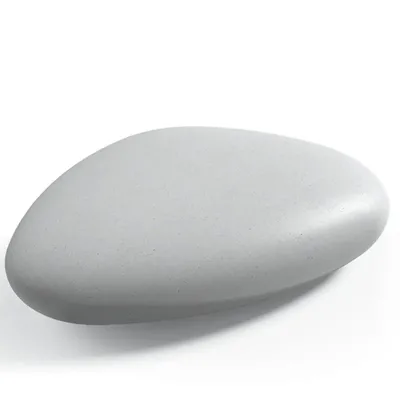
Modern Outdoor Garden Chair Special Decorative Cobblestone Water Drop Flower Pot Stool Resting Chair
$100.00 - $350.00
MOQ: 2 Pieces
Jiangxi Yongsheng Leisure Products Co., Ltd.
- Manufacturer, Trading Company
- Jiangxi, China
- Lead time30 days
- Avg. response≤ 6h
Main productsGardan Chairs, Outdoor Table, Hammock, Folding reclining Chair, Bar Table
Main marketsEastern Europe(16.00%), Western Europe(15.00%), Southern Europe(15.00%), Northern Europe(15.00%), Southeast Asia(15.00%), North America(9.00%), South America(5.00%), Oceania(5.00%), Domestic Market(5.00%)
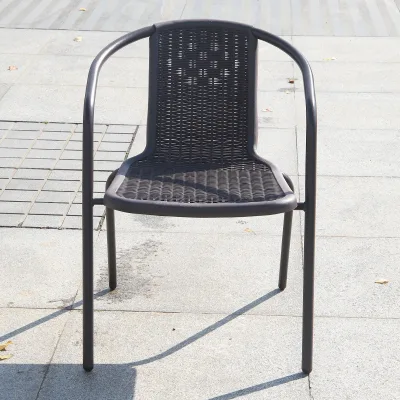
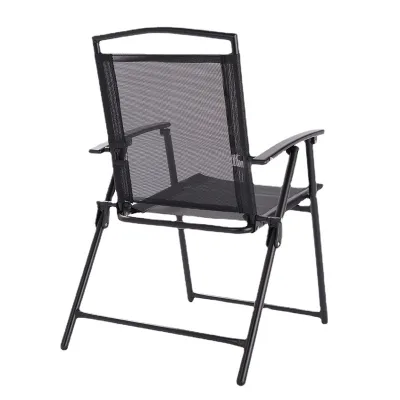
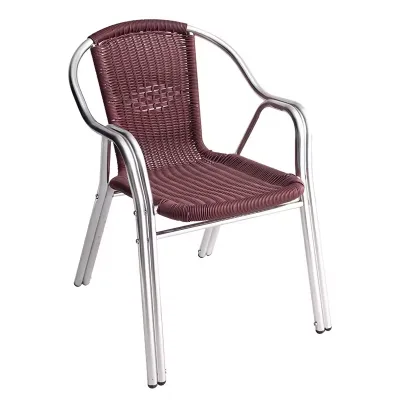
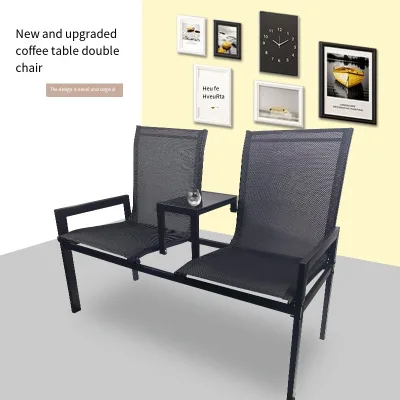
High end source right angle armrest solid color fabric outdoor leisure double garden chair
$27.00 - $29.00
MOQ: 2 pieces

Foshan Ron Hospitality Supplies Co., Ltd.
- Verified by BV
- Manufacturer/Factory,Group Corporation
- China Guangdong
- Lead time45 days
- Avg. response≤ 2h
Main productsRestaurant Furniture, Restaurant Booth, Restaurant Chair, Restaurant Table, Bar Stools, Wedding Chairs, Flatware Sets, Dinnerware Sets, Garden Chairs, Disposable Dinnerware & Tableware
Main marketsSouth America,Eastern Europe,Mid East,North America,Southeast Asia,Eastern Asia,Oceania,Western Europe,Africa

Modern Customized Fabric Rattan Patio Garden Outdoor Chair with High Quality
$32.00 - $42.00
MOQ: 50 pieces


Taizhou Zhonglian Plastic Mould Co., Ltd.
- Verified by TUVRHEINLAND
- Combined
- China Zhejiang
- Lead time15 days
- Avg. response≤ 17h
Main productsPlastic Chair, Kids Slide, Kindergarten Furniture
Main marketsEurope

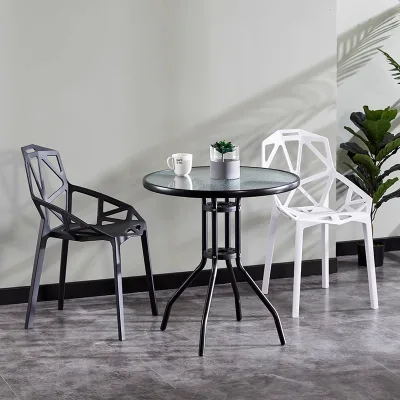
Garden Chair Furniture Dining Chair Leisure Style for Home Patio Outdoor Indoor
$9.00 - $11.00
MOQ: 50 Pieces

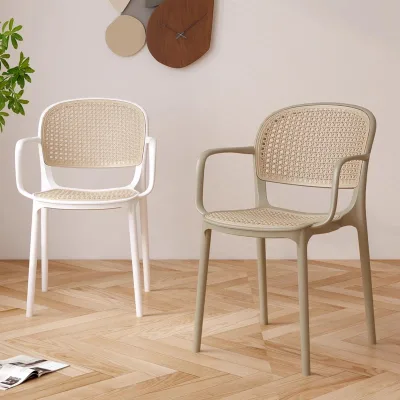
Garden Chair Furniture Plastic Leisure Style for Home Dining Patio Outdoor Indoor
$4.00 - $5.00
MOQ: 50 Pieces


Foshan Sunward Furniture Co., Ltd.
- Verified by TUVRHEINLAND
- Trading Company
- China Guangdong
- Lead time30 days
- Avg. response≤ 6h
Main productsOutdoor Furniture, Garden Furniture, Aluminum Furniture, Rattan Furniture, Bistro Furniture, Hotel Furniture, Home Furniture, Dining Set, Sunbed, Daybed
Main marketsDomestic


Modern Lounge Chair Terrace Garden Furniture Resort Outdoor Rattan Chair
$190.00 - $560.00
MOQ: 10 Sets
Langfang Aibike Furniture Co., Ltd.
- Trading Company
- Hebei, China
- Lead time0 days
- Avg. response≤ 2h
Main productsfurniture
Main marketsEastern Europe(30.00%), North America(30.00%), Mid East(20.00%), Oceania(15.00%), Western Europe(5.00%)
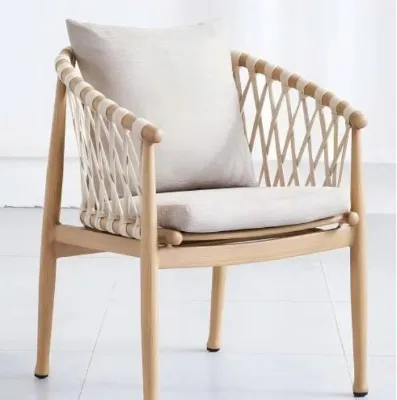
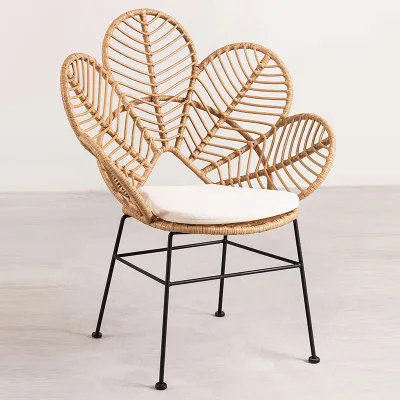
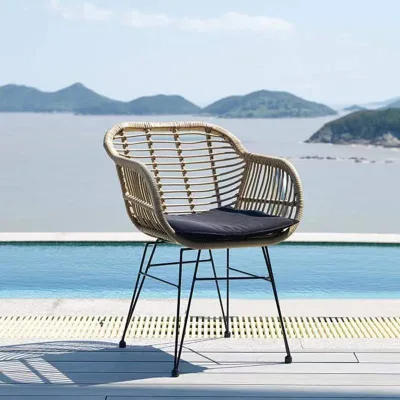
$30.00 - $34.00
MOQ: 99 pieces
Foshan Hanbang Furniture Co., Ltd.
- Verified by SGS Group
- Trading Company
- Lead time14 days
- Avg. response≤ 3h
Main productsHotel Furniture, Outdoor Furniture, Sofa Sets, Minimalist Furniture, Wicker Furniture
Main marketsDomestic Market(30%), North America(16%), Mid East(16%)
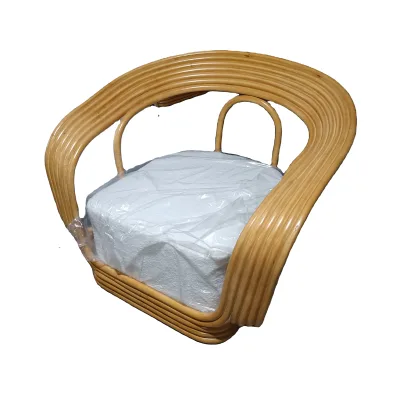
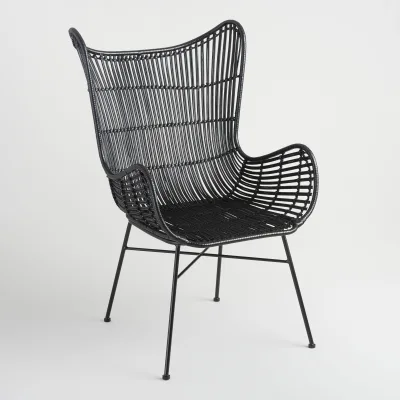
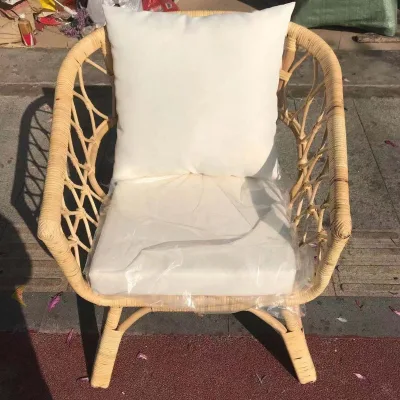
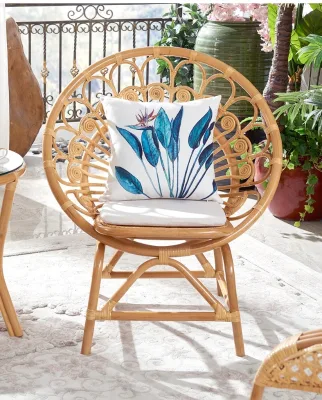
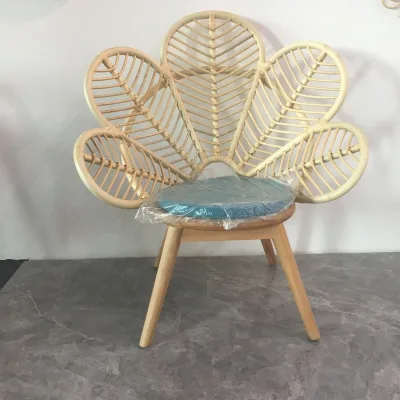
Metal Outdoor Garden Living Room Leisure Aluminum Wing Back Rattan Chair
$1000.00 - $5000.00
MOQ: 1 pieces
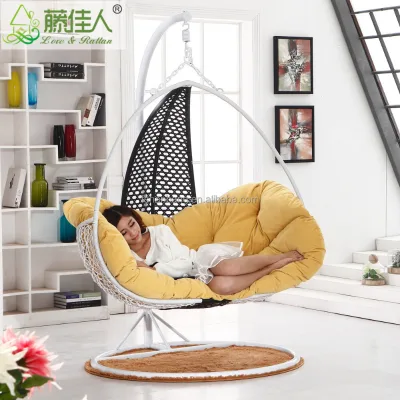
Guangdong Victory Furniture Co., Ltd.
- Manufacturer, Buying Office, Agent, Distributor/Wholesaler, Business Service (Transportation, finance, travel, Ads, etc)
- Guangdong, China
- Lead time10 days
- Avg. response≤ 6h
Main productsOffice table,Computer desk,Executive table,Filing cabinet,School sets
Main marketsAfrica(20.00%), Mid East(15.00%), Domestic Market(10.00%), Eastern Asia(10.00%), Southeast Asia(5.00%), South Asia(5.00%), Southern Europe(5.00%), Northern Europe(5.00%), Central America(5.00%), Western Europe(5.00%), Eastern Europe(5.00%), South America(5.00%), North America(5.00%)
Foshan Xinkaiqi Import And Export Co., Ltd.
- Manufacturer, Trading Company
- Guangdong, China
- Lead time25 days
- Avg. response≤ 1h
Main productsRestaurant furniture,Outdoor furniture,Indoor furniture
Main marketsMid East(50.00%), North America(20.00%), Southeast Asia(15.00%), South America(5.00%), Western Europe(5.00%), Eastern Europe(5.00%)

Foshan Kingmake Industry Co., Ltd.
- Verified by SGS
- Manufacturer/Factory
- China Guangdong
- Lead time23 days
- Avg. response≤ 5h
Main productsOutdoor Furniture, Rattan Furniture, Aluminum Furniture, Rope Furniture, Teak Wood Furniture, Outdoor Umbrella, Outdoor Flower Pot, Outdoor Pergola, Outdoor Artificial Plants
Main marketsSouth America,Eastern Europe,Mid East,North America,Southeast Asia,Eastern Asia,Oceania,Western Europe,Africa

- Verified by SGS
- Combined
- China Guangdong
- Lead time15 days
- Avg. response≤ 8h
Main productsOutdoor Furniture, Garden Furniture, Rattan Furniture, Patio Furniture, Lounge Furniture, Wicker Furniture, Rattan Table, Garden Table, Patio Chair, Wicker Chair
Main marketsEast Asia(Japan/ South Korea)
Shanghai CG Import & Export Co., Ltd.
- Trading Company
- Shanghai, China
- Lead time30 days
- Avg. response≤ 4h
Main productsOutdoor Furniture,Indoor Furniture,Fireplace,Decor
Main marketsNorth America(30.00%), Oceania(15.00%), Mid East(10.00%), Central America(10.00%), Eastern Europe(10.00%), South America(8.00%), Northern Europe(3.00%), South Asia(3.00%), Western Europe(3.00%), Southern Europe(3.00%), Southeast Asia(2.00%), Eastern Asia(2.00%), Domestic Market(1.00%)
Guangzhou YaTing Outdoor Furniture Co., Ltd.
- Verified by BV
- Combined
- China Guangdong
- Lead time23 days
- Avg. response≤ 25h
Main productsOutdoor Furniture, Beach Chair, Swings, Tents, Synthetic Rattan Furniture, Wood Furniture, Graden Furniture, Rattan Chair, Umbrella, Textilene Chair
Main marketsEurope,Australia,North America


Negotiable

Negotiable








Comprehensive Sourcing Guide
Fiberglass Single Pebble Patio Chair Supplier Concentration and Factory Types
The current supplier landscape for fiberglass single pebble patio chairs is heavily concentrated in China, with Guangdong serving as a primary manufacturing hub. This regional focus suggests a mature ecosystem where raw material sourcing, molding expertise, and logistics infrastructure are optimized for this specific product category. Buyers evaluating suppliers should recognize that Guangdong-based entities often benefit from established supply chains for fiberglass resin and reinforcement materials, which can influence both production quality and cost efficiency. The presence of suppliers in this region indicates a high density of specialized manufacturers capable of handling the complex curvature and structural requirements of pebble-style designs. When assessing potential partners, it is crucial to verify the specific location within Guangdong, as industrial clusters may vary in their focus on high-end custom work versus mass production. Understanding this geographic concentration helps buyers anticipate shipping times and potential regional disruptions, while also providing a baseline for comparing logistical costs against suppliers from other regions.
Supplier types in this market are diverse, ranging from pure manufacturers to combined entities that include trading and distribution capabilities. Many suppliers identify as combined companies, offering a blend of direct factory production and trading services, which can simplify communication for international buyers but may introduce additional layers in the supply chain. Some suppliers are explicitly labeled as manufacturers, trading companies, or distributors, each presenting distinct advantages and trade-offs. Manufacturers typically offer greater control over production schedules and customization options, while trading companies may provide a broader portfolio of complementary products and more flexible order handling. Buyers should carefully review the company type to understand who they are contracting with, as this affects accountability, quality control processes, and the ability to resolve issues. The presence of OEM and ODM capabilities among these suppliers indicates a market that supports both private labeling and original design manufacturing, allowing buyers to tailor products to their specific brand identity or functional requirements without starting from scratch.
How to Verify Fiberglass Single Pebble Patio Chair Suppliers
Verification is a critical step in mitigating risk when sourcing fiberglass furniture, particularly given the structural demands of pebble-shaped designs. Buyers should prioritize suppliers who have undergone third-party verification processes, such as CTI certification, which provides an additional layer of confidence regarding the supplier's business legitimacy and operational capabilities. While system certifications like ISO may not be explicitly listed for all suppliers, the presence of third-party verification serves as a strong indicator of reliability. Buyers are advised to request detailed verification reports or audit summaries to understand the scope of the supplier's operations, including factory size, production lines, and quality control measures. This due diligence helps distinguish between legitimate manufacturers and mere intermediaries, ensuring that the buyer is dealing with an entity that has the capacity to fulfill orders consistently. In the absence of visible certifications, buyers should proactively ask for evidence of past performance, such as client references or case studies, to validate the supplier's claims.
Beyond verification badges, buyers should assess the supplier's responsiveness and communication efficiency as a proxy for operational maturity. A response time of under three days, as observed in some supplier profiles, suggests a structured customer service team capable of handling inquiries promptly. However, buyers should not rely solely on average response times; they should test the supplier's responsiveness by sending detailed technical questions about material composition, molding processes, and quality assurance protocols. The ability of a supplier to provide clear, technical, and timely answers is a strong indicator of their expertise and commitment to the buyer's success. Additionally, buyers should verify the supplier's main product focus to ensure they specialize in fiberglass furniture rather than offering it as a minor line item. Suppliers with a primary focus on fiberglass chairs, benches, and outdoor furniture are more likely to have the specialized knowledge and equipment necessary to produce high-quality pebble patio chairs. This specialization often translates to better product consistency and fewer production errors.
What to Compare Across Fiberglass Single Pebble Patio Chair Suppliers
When evaluating multiple suppliers, lead time is a key differentiator that impacts inventory planning and market readiness. Suppliers in this category may offer lead times ranging from seven to fifteen days for standard items, while custom orders or larger volumes might extend this to thirty-five days or more. Buyers should compare these timelines against their specific project deadlines, considering factors such as production capacity, material availability, and shipping logistics. It is important to clarify whether the stated lead time includes production only or if it encompasses packaging and preparation for shipment. Some suppliers may offer faster turnaround times for in-stock items, while others may require longer periods for custom colors or designs. Understanding these nuances allows buyers to negotiate realistic delivery schedules and avoid potential delays that could impact their sales cycles. Buyers should also inquire about the supplier's ability to expedite orders in case of urgent requirements, as this flexibility can be valuable in dynamic market conditions.
Minimum order quantities (MOQ) and pricing structures are another critical area for comparison, as they directly affect the buyer's initial investment and risk exposure. MOQs can vary significantly, with some suppliers offering low thresholds of one unit for testing purposes, while others may require ten or more units for production runs. Buyers should assess whether the MOQ aligns with their sales volume and storage capabilities, keeping in mind that lower MOQs may come with higher per-unit costs. Pricing should be evaluated in the context of the product's specifications, including material quality, finish, and customization options. Some suppliers may offer competitive pricing for standard designs, while others may charge premiums for custom colors or unique shapes. Buyers should request detailed quotations that break down costs for materials, labor, and shipping to ensure transparency. Additionally, comparing the supplier's payment terms, such as deposit requirements and balance payment schedules, can provide insight into their financial stability and willingness to accommodate buyer preferences.
Common Fiberglass Single Pebble Patio Chair Sourcing Risks
One significant risk in sourcing fiberglass furniture is the potential for quality inconsistencies, particularly regarding the structural integrity and surface finish of pebble-shaped designs. The complex curvature of these chairs requires precise molding techniques, and any deviation can result in weak points or aesthetic flaws. Buyers should be vigilant about verifying the supplier's quality control processes, including inspections for cracks, bubbles, or uneven coloring. Without proper oversight, buyers may receive products that do not meet their standards, leading to returns, refunds, or damage to their brand reputation. To mitigate this risk, buyers should request samples before placing bulk orders, allowing them to physically assess the product's quality and durability. Additionally, buyers should specify detailed quality requirements in their purchase agreements, including acceptable tolerances for dimensions and finish, to ensure that the supplier understands their expectations. Clear communication and documented standards are essential for maintaining consistency across production batches.
Another risk is the potential for logistical delays or damage during shipping, given the bulky and fragile nature of fiberglass furniture. Suppliers may use various packing methods, such as carton packing or wood cases, each with different levels of protection. Buyers should evaluate the supplier's packing standards to ensure that products are adequately protected against transit damage. Inadequate packing can lead to broken chairs or damaged finishes, resulting in additional costs and customer dissatisfaction. Buyers should also consider the impact of shipping methods on lead times and costs, as sea freight is commonly used for bulky items but may involve longer transit times. It is important to work with suppliers who have experience in international shipping and can provide reliable logistics solutions. Buyers should also verify the supplier's ability to handle customs clearance and documentation, as errors in this area can cause significant delays. Proactive planning and clear communication regarding logistics are key to minimizing these risks.
Fiberglass Single Pebble Patio Chair Regional Sourcing and Logistics
Sourcing from Guangdong, China, offers distinct logistical advantages due to the region's well-developed infrastructure and proximity to major ports. This location facilitates efficient export processes, reducing transit times and costs for international buyers. However, buyers should be aware of the specific shipping requirements for fiberglass furniture, which often necessitates careful handling and specialized packaging to prevent damage. Suppliers in this region are typically experienced in exporting to various markets, including North America, Europe, and Australia, and can provide guidance on the best shipping methods for each destination. Buyers should collaborate with their suppliers to determine the most cost-effective and reliable shipping options, considering factors such as volume, weight, and delivery urgency. Sea freight is often the preferred method for large orders, while air freight may be suitable for smaller, urgent shipments. Understanding the logistical landscape helps buyers plan their inventory and manage cash flow more effectively.
In addition to shipping, buyers should consider the impact of regional regulations and trade policies on their sourcing strategy. Guangdong-based suppliers are subject to Chinese export regulations, which may include specific documentation requirements or quality standards. Buyers should ensure that their suppliers are compliant with these regulations to avoid delays or penalties. Furthermore, buyers should be aware of any tariffs or duties that may apply to fiberglass furniture in their home market, as these can affect the total cost of ownership. Working with suppliers who have experience in navigating international trade regulations can help buyers mitigate these risks. Buyers should also consider the environmental impact of their sourcing decisions, as fiberglass production involves chemical processes that may be subject to environmental regulations. Choosing suppliers who adhere to sustainable practices can enhance the buyer's brand image and align with growing consumer demand for eco-friendly products.
Fiberglass Single Pebble Patio Chair Commercial Terms and Order Planning
Commercial terms, including payment methods and warranty policies, play a crucial role in the success of any sourcing transaction. Buyers should negotiate clear payment terms that protect their interests, such as using secure payment platforms or escrow services to ensure funds are released only upon satisfactory delivery. Some suppliers may require a deposit upfront, with the balance paid before shipment, while others may offer more flexible terms for established partners. Buyers should assess the supplier's payment flexibility and financial stability to ensure they can meet their obligations. Additionally, buyers should inquire about the supplier's warranty policy, including coverage for defects and the process for claiming replacements or refunds. A robust warranty policy indicates the supplier's confidence in their product quality and their commitment to customer satisfaction. Clear commercial terms help build trust and facilitate smooth transactions, reducing the potential for disputes.
Order planning is essential for managing production schedules and inventory levels effectively. Buyers should provide suppliers with accurate forecasts and order quantities to ensure timely production and delivery. Regular communication with the supplier regarding order status, production progress, and shipping updates is crucial for maintaining visibility and addressing any issues promptly. Buyers should also consider the supplier's capacity to handle peak demand periods, such as holiday seasons or promotional events, to avoid delays. By establishing a strong partnership with a reliable supplier, buyers can streamline their procurement process and focus on growing their business. Effective order planning involves not only managing individual orders but also building a long-term relationship with the supplier to leverage their expertise and capabilities. This collaborative approach can lead to better product quality, competitive pricing, and improved service levels, ultimately enhancing the buyer's market position.
FAQs
Where are these fiberglass pebble patio chairs produced?
The fiberglass pebble patio chairs listed here are produced in Guangdong, China. Guangdong is a major hub for fiberglass furniture manufacturing, so buyers can typically find molding, gel-coat finishing, and assembly handled locally. When comparing offers, confirm whether each supplier is a manufacturer, trading company, or wholesaler, since production control and customization flexibility can differ between these types.
What is the typical lead time for a Fiberglass Single Pebble Patio Chair?
Lead times on this page range from about 7 to 38 days depending on the listing. Some product pages state 7-15 days, while overall supplier lead times run around 35-38 days for fuller orders. Lead time usually depends on color customization, order quantity, and the supplier's production schedule, so confirm the exact timeline before placing a deposit.
What is the minimum order quantity for these pebble chairs?
Minimum order quantities vary by listing. One pebble-style lounge bench shows an MOQ of 1 piece with prices from 17 to 279 dollars, while another fiberglass lounge chair lists an MOQ of 10 pieces priced 300 to 490 dollars. Check each product page for its specific MOQ, because sampling quantities and bulk order quantities are often handled differently.
Do suppliers offer OEM or ODM customization?
Yes, the fiberglass suppliers on this page support ODM and OEM work, and individual product pages mark customization as available. Options mentioned in the listings include customized colors, customized shapes, and UV printing for logos or graphics. When requesting customization, share drawings or reference images early, confirm mold availability, and ask how customization affects the quoted price and lead time.
Can these chairs be used outdoors year-round?
The listings describe these chairs for outdoor settings including patios, gardens, beaches, parks, and courtyards, as well as indoor spaces like hotels and living rooms. Fiberglass with a proper gel-coat finish handles moisture and sun exposure well, but ask each supplier about UV-resistant coating options and maintenance recommendations for your specific climate before ordering for permanent outdoor installation.
How quickly do these suppliers respond to inquiries?
The suppliers on this page show response times of roughly 1 to 3 hours based on the listed figures. Response speed matters most during sampling and customization discussions when questions come up frequently. Send a detailed initial inquiry covering quantity, color, and target delivery date, then use early reply speed as one signal when comparing several suppliers.
How are the chairs packed and shipped?
Listings mention sea freight with packing in wood cases or cartons, and one supplier notes mail packing is not available. A single pebble seat chair can be large, with one listing showing a package size of 210 by 130 by 65 centimeters and a gross weight of 108 kilograms. Confirm final dimensions and weight for your chosen model to estimate freight cost accurately.
What sizes are available for the pebble lounge chair?
One modern pebble seat listing offers four sizes: L200 by W120 by H45 centimeters, L165 by W100 by H45 centimeters, L110 by W80 by H42 centimeters, and L130 by W110 by H42 centimeters. Another yard decoration chair shows a package size of 74 by 66 by 100 centimeters. Since shapes are customizable, you can often request size adjustments if standard options do not fit your space.