Modern Wood Gazebo Suppliers and Manufacturers in China
Compare 31 verified suppliers offering Modern Wood Gazebo options with varying lead times, certifications, and response speeds. Review their factory locations in Zhejiang and Guangdong, then request quotes for specific customization needs; review the available evidence before requesting comparable quotations from suitable candidates.
Updated
Suppliers List

Ningbo Yilong Outdoor Products Co., Ltd.
- Verified by TUVRHEINLAND
- Manufacturer/Factory
- China Zhejiang
- Lead time0 days
- Avg. response≤ 14h
Main productsAluminium Foldable Gazebo, Aluminium Umbrella, Wooden Umbrella, Beach Umbrella, Swing Chair, Steel Gazebo, Outdoor Furniture, Campling, Chair, Table
Main marketsSouth America,Eastern Europe,Mid East,North America,Southeast Asia,Eastern Asia,Oceania,Western Europe,Africa

Shenzhen Cbdmart Industry Co., Ltd.
- Manufacturer
- Guangdong, China
- Lead time30 days
- Avg. response≤ 1h
Main productsstaircase,railing,kitchen cabinet,wooden doors,glass shower
Main marketsNorth America(40.00%), Northern Europe(20.00%), Africa(10.00%), South America(10.00%), South Asia(5.00%), Mid East(5.00%), Domestic Market(5.00%), Southeast Asia(3.00%), Oceania(2.00%)
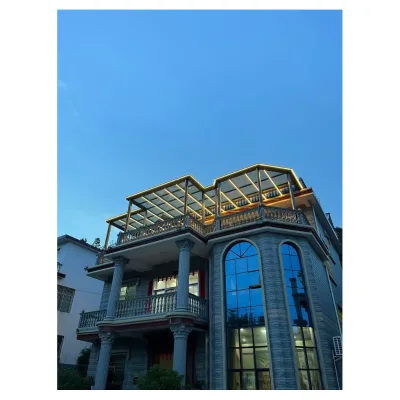
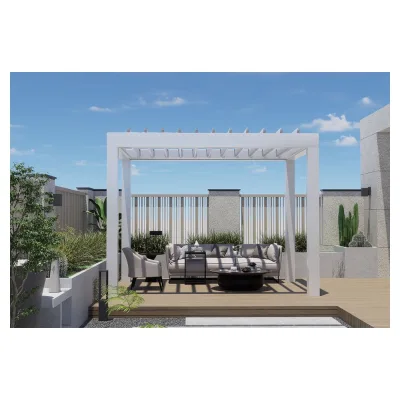
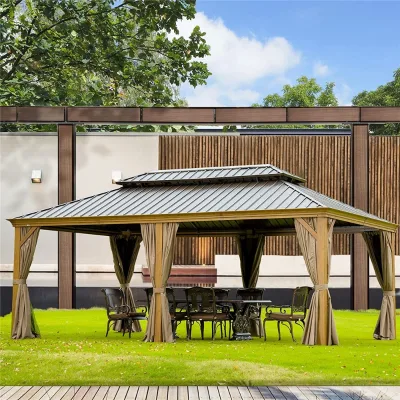
Modern Aluminum Hardtop Gazebo with Mosquito Netting Modern Style Gazebo
$101.00 - $151.00
MOQ: 1 sets
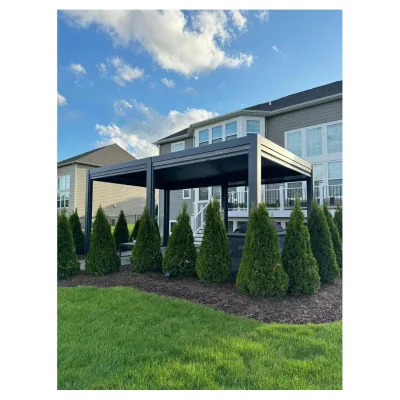
Gazebo with Retractable Roof Canopy for Outdoor Dining Modern Style Gazebo
$101.00 - $151.00
MOQ: 1 sets
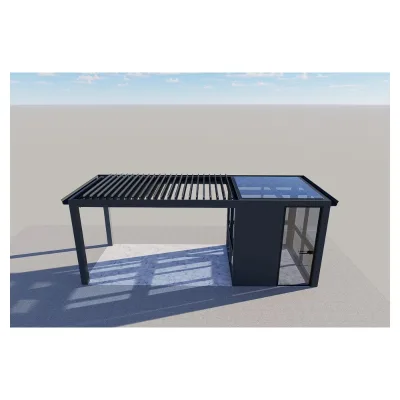
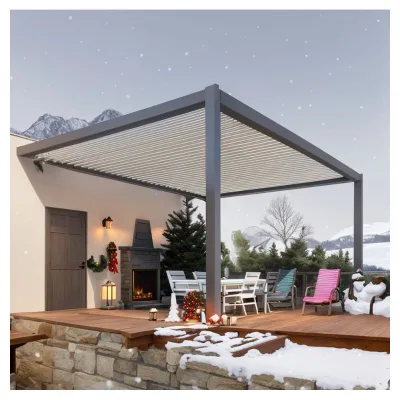
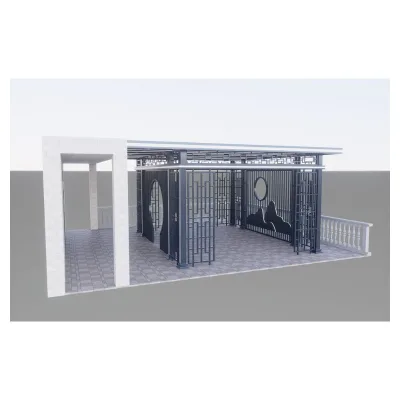
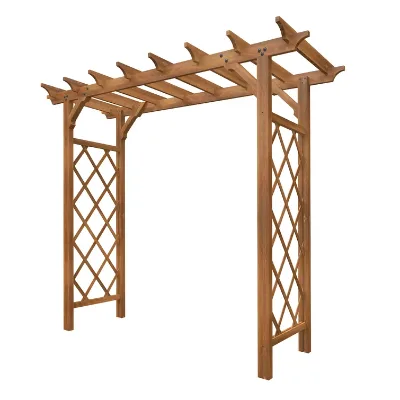
Customizable Wooden Pergola Gazebo for Backyard Relaxation Modern Style Gazebo
$101.00 - $151.00
MOQ: 1 sets
Jiangsu Linke Architecture Technology Co., Ltd.
- Trading Company
- JiangSu, China
- Lead time90 days
- Avg. response≤ 5h
Main productslog cabin,block house,villa,Antiseptic wood,Cement board
Main marketsDomestic Market(25.00%), Mid East(15.00%), North America(10.00%), Southeast Asia(8.00%), Western Europe(7.00%), Eastern Europe(7.00%), Southern Europe(5.00%), South America(5.00%), South Asia(5.00%), Oceania(4.00%), Eastern Asia(4.00%), Central America(3.00%), Northern Europe(1.00%), Africa(1.00%)

Foshan Wish Zinc & Steel Guardrail Co., Ltd.
- Verified by BV
- Combined
- China Guangdong
- Lead time30 days
- Avg. response≤ 4h
Main productsPergola, Sunroom
Main marketsOthers(foreignTradeCapacity.exportBusinessCapacityMarketOther),East Asia(Japan/ South Korea),Europe,Australia,North America

Luxury Outdoor Pergola Modern Aluminum Pergola Garden Waterproof Gazebo Aluminum Bioclimatic Gazebo
$75.00 - $139.00
MOQ: 9 Square Meters

Aluminum Pergola Aluminum Waterproof Sunshade Pergola Outdoor Living Outdoor Pergola Gazebo
$75.00 - $139.00
MOQ: 9 Square Meters
Chongqing Baihuiyuan Technology Co., Ltd.
- Manufacturer, Trading Company
- Chongqing Municipality, China
- Lead time0 days
- Avg. response≤ 12h
Main productsOutdoor gazebo,Awning,Aluminum railing,Courtyard gate,Windproof curtains
Main marketsEastern Europe(35.00%), North America(30.00%), Southeast Asia(25.00%)
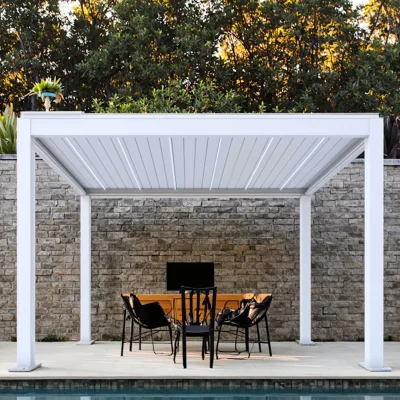
Modern Smart Aluminum Motorized Gazebo for Contemporary Villas Outdoor Living Area
$150.00 - $220.00
MOQ: 1 square
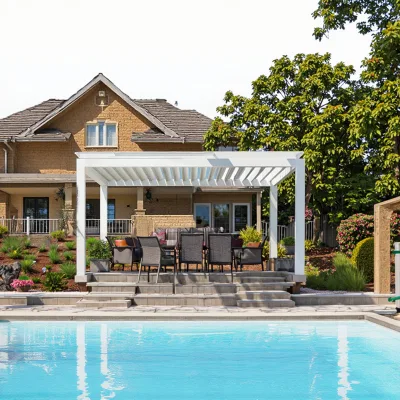
Long-Lasting Modern Design Aluminum Manual Gazebo for Camping and Outdoor Events
$90.00 - $150.00
MOQ: 1 square
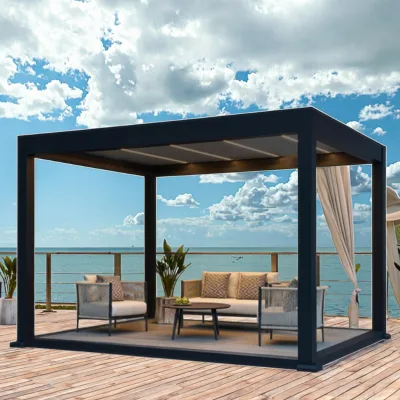

Ningbo Unitent Outdoor Products Co., Ltd.
- Combined
- China Zhejiang
- Lead time30 days
- Avg. response≤ 18h
Main productsTent, Gazebo, Canopy, Folding Tent, Folding Gazebo, Foldable Tent, Foldable Gazebo, Folding Table, Easy-up Tent, Camping Tent
Main marketsSouth America,Europe,Australia,North America

Shanghai Liguo Industrial Co., Ltd.
- Verified by SGS
- Trading Company,Manufacturer/Factory
- China Shanghai
- Lead time60 days
- Avg. response≤ 2h
Main productsWindow, Glass Window, Glass Door, Aluminum Window, Aluminum Door, Custom Window, Stainless Steel Door, Sliding Windows, Casement Windows, Folding Windows
Main marketsSouth America,Eastern Europe,Mid East,North America,Southeast Asia,Eastern Asia,Oceania,Western Europe,Africa


Remote Control Wooden Color Composite Pergola Electric Aluminum Gazebo
$170.00 - $180.00
MOQ: 2 Square Meters

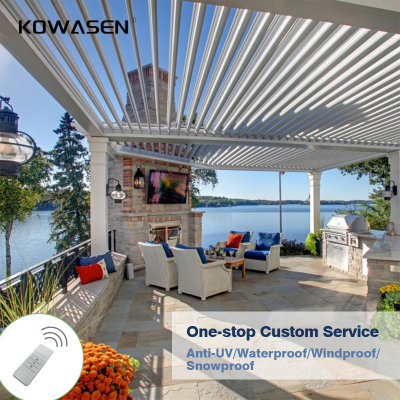
Flexible Retractable Aluminum Louvered Gazebo for Outdoor Spaces
$170.00 - $180.00
MOQ: 2 Square Meters
- Verified by SGS Group
- Manufacturer, Trading Company
- Lead time20 days
- Avg. response≤ 2h
Main productsCORTEN BBQ, CORTEN FIRE PIT, CORTEN PLANTER, CORTEN SCREEN, CORTEN EDGING
Main marketsSoutheast Asia(20%), Oceania(15%), Western Europe(15%)
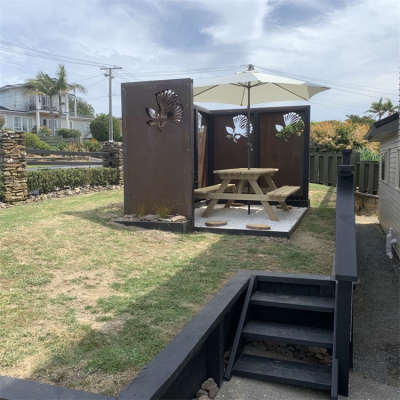
Outdoor Pergola Gazebo Outdoor Modern Pavilion Prices Gazebo Manufacturers 3x3
$122.3492 - $204.5998
MOQ: 1 square
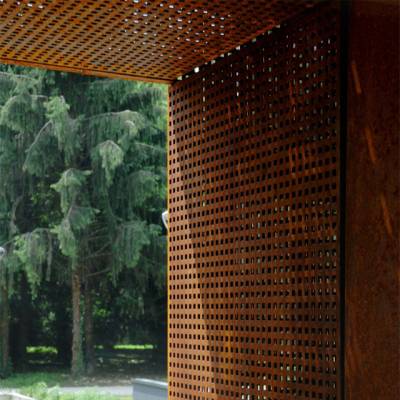
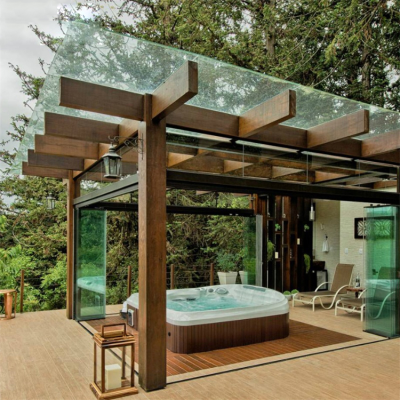
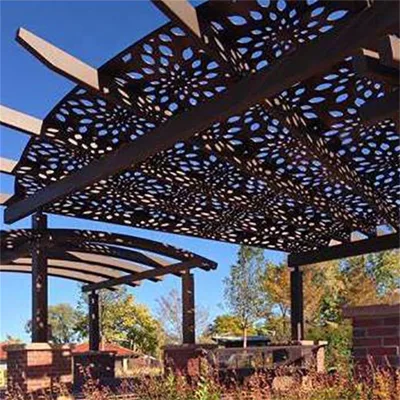
Steel Top Large Metal Roof Outdoor Garden Gazebo6 by 12 Modern Modern Pergola 6 With Closing Sides
$123.4502 - $206.4424
MOQ: 1 square

Foshan Yueling Outdoor Building Materials Co., Ltd
- Verified by SGS
- Combined
- China Guangdong
- Lead time30 days
- Avg. response≤ 3h
Main productsAluminum Profile, Pergola, Awning, Sunroom, Roller Blind, Retractable, Roof, Aluminum Carport, Polycarbonate Canopy, Retractable Roof Awning
Main marketsDomestic

Motorized Aluminum Pergola Gazebo for Modern Outdoor Garden Living Spaces
$80.00 - $160.00
MOQ: 9 Square Meters

Modern Outdoor Aluminum Pergola Gazebo with Bioclimatic Roof for Garden Living
$80.00 - $160.00
MOQ: 9 Square Meters

Modern Outdoor Aluminum Pergola Gazebo with a Bioclimatic Roof for Garden
$80.00 - $160.00
MOQ: 9 Square Meters

Architectural Aluminum Pergola Gazebo with Bioclimatic Roof for Modern Garden Living
$80.00 - $160.00
MOQ: 9 Square Meters

Durable Aluminum Pergola Gazebo with Bioclimatic Roof for Modern Garden Patio
$80.00 - $160.00
MOQ: 9 Square Meters

Customized Aluminum Pergola Gazebo with Bioclimatic Roof for Modern Garden Areas
$80.00 - $160.00
MOQ: 9 Square Meters
Taizhou Danda Technology Co., Ltd.
- Trading Company
- Zhejiang, China
- Lead time35 days
- Avg. response≤ 1h
Main productsOutdoor Furniture,Gazebo,Pergola,Hammock,Fire Pit
Main marketsNorthern Europe(30.00%), North America(30.00%), Western Europe(15.00%), Southern Europe(10.00%), Eastern Asia(5.00%), Eastern Europe(5.00%), Central America(5.00%)
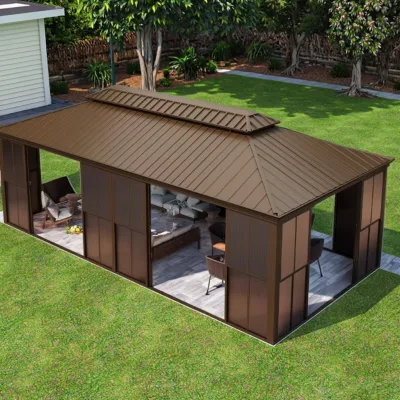
$2229.003 - $2691.6648
MOQ: 1 sets
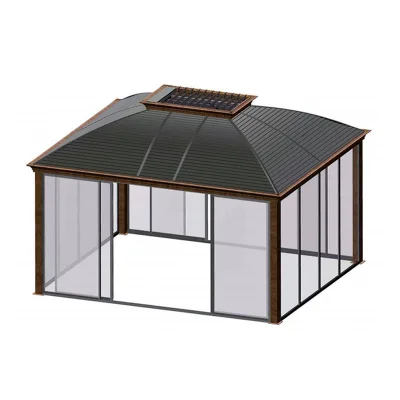
Custom Sides Top Garden Pergola Gazebo with Camping Pergola Gazebo for Depot Large Pergola Gazebo
$360.00 - $370.00
MOQ: 2 sets

Ningbo High-Sunway Imp. & Exp. Co., Ltd.
- Verified by SGS
- Trading Company
- China Zhejiang
- Lead time30 days
- Avg. response≤ 24h
Main marketsSoutheast Asia/ Mideast,Europe,North America

Foshan Kingwell Industry Co., Ltd.
- Verified by TUVRHEINLAND
- Trading Company
- China Guangdong
- Lead time30 days
- Avg. response≤ 2h
Main productsOutdoor Furniture, Garden Furniture, Garden Chair, Outdoor Sofa, Patio Furniture, Sun Lounger, Outdoor Daybed, Outdoor Dining Table Set, Outdoor Sofa Set, Outdoor Furniture Set
Main marketsNorth America

Factory New Customized Waterproof Outdoor Furniture Aluminum Canopy Pergola Gazebo
$885.88 - $958.88
MOQ: 5 Pieces

New Arrival Canopy Waterproof Louvered Aluminum Pergola Gazebo with High Quality
$785.88 - $820.88
MOQ: 2 Pieces
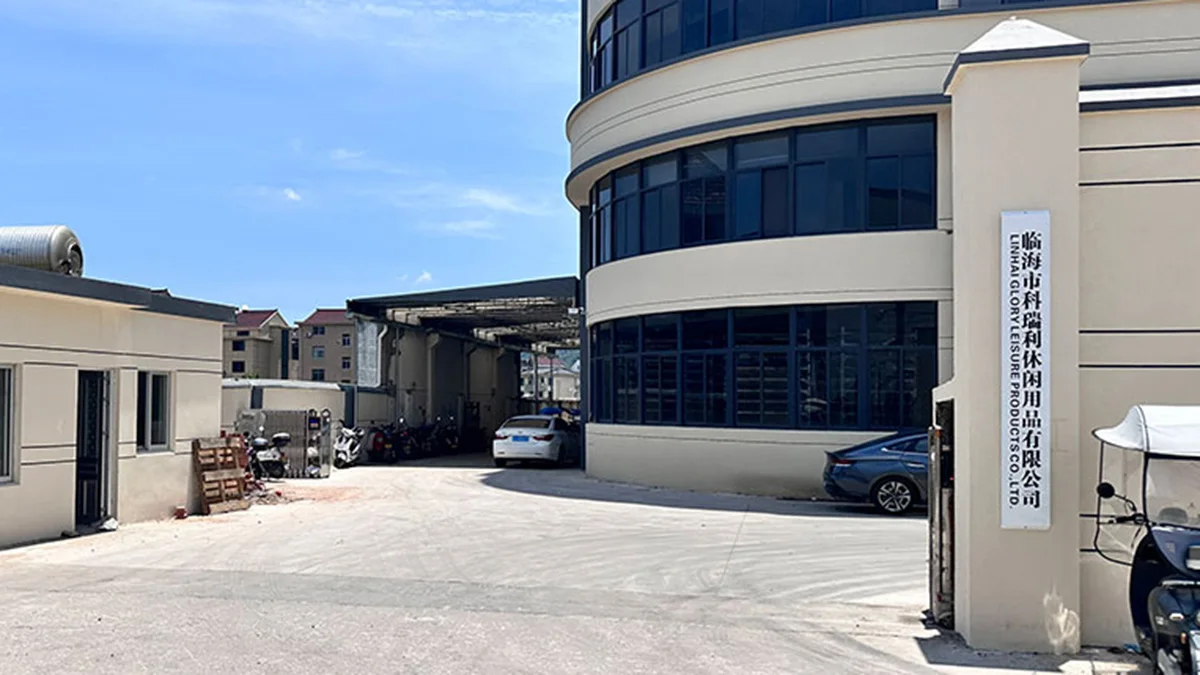
Linhai Glory Leisure Products Co., Ltd.
- Manufacturer, Trading Company
- Zhejiang, China
- Lead time30 days
- Avg. response≤ 3h
Main productsumbrella,gazebo,swing chair,garden furniture,camping chair
Main marketsSoutheast Asia(35.00%), Western Europe(35.00%), Eastern Europe(15.00%), South America(5.00%), Eastern Asia(5.00%), Mid East(5.00%)

Wayne (Hangzhou) Building Materials Co., Ltd.
- Verified by TUVRHEINLAND
- Trading Company
- China Zhejiang
- Lead time15 days
- Avg. response≤ 7h
Main productsSmart Film, Smart Glass, Aluminum Window, Aluminum Door, Pergola, PVC Door, Glass Partition, Curtain Wall Hardware, Door Control Hardware, Glass
Main marketsSouth America,Africa,Southeast Asia/ Mideast,Europe,Australia

Outdoor Garden Waterproof Gazebo Awning Modern Design Aluminum Pergola
$80.00 - $275.00
MOQ: 4 Square Meters

Modern Design Outdoor Aluminum Pergola Gazebo Outdoor Aluminum Waterproof Louver Gazebo Carport
$185.00 - $300.00
MOQ: 5 Square Meters

New High Quality Outdoor Waterproof Sun Shade Aluminium Pergola Gazebo
$225.00 - $300.00
MOQ: 5 Square Meters


Garden Backyard Shade Waterproof Aluminum Gazebo Pergola with Side Awning
$80.00 - $275.00
MOQ: 4 Square Meters

$225.00 - $300.00
MOQ: 5 Square Meters

Luoyang Dannuo Gardens & Building Material Co., Ltd.
- Trading Company
- Henan, China
- Lead time7 days
- Avg. response≤ 5h
Main productsChinese traditional roof tiles,Japanese roof tiles,Plastic roof tiles,breeze block,Wall clay bricks
Main marketsWestern Europe(20.00%), Oceania(20.00%), Southeast Asia(20.00%), Eastern Europe(20.00%), North America(20.00%)
Ballede (shanghai) Metal Products Co., Ltd.
- Trading Company
- Shanghai, China
- Lead time20 days
- Avg. response≤ 2h
Main productsMotorized Louvers Roof / Pergola,Aluminum Louvers,Motorized louvers,Aluminum Grilles and Diffusers,Other Metal Products
Main marketsOceania(40.00%), North America(20.00%), Eastern Europe(10.00%), Mid East(6.00%), Northern Europe(5.00%), South America(5.00%), Africa(5.00%), Western Europe(2.00%), Eastern Asia(2.00%), Domestic Market(1.00%), South Asia(1.00%), Southern Europe(1.00%), Southeast Asia(1.00%), Central America(1.00%)
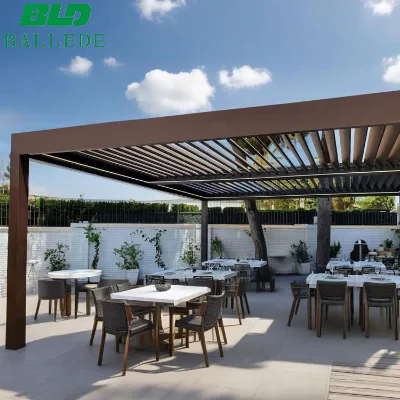
$153.9045 - $297.5477
MOQ: 10 square
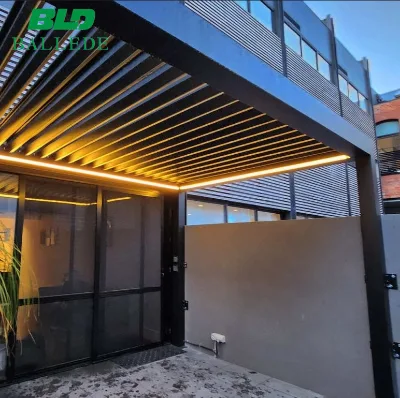
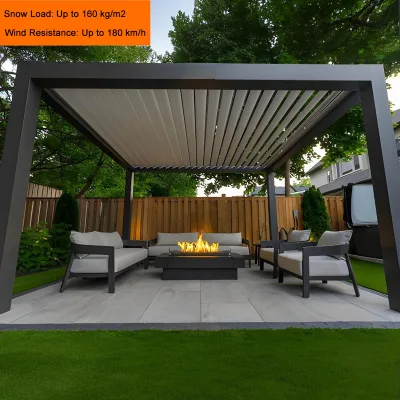
Modern 10 X 12 ft Outdoor Sturdy Pergola Gazebo with Retractable Curtains
$71.5295 - $304.506
MOQ: 9 square
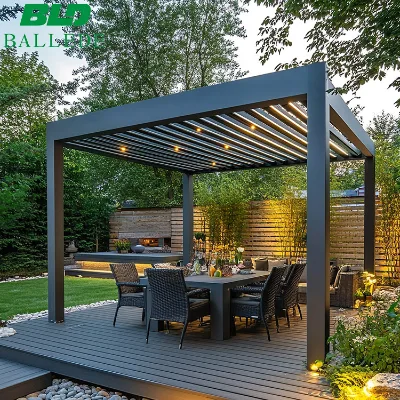
$71.8231 - $305.7568
MOQ: 9 square
$70.00 - $298.00
MOQ: 9 square
Hangzhou Youya Outdoor Products Co., Ltd.
- Verified by SGS Group
- Trading Company
- Lead time45 days
- Avg. response≤ 3h
Main productsPergola, Outdoor Kitchen, Gazebo, 304 Stainless Steel Kitchen Cabinets, Solar Fence
Main marketsNorth America(50%), Eastern Europe(15%), Western Europe(15%)
- Verified by SGS Group
- Manufacturer, Trading Company
- Lead time0 days
- Avg. response≤ 4h
Main productsOutdoor Pergola, Outdoor Parasol, Outdoor Chairs, Outdoor Tables, Outdoor Loungers
Main marketsNorth America(40%), Western Europe(30%), Northern Europe(20%)
$1313.3131 - $1641.6402
MOQ: 1 Minimum
Foshan Yongdi Metal Products Co., Ltd.
- Verified by TüVRheinland
- Manufacturer, Trading Company
- Lead time15 days
- Avg. response≤ 1h
Main productsAluminum Pergola, Sunroom, WPC Panels, Awning, Stainless Steel Tube
Main marketsNorth America(15%), Oceania(15%), Western Europe(15%)
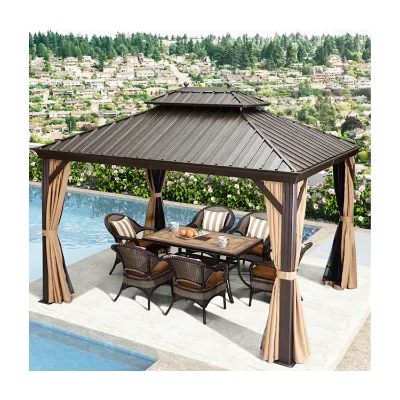
Commercial 3x4 Steel Top Fabric Curtain Garden Backyard Pavilion Waterproof Polyester Gazebo
$784.9101 - $1157.3578
MOQ: 1 Minimum
Fujian Shunchang Shengsheng Wood Industry Limited Company
- Verified by SGS Group
- Manufacturer, Trading Company
- Lead time30 days
- Avg. response≤ 2h
Main productsBamboo Kitchen Utensil, Bamboo Furniture, Wooden Children Slide, Flower Box
Main marketsNorth America(53%), Domestic Market(47%)
Clearview Building Materials Co., Ltd.
- Trading Company
- Guangdong, China
- Lead time15 days
- Avg. response≤ 10h
Main productsAluminum Alloy Doors And Windows, Aluminum Alloy Sunroom
Main marketsNorth America(20.00%), South America(15.00%), Mid East(15.00%), South Asia(5.00%), Eastern Asia(5.00%), Oceania(5.00%), Western Europe(5.00%), Southern Europe(5.00%), Central America(5.00%), Northern Europe(5.00%), Africa(5.00%), Eastern Europe(5.00%), Southeast Asia(5.00%)
Ningbo Hopfung Leisure Products Co., Ltd.
- Verified by SGS Group
- Manufacturer, Trading Company
- Lead time45 days
- Avg. response≤ 2h
Main productsGazebo, Canopy, Party Tent, Swing Chair
Main marketsWestern Europe(70%), North America(10%), Eastern Europe(5%)
$101.00 - $108.00
MOQ: 300 Minimum
Foshan Davis Outdoor Products Co., Ltd.
- Verified by TüVRheinland
- Manufacturer, Trading Company
- Lead time15 days
- Avg. response≤ 2h
Main productsLouvered Pergola, Cassette Awning, Retractable Roof, Zip Screen, Window Awning
Main marketsDomestic Market(30%), North America(15%), Oceania(7%)
Jiaxing Aibite Trading Co., Ltd.
- Verified by SGS Group
- Manufacturer, Trading Company
- Lead time15 days
- Avg. response≤ 5h
Main productsPop Up Canopy, Garden Gazebo, Outdoor Umbrella; Outdoor Furniture
Main marketsNorth America(50%), South America(20%), Eastern Europe(4%)
Qingdao Enjoy Global Industry Co., Ltd.
- Verified by TüVRheinland
- Manufacturer, Trading Company
- Lead time25 days
- Avg. response≤ 1h
Main productsWooden Shelf, Wooden Cat Tree, Wooden Box, Wooden Crafts, Wooden Furniture
Main marketsNorth America(40%), Eastern Asia(15%), Western Europe(14%)
Outdoor Creation (shanghai) Construction Technology Co., Ltd.
- Manufacturer, Trading Company
- Lead time旺季: "9 - 81":7,"> 81":"To be negotiated", 淡季: "9 - 81":7,"> 81":"To be negotiated"
- Avg. response≤ 2h
Main productsAluminum Pergola, Aluminum Carport, Aluminum Gazebo, Motorized Louver, Retractable Louver
Xiamen Anyhoo Supply Chain Management Co, Ltd.
- Verified by TüVRheinland
- Manufacturer, Trading Company
- Lead time15 days
- Avg. response≤ 2h
Main productsWindow Shutters, Venetian Blinds, Cellular Blinds, Track Outdoor Blinds
Main marketsOceania(45%), North America(20%), Eastern Europe(15%)
$69.00 - $185.00
MOQ: 100 Minimum
Foshan Wonderful Furniture Co., Ltd.
- Verified by Intertek
- Trading Company
- Lead time30 days
- Avg. response≤ 3h
Main productsHotel Furniture, Restaurant Furniture, Garden Sets, Bedroom Furniture, Living Room Furniture
Main marketsNorth America(25%), Western Europe(25%), Southeast Asia(15%)
LINHAI JINGDA ARTS & CRAFTS CO., LTD.
- Manufacturer, Trading Company
- Zhejiang, China
- Lead time60 days
- Avg. response≤ 1h
Main productsGazebo, Patio Umbrellas, Car Tent, Swing, Chrismas Lights
Main marketsWestern Europe(20.00%), Eastern Europe(20.00%), Southern Europe(15.00%), Northern Europe(15.00%), North America(10.00%), South America(5.00%), Oceania(5.00%), Central America(5.00%), Southeast Asia(5.00%)
Guangdong Aluno Industry Co., Ltd.
- Manufacturer, Trading Company
- Lead time旺季: "1 - 30":30,"31 - 200":35,"201 - 400":45,"> 400":"To be negotiated", 淡季: "1 - 30":30,"31 - 200":35,"201 - 400":45,"> 400":"To be negotiated"
- Avg. response≤ 23h
Main productsAluminium Pergola,Retractable Roof,Gazebo,Carport&Canopy,Outdoor Umbrella
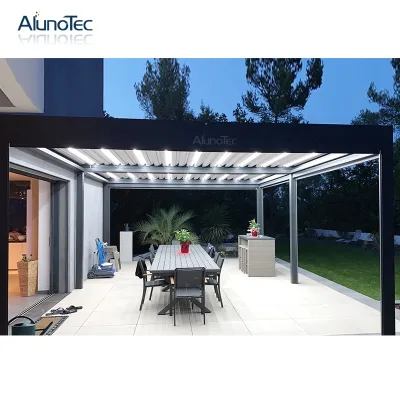
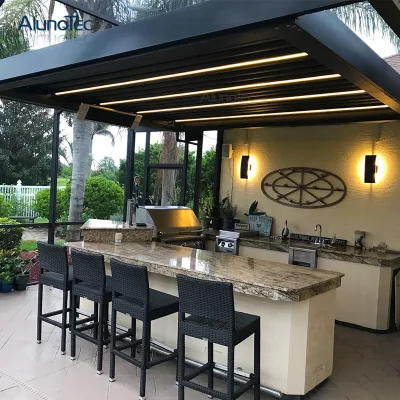
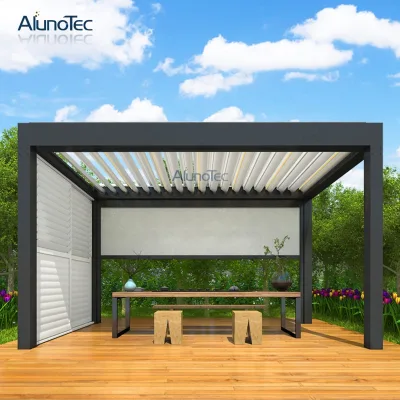
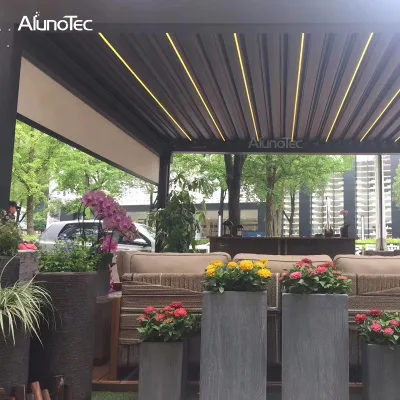
Pergola Retractable Waterproof Canopy Uk Aluminum Pergola China
$85.00 - $280.00

Shenzhen OCT Leisure Products Co., Ltd.
- Trading Company,Manufacturer/Factory,Group Corporation
- China Guangdong
- Lead time23 days
- Avg. response≤ 21h
Main productsBeach Umbrella, Bodyboard, Golf Umbrella, Folding Gazebo, Assembly Gazebo, Outdoor Umbrella, Surfboard, Skim Board, Gazebo, Boogie Board
Main marketsSouth America,Eastern Europe,Mid East,North America,Southeast Asia,Eastern Asia,Oceania,Western Europe,Africa


Outdoor Assembly Carport Gazebo with Strong Structure and of Different Sizes (OCT-XC023)
$41.00 - $171.00
MOQ: 50 Pieces

Assembly Gazebo Carport with Strong Structure and Different Sizes (OCT-XC023)
$41.00 - $171.00
MOQ: 50 Pieces




Comprehensive Sourcing Guide
Modern Wood Gazebo Supplier Concentration and Factory Types
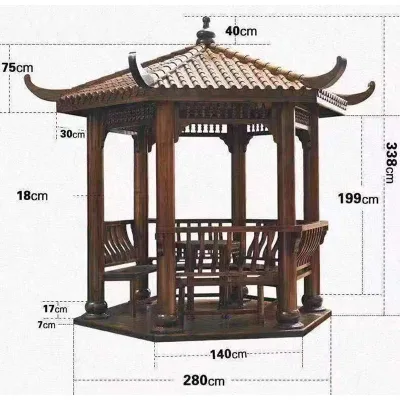
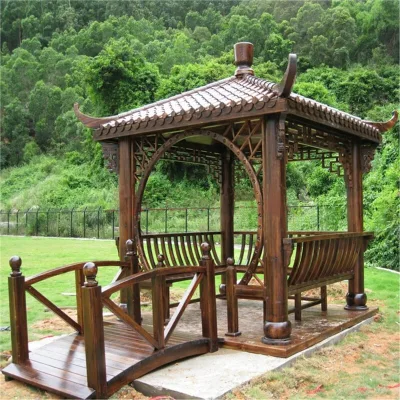
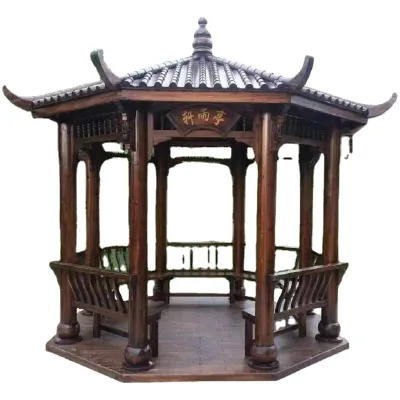
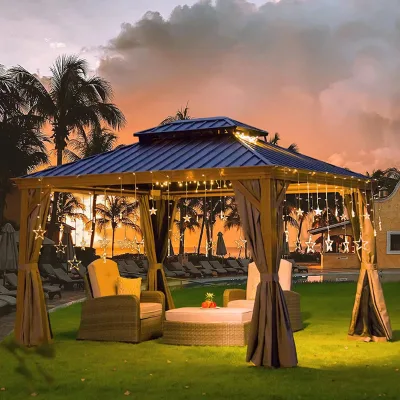
When evaluating the landscape for Modern Wood Gazebo suppliers, buyers must first understand the geographic and structural distribution of manufacturing capabilities. The available data indicates that significant manufacturing activity is concentrated in specific Chinese provinces, notably Zhejiang and Guangdong. Zhejiang is identified as a key location for factories producing a wide array of outdoor structures, including aluminum and steel gazebos, which often share supply chains with wooden variants. Guangdong, on the other hand, hosts manufacturers specializing in high-end, modern styles, such as aluminum alloy pergolas and luxury outdoor louvers, suggesting a cluster of advanced fabrication techniques that may also apply to premium wood treatments. These regional clusters are critical because they often dictate the availability of raw materials, skilled labor, and specialized finishing equipment. Buyers should look for suppliers located in these established industrial hubs, as they are more likely to have the infrastructure required for complex modern designs. However, it is important to note that not all suppliers in these regions may explicitly list "wood" as their primary material in their main product descriptions, as many focus on aluminum or steel. Therefore, identifying true wood specialists requires digging deeper into their specific product catalogs rather than relying solely on broad category tags.
The type of company behind the product also plays a pivotal role in determining quality and flexibility. The observed supplier base includes both Manufacturer/Factory entities and pure Manufacturers, indicating a mix of direct production facilities and potentially integrated trading operations. Direct factories typically offer greater control over the customization process, allowing for specific modifications to wood grain, treatment, and joinery. In contrast, trading companies might offer a broader range of styles but with less direct oversight of the manufacturing floor. The data shows that many suppliers offer OEM and ODM services, which is crucial for buyers seeking unique Modern Wood Gazebo designs that differ from standard catalog items. This capability suggests that these factories are equipped to handle custom orders, including specific wood types and finishes. Buyers should prioritize suppliers who explicitly state their ability to customize materials and structures, as this is a key differentiator in the Modern Wood Gazebo market. Understanding whether a supplier is a direct factory or a trading entity helps in negotiating better prices and ensuring clearer communication regarding production timelines and quality control measures.
How to Verify Modern Wood Gazebo Suppliers
Verifying the legitimacy and capability of Modern Wood Gazebo suppliers requires a multi-layered approach that goes beyond surface-level listings. One of the most critical steps is to check for third-party verification badges, such as those provided by TÜV Rheinland. The presence of such verification indicates that the supplier has undergone rigorous audits regarding their business operations, production capacity, and quality management systems. Buyers should look for suppliers who display these verification marks prominently, as they serve as a baseline assurance of the company's existence and operational integrity. Additionally, system certifications like ISO 9001 and ISO 9000 are strong indicators of a supplier's commitment to standardized quality processes. These certifications are particularly important for wood products, where consistency in treatment and assembly is vital for durability. Suppliers who hold these certifications are more likely to have documented procedures for sourcing raw materials, treating wood against pests and weather, and conducting final inspections. Buyers should request copies of these certificates and verify their validity through the issuing bodies to ensure they are current and applicable to the specific products being ordered.
Beyond certifications, buyers should assess the supplier's responsiveness and transparency in communication. The response time metric is a useful indicator of a supplier's operational efficiency and customer service quality. A faster response time, such as the 13.68 hours observed in some Zhejiang-based suppliers, suggests a more agile and attentive team that is likely to provide timely updates and support throughout the order process. However, buyers should not rely solely on this metric; they should also evaluate the quality and detail of the responses received. Suppliers who provide comprehensive answers to technical questions about wood treatment, joinery, and finishing demonstrate a higher level of expertise. Furthermore, buyers should inquire about the supplier's production capacity and lead times. While some suppliers may list a lead time of zero, this often indicates a placeholder or stock availability rather than a realistic production schedule. Buyers should seek clarification on actual production timelines, especially for custom wood orders, to avoid delays. Asking for references or case studies of previous projects can also provide valuable insights into the supplier's reliability and the quality of their finished products.
What to Compare Across Modern Wood Gazebo Suppliers
When comparing suppliers, buyers must evaluate a range of operational and product-specific attributes to find the best fit for their needs. One of the most significant factors is the Minimum Order Quantity (MOQ). The data shows a wide variation in MOQs, ranging from as low as 1 unit for some modern aluminum pergolas to 100 or even 200 units for steel gazebos. For buyers seeking modern wood gazebos, understanding the MOQ is crucial for budgeting and inventory management. Suppliers with lower MOQs may be more suitable for small-scale projects or trial orders, while those with higher MOQs might offer better per-unit pricing for larger volumes. Buyers should also compare the customization options available. Some suppliers offer extensive customization, including specific wood types, finishes, and structural modifications, while others may have more limited options. The ability to customize is often reflected in the supplier's OEM and ODM capabilities, which should be clearly stated in their product descriptions. Buyers should inquire about the extent of customization allowed and any associated costs or lead time implications.
Price and payment terms are another critical area for comparison. The observed price ranges for similar outdoor structures vary significantly, with some products listed at as low as $51 and others at $151 per unit. While these prices may not directly reflect wood gazebo costs, they provide a benchmark for the supplier's pricing strategy. Buyers should request detailed quotations that break down costs for materials, labor, and shipping. It is also important to compare the packaging and shipping methods, as these can impact the final cost and condition of the delivered product. Some suppliers use carton box packing, while others may use wooden box packing for higher protection. The choice of packaging can affect the durability of the wood during transit and should be considered when evaluating the overall value. Additionally, buyers should compare the supplier's response to inquiries and their willingness to provide samples. A supplier who is willing to provide samples or detailed product specifications demonstrates confidence in their quality and a commitment to customer satisfaction. These factors, when combined, provide a comprehensive view of each supplier's value proposition.
Common Modern Wood Gazebo Sourcing Risks
Sourcing modern wood gazebos involves several inherent risks that buyers must proactively manage to ensure a successful procurement process. One of the primary risks is the variability in wood quality and treatment. Unlike metal structures, wood is a natural material that can vary in grain, density, and susceptibility to environmental factors. Buyers must ensure that suppliers use properly treated wood that is resistant to rot, insects, and weathering. The lack of specific information on wood treatment standards in some supplier listings is a red flag. Buyers should explicitly ask about the type of preservative used, the duration of the treatment process, and whether the wood is certified by relevant forestry standards. Failure to verify these details can result in premature degradation of the gazebo, leading to costly replacements and customer dissatisfaction. Additionally, buyers should be cautious of suppliers who do not provide detailed specifications on the wood species used, as different species have different durability and aesthetic characteristics.
Another significant risk is the potential for miscommunication regarding design and customization. Modern wood gazebos often involve complex joinery and specific aesthetic requirements that may be difficult to convey through standard product catalogs. Buyers must ensure that they have clear and detailed drawings or 3D models that specify every aspect of the design, including dimensions, wood grain orientation, and finish colors. Suppliers who rely on vague descriptions or generic images may not fully understand the buyer's requirements, leading to discrepancies in the final product. To mitigate this risk, buyers should insist on a pre-production sample or a detailed approval process before mass production begins. This allows for the identification and correction of any issues early in the process. Furthermore, buyers should be aware of the potential for lead time delays, especially for custom orders. Suppliers who list unrealistic lead times or fail to communicate proactively about delays can disrupt project schedules. Establishing clear communication channels and regular check-ins with the supplier can help manage expectations and address issues as they arise.
Modern Wood Gazebo Regional Sourcing and Logistics
The geographic location of suppliers significantly impacts logistics, shipping costs, and delivery times for modern wood gazebos. The data indicates that major manufacturing clusters are located in Zhejiang and Guangdong provinces in China. Zhejiang is known for its robust manufacturing infrastructure and is a hub for various outdoor furniture and structure producers. Suppliers in this region may offer competitive pricing and a wide range of products, including aluminum and steel gazebos, which can be leveraged for bundled orders. Guangdong, on the other hand, is often associated with higher-end manufacturing and advanced technologies, making it a suitable location for sourcing premium modern wood gazebos with intricate designs. Buyers should consider the proximity of the supplier to major ports, as this can affect shipping efficiency and costs. Suppliers located near ports like Ningbo or Shenzhen may have better access to international shipping routes, potentially reducing transit times.
Logistics planning is crucial for ensuring that the wood gazebos arrive in good condition. Wood is sensitive to moisture and temperature changes, so proper packaging and shipping methods are essential. Buyers should inquire about the supplier's packaging standards, including the use of waterproof materials and sturdy crates. Some suppliers use carton box packing, which may be sufficient for smaller components but may not provide adequate protection for larger wooden structures. Others may use wooden box packing, which offers superior protection but adds to the shipping weight and cost. Buyers should also consider the impact of shipping on the wood's condition, such as the risk of warping or mold growth during transit. Working with suppliers who have experience in exporting wood products and who understand the specific requirements of international shipping can help mitigate these risks. Additionally, buyers should factor in customs clearance times and any potential tariffs or duties that may apply to wood products in their destination country. Understanding these logistical factors allows for more accurate cost estimation and delivery planning.
Modern Wood Gazebo Commercial Terms and Order Planning
Effective order planning for modern wood gazebos requires a clear understanding of commercial terms and the ability to negotiate favorable conditions. Buyers should pay close attention to the supplier's payment terms, including the deposit percentage and the balance payment schedule. Common terms may include a 30% deposit upon order confirmation and the remaining 70% before shipment. However, buyers should strive for terms that protect their interests, such as payment against a copy of the bill of lading or through escrow services if available. The data shows that some suppliers have verification badges like TÜV Rheinland, which can provide an additional layer of security for transactions. Buyers should also inquire about the supplier's warranty policy and after-sales support. A reputable supplier should offer a warranty on their products, covering defects in materials and workmanship. Understanding the terms of the warranty, including the duration and the process for making a claim, is essential for long-term satisfaction.
Lead time management is another critical aspect of order planning. While some suppliers may list a lead time of zero, this is often indicative of stock availability rather than production time. For custom wood gazebos, lead times can vary significantly based on the complexity of the design and the availability of raw materials. Buyers should request a realistic production schedule from the supplier, including milestones for material procurement, production, and quality inspection. This allows for better coordination with project timelines and ensures that the gazebos are delivered when needed. Buyers
FAQs
What is the minimum order quantity for modern gazebos?
The minimum order quantity varies by supplier and product model. Some manufacturers require a minimum of 100 units for standard steel or aluminum gazebos, while others may accept orders as low as one unit for custom pergolas. Buyers should verify the specific MOQ for their chosen model and customization level before placing an order.
How long does production take for outdoor gazebos?
Production lead times depend on the supplier and order volume. Some manufacturers report a lead time of 30 days for complex structures like aluminum pergolas. Other suppliers may list zero days for immediate stock items. Buyers must confirm the exact lead time with the supplier to ensure timely delivery for their project.
Are modern gazebos available with custom colors?
Yes, many suppliers offer customization options for gazebo colors. Manufacturers often allow buyers to select any color for the frame or canopy, such as amber, gold, grey, or brown. Customization is typically available for both steel and aluminum structures, allowing buyers to match their outdoor decor preferences precisely.
What certifications do gazebo suppliers hold?
Reputable suppliers often hold ISO 9001 and ISO 9000 certifications for quality management systems. Some also possess BSCI certification for social compliance. Products may be tested against SGS standards. Buyers should verify specific certifications with the supplier to ensure they meet their regional safety and quality requirements.
Where are modern gazebo manufacturers located?
Major manufacturers are located in China, specifically in Zhejiang and Guangdong provinces. Zhejiang suppliers often specialize in foldable gazebos and outdoor furniture. Guangdong suppliers frequently produce modern aluminum pergolas and hardtop structures. Buyers can filter results by these locations to find suppliers with established manufacturing capabilities.
What materials are used for gazebo frames?
Frames are commonly made from steel, aluminum alloy, or stainless steel. Some luxury models may incorporate wood or other materials. Steel frames are often coated with PA for waterproofing. Aluminum frames offer lightweight durability. Buyers should specify their preferred material based on strength, weight, and aesthetic requirements.