Source Modern Brass Ceramic Tap Cartridge for faucets, valves, and systems
Compare 30 listings of Modern Brass Ceramic Tap Cartridge options from verified suppliers. Buyers can evaluate specifications like size, material, and certifications to find suitable parts for residential and commercial plumbing applications; compare the available evidence and request quotations based on your requirements.
Updated
Key considerations
Products List


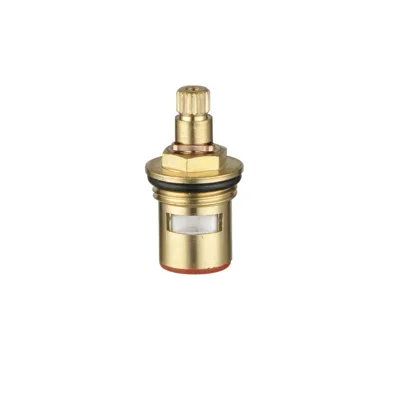


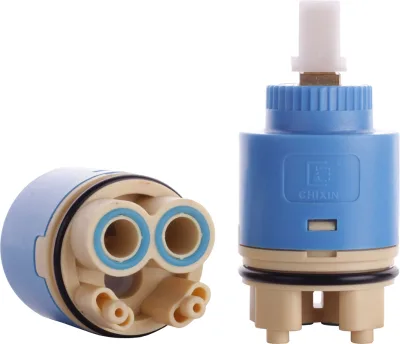
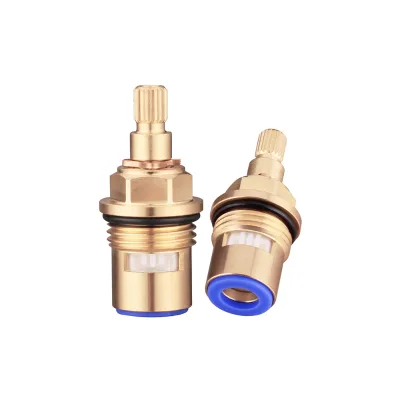
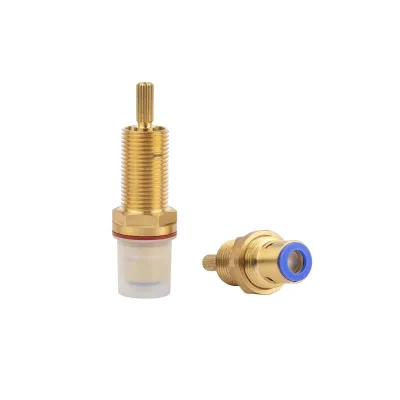
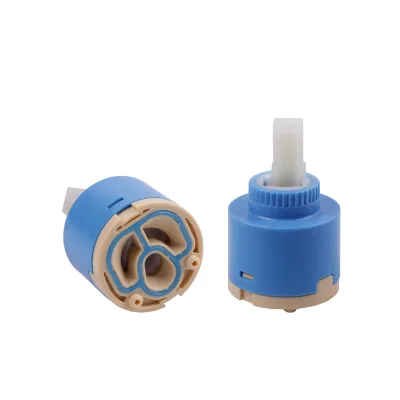
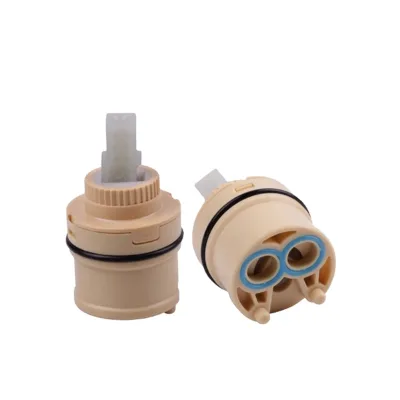
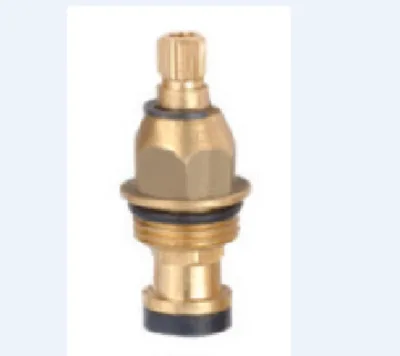
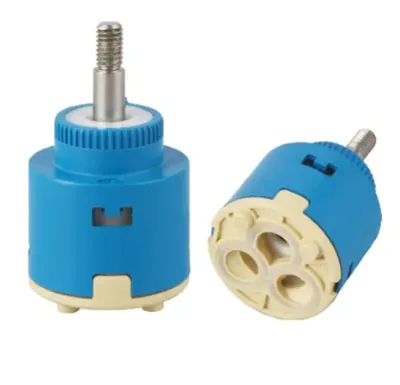
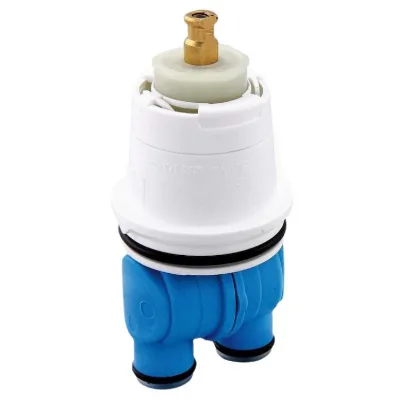
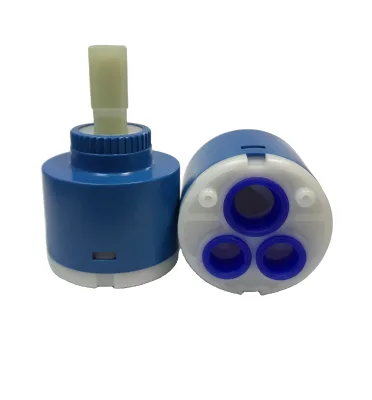
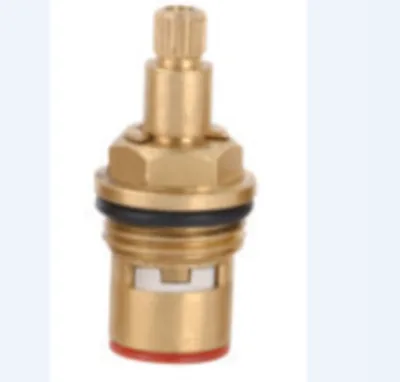


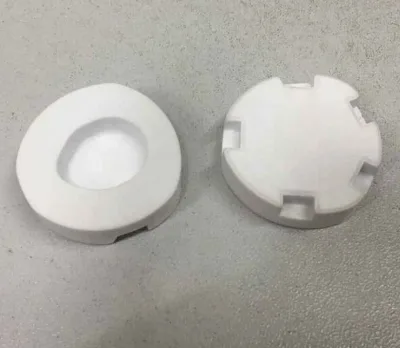

Comprehensive Sourcing Guide
Modern Brass Ceramic Tap Cartridge Sourcing Guide
Sourcing modern brass ceramic tap cartridges requires a disciplined approach to verifying material integrity and mechanical compatibility. Buyers must prioritize suppliers who provide transparent evidence of brass composition and forging techniques, as these factors directly influence the longevity and leak resistance of the final fixture. The observed market data indicates a wide variance in product specifications, ranging from fast-open mechanisms to slow-opening designs, which necessitates precise alignment with the intended faucet valve type. Procurement teams should focus on establishing clear technical requirements before engaging with manufacturers to avoid mismatches in size, pressure rating, or operational style.
The commercial landscape for these components is characterized by significant flexibility in customization and order volumes. Observed minimum order quantities span from 60 to 5,000 units, allowing both small-scale retailers and large distributors to find suitable entry points. However, the diversity in single package weights and dimensions suggests that logistics planning must be tailored to specific supplier offerings. Buyers should evaluate the total landed cost, including packaging variations and potential OEM branding fees, rather than focusing solely on the unit price. This holistic view ensures that the procurement strategy supports both immediate inventory needs and long-term brand consistency.
Product Scope and Observed Listing Signals
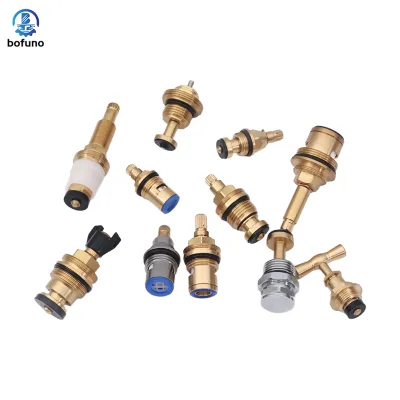
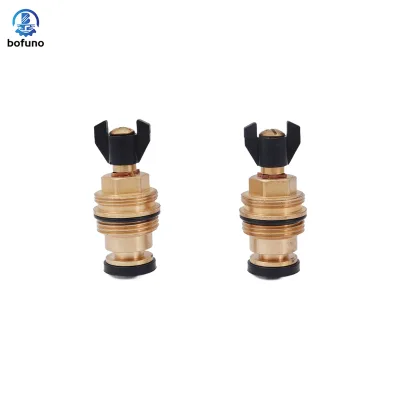
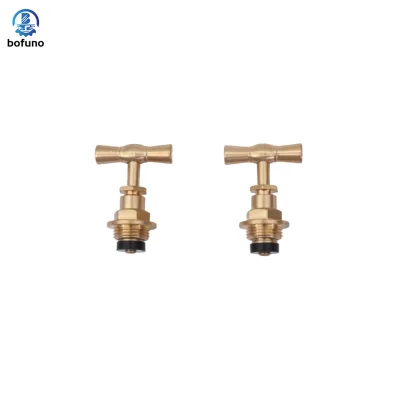
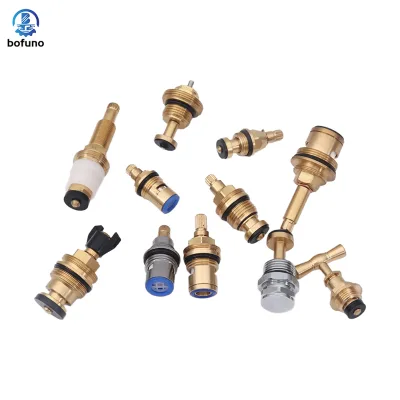
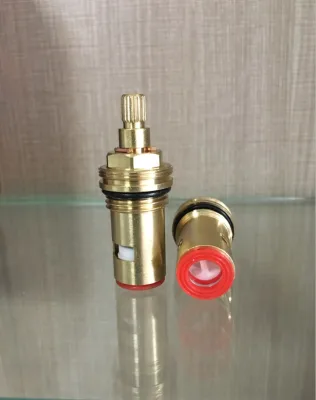
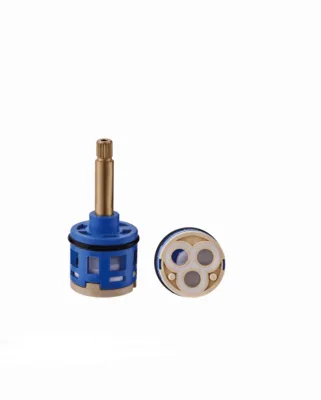
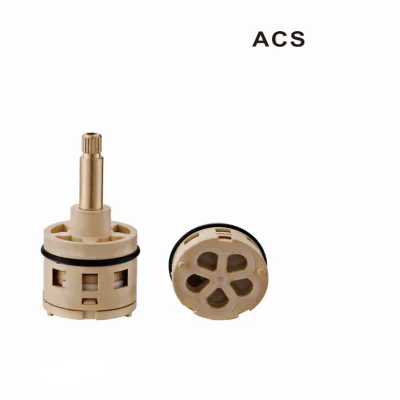
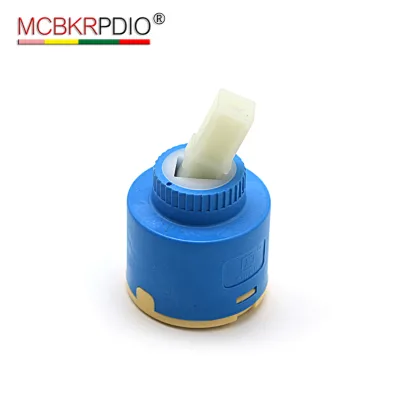
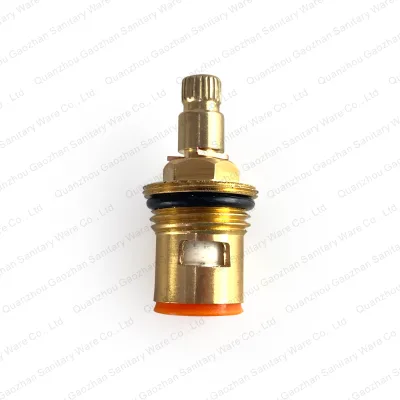
The current market listings reveal a broad spectrum of brass cartridge types, primarily categorized by their opening mechanism and structural design. Products are frequently described as either fast-open or slow-opening, with some listings explicitly noting their use for faucet valves. The material composition is consistently identified as brass or brass/copper, often featuring a natural color finish. These attributes suggest that the core product scope covers essential replacement parts for residential and commercial plumbing systems, with a strong emphasis on durability and aesthetic neutrality. Buyers should carefully distinguish between these mechanical variations to ensure compatibility with existing faucet assemblies.
Listing signals also highlight significant variability in packaging and physical dimensions, which impacts storage and handling efficiency. Observed single package sizes range from compact 2.5x3.0x5.0 cm boxes to larger 10x10x10 cm units, reflecting different internal protection strategies such as foam plates or custom requests. The gross weight of individual packages varies notably, from 0.05 kg to 0.23 kg, indicating differences in protective packaging density or included accessories. These logistical details are critical for warehouse planning and shipping cost estimation. Procurement teams must request specific packing diagrams to accurately forecast freight expenses and storage requirements.
Technical Specifications to Verify
Verifying the precise dimensional compatibility of brass cartridges is the most critical technical step in the sourcing process. Listings indicate available sizes such as 1/2, 3/4, and 3/8 inches, alongside specific model numbers like bofuno or CA001. Buyers must confirm that the cartridge diameter and stem length match the internal geometry of the target faucet valve exactly. Mismatches in these dimensions can lead to installation failures or premature wear. It is essential to request detailed engineering drawings or physical samples to validate these measurements before committing to bulk orders, ensuring that the mechanical fit is flawless.
Operational parameters and environmental resistance are equally important technical considerations for long-term performance. The observed work temperature range of -20°C to 110°C suggests suitability for standard household hot and cold water applications. However, buyers should verify the ceramic disc quality and seal material compatibility with local water chemistry to prevent scaling or corrosion. Additionally, the installation type, such as deck-mounted or single-hole configurations, must align with the faucet design. Confirming these technical specifications with the supplier ensures that the cartridges will perform reliably under expected usage conditions and pressure variations.
Compliance and Safety Documentation
Certification verification is a non-negotiable aspect of sourcing brass plumbing components to ensure regulatory compliance and market access. Listings frequently mention certifications such as CE, ROHS, and ISO 9001, which indicate adherence to European safety standards and quality management systems. Buyers must request valid, up-to-date copies of these certificates and verify their authenticity through the issuing bodies. This due diligence protects against counterfeit documentation and ensures that the materials used in the cartridges meet strict environmental and safety requirements, particularly regarding lead content and heavy metal restrictions.
Standard compliance further reinforces the reliability of the supply chain. References to ISO and ASTM standards suggest that the manufacturing processes follow internationally recognized benchmarks for quality and testing. Buyers should inquire about specific test reports related to pressure cycling, leakage, and material durability. These documents provide objective evidence of product performance beyond marketing claims. Establishing a clear requirement for certified documentation in the purchase agreement ensures that suppliers maintain consistent quality levels and provide the necessary paperwork for customs clearance and regulatory audits in the destination market.
Cost Drivers and Commercial Terms
Understanding the factors that influence pricing is essential for effective budget management and negotiation. The observed price range of 0.23 to 23.36 USD reflects significant differences in material quality, manufacturing complexity, and packaging standards. Higher-priced items may feature superior brass alloys, more precise machining, or enhanced protective packaging. Buyers should analyze the cost structure relative to the specified minimum order quantities, which range from 60 to 1,000 units. Larger orders often unlock better unit pricing, but the total investment must be balanced against inventory holding costs and cash flow constraints.
Commercial terms also encompass customization options and after-sales support, which add value beyond the physical product. Many suppliers accept OEM requests and offer graphic design services, allowing brands to maintain a consistent identity. After-sale services such as online technical support and onsite installation guidance can reduce operational friction during product deployment. Buyers should clarify the scope of these services and any associated costs. Negotiating clear warranty terms, such as the observed one-year or multi-year guarantees, provides additional financial protection against defects. These terms should be explicitly stated in the contract to ensure enforceability.
Supplier Qualification and Quality Control
Supplier qualification requires a thorough assessment of manufacturing capabilities and quality assurance processes. Buyers should verify the supplier’s production capacity and consistency, particularly given the observed place of origin in regions like Zhejiang and Guangdong, China. These areas are known for robust manufacturing ecosystems, but due diligence is necessary to ensure that quality control is maintained across all batches. Requesting information about in-house testing facilities and inspection protocols helps gauge the supplier’s commitment to product reliability. A transparent quality management system is a strong indicator of a dependable long-term partner.
Quality control measures should extend to the packaging and shipping stages to prevent damage during transit. The variety of packaging methods observed, from foam plates to custom requests, highlights the importance of protective standards. Buyers should specify packaging requirements in the purchase order and conduct random inspections upon receipt. Establishing a clear defect rate threshold and a process for handling non-conforming goods is crucial. Regular communication with the supplier regarding quality feedback helps drive continuous improvement. Building a relationship based on mutual accountability ensures that the supplied cartridges meet the expected performance standards consistently.
Long-Term Procurement Checks
Establishing a framework for ongoing performance monitoring is vital for sustaining supply chain efficiency. Buyers should track key performance indicators such as defect rates, delivery timeliness, and responsiveness to technical queries. Regular audits of supplier documentation, including updated certifications and test reports, ensure continued compliance with evolving regulations. This proactive approach helps identify potential issues before they impact production or customer satisfaction. Maintaining a diversified supplier base can also mitigate risks associated with single-source dependencies, providing flexibility in case of supply disruptions or quality concerns.
Continuous evaluation of product performance in the field provides valuable feedback for future sourcing decisions. Collecting data on cartridge longevity and failure modes helps refine technical specifications for subsequent orders. Engaging with suppliers to discuss these insights fosters a collaborative environment focused on innovation and improvement. Buyers should also stay informed about industry trends and new material technologies that may offer enhanced durability or cost savings. By integrating these long-term checks into the procurement strategy, organizations can optimize their spending and ensure a reliable supply of high-quality brass ceramic tap cartridges.
FAQs
What certifications do the brass cartridges have?
The brass cartridges hold CE, ROHS, and ISO 9001 certifications. These standards ensure compliance with international safety and quality requirements. Buyers can verify these credentials to meet regulatory needs in various global markets. The products also adhere to ISO and ASTM standards for consistent performance and reliability in faucet applications.
Can I request custom packaging for orders?
Yes, custom packaging is available upon request. The supplier accepts OEM services and can tailor packing methods to specific buyer needs. Options include foam plate packaging or other configurations as specified. This flexibility supports brand presentation and protects the brass cartridges during transit, ensuring they arrive in optimal condition for installation.
What is the minimum order quantity for these cartridges?
The minimum order quantity is typically 1000 pieces. However, observed ranges indicate MOQs can vary between 60 and 5000 units depending on the specific product variant. Buyers should confirm the exact MOQ for their selected model number, such as bofuno, to ensure alignment with their procurement volume and budget constraints.
Where are these brass cartridges manufactured?
These brass cartridges are manufactured in China, specifically in Zhejiang and Guangdong provinces. This location provides access to established supply chains for brass materials and precision forging techniques. Buyers sourcing from these regions benefit from mature industrial infrastructure and efficient logistics networks for global distribution of faucet accessories.
What warranty is provided for the faucet cartridges?
Warranty terms vary by product type, ranging from 1 year to more than 5 years. Specific models offer a 1-year warranty, while others provide extended coverage exceeding five years. Buyers should check the warranty details for the specific cartridge model they intend to purchase to understand the level of protection and after-sales support included.
What sizes are available for the brass cartridges?
Available sizes include 1/2, 3/4, and 3/8 inches, as well as dimensions like 20, 25, 30, 35, and 40 mm. These sizes cater to various faucet valve requirements. Buyers can select the appropriate size based on their specific plumbing system needs, ensuring a proper fit for modern brass ceramic tap installations.