Source Modular Prefab Clean Room for Pharma, Food, and Electronics
Find 30 listings for Modular Prefab Clean Room systems designed for precision industry, pharmaceutical, and food applications. Buyers can compare features like HEPA filtration, ISO certifications, and customizable sizes to select the right solution for factory or research facility needs.
Key considerations
Products List


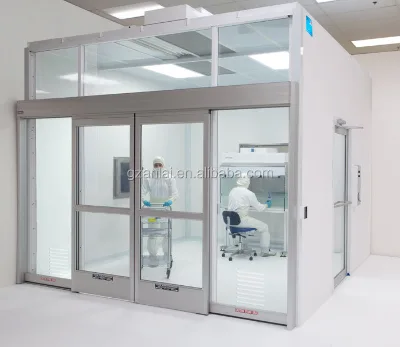
Factory Direct Supply Modular Cleanroom Clean Room With Hepa Filter
$1944.52 - $7573.40
MOQ: 1 Minimum
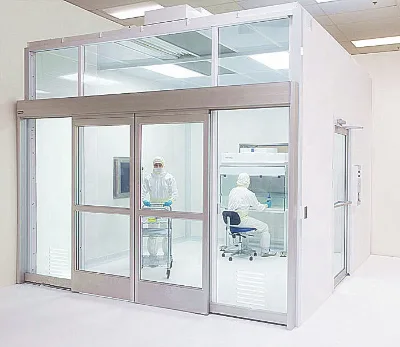


GMP Standard High Efficiency Class 100 Cleanliness Modular Clean Room
$8000.00 - $100000.00
MOQ: 1 Pieces

High Quality Class 1000 Cleanliness GMP Standard Modular Clean Room
$8000.00 - $100000.00
MOQ: 1 Pieces

Professional Design Modular Cleanroom Project with High Quality
$220.00 - $250.00
MOQ: 1 Square Meters


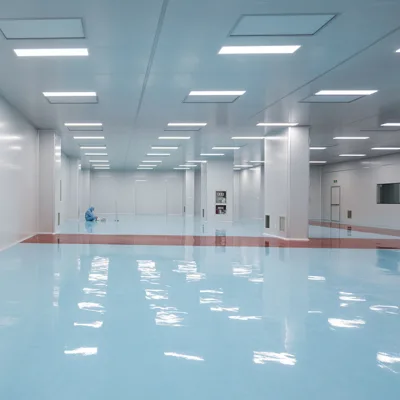


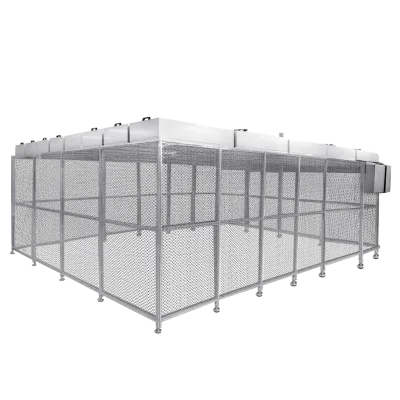
Comprehensive Sourcing Guide
Strategic Sourcing Guide for Modular Prefab Clean Rooms
Understanding Modular Clean Room Architecture and Technical Specifications
The procurement of modular prefab clean rooms requires a precise understanding of their architectural flexibility and technical composition. Unlike traditional construction, these units are designed for rapid deployment and scalability, often utilizing a system of pre-fabricated panels and components. The core structural integrity typically relies on materials such as stainless steel or rolled steel plates for flange covers, ensuring durability in industrial environments. The outer walls frequently incorporate tempered glass or anti-static curtains to maintain a sterile environment while allowing for visual monitoring.
A critical technical specification to evaluate is the cleanliness classification. The observed market data indicates that these systems can achieve cleanliness levels ranging from Class 10 to Class 10,000. This range accommodates diverse needs, from high-precision electronic manufacturing to pharmaceutical processing. The air purification mechanism is central to achieving these standards, often utilizing High Efficiency Particulate Air (HEPA) filters with an efficiency rating of 99.99% at 0.3 micrometers. The filtration system is supported by Fan Filter Units (FFUs), the quantity of which is determined by the specific cleanliness requirements of the facility. The frame materials for these units often include SUS Aluminum or SUS304 stainless steel, providing a balance between corrosion resistance and structural rigidity.
The internal environment is further controlled by HVAC systems capable of managing both temperature and humidity, which is essential for sensitive applications like medicine and food processing. Lighting is typically provided by LED fixtures to minimize heat generation and ensure consistent illumination without compromising the sterile atmosphere. The flooring is commonly specified as PVC, offering a seamless, easy-to-clean surface that resists chemical degradation. Access points are designed with single or double swing doors, and windows are often constructed from double-tempered glass to ensure safety and structural integrity. The modular nature allows for customization of size and layout, making these units adaptable to various factory floor plans.
Compliance, Certification, and Regulatory Standards
Navigating the compliance landscape is a paramount responsibility for procurement teams. When sourcing modular clean rooms, buyers must verify that the equipment meets the specific regulatory requirements of their industry and geographic location. The market data reveals a variety of certifications associated with these products, including ISO, CE, UL, CCC, RoHS, CSA, and UR. It is crucial to understand that while a supplier may list these certifications, the specific validity and scope for the purchased unit must be confirmed. For instance, ISO certification often refers to quality management systems, while CE marking indicates conformity with health, safety, and environmental protection standards for products sold within the European Economic Area.
Buyers should not assume that a single product listing satisfies all potential regulatory needs. The presence of certifications like ISO9001 suggests a commitment to quality management processes, but the physical product itself must be tested against relevant standards. In the context of clean rooms, the "Standard Customize" or "OEM/ODM" status indicates that the product can be tailored to meet specific national or industry standards. However, the buyer must explicitly request documentation proving that the customized configuration retains the integrity of the original certifications.
For industries such as pharmaceuticals and food processing, additional regulatory bodies may require specific validation. The observed data mentions "Medicine" and "Food Industry" as key applications, implying that the clean room must adhere to Good Manufacturing Practice (GMP) guidelines. While the provided facts list certifications like RoHS, which restricts hazardous substances, this is a component-level standard that must be verified for the entire assembly. Procurement teams should demand a compliance matrix that maps each certification to the specific component or system within the clean room, ensuring that the final delivered product is fully compliant with local laws and international trade requirements.
Cost Drivers and Financial Considerations
The financial landscape of modular clean room procurement is influenced by several dynamic factors. The observed price range in the market spans from $3.22 to $100,000, a variance that reflects the immense diversity in scale, complexity, and customization levels. A unit priced at the lower end of this spectrum is likely a small, pre-configured module, whereas the higher end represents a fully integrated, large-scale facility with advanced HVAC and automation features. The Minimum Order Quantity (MOQ) also varies significantly, ranging from 1 to 1,000 units, indicating that suppliers cater to both pilot projects and mass industrial deployments.
Key cost drivers include the material selection, such as the choice between standard rolled steel plates and premium stainless steel (SUS304). The inclusion of intelligent features, such as voice-activated controls or automatic shutter doors, adds to the unit cost. Furthermore, the customization of size and the specific cleanliness class required (e.g., Class 10 vs. Class 10,000) directly impact the number of HEPA filters and FFUs needed, which are significant cost components. The packaging method, often a wooden case or standard export package, also contributes to the overall logistics cost, especially for international shipments originating from China.
Buyers must also consider the total cost of ownership, which extends beyond the initial purchase price. The warranty period, typically ranging from 1 to 2 years, is a critical factor in financial planning. A longer warranty may indicate higher confidence in product durability but could come at a premium. Additionally, the availability of after-sales services, such as field installation, commissioning, and training, should be factored into the budget. These services are essential for ensuring the clean room operates correctly from day one, preventing costly downtime or contamination events. The procurement strategy should balance the upfront capital expenditure with the long-term operational efficiency and maintenance costs.
Typical Applications and Industry Suitability
Modular prefab clean rooms are versatile solutions designed to meet the stringent requirements of multiple high-tech and regulated industries. The primary applications identified in the market data include the precision industry, pharmaceutical manufacturing, food processing, and the precision electronic industry. In the pharmaceutical sector, these rooms are essential for maintaining the sterility required for drug production and packaging, ensuring compliance with strict hygiene protocols. The food industry similarly relies on these environments to prevent contamination and extend shelf life, particularly in specialized workshops handling sensitive products.
The electronic processing sector utilizes clean rooms to protect sensitive components from dust and static electricity. The use of anti-static materials, such as PVC curtains and specific flooring, is critical in electrostatic workshops where even microscopic particles can damage microchips. Heavy industry and textile processing also benefit from these modular units, which can be configured to handle dust-proof requirements in specialized workshops. Research facilities and warehouses may also employ these systems to create controlled environments for storage and experimentation.
The suitability of a specific clean room model depends heavily on the "Applicable Object." For instance, units designed for "People Shower" applications are tailored for personnel entry, featuring air showers to remove contaminants before entering the main clean zone. In contrast, other configurations may focus on material transfer via pass boxes or specialized windows. The "Use Nature" being "Production" indicates that these units are built for continuous operation, requiring robust construction and reliable HVAC systems. Buyers must align the specific application requirements with the clean room's features, such as the noise level (40-60dB) and lighting type, to ensure the environment supports the intended workflow.
Supplier Evaluation and Quality Assurance Protocols
Evaluating suppliers for modular clean rooms requires a rigorous approach to quality assurance and capability assessment. The presence of OEM/ODM capabilities suggests that suppliers can customize products to specific client needs, but this flexibility must be managed through strict quality control protocols. Buyers should verify the supplier's ability to provide detailed technical drawings and specifications that match the agreed-upon design. The "Condition: New" status of the products implies that buyers should inspect the manufacturing process to ensure no reconditioned or used components are being sold as new.
Quality control should extend to the materials used. For example, the frame material (SUS Aluminum) and the FFU cabinet material (SUS304) must be verified for grade and thickness. The HEPA filter efficiency of 99.99% at 0.3 micrometers is a critical performance metric that should be validated through third-party testing reports. Buyers should also assess the supplier's track record in providing after-sales services, including field installation and commissioning. The ability to offer training to the client's staff is a strong indicator of a supplier's commitment to long-term customer success.
When evaluating suppliers, it is essential to check the consistency of their product offerings. The data shows variations in certifications and standards, such as "Standard Customize" versus "OEM/ODM." A reliable supplier should be able to clearly articulate the difference and ensure that the final product meets the specific standard required by the buyer. The packaging method, whether a wooden case or standard export package, should be robust enough to prevent damage during transit, especially for international shipments from China. Buyers should request references from previous clients in similar industries to gauge the supplier's reliability and performance history.
Long-Term Procurement and Operational Sustainability
Sourcing modular clean rooms is not merely a one-time transaction but a strategic decision that impacts long-term operational efficiency. The modular design allows for future expansion or reconfiguration, making it a sustainable choice for growing businesses. However, the longevity of the system depends on the quality of the initial components and the availability of spare parts. The warranty period of 1 to 2 years is a baseline, but buyers should consider the long-term maintenance requirements and the cost of replacing filters or repairing HVAC systems.
Sustainability considerations also include energy efficiency. The use of LED lighting and high-efficiency HEPA filters contributes to lower energy consumption, which is beneficial for both cost reduction and environmental compliance. The HVAC system's ability to maintain precise temperature and humidity levels ensures that the clean room remains effective over time, reducing the risk of product spoilage or contamination. Buyers should also evaluate the supplier's commitment to continuous improvement and their ability to support upgrades as technology evolves.
The "Customized Size" and "OEM/ODM" options provide flexibility for future needs, but buyers must ensure that the initial design allows for easy integration of new components. The "Standard Export Package" and "Wooden Case" options should be selected based on the specific shipping requirements and the need for protection during transit. Ultimately, the goal is to establish a partnership with a supplier who can provide not just a product, but a comprehensive solution that supports the buyer's long-term operational goals. By focusing on quality, compliance, and sustainability, buyers can ensure that their investment in modular clean rooms delivers value over the long term.
FAQs
What certifications are available for modular prefab clean rooms?
Available certifications include ISO, CE, UL, CCC, RoHS, CSA, and UR. Buyers must verify that the specific unit purchased holds valid documentation for each listed standard to ensure compliance with local regulations.
Which cleanliness classes can these modular units achieve?
These systems can achieve cleanliness levels ranging from Class 10 to Class 10,000. The specific class depends on the required number of HEPA filters and Fan Filter Units installed for the facility.
Can the size of the modular clean room be customized?
Yes, customized size is available for these modular units. Suppliers offer OEM and ODM services to tailor dimensions and layouts to fit specific factory floor plans and operational needs.
What material is used for the FFU cabinet construction?
The FFU cabinet material is typically SUS304 stainless steel. This material provides necessary corrosion resistance and structural rigidity for maintaining a sterile environment in industrial applications.
How long is the warranty period for these clean room systems?
The warranty period typically ranges from 1 to 2 years. This coverage applies to the new condition of the equipment and may vary based on the specific supplier agreement and components.
What is the noise level of the modular clean room equipment?
The noise level for these units operates between 40 and 60 decibels. This range ensures a quiet environment suitable for precision electronic and pharmaceutical production workflows.
Can these units be used for pharmaceutical applications?
Yes, these units are suitable for medicine and pharmaceutical industry applications. They feature air purification systems and controlled environments required for drug production and packaging compliance.