Source non-slip platform indoor bathing slippers for Bathrooms, Showers, and Spas
Compare 30 listings of non-slip platform indoor bathing slippers featuring EVA materials and anti-slip patterns. Buyers can evaluate sizes, colors, and customization options from Zhejiang suppliers with daily supply capabilities; compare the available evidence and request quotations based on your requirements.
Updated
Key considerations
Products List


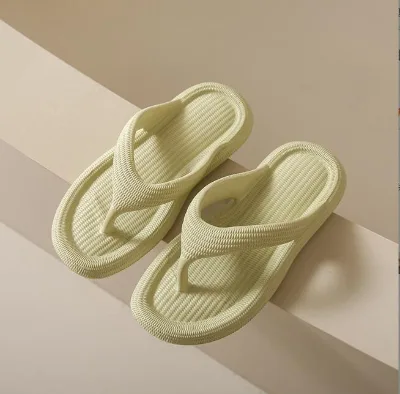


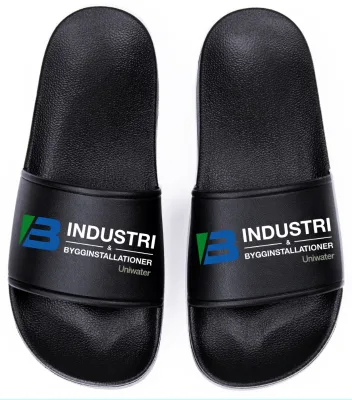
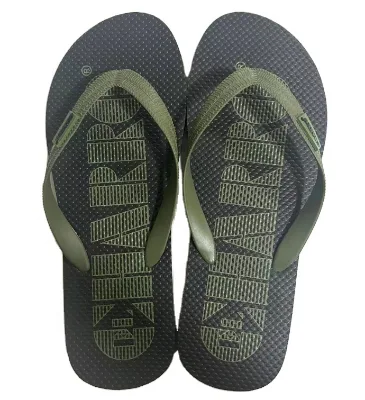
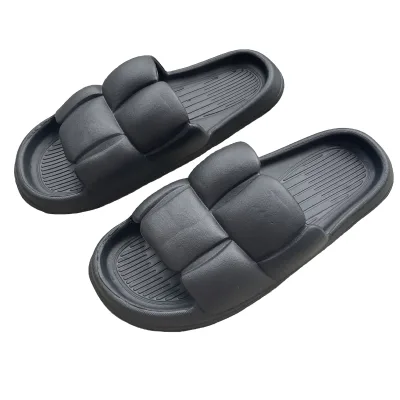


Comprehensive Sourcing Guide
Non-Slip Platform Indoor Bathing Slippers Sourcing Guide
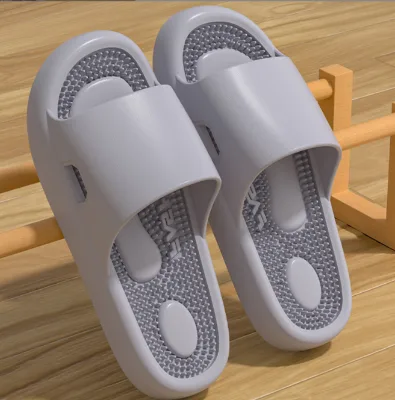
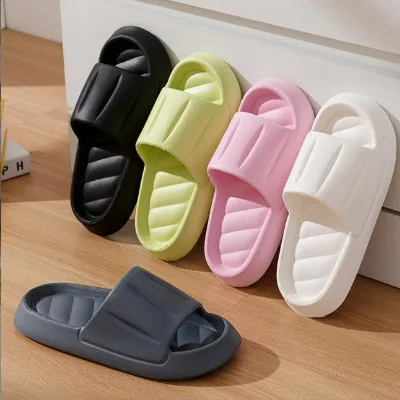
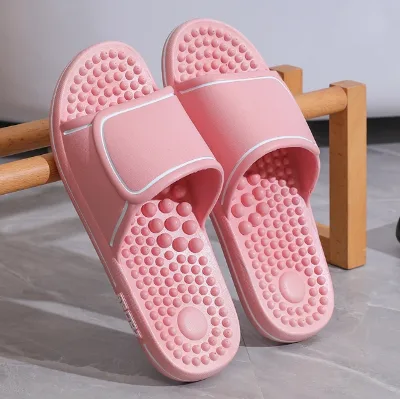
Sourcing non-slip platform indoor bathing slippers requires a clear understanding of the specific material properties and design features that define this category. Based on observed market listings, these products are predominantly manufactured from EVA (Ethylene Vinyl Acetate) foam, which offers a lightweight, waterproof, and shock-absorbing foundation ideal for wet environments. The core keyword highlights the necessity of anti-skid patterns on the sole, a critical safety feature for bathroom use. Buyers must distinguish between generic indoor slippers and specialized bathing footwear, noting that while many listings overlap in style, the platform design and specific tread patterns are key differentiators for slip resistance.
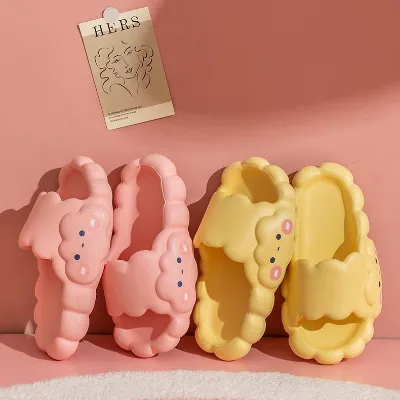
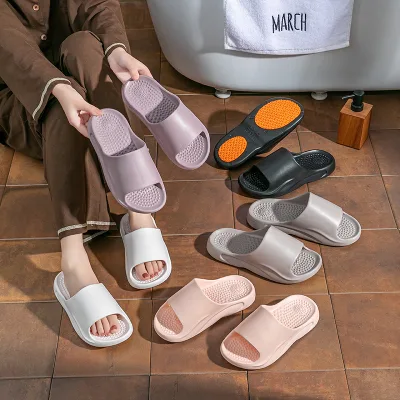
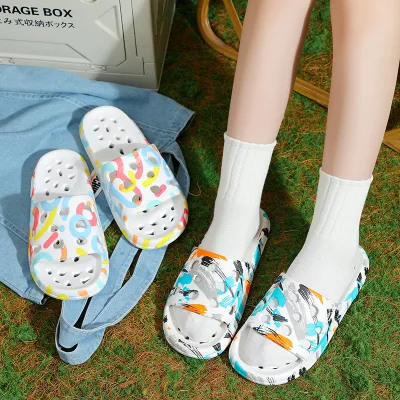
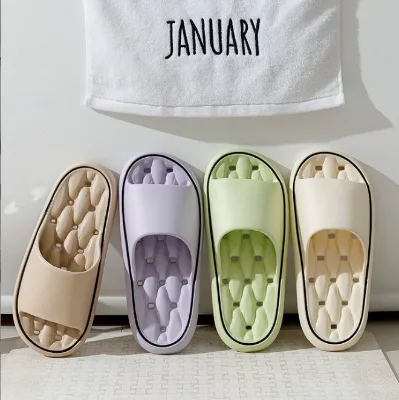
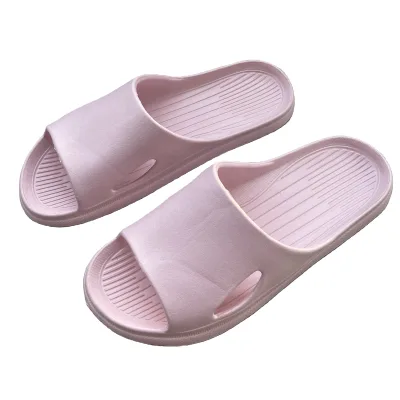
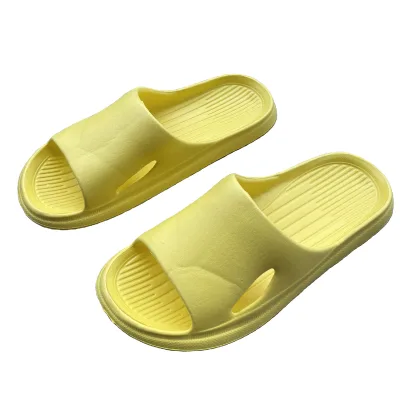
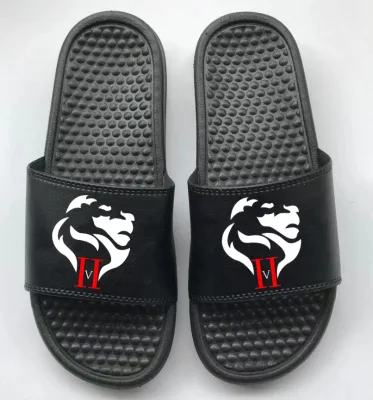
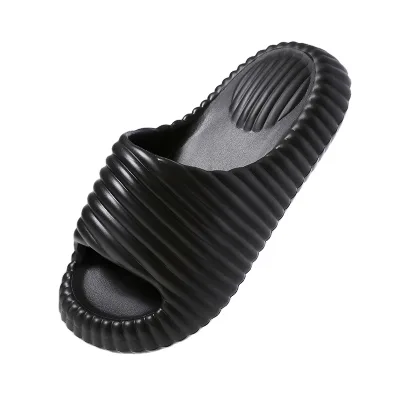
The visual and functional attributes of these slippers often include cloud-like or slide-style designs, catering to both aesthetic preferences and practical comfort. Observed data indicates a wide range of color options, including black, pink, white, yellow, and purple, allowing for customization to match brand identities or interior themes. The gender-neutral nature of most models, labeled as unisex, expands the potential market reach. Procurement teams should focus on verifying the density of the EVA foam, as this directly impacts durability and the "cloud-like" comfort claim, ensuring the product meets the expected tactile experience for end-users in residential or hospitality settings.
Product Scope and Observed Listing Signals
The current market landscape for non-slip platform indoor bathing slippers shows a high volume of listings originating from Zhejiang, China, with Ningbo serving as a primary port of dispatch. This geographic concentration suggests a mature supply chain with established logistics networks, which can benefit buyers through efficient shipping and competitive pricing structures. The observed price range of $0.45 to $31.34 USD reflects significant variation based on material quality, branding, and order volume. Buyers should interpret this wide range as an indicator that low-cost options may compromise on foam density or sole adhesion, while higher-priced items likely offer enhanced durability and custom packaging solutions.
Minimum Order Quantities (MOQs) vary substantially, ranging from as low as one piece for sampling up to 1,500 pairs for bulk production. This flexibility allows small businesses and large retailers alike to enter the market, though higher volumes typically unlock better unit economics. Supply ability is reported at up to 8,000 pairs per day, indicating that suppliers have the capacity to handle large-scale orders without significant lead time delays. However, buyers must confirm actual production capacity during negotiations, as advertised figures may not always reflect real-time factory availability, especially during peak seasons.
Technical Specifications to Verify
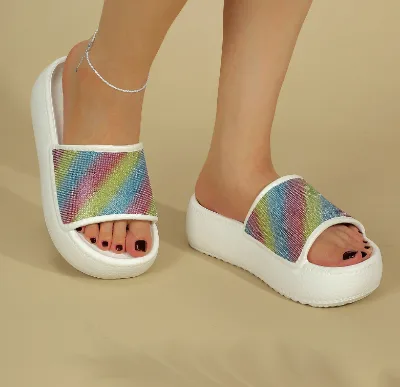
When evaluating technical specifications, the model number and size range are critical identifiers for inventory management and customer satisfaction. Observed models such as Cloud06, 2068, and 83305 suggest distinct design iterations, each potentially offering different sole thicknesses or tread patterns. The size range typically spans EUR 35 to 46, covering most adult foot sizes, but buyers must verify if half-sizes are available or if the sizing runs true to standard European measurements. The platform height, described as mid or low heel, affects stability and comfort, so physical samples should be assessed for balance and ease of walking, particularly for elderly users or those with mobility concerns.
Material composition is another vital technical aspect, with EVA being the dominant upper and lining material due to its waterproof and quick-drying properties. Some listings mention cotton fabric linings, which may offer superior comfort but could retain moisture, making them less suitable for pure bathing environments. Buyers should verify the waterproof rating and ensure that the EVA foam is non-toxic and free from harmful chemicals. Additionally, the anti-slip pattern on the sole must be deep enough to provide traction on wet tiles but not so aggressive that it damages delicate bathroom surfaces. Confirming these details through sample testing is essential before committing to bulk orders.
Compliance and Safety Documentation
Safety compliance is paramount for footwear intended for wet environments, particularly when marketed as bathing slippers. Buyers must request documentation that verifies the anti-slip performance of the sole, ensuring it meets relevant regional safety standards for slip resistance. While specific certification names are not provided in the observed data, buyers should inquire about tests conducted by accredited laboratories to validate the friction coefficients of the EVA material on wet surfaces. This documentation protects against liability issues and ensures that the product performs as advertised in real-world conditions, reducing the risk of accidents in bathrooms or pool areas.
Environmental and chemical safety standards are also critical, especially for products used in close contact with skin. Buyers should verify that the EVA foam complies with regulations regarding phthalates, heavy metals, and other hazardous substances. In markets like the European Union, REACH compliance is often expected, while other regions may have similar restrictions. Requesting Material Safety Data Sheets (MSDS) and third-party test reports helps ensure that the slippers are safe for prolonged use. Additionally, confirming that the manufacturing process adheres to ethical labor standards can enhance brand reputation and meet the growing consumer demand for responsibly sourced products.
Cost Drivers and Commercial Terms
Several factors influence the final cost of non-slip platform indoor bathing slippers, with material quality and customization being primary drivers. The use of high-density EVA foam and intricate anti-slip patterns can increase production costs, while simple designs and standard materials keep prices lower. Customization options, such as private labeling, custom packaging, and unique colorways, add to the unit price but can enhance brand value. Buyers should negotiate clearly on what is included in the quoted price, such as mold fees for custom designs or packaging costs, to avoid unexpected charges later in the procurement process.
Commercial terms, including payment methods and shipping arrangements, significantly impact the overall procurement cost. Standard packaging details indicate that slippers are packed one pair per OPP bag, with 40 pairs per carton, optimizing space and reducing shipping costs. Buyers should leverage this information to calculate freight expenses accurately and compare total landed costs across different suppliers. Lead times for samples are typically 7-15 days, while bulk production lead times should be confirmed based on order volume. Establishing clear terms for quality acceptance and returns ensures that buyers are protected if the delivered goods do not meet the agreed-upon specifications.
Supplier Qualification and Quality Control
Supplier qualification is a crucial step in mitigating procurement risks, requiring a thorough assessment of the manufacturer's capabilities and reputation. Buyers should verify the supplier's production capacity, quality control processes, and past performance with similar orders. Requesting references from existing clients and reviewing audit reports can provide insights into the supplier's reliability and adherence to quality standards. Additionally, assessing the supplier's responsiveness and communication skills is important for ensuring smooth collaboration throughout the procurement process, from sampling to final delivery.
Quality control measures should be implemented at various stages of production to ensure consistency and compliance with specifications. Buyers should define clear quality criteria, including dimensions, material composition, and aesthetic standards, and communicate these to the supplier. Conducting pre-shipment inspections is a recommended practice to identify and rectify any defects before the goods are dispatched. Establishing a robust quality control protocol helps minimize the risk of receiving substandard products and ensures that the final goods meet the expectations of end-users, thereby protecting the buyer's brand reputation.
Long-Term Procurement Checks
Long-term procurement success depends on continuous monitoring of supplier performance and market trends. Buyers should regularly review supplier metrics, such as on-time delivery rates, defect rates, and responsiveness to issues, to ensure ongoing reliability. Building a strong relationship with suppliers can lead to better pricing, priority production, and access to new product innovations. Additionally, staying informed about changes in material costs, regulatory requirements, and consumer preferences allows buyers to adapt their sourcing strategies proactively, maintaining a competitive edge in the market.
Sustainability and ethical sourcing are increasingly important considerations for long-term procurement strategies. Buyers should evaluate suppliers' efforts to reduce environmental impact, such as using recycled materials or implementing energy-efficient manufacturing processes. Engaging with suppliers on sustainability initiatives can enhance brand value and meet the growing demand for eco-friendly products. By prioritizing long-term partnerships and continuous improvement, buyers can build a resilient supply chain that supports business growth and meets the evolving needs of their customers.
FAQs
What materials are used for these cloud slippers?
The slippers are constructed from EVA foam for both the upper and lining, ensuring they are waterproof and durable. This material choice provides shock absorption and a comfortable fit for indoor and outdoor use. The design is non-disposable and not handmade, allowing for consistent manufacturing quality across all sizes from EUR 35 to 46.
Can I customize the packaging for bulk orders?
Yes, customized packing is welcomed for bulk orders. Standard packaging includes one pair per plastic bag with forty pairs per carton, measuring 63 by 45 by 50 cm. This configuration supports efficient shipping, with approximately 7000 pairs fitting in a 20 GP container and 15000 pairs in a 40 GP container for large-scale distribution.
What is the supply ability for these slippers?
The supply ability is 8000 pairs per day, ensuring reliable fulfillment for large orders. This capacity supports consistent production for various styles including cloud-shaped slides and bathroom slippers. Buyers can expect steady output regardless of the selected color or size range, facilitating timely delivery for international shipments dispatched from Ningbo, China.
Which colors are available for these indoor slippers?
Available colors include Black, Pink, White, Yellow, and Purple. Some models also offer Beige options. These color choices cater to diverse aesthetic preferences for unisex indoor and outdoor use. The EVA material allows for vibrant dyeing while maintaining the anti-slip pattern and shock-absorbing properties essential for safe and comfortable daily wear.
How long does it take to produce samples?
The sample time is 7 to 15 days, allowing for quality verification before bulk production. This timeframe ensures that buyers can assess the comfort, fashion, and durability features of the cloud slippers. Once approved, the manufacturing process leverages a daily supply ability of 8000 pairs to meet subsequent order deadlines efficiently.
Are these slippers suitable for summer use?
Yes, these slippers are designed for spring, summer, and autumn seasons. The EVA foam construction is waterproof and breathable, making them ideal for warm weather. The anti-slip pattern ensures safety on wet surfaces, while the mid or low heel options provide stability. Their unisex design and durable features make them versatile for various indoor and outdoor environments.