Source Non Spill Metal Twist Lids for jars bottles and cans
Compare 30 listings of Non Spill Metal Twist Lids available in various sizes and colors. Buyers can review customization options, MOQs, and delivery times for glass jars, bottles, and canned food applications.
Key considerations
Products List


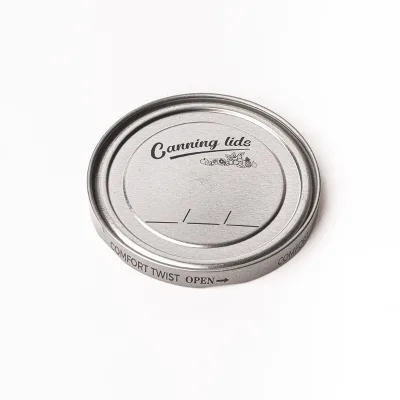

Manufacturer Customized Easy Open End Tinplate Metal Cover Easy Open Can Lid
$0.01 - $0.02
MOQ: 10000 Pieces


Easy to Open Lid Manufacturers Sell Aluminum Easy to Open Lids Directly
$0.01 - $0.03
MOQ: 150000 Pieces


Comprehensive Sourcing Guide
Non Spill Metal Twist Lids Sourcing Guide
Sourcing non-spill metal twist lids requires a disciplined approach to verifying closure integrity, material compatibility, and supply chain reliability. These components are critical for maintaining product freshness and preventing leakage in glass packaging systems used across food, beverage, and industrial sectors. Buyers must distinguish between generic metal caps and specialized non-spill designs that incorporate internal sealing mechanisms or specific thread geometries to ensure a hermetic seal. The procurement process involves evaluating technical specifications, compliance documentation, and commercial terms to mitigate risk and ensure consistent performance.
This guide provides evidence-based procurement strategies for sourcing metal twist-off lids, focusing on observable listing signals, technical verification, and supplier qualification. By adhering to structured evaluation criteria, buyers can identify suppliers who meet rigorous quality standards and deliver products that align with their specific application requirements. The following sections detail the key considerations for sourcing these components effectively, ensuring that procurement decisions are grounded in factual data and industry best practices.
Product Scope and Observed Listing Signals
The market for metal twist lids encompasses a variety of closure types, including standard twist-off caps, flip-top caps, and screw caps, each serving distinct functional needs. Observed product listings indicate a wide range of standard sizes, typically spanning from 38mm to 82mm, with some suppliers offering extended ranges up to 113mm. These dimensions correspond to common glass jar and bottle neck finishes, ensuring compatibility with existing filling and capping equipment. Buyers should verify that the listed standard sizes match their specific bottle neck finishes to avoid integration issues during production.
Listing signals also reveal significant customization options, including color, logo printing, and packaging configurations. Suppliers frequently offer customization for colors such as black, white, gold, silver, and red, allowing brands to align packaging with their visual identity. Additionally, many suppliers provide free samples and accept OEM orders, facilitating product testing and brand integration. However, buyers must carefully review minimum order quantities (MOQs), which can vary significantly based on size and customization requirements, with some sizes requiring MOQs of 30,000 to 50,000 pieces.
Technical Specifications to Verify
Material composition is a primary technical specification to verify, with listings indicating the use of metal and tin as common materials. These materials are chosen for their durability, formability, and resistance to corrosion, ensuring the longevity of the closure. Buyers should confirm the specific metal grade and any internal coatings or linings that may be required for food safety or chemical resistance. The material grade should align with the intended application, whether for food, chemical, cosmetic, or industrial products, to prevent contamination or degradation.
Thread geometry and sealing mechanisms are critical for achieving a non-spill performance. Listings mention various standards, such as 38/400, 45/400, and 53/400, which define the thread pitch and diameter. Buyers must verify that the selected lid standard matches the bottle neck finish to ensure a secure fit. Additionally, the presence of an internal liner or gasket is essential for creating a hermetic seal. Suppliers should provide detailed specifications regarding the liner material and thickness to ensure compatibility with the product being packaged.
Compliance and Safety Documentation
Compliance with international standards is crucial for metal twist lids, particularly when used in food and beverage applications. Listings indicate that some suppliers hold certifications such as ISO, CE, and CIQ, which demonstrate adherence to quality management and safety standards. Buyers should request copies of these certifications to verify their validity and scope. Additionally, compliance with regional regulations, such as REACH in Europe, may be required depending on the target market.
Food safety is a paramount concern for lids used in packaging consumable products. Buyers should verify that the materials and coatings used in the lids are food-grade and do not leach harmful substances into the product. Suppliers should provide material safety data sheets (MSDS) and migration test results to demonstrate compliance with food safety regulations. For non-food applications, such as chemicals or cosmetics, buyers should ensure that the lids are resistant to the specific substances they will contain.
Cost Drivers and Commercial Terms
Cost drivers for metal twist lids include material prices, customization complexity, and order volume. The base price of metal lids is influenced by fluctuations in raw material costs, particularly for tin and steel. Customization options, such as logo printing and special colors, can increase production costs due to additional setup and processing steps. Buyers should negotiate pricing based on order volume, as larger orders typically result in lower unit costs.
Commercial terms, including payment methods and delivery times, are also significant factors in the procurement process. Listings indicate that T/T (Telegraphic Transfer) is a common payment method, with delivery times ranging from 10 to 15 days. Buyers should clarify these terms with suppliers to ensure they align with their cash flow and inventory management strategies. Additionally, packaging details, such as carton size and quantity per carton, should be confirmed to optimize logistics and storage.
Supplier Qualification and Quality Control
Supplier qualification is essential to ensure consistent quality and reliable delivery. Buyers should conduct thorough due diligence on potential suppliers, including verifying their business licenses, production capabilities, and quality control processes. Suppliers with established certifications and a track record of serving reputable clients are generally more reliable. Buyers should also request references or case studies to assess the supplier’s performance in similar projects.
Quality control measures should be implemented throughout the production process to ensure that the lids meet specified standards. Buyers should request quality inspection reports and conduct random sampling upon receipt of goods. Key quality parameters to check include dimensional accuracy, thread integrity, and sealing performance. Suppliers should have robust quality control systems in place, including in-process inspections and final product testing, to minimize defects and ensure product consistency.
Long-Term Procurement Checks
Long-term procurement success depends on establishing strong relationships with suppliers and continuously monitoring performance. Buyers should conduct regular supplier audits to assess compliance with quality standards and ethical practices. These audits should cover production facilities, quality control processes, and supply chain transparency. Maintaining open communication with suppliers can help address issues promptly and foster a collaborative partnership.
Continuous improvement is essential for staying competitive in the market. Buyers should stay informed about industry trends, technological advancements, and regulatory changes that may impact the sourcing of metal twist lids. Regularly reviewing supplier performance and market conditions can help identify opportunities for cost savings and quality enhancements. By adopting a proactive approach to procurement, buyers can ensure a stable and efficient supply of metal twist lids for their packaging needs.
FAQs
What materials are used for these metal twist lids?
These lids are primarily made of metal, with specific options including tin. The material grade supports applications in food, chemical, cosmetic, and industrial sectors, ensuring durability and safety for various storage needs.
Which standard sizes are available for these caps?
Available standard sizes range from 30mm to 113mm, including specific options like 38mm, 43mm, 48mm, 53mm, 58mm, 63mm, 66mm, 70mm, and 82mm. This wide range accommodates different glass jars and bottles effectively.
Can I customize the logo and color of the lids?
Yes, both logo and color customization are available. You can request specific colors like black, white, gold, silver, or red, and the supplier offers customized logo printing services to meet your branding requirements.
What is the minimum order quantity for custom logo orders?
The MOQ for custom logo orders depends on the size. For sizes under 53mm, the minimum is 50,000 pieces, while for sizes over 53mm, the minimum is 30,000 pieces. Standard orders may have different thresholds.
How long does it take to deliver these metal lids?
The typical delivery time is 10 to 15 days. This lead time applies to standard production cycles, though specific timelines may vary based on order volume and customization requirements.
Are these lids suitable for food and chemical storage?
Yes, these lids are designed for use with tea, food, aerosols, and chemicals. They meet food-grade standards and are compatible with glass jars and bottles for safe storage of various products.
What certifications do these metal lids hold?
The products hold ISO, CE, and CIQ certifications. These standards ensure quality and safety compliance for industrial, cosmetic, and food applications, providing assurance for international sourcing requirements.