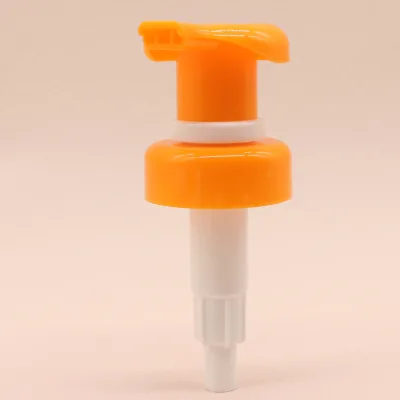
Source Non Spill Plastic Lotion Pump for Body Lotion, Cosmetic, Disinfector
Find 30 Non Spill Plastic Lotion Pump options from Chinese manufacturers. Compare models like JD-302A and WL-LP033H with PP or PET materials, various nozzle shapes, and customization availability for body lotion, cosmetic, and disinfector applications.
Key considerations
Products List




Comprehensive Sourcing Guide
Non Spill Plastic Lotion Pump Sourcing Guide
Sourcing non-spill plastic lotion pumps requires a careful balance of mechanical reliability, material compatibility, and supply chain transparency. These dispensing components are critical for maintaining product integrity in cosmetics, personal care, and household cleaning applications. Buyers must prioritize pumps that offer consistent discharge rates and secure closure mechanisms to prevent leakage during transit and use. The market offers a variety of configurations, from standard internal threaded connections to external thread options, each serving different bottle neck profiles and user experience requirements.
The procurement process involves evaluating multiple technical parameters, including plastic type, nozzle shape, and customization capabilities. While many suppliers offer generic solutions, specialized manufacturers provide tailored options for specific liquid viscosities and chemical compositions. Understanding the distinction between simple sprayers and complex lotion pumps is essential for selecting the right component. This guide outlines the key verification steps, compliance requirements, and commercial considerations necessary for successful sourcing of these packaging components.
Product Scope and Observed Listing Signals
The observed market data indicates a diverse range of plastic lotion pumps, primarily constructed from Polypropylene (PP) and Polyethylene Terephthalate (PET). These materials are selected for their chemical resistance and durability, ensuring that the pump mechanism does not degrade when in contact with various cosmetic formulations or disinfectants. The listings show a wide variety of models, such as the JD-302A and WL-LP033H, which feature different pump heads and connection types. Buyers should note that while PP is common for its cost-effectiveness and recyclability, PET is often used for applications requiring higher clarity or specific structural integrity.
Listing signals reveal significant variation in packaging standards and origin locations, with suppliers based in Ningbo, Yuyao, and Xiamen, Fujian. The standard packing configurations include safe export packs, PP bags with cartons, and paper boxes, reflecting different levels of protection required for international shipping. Some products are specified for volumes under 30ml, indicating a focus on travel-sized or sample applications, while others support larger discharge rates like 4cc for daily use products. The presence of customization options suggests that buyers can request specific colors, such as yellow or purple, and tailored cap designs to match their brand identity.
Technical Specifications to Verify
Verifying the installation type is a critical first step in ensuring compatibility with existing bottle molds or supplier-provided containers. The market offers both internal threaded connections and external thread connections, each requiring precise measurement of the bottle neck diameter and thread pitch. Common thread sizes observed include 18/410, 20/410, 24/410, and 28/410, with some suppliers offering aluminum pump options for premium aesthetics. Buyers must confirm the exact thread specification to avoid assembly failures, as mismatched threads can lead to loose fittings or inability to screw the pump onto the bottle securely.
The discharge rate and spraying shape are equally important for defining the user experience and product application. Lotion pumps typically offer a discharge rate of around 4cc, suitable for body lotions and cosmetic products, while sprayers may produce a liquid column or solid cone shape depending on the nozzle design. The closure mechanism, whether smooth or ribbed, and the lock type, such as a cap-to-lock feature, contribute to the pump's anti-spill functionality. Buyers should request samples to test the actuation force and spray pattern, ensuring that the pump delivers the product consistently without clogging or leaking.
Compliance and Safety Documentation
Compliance with international standards is non-negotiable for packaging components that come into direct contact with consumer products. Suppliers often provide certifications such as ISO, SGS, GMPC, and ISO22716, which indicate adherence to quality management systems and good manufacturing practices in the cosmetics industry. These certifications are crucial for buyers who need to demonstrate due diligence in their supply chain and ensure that the packaging materials do not contaminate the product. Buyers should verify the validity of these certificates and request copies to confirm that the supplier's facilities meet the required regulatory standards.
In addition to manufacturing certifications, environmental and safety standards play a growing role in procurement decisions. While some background information mentions ISO14001 and REACH, buyers should explicitly confirm whether the plastic materials used in the pumps comply with current chemical regulations in their target markets. The recyclability of the pump, often highlighted as a feature, should be supported by clear material composition data. Buyers must ensure that the supplier can provide documentation proving that the components are free from restricted substances and can be processed appropriately at the end of their life cycle.
Cost Drivers and Commercial Terms
The cost of non-spill plastic lotion pumps is influenced by several factors, including material type, customization requirements, and order volume. The observed minimum order quantities (MOQ) range from 10 to 50,000 pieces, allowing for flexibility in initial testing and large-scale production runs. Higher customization levels, such as specific colors, logos, or unique cap designs, typically increase the unit price due to additional tooling and setup costs. Buyers should negotiate pricing tiers based on volume, ensuring that the cost structure aligns with their projected sales and inventory needs.
Commercial terms also encompass packaging and shipping logistics, which can significantly impact the total landed cost. Suppliers offer various packing options, from simple carton packs to more robust safe export packs, each with different cost implications. The standard carton dimensions, such as 60x37x38cm or 57x32x39cm, affect how many units can be shipped per container, influencing freight efficiency. Buyers should clarify whether the quoted prices include export packaging and request detailed packing lists to optimize container utilization and reduce shipping expenses.
Supplier Qualification and Quality Control
Supplier qualification involves assessing the manufacturer's production capabilities, quality control processes, and track record. Buyers should verify the supplier's origin, with common manufacturing hubs in China, and evaluate their ability to maintain consistent quality across large production runs. Requesting references or case studies from previous clients can provide insights into the supplier's reliability and responsiveness. It is also important to confirm that the supplier has the necessary equipment to handle custom orders and maintain tight tolerances on thread dimensions and pump mechanisms.
Quality control measures should be established before placing large orders, including pre-production sample approvals and in-process inspections. Buyers should define clear acceptance criteria for visual defects, functional performance, and packaging integrity. Implementing a random sampling plan for incoming goods can help detect issues early and prevent defective pumps from reaching the final product. Establishing a clear communication channel for addressing quality concerns and requesting replacements or credits is essential for maintaining a smooth supply chain.
Long-Term Procurement Checks
Long-term procurement success depends on continuous monitoring of supplier performance and market trends. Buyers should regularly review supplier delivery times, quality consistency, and responsiveness to changes in demand. Building a strong relationship with the supplier can lead to better pricing, priority production slots, and collaborative innovation in product design. It is also advisable to diversify the supplier base to mitigate risks associated with single-source dependencies, especially for critical packaging components.
As regulations and consumer preferences evolve, buyers must stay informed about changes in material standards and sustainability requirements. Regularly updating the specification sheet to reflect new compliance needs or design improvements ensures that the sourced pumps remain relevant and competitive. Conducting periodic audits of the supplier's facilities and quality management systems can help identify potential issues before they impact production. By maintaining a proactive approach to supplier management, buyers can secure a reliable supply of high-quality non-spill plastic lotion pumps for their products.
FAQs
What materials are used for non spill plastic lotion pumps?
These pumps are primarily constructed from PP plastic, with some variants using PET. The material choice ensures durability and chemical resistance for containing disinfectors or lotions while maintaining a recyclable profile for sustainable sourcing needs.
Which nozzle sizes are available for these plastic pumps?
Available nozzle specifications include 18/410, 20/410, 24/410, and 28/410 threads. Some models also support 228/410 connections, allowing flexibility for different bottle necks and ensuring a secure fit for various cosmetic and lotion applications.
Can I customize the color and shape of the pump?
Customization is available for colors like yellow and purple, as well as shapes such as solid cone or sector. Buyers can also specify cap types and locking mechanisms to match their brand identity and functional requirements for daily sprayer products.
What certifications do these manufacturers typically hold?
Manufacturers often hold ISO certifications, and some facilities comply with SGS, GMPC, and ISO22716 standards. These credentials verify quality management and safety protocols, ensuring the products meet international requirements for cosmetic and personal care packaging applications.
How are these pumps packed for international shipping?
Packing options include PP bags with cartons, paper boxes, or safe export packs. Standard carton dimensions vary, such as 60x37x38cm holding 500 pieces, ensuring secure transport by sea or air to destinations like Ningbo or Xiamen.
What is the typical discharge rate for these lotion pumps?
The discharge rate is commonly 4cc per actuation, suitable for body lotions and cosmetic applications. This volume ensures controlled dispensing while maintaining the liquid column or cone spray shape required for effective product application on the skin.
Are these pumps suitable for internal or external thread connections?
Both internal threaded and external thread connection types are available for these pumps. This versatility allows integration with various bottle designs, ensuring a secure fit for different liquid containers ranging from disinfectors to daily use lotions.