Source NPN Inductive Proximity Switch for Factory Automation
Find and compare 30 NPN Inductive Proximity Switch models from verified Chinese manufacturers. Evaluate key specifications such as detection distance, IP67 waterproof ratings, and 12-24VDC supply voltage to select the right sensor for industrial automation and warehouse applications.
Key considerations
Products List


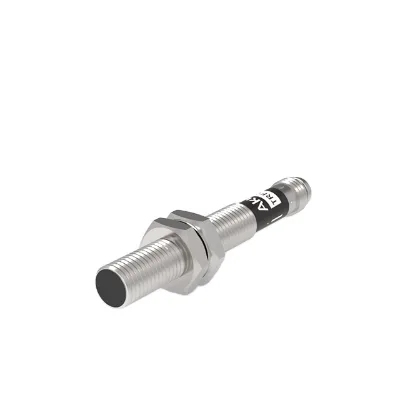


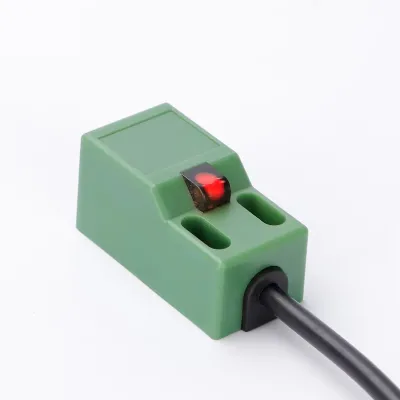


Comprehensive Sourcing Guide
NPN Inductive Proximity Switch Sourcing Guide
Selecting the correct NPN Inductive Proximity Switch requires a careful balance of electrical compatibility, environmental resilience, and mechanical fit. These sensors are fundamental components in industrial automation, providing reliable non-contact detection of metallic objects. The NPN output configuration is particularly prevalent in systems where the load is connected between the sensor output and the positive voltage rail, requiring the sensor to sink current to ground. Procurement teams must ensure that the chosen switch aligns with the specific logic requirements of their programmable logic controllers (PLCs) or control systems to avoid wiring errors and operational failures.
The market offers a diverse array of models, ranging from standard cylindrical designs to specialized variants with unique sensing distances and housing materials. Buyers often encounter listings with varying specifications, such as different detection modes, cable lengths, and waterproof ratings. Understanding the nuances of these attributes is critical for ensuring that the selected component performs reliably in its intended application. This guide outlines the essential steps for evaluating and sourcing NPN inductive proximity switches, focusing on technical verification, compliance, and supplier qualification to mitigate procurement risks.
Product Scope and Observed Listing Signals
The current market landscape for NPN inductive proximity switches reveals a wide spectrum of product offerings, with observed price points ranging from $0.20 to $45.00 USD. This broad range reflects the diversity in manufacturing quality, material composition, and brand positioning. Lower-priced items often utilize basic materials such as ABS plastic or standard metal housings, while higher-priced options may feature premium alloys, advanced circuitry, or specialized certifications. Buyers should interpret these price variations as indicators of potential differences in durability, precision, and long-term reliability rather than assuming that all listed products meet the same performance standards.
Minimum Order Quantities (MOQs) typically range from 1 to 100 units, catering to both prototyping needs and bulk industrial procurement. The availability of customization options is a significant factor in the current market, allowing buyers to tailor sensors to specific mechanical or electrical requirements. Packaging methods also vary, with options including cartons, white boxes, polybags, and cardboard boxes, which can impact storage and handling logistics. Additionally, some listings specify packing quantities, such as 50 pieces per carton, which is crucial for inventory management and cost calculation. Buyers must carefully review these commercial signals to align their purchasing strategy with their operational volume and storage capabilities.
Technical Specifications to Verify
Electrical compatibility is the primary technical consideration when sourcing NPN inductive proximity switches. The supply voltage for many observed models falls within the 12-24VDC range, with some variants supporting a wider 10-30VDC input. It is essential to verify the exact voltage tolerance, as some specifications indicate a 10% variance, which can affect performance in unstable power environments. The output type is explicitly NPN, meaning the sensor acts as a low-side switch, sinking current to ground when an object is detected. Buyers must confirm that their control system inputs are compatible with this sinking configuration to ensure proper signal transmission and avoid false triggering or failure to detect.
Detection capabilities and physical dimensions are equally critical for successful integration. The detection distance for inductive sensors typically ranges from 0 to 6.4mm, depending on the model and sensing face design. Buyers should verify whether the sensor is shielded or unshielded, as this affects the mounting requirements and the effective sensing range. Shielded sensors can be mounted flush with metal surfaces, while unshielded sensors require non-metallic mounting areas to prevent interference. Additionally, the sensing side, whether top or side, must align with the mechanical layout of the application. Cable specifications, such as a 4.2mm diameter with a 2-meter length and three-wire configuration, should be checked to ensure compatibility with existing wiring harnesses and connector types.
Compliance and Safety Documentation
Regulatory compliance is a mandatory requirement for industrial components, particularly those used in global supply chains. Many observed NPN inductive proximity switches carry RoHS and CE certifications, indicating adherence to restrictions on hazardous substances and European safety standards. For buyers operating in regions with strict environmental regulations, verifying RoHS compliance is essential to avoid legal liabilities and ensure sustainable sourcing practices. CE certification further demonstrates that the product meets relevant health, safety, and environmental protection standards for the European market, which is often a baseline requirement for international trade.
Additional certifications, such as ISO standards, may be present in some listings, suggesting a broader commitment to quality management systems. However, buyers should not assume that all listed products possess every certification mentioned in aggregated data. It is crucial to request specific certification documents from the supplier for each model under consideration. Furthermore, the operating environment must be considered, with many sensors offering IP67 waterproof ratings, which protect against dust ingress and temporary immersion in water. Buyers should verify the IP rating for their specific application, especially if the sensors will be exposed to harsh conditions, such as washdown areas or outdoor installations.
Cost Drivers and Commercial Terms
The total cost of ownership for NPN inductive proximity switches extends beyond the unit price, encompassing factors such as warranty coverage, packaging, and shipping logistics. Warranty periods observed in the market range from 18 months to 3 years, reflecting the manufacturer's confidence in product durability. A longer warranty can reduce long-term maintenance costs and provide greater assurance for critical applications. Buyers should weigh the initial price against the warranty terms, as a slightly higher upfront cost may result in significant savings over the product's lifecycle due to reduced replacement frequency.
Packaging and material specifications also influence commercial terms. Products packaged in cartons or white boxes may offer better protection during transit compared to those in polybags, potentially reducing damage-related losses. The weight and dimensions of the product, such as 0.12kg per box or specific dimensions like 36mm x 18mm x 10mm, affect shipping costs and storage efficiency. Buyers should negotiate clear terms regarding packaging standards and liability for transit damage. Additionally, the origin of the product, often listed as China or specific provinces like Hunan or Zhejiang, can impact lead times and import duties, which should be factored into the overall procurement budget.
Supplier Qualification and Quality Control
Evaluating supplier reliability is a critical step in mitigating procurement risks. Buyers should prioritize suppliers who provide transparent information about their manufacturing processes and quality control measures. The presence of certifications such as ISO, RoHS, and CE is a positive indicator, but buyers should verify the validity of these certifications through independent databases or direct requests for certificates. Suppliers with a proven track record in producing inductive sensors are more likely to deliver consistent quality and adhere to technical specifications.
Quality control practices should include rigorous testing of detection distance, output stability, and environmental resistance. Buyers should inquire about the supplier's testing protocols, including how they verify IP ratings and electrical performance under varying conditions. The use of high-quality materials, such as nickel-plated brass for connectors or ABS for housings, can enhance durability and performance. Additionally, suppliers who offer customization options demonstrate flexibility and a customer-centric approach, which can be valuable for specialized applications. Buyers should assess the supplier's responsiveness and technical support capabilities to ensure they can address any issues that may arise during or after the procurement process.
Long-Term Procurement Checks
Sourcing NPN inductive proximity switches is not a one-time transaction but an ongoing process that requires regular review and optimization. Buyers should establish a system for monitoring supplier performance, including metrics such as on-time delivery, product defect rates, and responsiveness to inquiries. Regular audits of supplier quality control practices can help identify potential issues before they impact production. Maintaining a diverse supplier base can also mitigate risks associated with supply chain disruptions, ensuring continuity of operations even if one supplier faces challenges.
Technological advancements in sensor technology may necessitate periodic reviews of current specifications. As automation systems evolve, the requirements for detection accuracy, speed, and connectivity may change. Buyers should stay informed about industry trends and new product developments to ensure their procurement strategy remains aligned with operational needs. Additionally, reviewing warranty claims and failure data can provide valuable insights into the long-term reliability of specific models. By continuously evaluating and refining their sourcing strategy, buyers can optimize costs, improve quality, and enhance the overall efficiency of their industrial automation systems.
FAQs
What voltage supply does the NPN Inductive Proximity Switch require?
The device operates on a 12-24VDC supply with a 10% tolerance. This range ensures stable performance for industrial applications requiring reliable sensor switching without voltage fluctuations.
Which certifications are available for these proximity sensors?
Available certifications include RoHS, CE, and ISO standards. These confirm compliance with environmental and safety regulations, ensuring the products meet international quality requirements for industrial use.
How is the detection distance defined for this sensor?
The detection distance ranges from 0 to 6.4mm depending on the specific model. This range allows for precise object detection in tight spaces while maintaining high accuracy.
Can the product be customized for specific needs?
Yes, customization is available for this product line. Buyers can request specific modifications to meet unique application requirements while maintaining core performance standards and safety certifications.
What is the waterproof rating of the sensor housing?
The sensor housing features an IP67 waterproof rating. This ensures protection against dust and temporary immersion in water, making it suitable for harsh industrial environments.
Which material is used for the sensor case construction?
The case is constructed from metal or ABS plastic depending on the model. Metal cases offer durability for heavy-duty applications, while ABS provides lightweight protection for general use.
What is the warranty period for these proximity switches?
Warranty periods range from 18 months to 3 years based on the specific product model. This coverage ensures reliability and support for buyers during the initial operational phase.