Source Nozzle Cosmetic Liquid Packaging Bag for Food, Household, Promotion
Compare 30 listings for Nozzle Cosmetic Liquid Packaging Bag options made from PE or laminated materials. Buyers can evaluate customization, sealing types, and sizes for liquid applications in food, shopping, and promotional uses; compare the available evidence and request quotations based on your requirements.
Key considerations
Products List


New Makeup Products Sample Packaging Nozzle Pouch for Skin Care Cream Lotion
$0.03 - $0.06
MOQ: 10000 Pieces

Cosmetic Skincare Products Packing Foil Plastic Mylar Bag with Spout for Juice
$0.03 - $0.06
MOQ: 10000 Pieces


Custom Cosmetics Skin Care Packaging Standing Bag Packaging Suction Nozzle Standing Bag
$0.00 - $0.01
MOQ: 10000 Pieces


Plastics Packaging Bag for Facial Mask Packing Pouch for Beauty Facial Mask
$0.28 - $0.30
MOQ: 10000 Pieces


Factory Liquid Packaging Plastic Pouch with Nozzle Hand Soap Bags in Box
$0.30 - $0.50
MOQ: 10000 Pieces

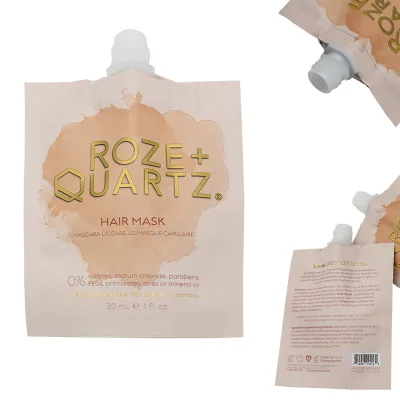

Comprehensive Sourcing Guide
Nozzle Cosmetic Liquid Packaging Bag Sourcing Guide
Procuring nozzle-equipped cosmetic liquid packaging bags requires a strategic focus on the intersection of material integrity, functional design, and regulatory compliance. These flexible containers are not merely vessels but critical components of the user experience, directly influencing product perception and operational efficiency. Buyers must move beyond basic price comparisons to evaluate the technical capabilities of suppliers who can handle complex laminated structures and precise nozzle integration. The primary goal is to secure a packaging solution that maintains product stability while offering a seamless, leak-free dispensing mechanism for end-users.
The sourcing process demands a rigorous assessment of the supplier's ability to customize both the bag body and the dispensing system. Since these products often involve multi-layer materials and specialized closures, the supplier's manufacturing precision is paramount. You must verify that the partner can accommodate specific volume requirements, ranging from small travel sizes to larger household quantities, without compromising the structural integrity of the seal. This initial phase sets the foundation for a reliable supply chain, ensuring that the final product meets both aesthetic expectations and functional demands for liquid containment.
Product Scope and Observed Listing Signals
The observed market data indicates a diverse range of packaging solutions, primarily categorized by material composition and structural design. Listings frequently highlight plastic-based options, specifically Polyethylene (PE), which is favored for its cost-effectiveness and flexibility in liquid applications. Additionally, laminated materials such as PET/VMPET/PE composites are common, offering enhanced barrier properties against moisture and light. These materials are essential for preserving the efficacy of cosmetic liquids, ensuring that the product remains stable throughout its shelf life. Understanding these material distinctions is crucial for selecting the right base for your specific formulation.
Structural variations also play a significant role in the product scope, with options ranging from standard seal bags to upright pouches with heat-sealing closures. The presence of customized nozzles and lids is a key differentiator, allowing for tailored dispensing experiences that align with brand identity. Buyers should note that while many listings offer standard sizes, the ability to customize dimensions and printing is a critical feature for competitive differentiation. Gravure printing is often cited as the preferred method for high-quality, multi-color designs, ensuring that the packaging looks premium on the shelf. This level of customization requires close collaboration with the supplier to ensure design feasibility and production consistency.
Technical Specifications to Verify
When evaluating technical specifications, the primary focus must be on the barrier properties of the packaging material. For cosmetic liquids, moisture proofing and waterproofing are non-negotiable attributes to prevent leakage and contamination. Buyers should verify the specific thickness of the film, as this directly impacts the durability and puncture resistance of the bag. While some listings indicate thickness ranges, it is essential to confirm that the selected material can withstand the pressure and viscosity of the specific liquid being packaged. This technical verification ensures that the packaging performs reliably under various storage and transportation conditions.
The integration of the nozzle and lid is another critical technical aspect that requires detailed scrutiny. The closure type, often heat-sealing, must be compatible with the bag material to ensure a secure seal that prevents evaporation or leakage. Buyers should request samples to test the dispensing mechanism, ensuring that the nozzle operates smoothly without clogging or dripping. Additionally, the compatibility of the nozzle material with the cosmetic formula must be confirmed to avoid chemical reactions that could degrade the product or the packaging. This functional testing is vital for ensuring that the final product meets user expectations for ease of use and hygiene.
Compliance and Safety Documentation
Compliance with safety standards is a fundamental requirement for cosmetic packaging, particularly when dealing with liquid products that come into direct contact with skin. Suppliers should provide documentation proving that their materials are food-grade or meet equivalent safety standards for cosmetic use. Certifications such as SGS, BRC, ISO9001, and ISO14000 are frequently cited in the industry and serve as indicators of a supplier's commitment to quality and environmental responsibility. Buyers must request these certificates and verify their validity to ensure that the packaging materials do not contain harmful substances that could compromise product safety or consumer health.
Beyond general certifications, specific compliance with regional regulations, such as US FDA and EU standards, is essential for international distribution. These regulations often dictate the types of materials that can be used in packaging and the testing procedures required to prove their safety. Buyers should ensure that the supplier can provide test reports confirming that the packaging meets these specific regulatory requirements. This documentation not only protects the brand from legal liabilities but also builds consumer trust by demonstrating a commitment to safety and quality. Verifying these compliance documents early in the sourcing process helps avoid costly delays and rework later in the production cycle.
Cost Drivers and Commercial Terms
The cost of nozzle cosmetic liquid packaging bags is influenced by several key factors, including material selection, customization level, and order volume. Laminated materials and complex nozzle designs typically command a higher price point compared to simple plastic bags, reflecting the additional processing and material costs involved. Buyers should analyze the total cost of ownership, considering not just the unit price but also the costs associated with customization, such as mold fees for custom nozzles and setup costs for printing. Understanding these cost drivers allows for more accurate budgeting and negotiation with suppliers, ensuring that the final price aligns with the value provided by the packaging solution.
Commercial terms, including Minimum Order Quantity (MOQ) and payment methods, also play a significant role in the overall cost structure. MOQs can vary widely depending on the bag size and complexity, with some suppliers requiring larger quantities to justify the setup costs. Buyers should negotiate terms that align with their production schedule and inventory needs, seeking flexibility in order sizes if possible. Payment terms, such as T/T or L/C, should be clearly defined to mitigate financial risks and ensure smooth transactions. By carefully evaluating these commercial aspects, buyers can optimize their procurement strategy and maintain a healthy cash flow while securing high-quality packaging.
Supplier Qualification and Quality Control
Qualifying a supplier for nozzle cosmetic liquid packaging bags involves a thorough assessment of their manufacturing capabilities and quality control processes. Buyers should verify that the supplier has the necessary equipment and expertise to handle the specific materials and designs required for their product. This includes checking their ability to perform precise heat-sealing and nozzle integration, which are critical for ensuring the integrity of the packaging. A supplier with a strong track record in the cosmetic packaging industry is more likely to deliver consistent quality and meet tight deadlines, reducing the risk of production disruptions.
Quality control measures should be a central focus during the supplier qualification process. Buyers should request detailed information on the supplier's inspection procedures, including incoming material checks, in-process inspections, and final product testing. This ensures that any defects are identified and addressed before the products are shipped. Additionally, the supplier's ability to provide free samples for evaluation is a valuable indicator of their confidence in their product quality. By establishing a robust quality control framework, buyers can minimize the risk of receiving defective packaging and ensure that the final product meets the highest standards of performance and safety.
Long-Term Procurement Checks
Establishing a long-term procurement relationship with a supplier for nozzle cosmetic liquid packaging bags requires ongoing monitoring and evaluation of their performance. Buyers should regularly review the supplier's quality metrics, delivery times, and responsiveness to ensure that they continue to meet the required standards. This includes tracking defect rates, lead time adherence, and communication efficiency, which are key indicators of the supplier's reliability. By maintaining open lines of communication and providing regular feedback, buyers can foster a collaborative partnership that supports continuous improvement and innovation in packaging solutions.
Sustainability and environmental considerations are increasingly important in long-term procurement strategies. Buyers should assess the supplier's commitment to sustainable practices, such as using recyclable or bio-degradable materials and minimizing waste in the production process. This not only aligns with global environmental goals but also enhances the brand's reputation among environmentally conscious consumers. Additionally, buyers should explore opportunities for cost optimization and process improvement through joint development projects with the supplier. By focusing on these long-term checks, buyers can build a resilient and efficient supply chain that supports their business growth and sustainability objectives.
FAQs
What materials are used for nozzle cosmetic liquid packaging bags?
These bags typically use PE plastic or laminated materials like Pet, VMPET, and PE. Some options include aluminum foil for enhanced barrier properties. The specific material depends on the required customization and intended use for liquid products.
Can I customize the size and nozzle of these packaging bags?
Yes, customization is available for both size and nozzle configurations. Manufacturers accept custom orders with various sizes ranging from 30ml to 200ml. You can also request specific nozzle and lid designs to match your cosmetic liquid product requirements.
Which certifications do these plastic packaging bags hold?
Suppliers often provide bags certified by SGS, BRC, ISO9001, ISO14000, US FDA, and EU standards. These certifications ensure the materials meet food grade and safety requirements. Always verify specific documentation with the manufacturer before placing a large order.
How is the sealing process performed on these cosmetic bags?
The bags utilize heat-sealing or hot sealing processes to ensure a secure closure. This method creates a moisture-proof and waterproof seal suitable for liquid contents. The surface finish often includes film lamination to enhance durability and print quality.
What is the minimum order quantity for these packaging bags?
The minimum order quantity ranges from 500 to 50,000 units depending on the bag size and customization level. Some suppliers set the MOQ according to the specific bag dimensions requested. Contact vendors directly to confirm the exact threshold for your project.
Where are these cosmetic liquid packaging bags manufactured?
These bags are primarily manufactured in China, with specific origins in Zhejiang and Guangdong provinces. Manufacturers in these regions offer competitive pricing and established supply chains for plastic packaging. You can source directly from these locations for efficient logistics.
Are samples available for testing before bulk production?
Free samples are available for most manufacturers to test quality and design. You can request samples to verify features like moisture proofing and print quality. This allows you to confirm the product meets your standards before committing to a larger purchase volume.