Source OEM Front Suspension Subframe for Geely, Toyota, and VW
Compare 15 listings for the OEM Front Suspension Subframe from verified Chinese manufacturers. Buyers can evaluate specifications, MOQs, delivery times, and warranty terms for models including Geely, Toyota, VW, Nissan, and Changan. Detailed product attributes like material, position, and packaging are available for direct comparison.
Updated
Key considerations
Products List


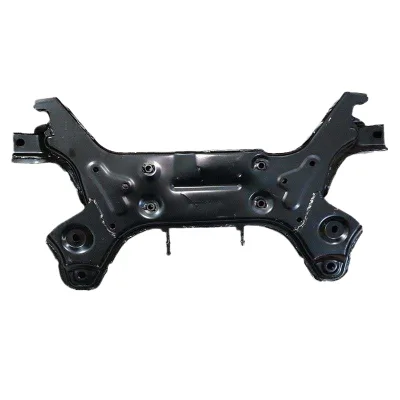
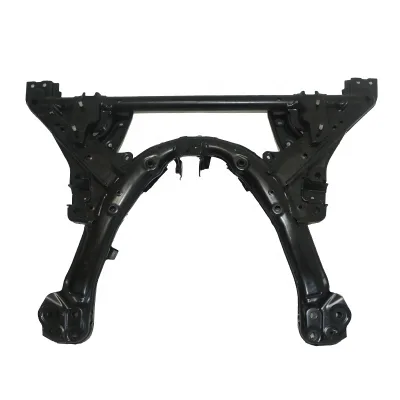
Customizable Front Subframe Crossmember, Auto Chassis Suspension Parts
$80.00 - $200.00
MOQ: 10 Pieces


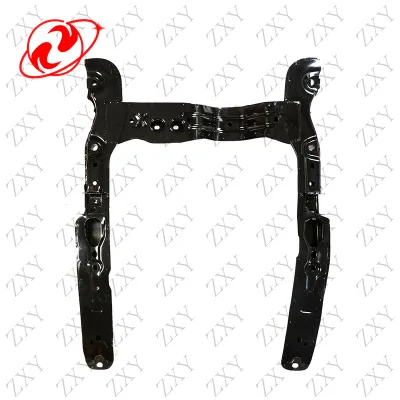
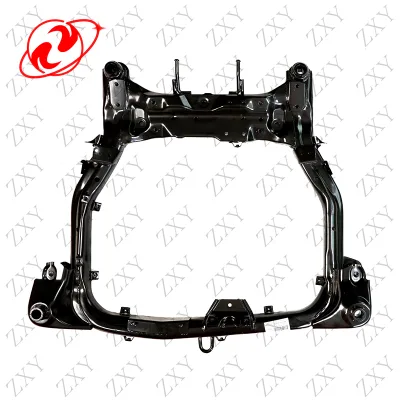
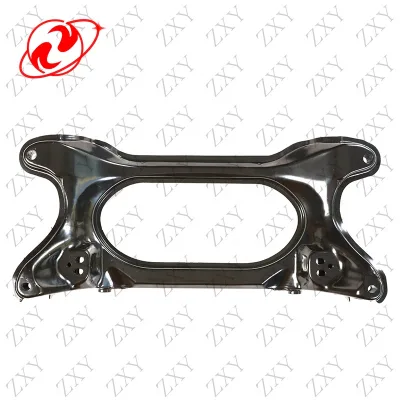
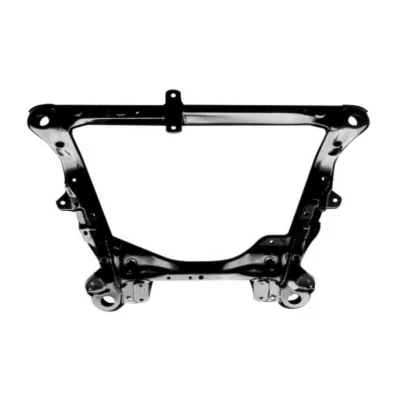
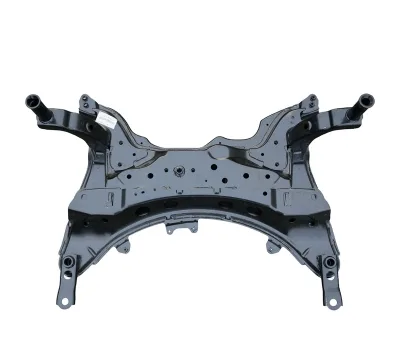
Front Axle Suspension Cross Member Subframe for Toyota Camry OEM 51100-33070
$81.9733 - $133.2053
MOQ: 1 Minimum
Comprehensive Sourcing Guide
OEM Front Suspension Subframe Sourcing Guide
Procuring an OEM Front Suspension Subframe requires careful alignment between vehicle compatibility and structural integrity. Buyers must first confirm that the subframe matches the specific make and model, such as Geely, Chery, Buick, Ford, Nissan, Toyota, or Volkswagen, as listed in available product data. The position is explicitly designated as front, ensuring it integrates correctly with the vehicle’s chassis geometry. Misalignment can lead to severe handling issues or safety hazards, making precise model verification the critical first step in the sourcing process.
Beyond basic compatibility, buyers should evaluate the customization options and condition of the subframe. The available listings indicate that customization is available, which may be useful for specialized fleet modifications or aftermarket upgrades. The condition is specified as new, which is standard for replacement parts, but buyers must verify the material composition, typically steel or Fe, to ensure durability. Understanding these foundational attributes helps in selecting a subframe that meets both immediate repair needs and long-term performance expectations without compromising vehicle safety.
Product Scope and Observed Listing Signals
The market for front suspension subframes shows a diverse range of listings with varying specifications and origins. Observed data indicates a price range of 26-200 USD, reflecting differences in material quality, brand, and included services. The minimum order quantity (MOQ) varies significantly, from 1 piece to 50 pieces, allowing flexibility for both individual repairs and bulk procurement. Buyers should note that some listings specify an MOQ of 30 pieces, while others are more flexible, which can impact inventory management and cash flow for smaller operations.
Geographic origin is another key signal, with products primarily sourced from China, including specific regions like Jiangsu and Chongqing. This concentration suggests a mature supply chain for automotive structural components. Listings also highlight specific car models such as Astra F, ChangAn Eado, and Camry, indicating targeted compatibility. Buyers must cross-reference these model-specific listings with their own inventory needs. The presence of single package sizes and gross weights, such as 120X115X20 cm and 23.5 kg, aids in calculating logistics costs and storage requirements accurately.
Technical Specifications to Verify
Verifying technical specifications is essential to ensure the subframe fits the vehicle’s mounting points and load requirements. Key dimensions such as 826452115mm should be compared against the original equipment manufacturer (OEM) specifications for the target vehicle. The model number, such as zxy-sp-1 or CAMRY, serves as a primary identifier, but buyers must also check OE numbers like 51210-0N010 or C201052-0100 for precise matching. These identifiers are critical for avoiding installation errors and ensuring structural compatibility with the vehicle’s suspension system.
Material composition and weight are also vital technical factors. The subframes are typically made of steel or Fe, providing the necessary strength for suspension loads. The single gross weight of approximately 23.5 kg indicates the substantial nature of the component, which affects shipping costs and handling procedures. Buyers should verify the single package size to plan for adequate storage and transportation. Additionally, checking the brand name, such as ZXY or Changan, can provide insights into the manufacturing quality and reputation, although buyers should rely on technical data over brand claims alone.
Compliance and Safety Documentation
Compliance with international standards is crucial for automotive parts, particularly those affecting vehicle safety. The provided data mentions ISO certification, specifically ISO/TS, which suggests adherence to quality management systems in the automotive industry. Buyers should request documentation to verify this certification status, as it indicates a structured approach to quality control during manufacturing. While ISO 9001:2015 is mentioned in background context, buyers must confirm if the specific supplier holds this or equivalent certification for the subframe production line.
Safety documentation should also include test results and quality assurance reports. Buyers should inquire about the warranty terms, which are often listed as 1 year or 1 year, providing a safety net for defects. The condition of the product as new should be accompanied by inspection certificates or quality checks. Understanding the warranty coverage helps in assessing the risk of early failure. Buyers must ensure that the supplier provides clear documentation on how warranty claims are processed, including return shipping terms and replacement procedures, to protect their investment.
Cost Drivers and Commercial Terms
Several factors influence the total cost of ownership for front suspension subframes, including material costs, manufacturing complexity, and logistics. The observed price range of 26-200 USD reflects these variables, with higher prices potentially indicating better material quality or additional services. Buyers should consider the MOQ, which can range from 1 to 50 pieces, as bulk purchases may offer better unit prices but require higher upfront capital. The shipping terms, such as FOB, CFR, or CIF, also impact the final cost, with different terms assigning responsibility for freight and insurance to either the buyer or seller.
Lead times and delivery schedules are significant commercial considerations. The observed delivery time is within 30 days, with some listings specifying about 25-30 days for shipment. Buyers must factor this lead time into their inventory planning to avoid production delays or vehicle downtime. The availability of samples is another factor, allowing buyers to test quality before committing to larger orders. Understanding these commercial terms helps in negotiating favorable conditions and managing cash flow effectively, ensuring that the procurement process aligns with business operational needs.
Supplier Qualification and Quality Control
Supplier qualification is a critical step in ensuring the reliability of the subframe supply chain. Buyers should verify the supplier’s production capabilities, including their place of origin, such as Jiangsu or Chongqing in China, which are known for automotive manufacturing. The brand name, whether ZXY or Changan, can provide some insight, but buyers should conduct due diligence on the supplier’s reputation and history. Checking for customer reviews or references can help assess the supplier’s consistency in delivering high-quality products.
Quality control processes should be transparent and well-documented. Buyers should inquire about the supplier’s quality assurance protocols, including inspection stages during production and before shipment. The condition of the product as new should be verified through visual inspections or third-party testing. The warranty of 1 year indicates confidence in product durability, but buyers should also check for any additional quality guarantees. Establishing a clear communication channel, such as a 24-hour service response, can facilitate quick resolution of any quality issues that may arise post-delivery.
Long-Term Procurement Checks
Long-term procurement success depends on continuous monitoring of supplier performance and product quality. Buyers should establish key performance indicators (KPIs) to track delivery times, defect rates, and customer satisfaction. Regular audits of the supplier’s quality control processes can help identify potential issues before they impact the supply chain. The warranty terms, typically 1 year, should be reviewed periodically to ensure they remain competitive and adequate for the product’s expected lifespan.
Market trends and technological advancements in automotive manufacturing should also be considered. As vehicle designs evolve, the compatibility of subframes may change, requiring buyers to stay updated on new models and specifications. The availability of customization options can be leveraged to adapt to changing market demands. Buyers should maintain a diversified supplier base to mitigate risks associated with single-source dependencies. Regularly reviewing the cost structure and commercial terms ensures that the procurement strategy remains aligned with business objectives and market conditions.
FAQs
What certifications are available for OEM Front Suspension Subframe products?
ISO certification is available for these automotive spare parts. The products are manufactured in China, specifically in Jiangsu and Chongqing regions. Buyers can verify the ISO/TS OEM status directly. This ensures the components meet standard quality requirements for replacement and repair applications in the automotive industry.
Which car brands are compatible with these subframe assemblies?
These subframes are suitable for Geely, Chery, Buick, Ford, Nissan, Toyota, WuLing, and Volkswagen. Specific models include Astra F, ChangAn Eado, and Crown. The parts are designed as fit replacements for various automotive applications, ensuring compatibility with a wide range of vehicle makes and models globally.
Can I customize the OEM Front Suspension Subframe for my needs?
Customization is available for these steel subframe assemblies. Buyers can request specific modifications to meet unique automotive requirements. The products are new condition and intended for replace or repair purposes. This flexibility allows for tailored solutions while maintaining the structural integrity required for front and rear suspension systems.
What is the typical lead time for shipping these subframes?
The delivery time is typically within 30 days. Shipment terms include FOB, CFR, and CIF options. The estimated shipping duration is about 25 to 30 days from the place of origin. This timeline applies to standard orders, ensuring timely delivery for automotive spare parts distribution and inventory management.
What is the minimum order quantity for these suspension components?
The MOQ ranges from 1 to 50 pieces depending on the supplier. Some listings specify an MOQ of 30 pcs, while others allow single item purchases. This flexibility supports both bulk procurement and smaller sample orders. Buyers can select suppliers based on their specific volume requirements and budget constraints for automotive parts.
What warranty is provided for the OEM Front Suspension Subframe?
A 1-year warranty is provided for these automotive spare parts. The products are new condition and made from steel material. This warranty covers defects and ensures quality for replacement applications. Buyers can rely on this coverage for peace of mind when sourcing subframes for various car models and brands.