Source Oil Resistant Modular Connector for Industrial, Automotive, and Marine
Find 30 Oil Resistant Modular Connector options from verified suppliers. Compare specifications like rated voltage, pin count, and material to select the right component for your industrial, automotive, or marine applications; compare the available evidence and request quotations based on your requirements.
Updated
Key considerations
Products List
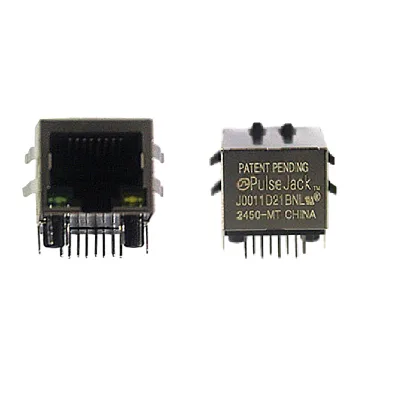
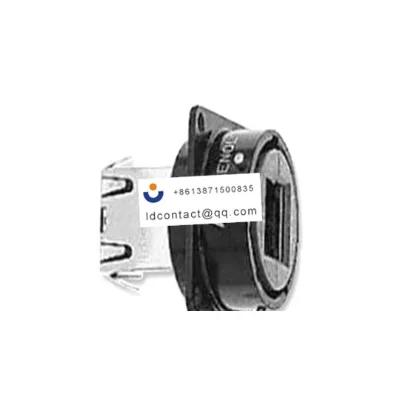
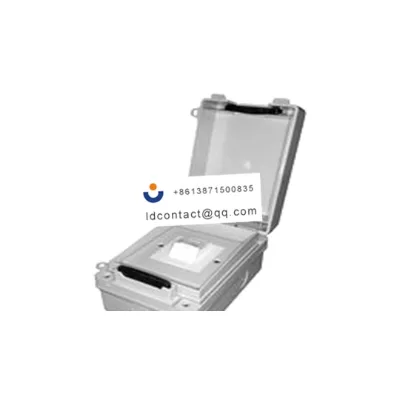
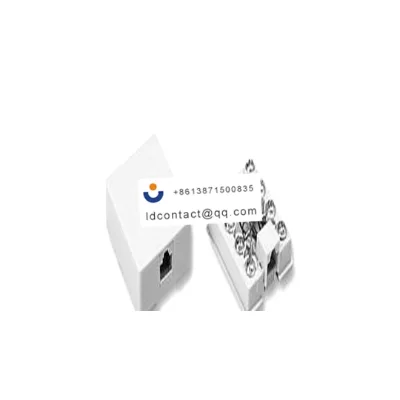
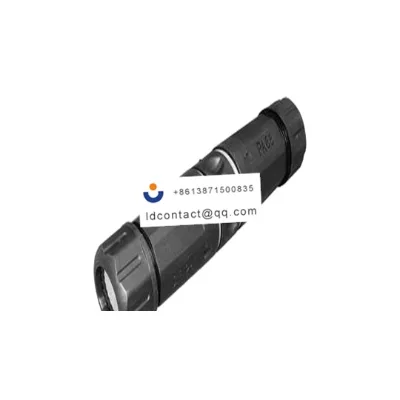
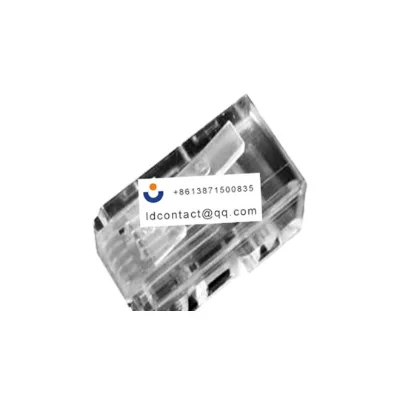
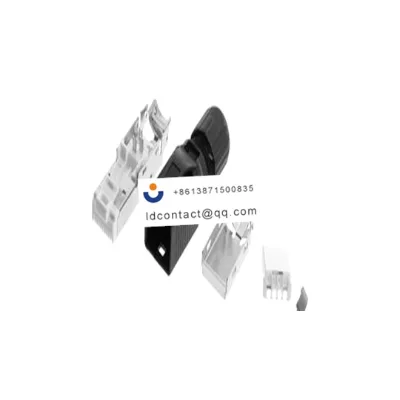

Good Quality Electronic Components Modular Connectors / Ethernet Connectors
$0.50 - $0.90
MOQ: 10 Pieces
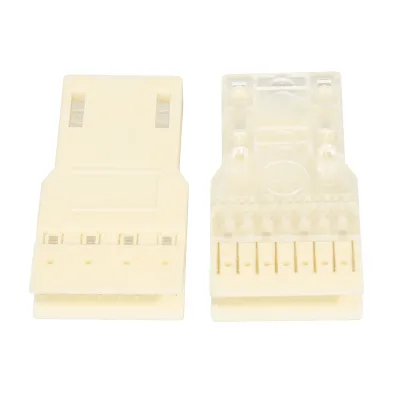

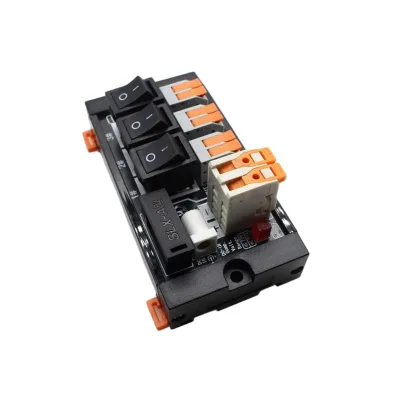

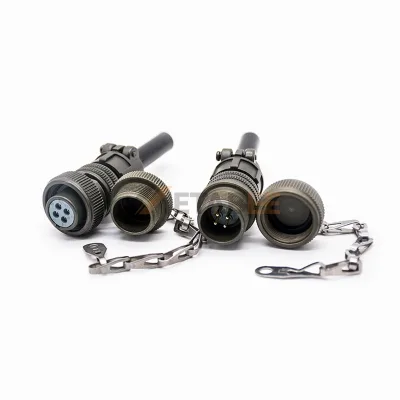


Reliable Wire Connector Cable Connector Power Connector Wire to Board
$0.0001 - $0.02
MOQ: 1000 Pieces
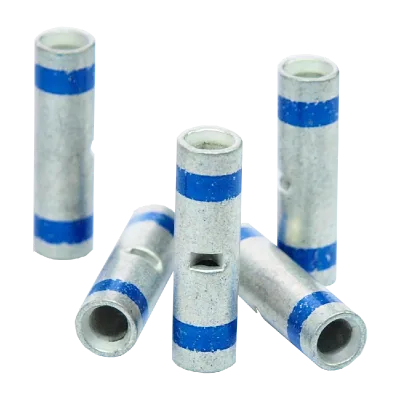

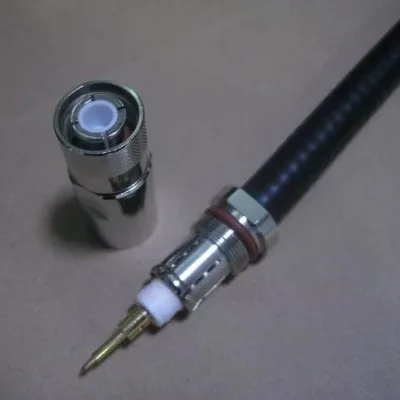
$10.3311
MOQ: 500 Minimum
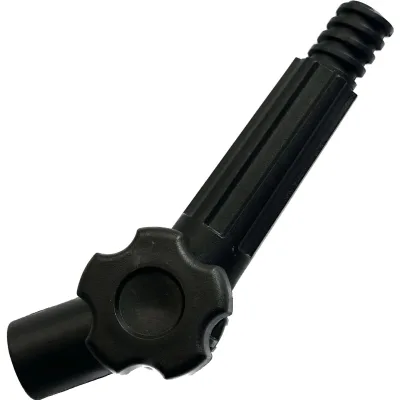

Durable Waterproof Connector for Reliable High-Performance Solar Systems
$0.18 - $0.23
MOQ: 100 Pieces

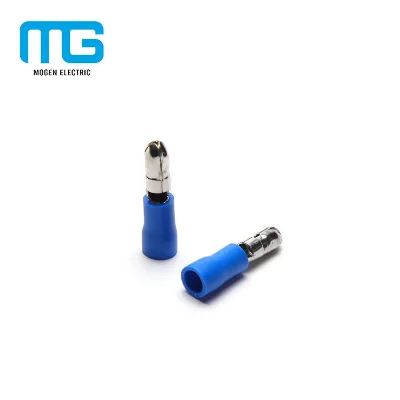
Waterproof Quick Disconnect Wire Electrical Bullet Male Terminal Connectors Male
$0.8724 - $0.9758
MOQ: 100 Minimum




Comprehensive Sourcing Guide
Oil Resistant Modular Connector Sourcing Guide
Procuring oil resistant modular connectors requires a disciplined approach to verifying material compatibility and environmental resilience. Buyers must prioritize components that maintain structural integrity when exposed to hydrocarbons, lubricants, and industrial fluids commonly found in manufacturing and automotive environments. The selection process begins with identifying connectors that utilize robust housing materials, such as specific thermoplastics or reinforced polymers, which resist swelling, cracking, or degradation upon contact with aggressive chemicals. This initial filter ensures that the physical interface remains secure and electrically stable over the product's lifecycle, preventing premature failure due to environmental stress.
Beyond material selection, the sourcing strategy must account for the specific electrical and mechanical demands of the application. Modular connectors often serve as critical junction points in control panels, machinery, and automation systems where vibration and thermal cycling are prevalent. Buyers should evaluate the locking mechanisms, contact plating, and strain relief features to ensure they meet the rigorous demands of oil-rich settings. By focusing on these tangible attributes, procurement teams can mitigate the risk of unplanned downtime and costly maintenance interventions associated with connector failure in harsh industrial conditions.
Product Scope and Observed Listing Signals
The current market landscape for modular connectors reveals a diverse array of product types, ranging from standard RJ45 interfaces to specialized DIN rail terminal blocks. Listings frequently highlight features such as magnetically coupled housings, square shapes, and various pin configurations including 4-pin, 8-pin, and multi-channel options. Buyers should observe that product names often include generic terms like "connector" or "modular connector," accompanied by specific model numbers such as J0011D21BNL, RJF 21B, or WJSG. These identifiers are crucial for cross-referencing with OEM specifications, ensuring that the sourced components are compatible with existing infrastructure and replacement part requirements.
Price and minimum order quantity (MOQ) signals indicate a wide variance in market offerings, with observed price ranges extending from low-cost single items to bulk industrial supplies. MOQs can range from as few as two pieces for prototyping to ten thousand units for large-scale production runs. This variability suggests that buyers can access both small-batch testing samples and high-volume supply chains. However, the presence of multiple model numbers and specifications in single listings implies that buyers must carefully distinguish between different product variants to avoid ordering incorrect interfaces. Understanding these listing signals helps in budgeting accurately and planning inventory levels based on actual production needs rather than assumed availability.
Technical Specifications to Verify
Verifying technical specifications is paramount to ensuring that the selected modular connectors meet the operational requirements of the intended application. Key parameters to confirm include the rated voltage and current, which dictate the electrical load the connector can safely handle. For instance, some listings indicate rated voltages of 60V or 72V and current capacities up to 20A, which are critical for power distribution modules. Additionally, the interface type, such as HDR (High Density Receptacle) or standard modular jacks, must align with the mating components in the system. Buyers should also verify the pin count and gender, ensuring that male and female counterparts match correctly to prevent assembly errors and electrical shorts.
Environmental and mechanical specifications further define the suitability of a connector for oil resistant applications. Attributes such as the temperature range, typically spanning from -25°C to +85°C, indicate the thermal stability of the materials used. The level of protection, often cited as IP 20, provides insight into the connector's resistance to solid objects and water ingress, though additional sealing may be required for direct oil exposure. Material composition, including copper contacts and specific housing plastics, should be confirmed to ensure resistance to chemical degradation. Buyers must also check the line pressing range, such as 26AWG, to ensure compatibility with the wire gauges used in their wiring harnesses, preventing loose connections or insulation damage.
Compliance and Safety Documentation
Compliance with international standards is a non-negotiable aspect of sourcing industrial components, particularly those exposed to harsh environments. Buyers should request documentation confirming adherence to RoHS, ISO, and CE certifications, which indicate that the materials and manufacturing processes meet specific environmental and safety criteria. These certifications are essential for ensuring that the connectors do not contain hazardous substances and are produced in facilities that maintain consistent quality management systems. Verifying these credentials helps mitigate regulatory risks and ensures that the components can be legally sold and used in markets with strict environmental regulations.
In addition to broad certifications, specific safety documentation related to electrical ratings and flammability should be reviewed. While general certifications provide a baseline, detailed test reports or datasheets can offer deeper insights into the connector's performance under stress. Buyers should ensure that the supplier provides accessible media, such as datasheets, which contain detailed technical drawings and performance curves. This documentation is vital for engineering teams to validate the component's suitability for their specific design. Furthermore, understanding the supplier's commitment to quality through these documents can influence long-term reliability and reduce the likelihood of field failures due to non-compliant materials or manufacturing defects.
Cost Drivers and Commercial Terms
Understanding the factors that influence the cost of modular connectors allows buyers to negotiate more effectively and forecast budgets accurately. Key cost drivers include the material composition, such as the use of copper for contacts and specialized polymers for housings, as well as the complexity of the manufacturing process. Products with higher pin counts, multi-channel configurations, or specialized features like magnetic coupling may command higher prices due to increased material and assembly costs. Additionally, certifications and compliance testing add to the overall cost, reflecting the investment in quality assurance and regulatory adherence. Buyers should analyze these components to determine if the price premium is justified by the performance benefits.
Commercial terms, including payment methods and shipping options, also impact the total cost of ownership. Suppliers often offer flexible payment options such as PayPal, TT, Western Union, and Trade Assurance, which can provide varying levels of security and convenience. Shipping methods like DHL, UPS, FedEx, and EMS influence delivery times and logistics costs, which should be factored into the procurement strategy. Buyers should also consider the supplier type, whether they are direct sales entities or distributors, as this can affect pricing flexibility and lead times. Negotiating favorable terms, such as volume discounts or extended payment periods, can significantly reduce the financial burden of large-scale procurement projects.
Supplier Qualification and Quality Control
Qualifying suppliers is a critical step in ensuring the reliability and consistency of the modular connectors supplied. Buyers should assess the supplier's production capabilities, including their manufacturing processes and quality control measures. Suppliers that utilize advanced production techniques, such as ceramic processes or precise molding, are more likely to produce high-quality components with consistent tolerances. Additionally, verifying the supplier's ability to provide customization services can be beneficial for unique application requirements. Buyers should request samples to evaluate the physical quality, fit, and finish of the connectors before committing to large orders.
Quality control processes should be transparent and well-documented. Suppliers should be able to provide evidence of their quality management systems, including inspection protocols and testing procedures. Buyers should inquire about the supplier's approach to handling defects and their policy for returns or replacements. A supplier with a robust quality control system is more likely to deliver products that meet the specified standards consistently. Furthermore, checking the supplier's track record and customer feedback can provide insights into their reliability and responsiveness. Establishing a strong relationship with a qualified supplier ensures a steady supply of high-quality components and reduces the risk of production disruptions.
Long-Term Procurement Checks
Establishing long-term procurement checks ensures that the modular connectors continue to meet the evolving needs of the organization. Regular audits of supplier performance, including delivery times, product quality, and responsiveness, help maintain a high standard of supply chain reliability. Buyers should also monitor changes in the market, such as new technologies or regulatory updates, to ensure that the sourced components remain compliant and competitive. Periodic reviews of inventory levels and usage patterns can help optimize stock levels and reduce holding costs. By staying proactive, buyers can anticipate potential supply chain disruptions and adjust their strategies accordingly.
Continuous improvement in the procurement process is essential for maximizing value and minimizing risk. Buyers should engage in regular communication with suppliers to discuss feedback, address issues, and explore opportunities for cost savings or product enhancements. Leveraging data analytics to track procurement metrics, such as price trends and defect rates, can provide valuable insights for decision-making. Additionally, fostering a collaborative relationship with suppliers can lead to better terms, priority support, and access to new product developments. By implementing these long-term checks, organizations can build a resilient and efficient procurement system that supports their operational goals and drives sustainable growth.
FAQs
What is the rated voltage for this modular connector?
The rated voltage is 60V or 72V depending on the specific model configuration. This ensures safe operation within standard industrial limits. The product features a copper material and meets RoHS and ISO CE certifications for reliability.
Can I customize the connector specifications for my project?
Yes, customization is available for this modular connector product. Buyers can request specific modifications to meet unique engineering requirements. The supplier offers single item selling units with flexible packaging options like vacuum or box.
Which certifications does the connector product hold?
The connector holds RoHS and ISO CE certifications. These standards confirm compliance with environmental and safety regulations. The product originates from Guangdong, China, and is supplied by verified sales vendors.
How is the connector packaged for shipping?
The connector is packaged in boxes or vacuum sealed units. This ensures protection during transit via DHL, UPS, FedEx, or EMS. The single gross weight is 0.120 kg per unit for standard configurations.
What is the minimum order quantity for this item?
The minimum order quantity is 2 pieces for this specific connector model. Some listings may show ranges up to 10000 units depending on the supplier. Payment methods include PayPal, TT, Western Union, and Trade Assurance.
What is the operating temperature range for the connector?
The operating temperature range is from -25 to +85 degrees Celsius. This allows stable performance in various environmental conditions. The product features a standard interface type and square shape for compatibility.
Which interface type does the connector support?
The connector supports HDR interface type with male gender configuration. It features 8 pins or 4 pins depending on the specific model number. The product is designed as a housing for modular connections.